 E-mail alert
 Rss
Rss



Assessment of the natural background levels of ammonia nitrogen and chloride in alluvial fan groundwater using an improved pre-selection method: Implications for groundwater management
-
Abstract: Natural Background Levels (NBLs) play a pivotal role in groundwater management. Ammonia nitrogen exceeding national standards is a significant concern in the alluvial fan area of Tuzuoqi, Hohhot, Inner Mongolia. The commonly used pre-selection method relies on empirical judgment with predefined pollution thresholds, making it highly subjective and less adaptable. In this study, an improved pre-selection approach was used to assess the NBLs of ammonia nitrogen and chlorides in the study area, complemented by pollution indices to evaluate the extent and scope of contamination. The improved method first employed Hierarchical Clustering Analysis (HCA) to identify characteristic pollution indicators, including NH4+, Cl−, TDS, Ca2+, Na+, NO3−, and Chlorinated HydroCarbons (CHCs). Subsequently, the contamination levels of these indicators were analyzed to establish pollution thresholds and remove contaminated samples, thereby completing the pre-selection of original samples. The pre-selection criteria for the study area were: For ammonia nitrogen, NH4+-N > 0.5 mg/L combined with Cl− > 250 mg/L; for chloride, Cl− > 250 mg/L and Cl− > 100 mg/L with simultaneous detection of CHCs. Pre-selected samples were further analyzed using Grubbs' test to identify NBLs samples. The validity of the NBLs samples was confirmed through significance tests based on historical data. The 95th percentile of the NBLs samples was used to calculate a unified NBLs for pollution indices. The results indicate that ammonia nitrogen contamination is concentrated in the central-southern part of the industrial park, with a limited spatial extent and severe pollution near pollution sources. The exceedances of ammonia nitrogen in water source wells are due to high NBLs, which are attributed to organic-rich alluvial-lacustrine interbedded deposits. Chloride pollution has spread from the central-southern to the northern areas, causing slight contamination in some wells over a broader region. Compared to other alluvial fans, elevated chloride NBLs are related to the high content of water-soluble salts in the lacustrine sediments within the strata. This study validates the effectiveness of the improved preselection method in determining groundwater NBLs and emphasizes the role of NBLs in identifying sources and contamination levels of exceeding components.
-
Key words:
- NBLs /
- Preselection method /
- Ammonia nitrogen /
- Chlorine /
- Hohhot Basin /
- Groundwater contamination
-

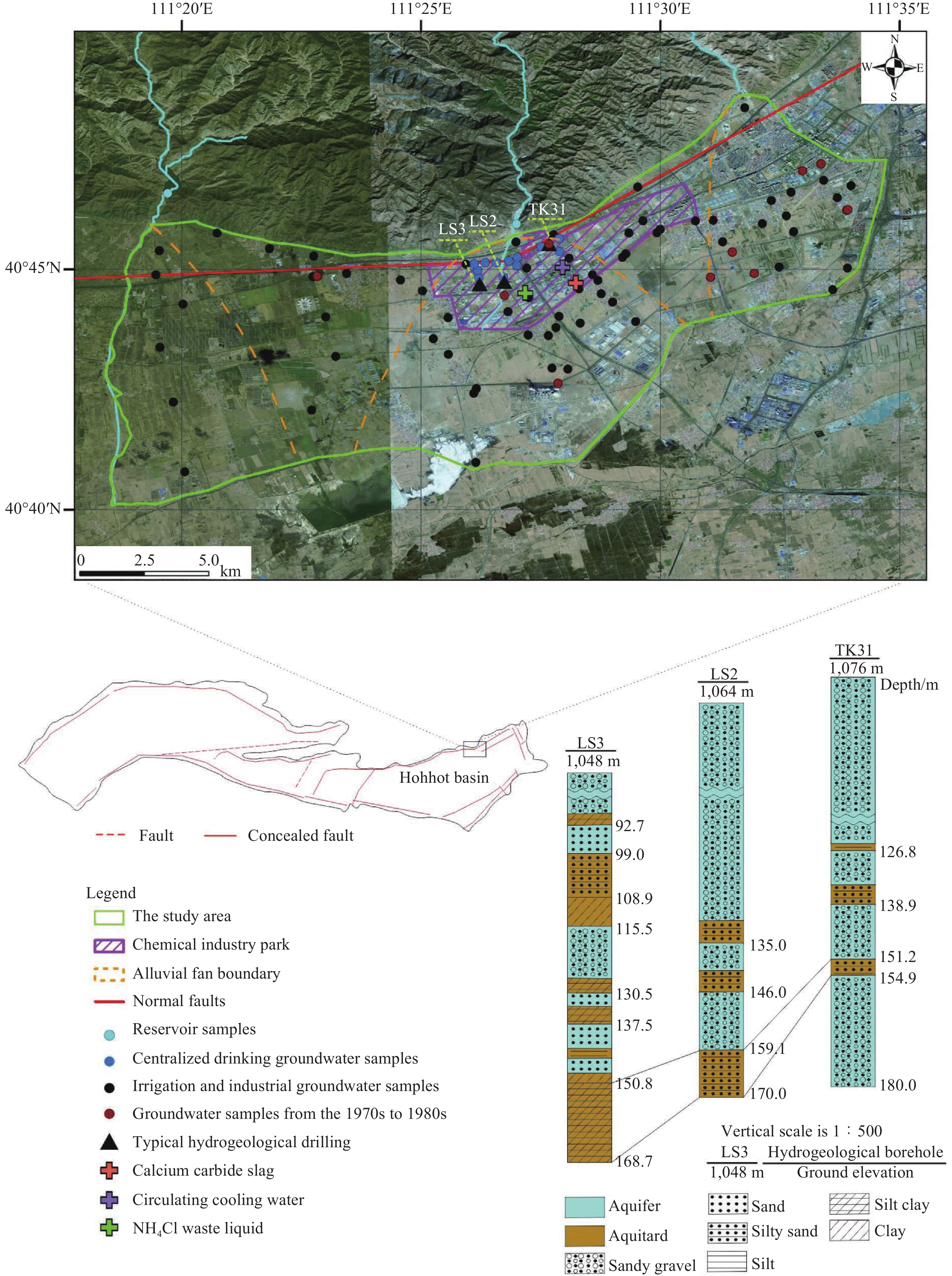
Figure 1. The geographic position and fault structure diagram (lower left) of the study area
Notes: The distributions of surface water and groundwater sampling sites, potential contamination sources, typical hydrogeological boreholes, and preindustrial groundwater samples (upper), and lithological structures of strata in typical hydrogeological boreholes (lower).

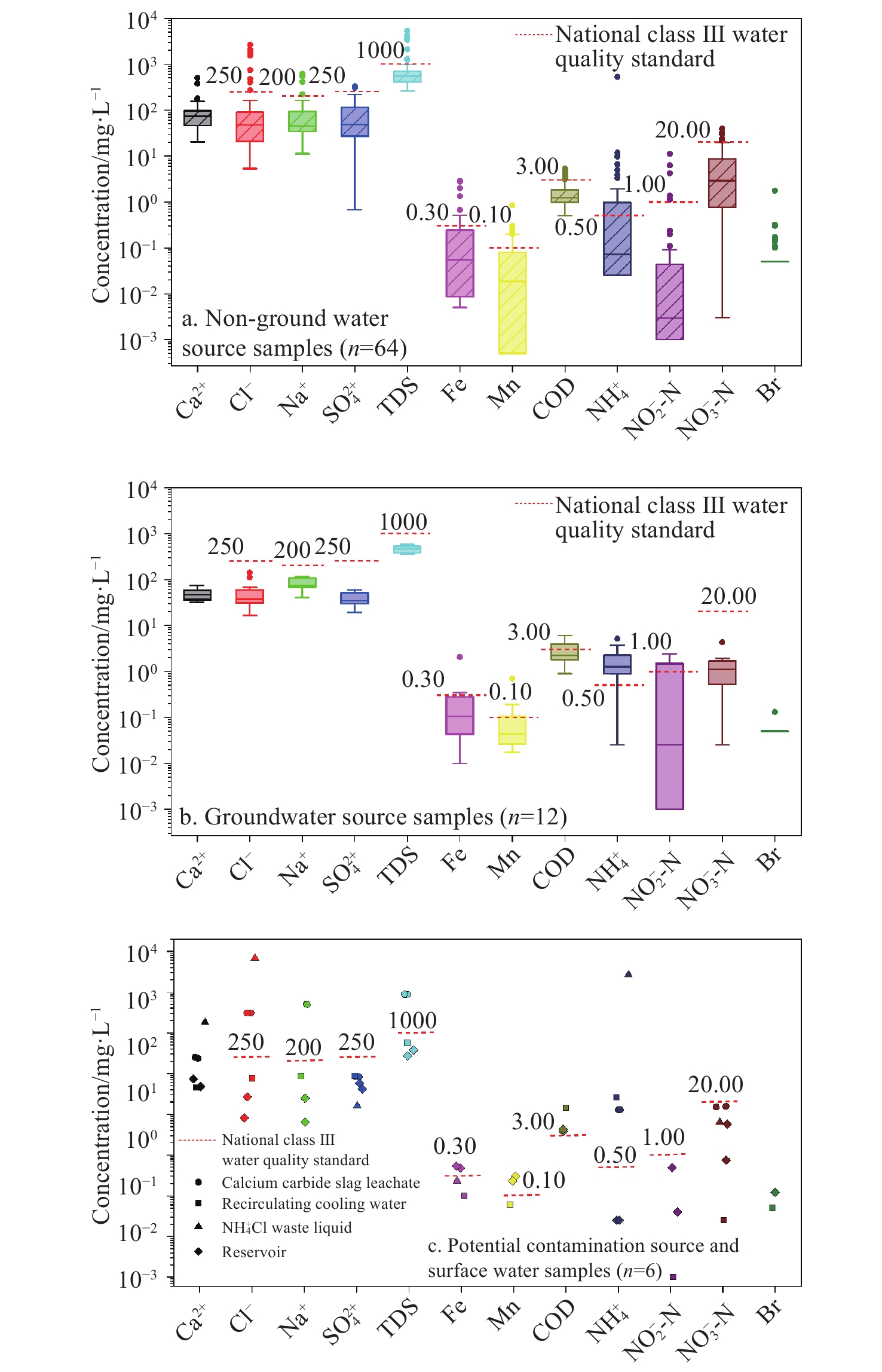
Figure 2. Box plots showing the distribution of general chemical parameters in groundwater, surface water, and potential pollution source samples, compared with the national Class III groundwater quality standards.

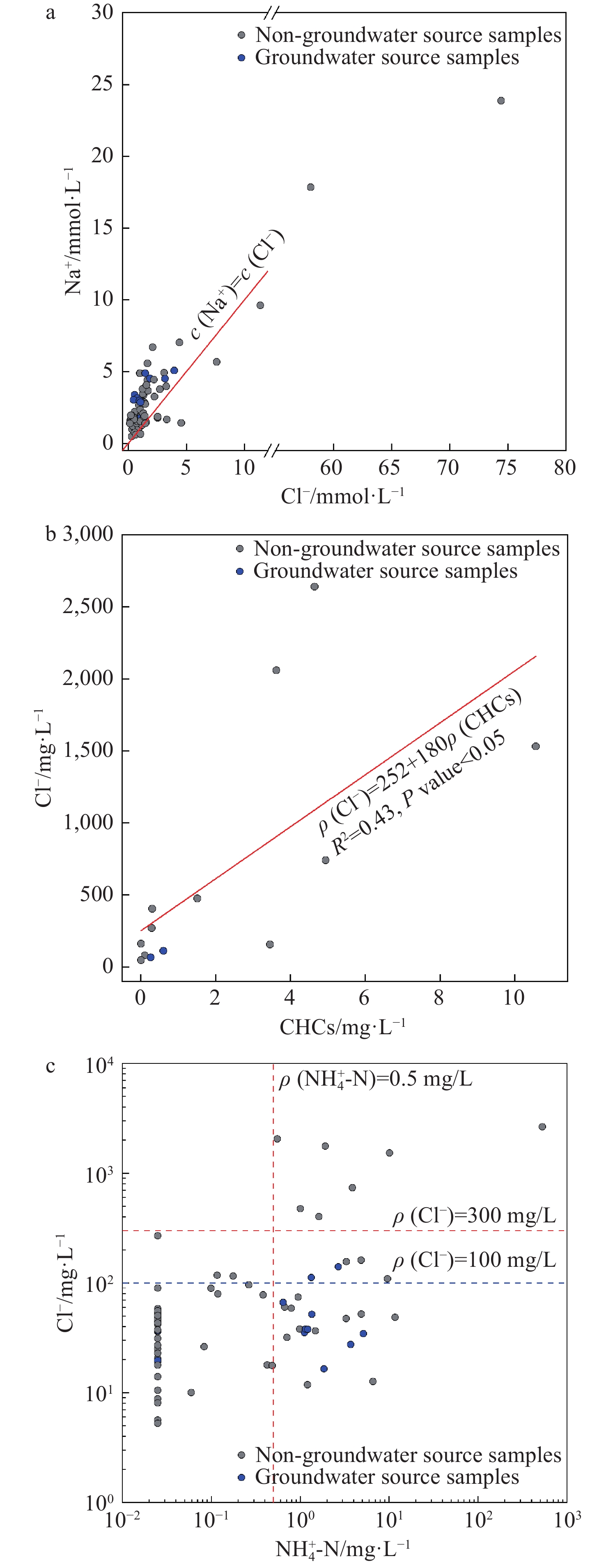
Figure 3. Relationships of Na+ vs. Cl− (a), Cl− vs. CHCs (b), and Cl− vs. NH4+-N (c) for the analysis of factors controlling groundwater chemistry.

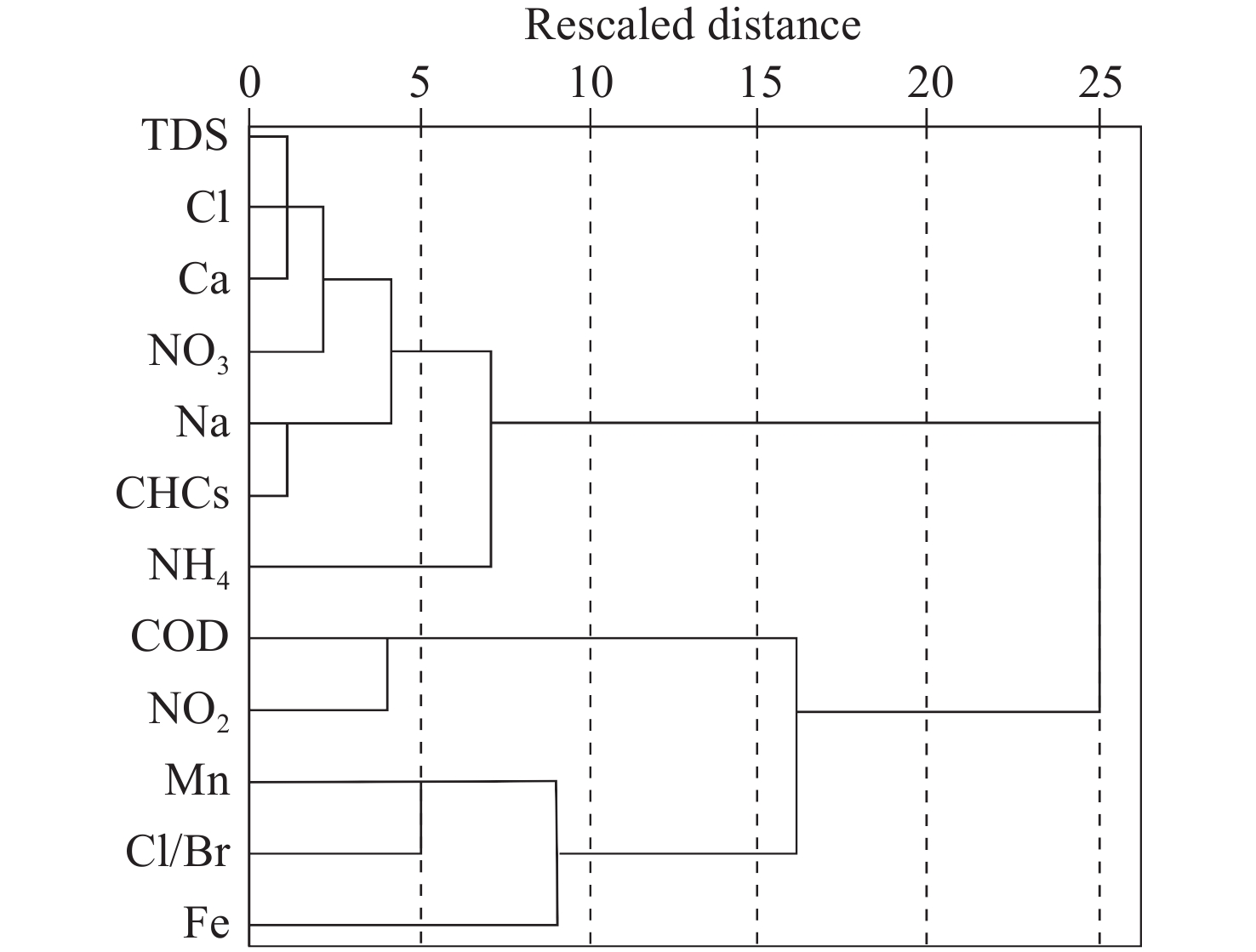
Figure 4. The HCA-derived dendrogram for NH4+ and other characteristic pollution indicators.

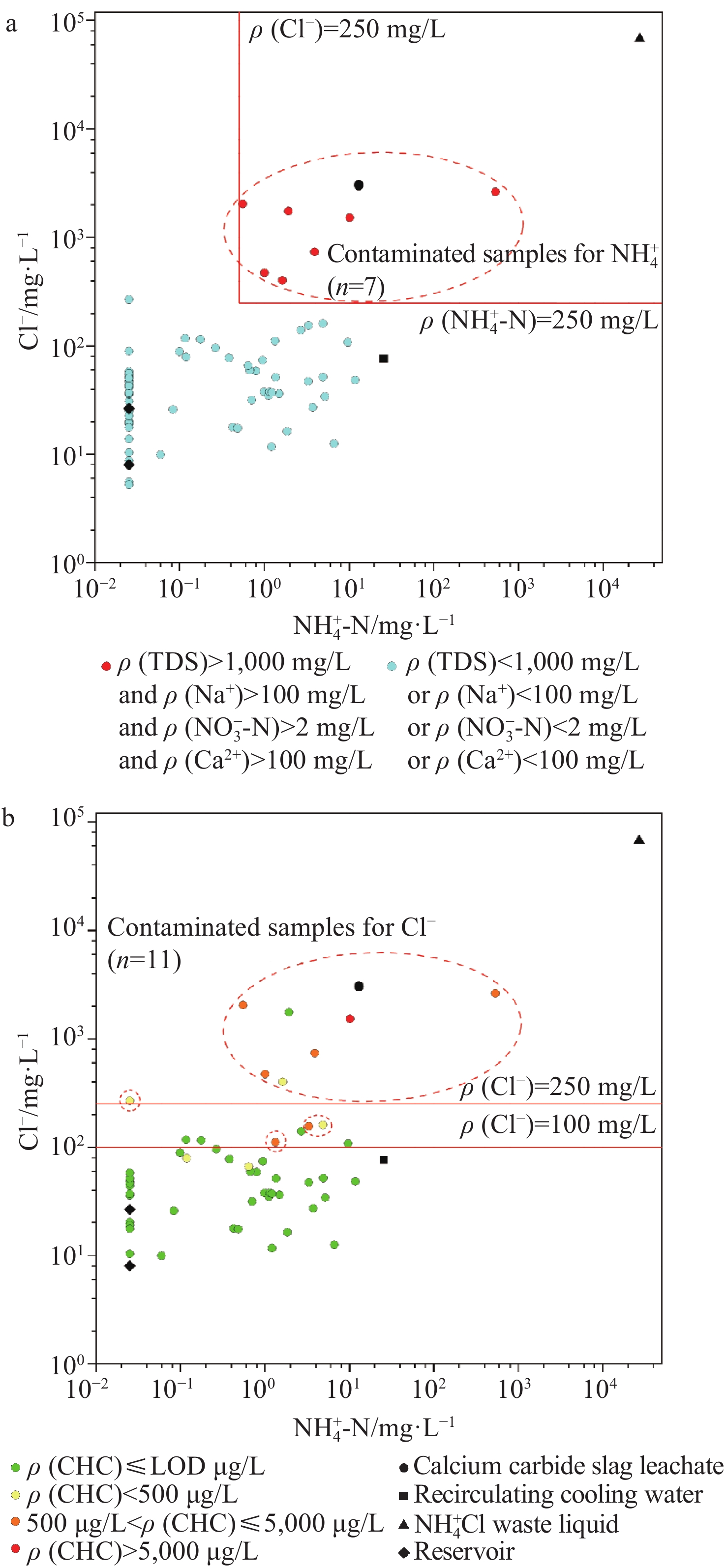
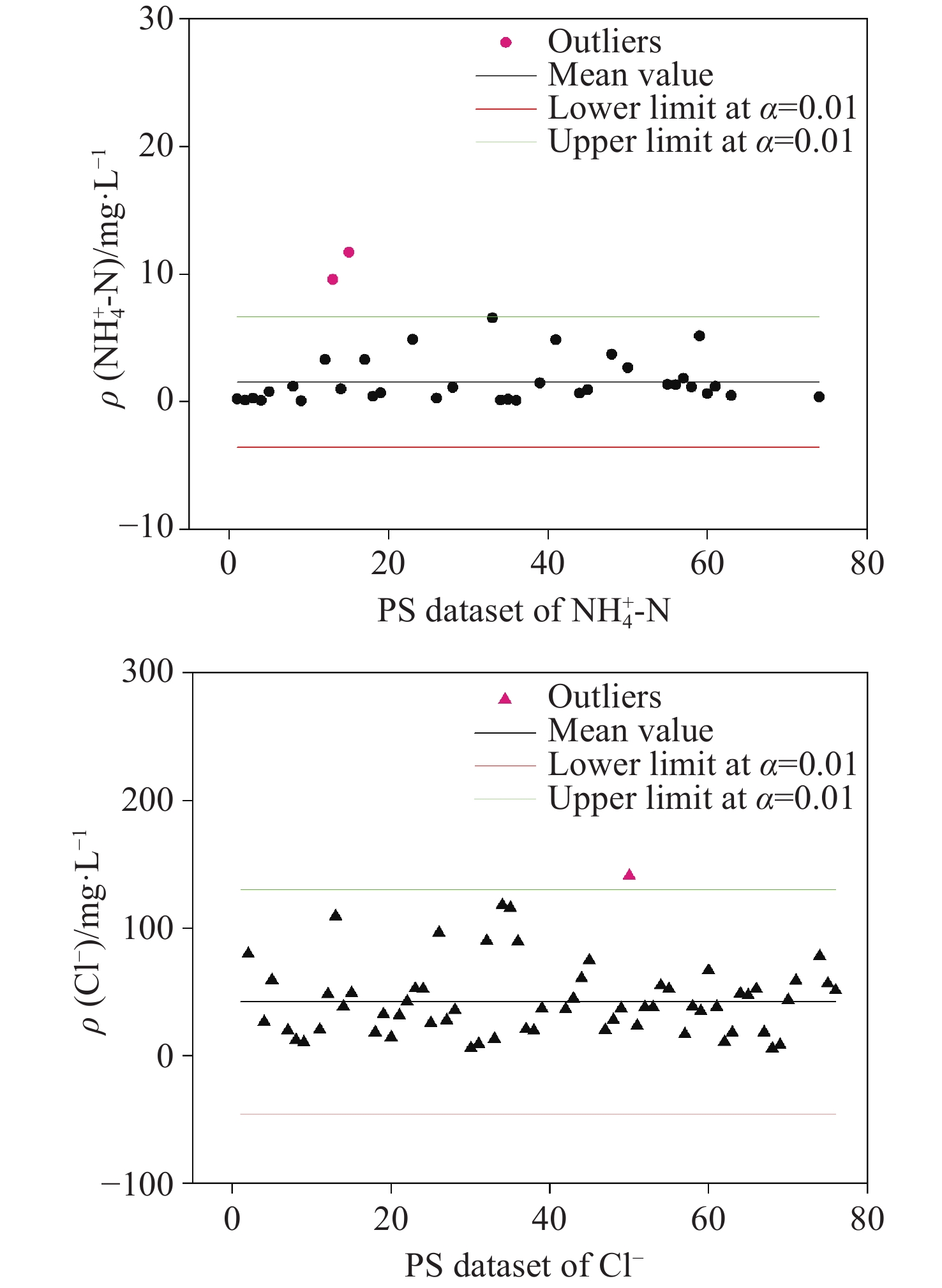
Figure 5. Diagrams showing the relationships between NH4+, Cl−, and other characteristic pollution indicators for uncontaminated surface water, potential contamination sources, and groundwater in the study area.
Notes:The red lines in the diagrams denote the determination threshold for contamination. For samples below the detection limit, the detection limit value was taken as their ammonia nitrogen concentrations for plotting.

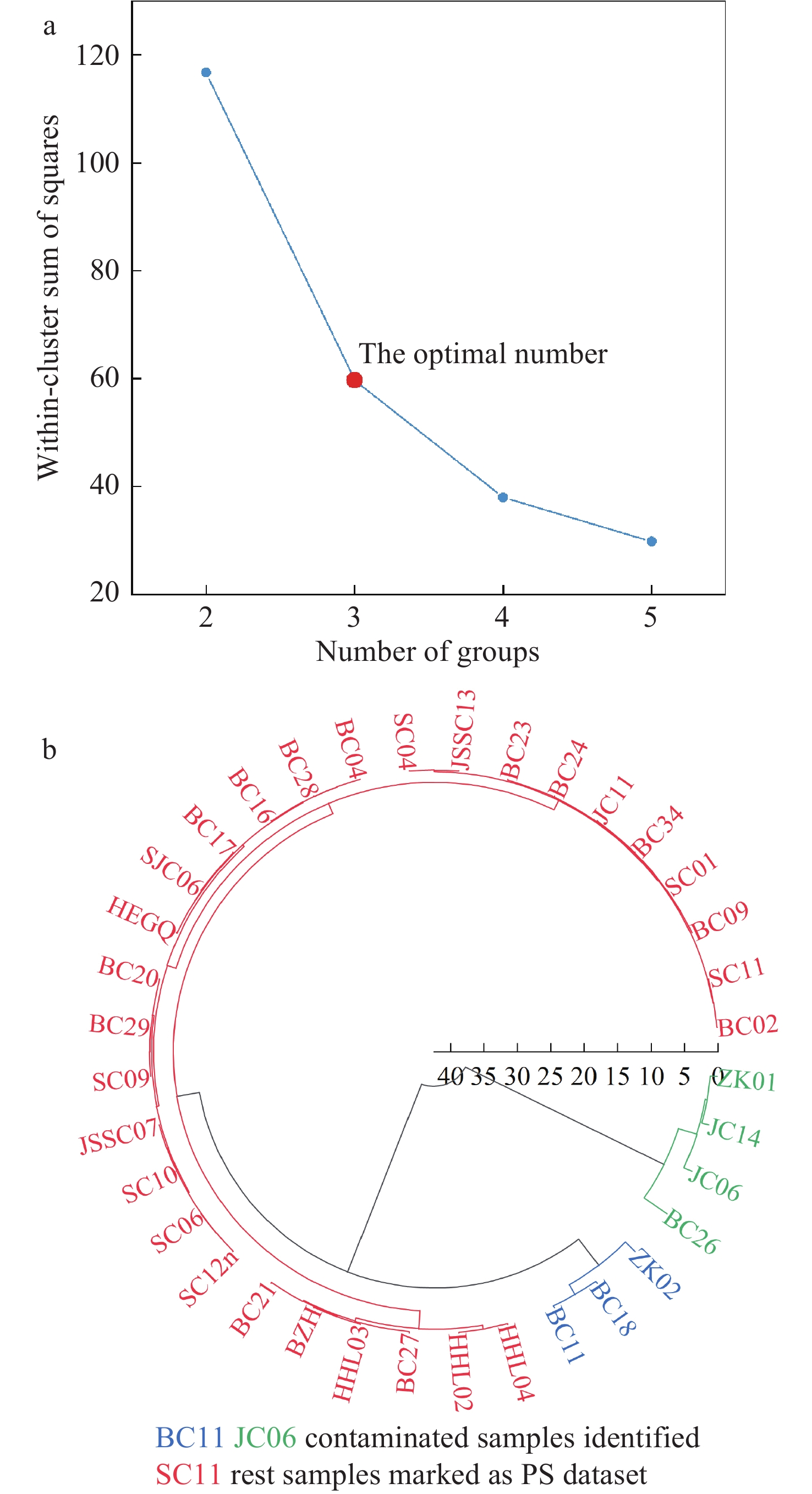
Figure 6. HCA of groundwater samples
Note: (a) shows the selection of the optimal number of clusters, and (b) presents the clustering results, validating the identified contaminated samples.

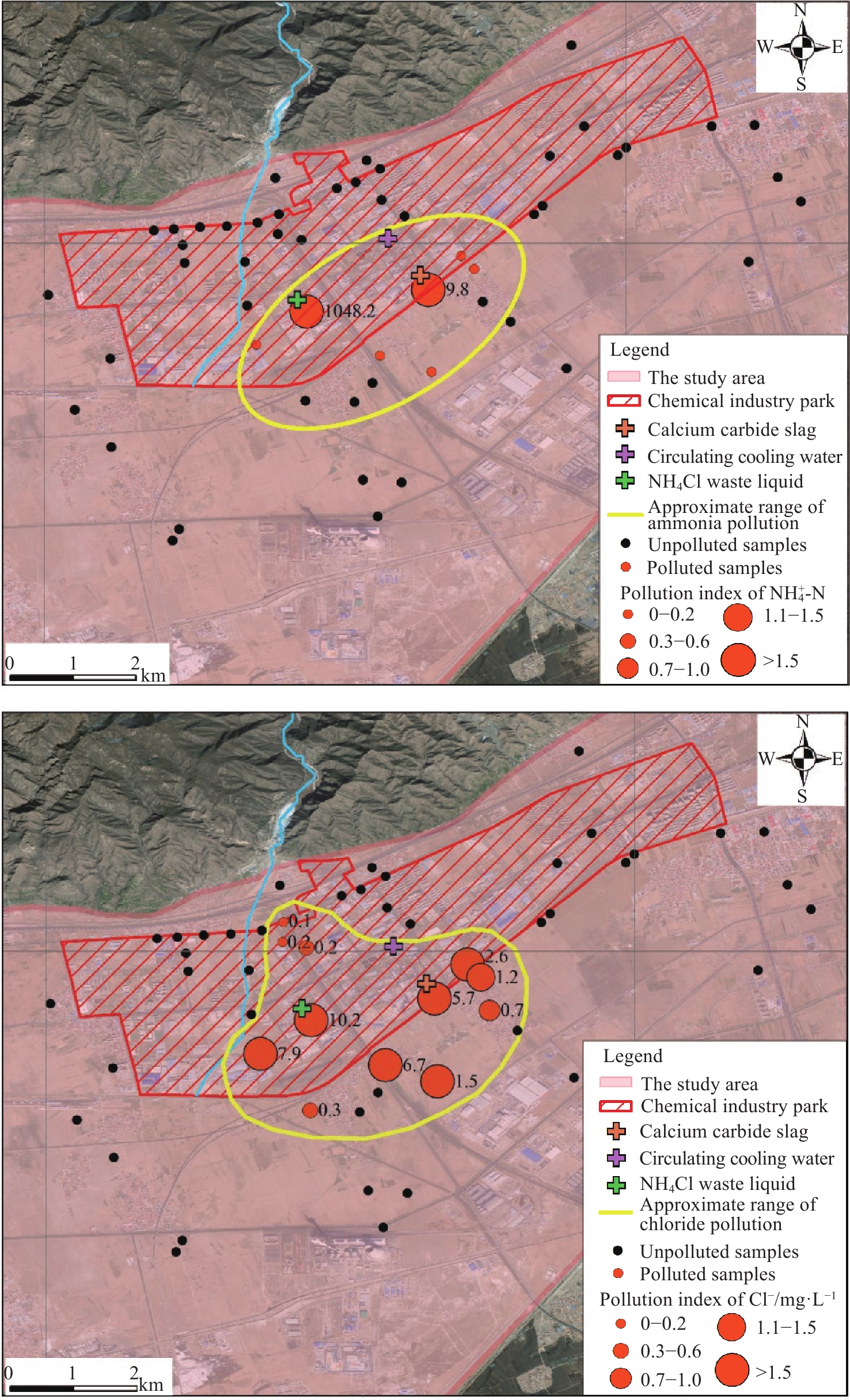
Figure 8. Distributions, pollution indices, and preliminarily delineated contaminated zones of NH4+-N- and Cl−-contaminated samples.
Table 1. PCA-derived factor profile as the extraction criterion.
Species PC 1 PC 2 PC 3 TDS 0.43 0.05 0.04 SO42− 0.33 −0.09 −0.08 Cl− 0.42 0.03 0.08 Na+ 0.39 0.17 −0.08 Ca2+ 0.39 −0.06 0.04 Fe 0.03 0.44 −0.48 Mn 0.09 0.38 −0.57 COD 0.00 0.61 0.36 NH4+-N 0.30 0.03 0.21 NO2−-N −0.08 0.47 0.49 NO3−-N 0.35 −0.19 0.10 Eigenvalue 5.37 1.81 1.51 Percentage of Variance 48.8% 16.5% 13.8%  下载: 导出CSV
Table 2. Statistical characteristics of NH4+-N and Cl− in groundwater of the study area based on the preindustrial, original, and NBLs datasets.
Statistics NH4+-N Cl− Original
datasetNBLs
datasetPreindustrial
datasetOriginal
datasetNBLs
datasetPreindustrial
datasetSample size 76 67 11 74 62 11 Max. (mg/L) 529.32 6.6 5.4 2641 118.0 75.9 Med. (mg/L) 0.2 0.06 0.05 43.8 37.3 20.6 Mean (mg/L) 8.2 0.8 0.96 176.4 41.9 28.1 St. Dev. (mg/L) 60.6 1.4 1.89 462.3 27.4 23.8 Skewness 8.7 2.4 2 4.0 1 1.7 Kurtosis 75.8 5.4 2.9 16.2 0.8 1.5 One-sample t-test (P value) <0.001 0.79 / <0.001 0.08 /
下载: 导出CSV
-
Ahmadi S, Jahanshahi R, Moeini V, et al. 2018. Assessment of hydrochemistry and heavy metals pollution in the groundwater of Ardestan mineral exploration area, Iran. Environmental Earth Sciences, 77: 1−13. DOI: 10.1007/s12665-018-7393-7. Allia Z, Lalaoui M. 2024. Formation mechanism of hydrochemical and quality evaluation of shallow groundwater in the Upper Kebir sub-basin, Northeast Algeria. Journal of Groundwater Science and Engineering, 12(1): 78−91. DOI: 10.26599/JGSE.2024.9280007. Analytical Methods Committee AN. 2015. Using the Grubbs and Cochran tests to identify outliers. Analytical Methods, 7(19): 7795−7948. DOI: 10.1039/c5ay90053k. Belkhiri L, Mouni L, Boudoukha A. 2012. Geochemical evolution of groundwater in an alluvial aquifer: Case of El Eulma aquifer, East Algeria. Journal of African Earth Sciences, 66-67: 46−55. DOI: 10.1016/j.jafrearsci.2012.03.001. Berg M, Tran HC, Nguyen TC, et al. 2001. Arsenic contamination of groundwater and drinking water in vietnam: A human health threat. Environmental Science and Technology, 35(13): 2621−2626. DOI: 10.1021/es010027y. Bi P, Huang GX, Liu CY, et al. 2022. Geochemical factors controlling natural background levels of phosphate in various groundwater units in a large-scale urbanized area. Journal of Hydrology, 608: 127594. DOI: 10.1016/j.jhydrol.2022.127594. Biddau R, Cidu R, Lorrai M, et al. 2017. Assessing background values of chloride, sulfate and fluoride in groundwater: A geochemical-statistical approach at a regional scale. Jounal of Geochemical Exploration, 181: 243−255. DOI: 10.1016/j.gexplo.2017.08.002. Böhlke JK, Smith RL, Miller DN. 2006. Ammonium transport and reaction in contaminated groundwater: Application of isotope tracers and isotope fractionation studies. Water Resources Research, 42: W05411. DOI: 10.1029/2005WR004349. Bondu R, Humez P, Mayer B, et al. 2022. Estimating natural background concentrations for dissolved constituents in groundwater: A methodological review and case studies for geogenic fluoride. Journal of Geochemical Exploration, 233: 106906. DOI: 10.1016/j.gexplo.2021.106906. Bulut OF, Duru B, Cakmak O, et al. 2020. Determination of groundwater threshold values: A methodological approach. Journal of Cleaner Production, 253: 120001. DOI: 10.1016/j.jclepro.2020.120001. Chen K, Liu QM, Peng WH, et al. 2022. Source apportionment and natural background levels of major ions in shallow groundwater using multivariate statistical method: A case study in Huaibei Plain, China. Journal of Environmental Management, 301: 113806. DOI: 10.1016/j.jenvman.2021.113806. Dalla LN, Fabbri P, Mason L, et al. 2017. Geostatistics as a tool to improve the natural background level definition: An application in groundwater. Science of the Total Environment, 598: 330−340. DOI: 10.1016/j.scitotenv.2017.04.018. Davis SN, Whittemore DO, Fabryka-Martin J. 1998. Uses of chloride/bromide ratios in studies of potable water. Ground water, 36(2): 338−350. DOI: 10.1111/j.1745-6584.1998.tb01099.x. De Caro M, Crosta GB, Frattini P. 2017. Hydrogeochemical characterization and natural background levels in urbanized areas: Milan metropolitan area (northern Italy). Journal of Hydrology, 547: 455−473. DOI: 10.1016/j.jhydrol.2017.02.025. Domenico, PA, Schwartz FW. 1998. Physical and chemical hydrogeology, second edition. John Wiley & Sons, Inc, New York. Dong S, Liu B, Chen Y, et al. 2022. Hydro-geochemical control of high arsenic and fluoride groundwater in arid and semi-arid areas: A case study of Tumochuan Plain, China. Chemosphere. 301: 134657. DOI: 10.1016/j.chemosphere.2022.134657. Du Y, Ma T, Deng Y, et al. 2017. Sources and fate of high levels of ammonium in surface water and shallow groundwater of the Jianghan plain, Central China. Environmental Science: Process Impacts, 19(2): 161−172. DOI: 10.1039/c6em00531d. Ducci D, de Melo M, Preziosi E, et al. 2016. Combining natural background levels (NBLs) assessment with indicator kriging analysis to improve groundwater quality data interpretation and management. Science of the Total Environment, 569-570: 569−584. DOI: 10.1016/j.scitotenv.2016.06.184. European Community. 2006. Groundwater directive 2006/118/CE. Directive of the European Parliament and of the Council on the Protection of Groundwater Against Pollution and Deterioration, OJ L372, 27/12/2006, 19–31. Gao Y, Qian H, Huo C, et al. 2020. Assessing natural background levels in shallow groundwater in a large semiarid drainage basin. Journal of Hydrology, 584: 124638. DOI: 10.1016/j.jhydrol.2020.124638. General Administration of Quality Supervision (GAQS). 2017. Inspection and Quarantine of the People's Republic of China (IQPRC). Standard for groundwater quality. GB/T 14848-2017, ICS: 13.060, Z: 50. Glessner JJG, Roy WR. 2009. Paleosols in central illinois as potential sources of ammonium in groundwater. Ground water Monitoring and Remediation, 29(4): 56−64. DOI: 10.1111/j.1745-6592.2009.01257.x. Guo GX, Xin BD, Liu WC, et al. 2010. Review on the study of the environment background values of groundwater in China. Hydrogeology and Engineering Geology, 37(2): 95−98. (in Chinese) DOI: 10.3969/j.issn.1000-3665.2010.02.021. He BN, He JT, Sun JC, et al. 2022. Comprehensive evaluation of regional groundwater pollution: Research status and suggestions. Earth Science Frontiers, 29(3): 51−63. (in Chinese) DOI: 10.13745/j.esf.sf.2022.1.29. Hinkle SR, Bohlke JK, Duff JH, et al. 2007. Aquifer-scale controls on the distribution of nitrate and ammonium in ground water near La Pine, Oregon, USA. Journal of Hydrology, 333(2-4): 486−503. DOI: 10.1016/j.jhydrol.2006.09.013. Hinsby K, Condesso DMM, Dahl M. 2008. European case studies supporting the derivation of natural background levels and groundwater threshold values for the protection of dependent ecosystems and human health. Science of the Total Environment, 401: 1−20. DOI: 10.1016/j.scitotenv.2008.03.018. Huang GX, Pei LX, Li LP, et al. 2022. Natural background levels in groundwater in the Pearl River Delta after the rapid expansion of urbanization: A new pre-selection method. Science of the Total Environment, 813: 151890. DOI: 10.1016/j.scitotenv.2021.151890. Jiao JJ, Wang Y, Cherry JA, et al. 2010. Abnormally high ammonium of natural origin in a coastal aquifer-aquitard system in the Pearl River Delta, China. Environmental Science and Technology, 44(19): 7470−7475. DOI: 10.1021/es1021697. Katz BG, Eberts SM, Kauffman LJ. 2011. Using Cl/Br ratios and other indicators to assess potential impacts on groundwater quality from septic systems: A review and examples from principal aquifers in the united states. Journal of Hydrology, 397(3): 151−166. DOI: 10.1016/j.jhydrol.2010.11.017. Khadra WM, Elias AR, Majdalani MA. 2022. A systematic approach to derive natural background levels in groundwater: Application to an aquifer in North Lebanon perturbed by various pollution sources. Science of the Total Environment, 847: 157586. DOI: 10.1016/j.scitotenv.2022.157586. Lan FN, Zhao Y, Li J, et al. 2024. Health risk assessment of heavy metal pollution in groundwater of a karst basin, SW China. Journal of Groundwater Science and Engineering, 12(1): 49−61. DOI: 10.26599/JGSE.2024.9280005. Li J, Heap AD. 2014. Spatial interpolation methods applied in the environmental sciences: A review. Environmental Modelling and Software, 53: 173−189. DOI: 10.1016/j.envsoft.2013.12.008. Li XY, Zhang YL, Wang LJ, et al. 2020. Study on groundwater environmental background values in Hetao Basin. Journal of Arid Land Resources and Environment, 34(3): 180−187. (in Chinese) DOI: 10.13448/j.cnki.jalre.2020.83. Lin XY, Chen MX, Wang ZX, et al. 2000. Research on groundwater resources and sustainable development in Songnen basin. Seismological Press, Beijing. Linhoff B. 2022. Deciphering natural and anthropogenic nitrate and recharge sources in arid region groundwater. Science of the Total Environment, 848: 157345. DOI: 10.1016/j.scitotenv.2022.157345. Liu JY, Yuan JL, Zhang YL, et al. 2023. Identification of ammonium source for groundwater in the piedmont zone with strong runoff of the Hohhot Basin based on nitrogen isotope. Science of the Total Environment, 882: 163650. DOI: 10.1016/j.scitotenv.2023.163650. Lu L, Li W, Cheng Y, et al. 2023. Chemical recycling technologies for PVC waste and PVC-containing plastic waste: A review. Waste Management, 166: 245−258. DOI: 10.1016/j.wasman.2023.05.012. Magaritz M, Nadler A, Koyumdjisky H, et al. 1981. The use of Na/Cl ratios to trace solute sources in a semiarid zone. Water Resources Research, 17: 602−608. DOI: 10.1029/wr017i003p00602. Mastrocicco M, Giambastiani B, Colombani N. 2013. Ammonium occurrence in a salinized lowland coastal aquifer (Ferrara, Italy). Hydrological Process, 27(24): 3495−3501. DOI: 10.1002/hyp.9467. Ministry of Ecological Environment of China (MEEC). 2021. Technical plan for investigation and evaluation of groundwater environment in chemical industrial parks. Ministry of Ecological Environment of China, Beijing. (in Chinese) Molinari A, Guadagnini L, Marcaccio M, et al. 2012. Natural background levels and threshold values of chemical species in three large-scale groundwater bodies in northern Italy. Science of the Total Environmental, 425(15): 9−19. DOI: 10.1016/j.scitotenv.2012.03.015. Molinari A, Guadagnini L, Marcaccio M, et al. 2019. Geostatistical multimodel approach for the assessment of the spatial distribution of natural background concentrations in large-scale groundwater bodies. Water Research, 149: 522−532. DOI: 10.1016/j.watres.2018.09.049. Mooshammer M, Wanek W, Hammerle I, et al. 2014. Adjustment of microbial nitrogen use efficiency to carbon: Nitrogen imbalances regulates soil nitrogen cycling. Nature Communications, 5: 3694. DOI: 10.1038/ncomms4694. Nisi B, Buccianti A, Raco B, et al. 2016. Analysis of complex regional databases and their support in the identification of background/baseline compositional facies in groundwater investigation: Developments and application examples. Journal of Geochemical Exploration, 164: 3−17. DOI: 10.1016/j.gexplo.2015.06.019. Ortega-Guerrero A. 2003. Origin and geochemical evolution of groundwater in a closed-basin clayey aquitard, Northern Mexico. Journal of Hydrology, 284(1): 26−44. DOI: 10.1016/S0022-1694(03)00239-7. Panno SV, Hackley KC, Hwang HH, et al. 2006. Characterization and identification of Na-Cl sources in ground water. Ground Water, 44(2): 176−187. DOI: 10.1111/j.1745-6584.2005.00127.x. Panno SV, Kelly WR, Martinsek AT, et al. 2006. Estimating background and threshold nitrate concentrations using probability graphs. Ground Water, 44(5): 697−709. DOI: 10.1111/j.1745-6584.2006.00240.x. Parrone D, Ghergo S, Preziosi E. 2019. A multi-method approach for the assessment of natural background levels in groundwater. Science of the Total Environment, 659: 884−894. DOI: 10.1016/j.scitotenv.2018.12.350. Pastén-Zapata E, Ledesma-Ruiz R, Harter T, et al. 2014. Assessment of sources and fate of nitrate in shallow groundwater of an agricultural area by using a multi-tracer approach. Science of the Total Environment, 470-471: 855−864. DOI: 10.1016/j.scitotenv.2013.10.043. Reimann C, Garrett RG. 2005. Geochemical background—concept and reality. Science of the Total Environment, 350(1): 12−27. DOI: 10.1016/j.scitotenv.2005.01.047. Serianz L, Cerar S, Sraj M. 2020. Hydrogeochemical characterization and determination of natural background levels (NBLs) in groundwater within the main lithological units in slovenia. Environment Earth Science, 79(15): 373. DOI: 10.1007/s12665-020-09112-1. Shapiro SS, Wilk MB. 1965. An analysis of variance test for normality (complete samples). Biometrika, 52(3/4): 591−611. Wendland F, Berthold G, Blum A, et al. 2008. Derivation of natural background levels and threshold values for groundwater bodies in the Upper Rhine Valley (France, Switzerland and Germany). Desalination, 226: 160−168. DOI: 10.1016/j.desal.2007.01.240. Xiao J, Zhang F, Jin ZD. 2016. Spatial characteristics and controlling factors of chemical weathering of loess in the dry season in the middle Loess Plateau, China. Hydrological Process, 30: 4855−4869. (in Chinese) DOI: 10.1002/hyp.10959. Xiong Y, Du Y, Deng Y, et al. 2022. Feammox in alluvial-lacustrine aquifer system: Nitrogen/iron isotopic and biogeochemical evidences. Water Research, 222: 118867. DOI: 10.1016/j.watres.2022.118867. Zanotti C, Caschetto M, Bonomi T, et al. 2022. Linking local natural background levels in groundwater to their generating hydrogeochemical processes in Quaternary alluvial aquifers. Science of the Total Environment, 805: 150259. DOI: 10.1016/j.scitotenv.2021.150259. Zhang ZP, Zhu YC, Hao QC, et al. 2017. A study on variation mechanism of groundwater flow system in the Hohhot basin and its resources effect analysis. Hydrogeology and Engineering Geology, 44(2): 63−68. (in Chinese) DOI: 10.16030/j.cnki.issn.1000-3665.2017.02.10. Zhang J, Mei N, Liu MH, et al. 2020. Low temperature ammonia nitrogen removal from an iron, manganese, and ammonia groundwater purification process with different concentrations of iron and manganese. Environmental Science, 41(6): 2727−2735. (in Chinese) DOI: 10.13227/j.hjkx.201912111. Zhou NQ, Liu KH, Guo MS, et al. 2025. Analysis of spatiotemporal evolution characteristics and driving factors of carbon storage in Dongting Lake Wetland, China. Journal of Groundwater Science and Engineering, 13(2): 156−169. DOI: 10.26599/JGSE.2025.9280046. -

 点击查看大图
计量
- 文章访问数: 4462
- HTML全文浏览量: 1867
- PDF下载量: 44
- 被引次数: 0


