 E-mail alert
 Rss
Rss



Release mechanisms of heavy metals during compaction of clayey sediments: Studies using simulation experiments
-
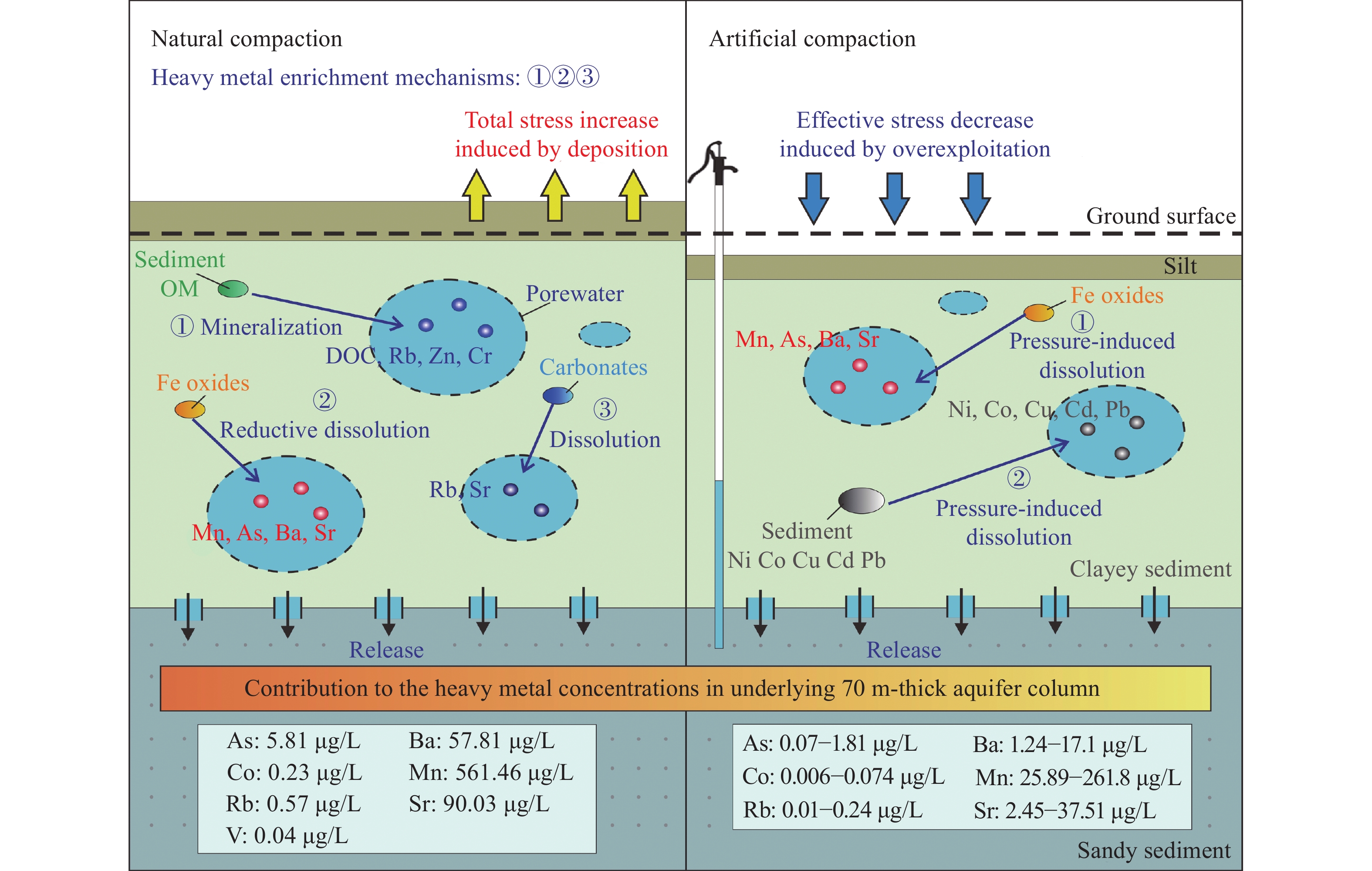
Abstract: Compaction-induced release of porewater containing elevated concentrations of heavy metals from clayey aquitards poses a potential risk to groundwater quality in adjacent aquifers. However, the enrichment mechanisms of heavy metals in clay porewater and their subsequent environmental impacts on groundwater systems remain inadequately elucidated. In this study, two sets of simulation experiments were conducted on clayey sediments collected from the Chen Lake wetland using a novel integrated compaction simulator, with continuous monitoring of sediment, porewater, and gas compositions. Under the natural compaction condition (0.02 MPa/h), porewater was continuously released with pressurization, accompanied by a redox transition from oxidative to reductive environments. The release of sediment As, Ba, Mn, and Sr into porewater was associated with the reductive dissolution of Fe(III) oxides, whereas Cr, Rb, and Zn were primarily released through OM mineralization. Furthermore, portions of Rb and Sr were bound to carbonates, with their concentrations in porewater increasing due to inorganic carbon dissolution. In the later compaction stages, reduced moisture content inhibited further heavy metal release. Under the artificial compaction condition (0.1 MPa/24h), heavy metal mobilization was predominantly driven by pressure-induced dissolution under enhanced water-rock interactions. Following each pressurization, sediment As, Ba, Mn, and Sr were released alongside Fe mineral dissolution. Although the concentrations of V, Ni, Co, Cu, Cd, and Pb in porewater remained relatively low, they exhibited marked increases in response to each pressurization during the later stages of the experiment. Quantitative assessments for the Chen Lake wetland indicate that natural compaction of clayey sediments (–20 m thick) elevated groundwater As, Ba, Co, Mn, Rb, Sr, and V concentrations in the underlying aquifer (–70 m thick) by 5.81 μg/L, 57.81 μg/L, 0.23 μg/L, 561.46 μg/L, 0.57 μg/L, 90.03 μg/L, and 0.04 μg/L, respectively. Under artificial compaction, the contributions of clayey sediments to groundwater As, Ba, Co, Mn, Rb, and Sr concentrations were estimated to range from 0.07 μg/L to 1.81 μg/L, 1.24 μg/L to 17.1 μg/L, 0.006 μg/L to 0.074 μg/L, 25.89 μg/L to 261.8 μg/L, 0.01 μg/L to 0.24 μg/L, and 2.45 μg/L to 37.51 μg/L, respectively, underscoring the significant influence of clayey sediment compaction on heavy metal enrichment in groundwater systems.
-
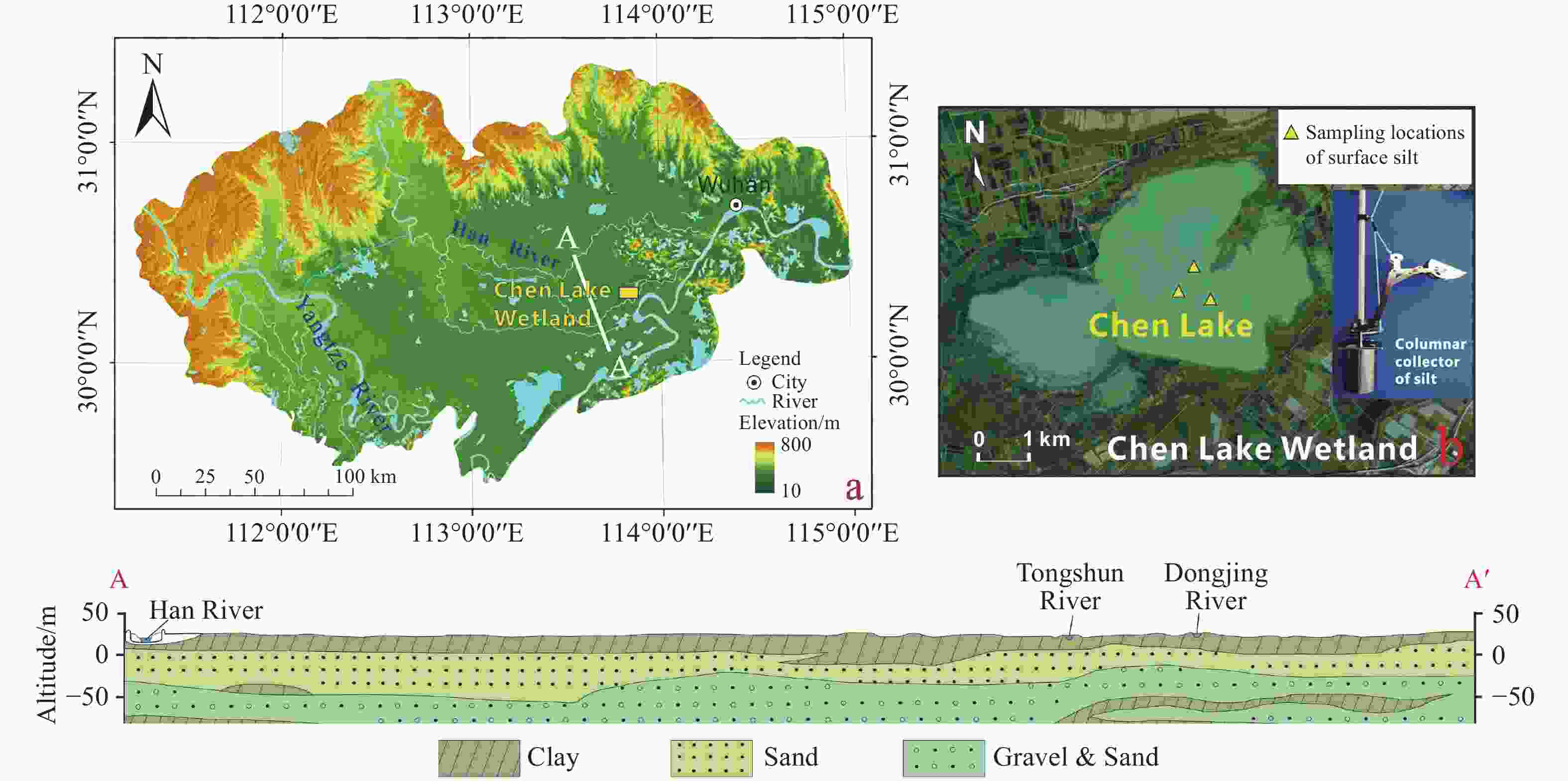
Figure 1. (a) Location of Chen Lake Wetland and typical geological profile of the JHP (adapted from Du et al., 2018b), (b) Sampling locations of surficial silt in Chen Lake Wetland
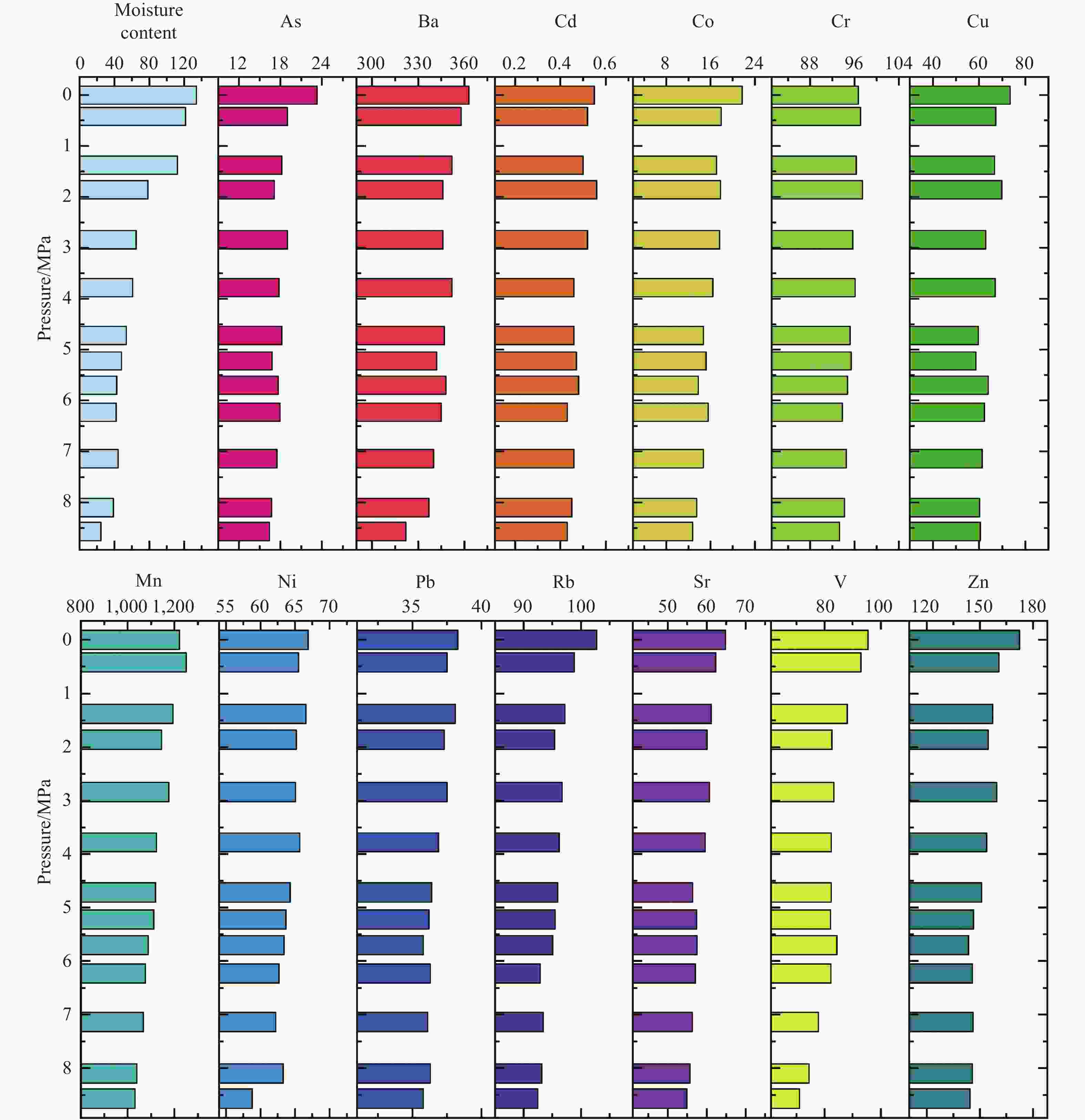
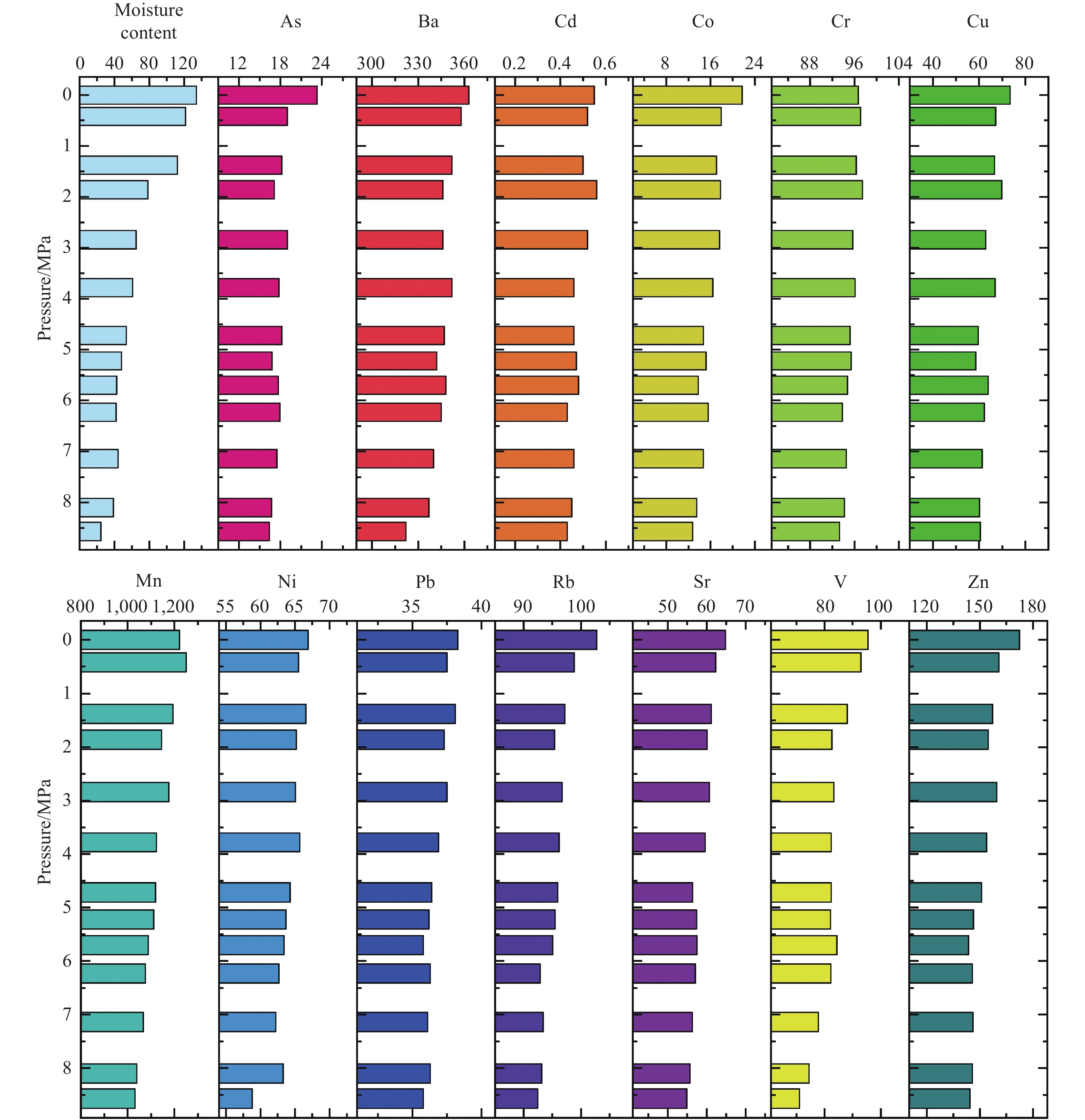
Figure 3. Sediment heavy metal contents (mg/kg) and moisture content (%) as a function of pressurization in Experiment A (0.02 MPa/h)
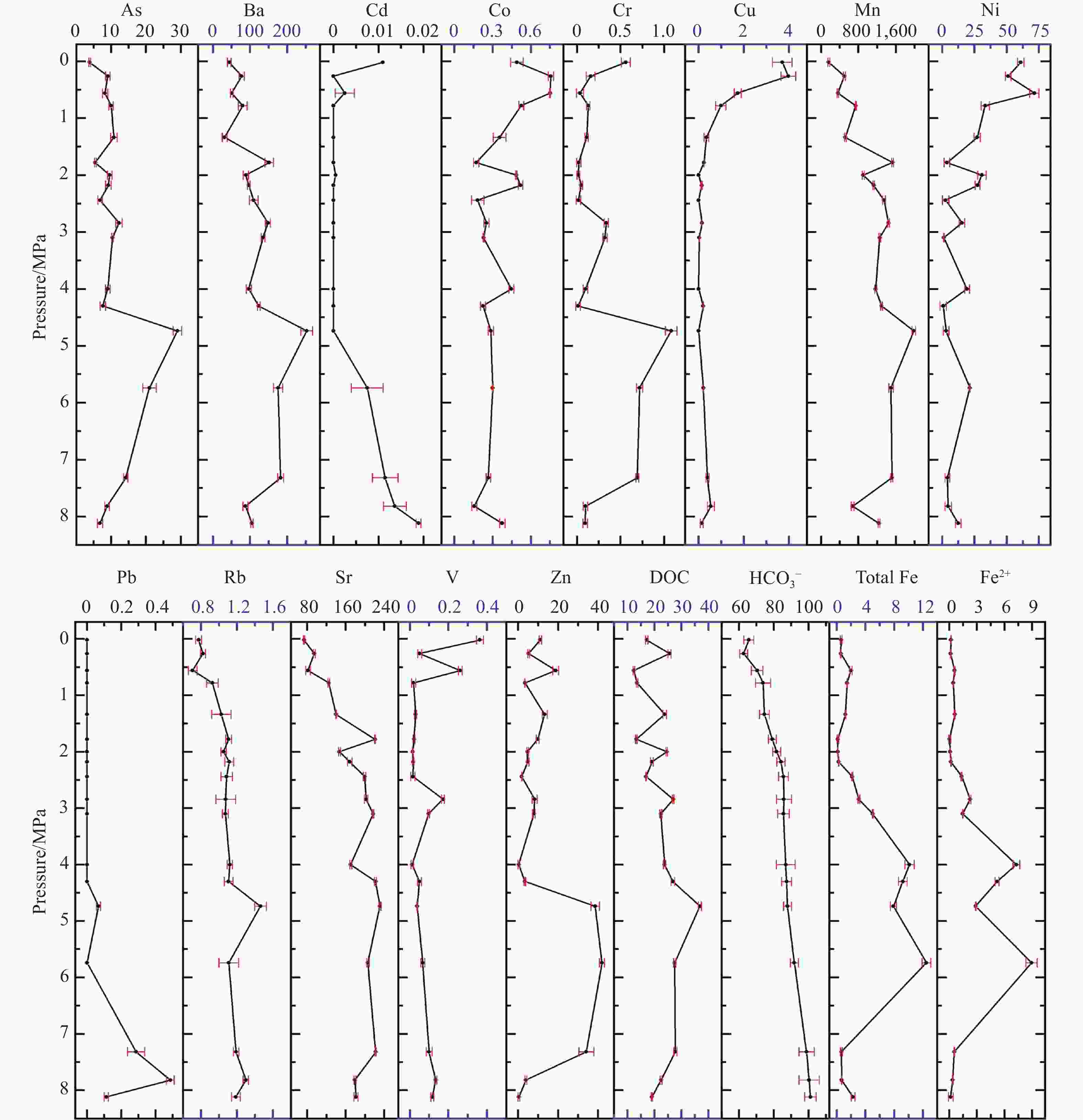
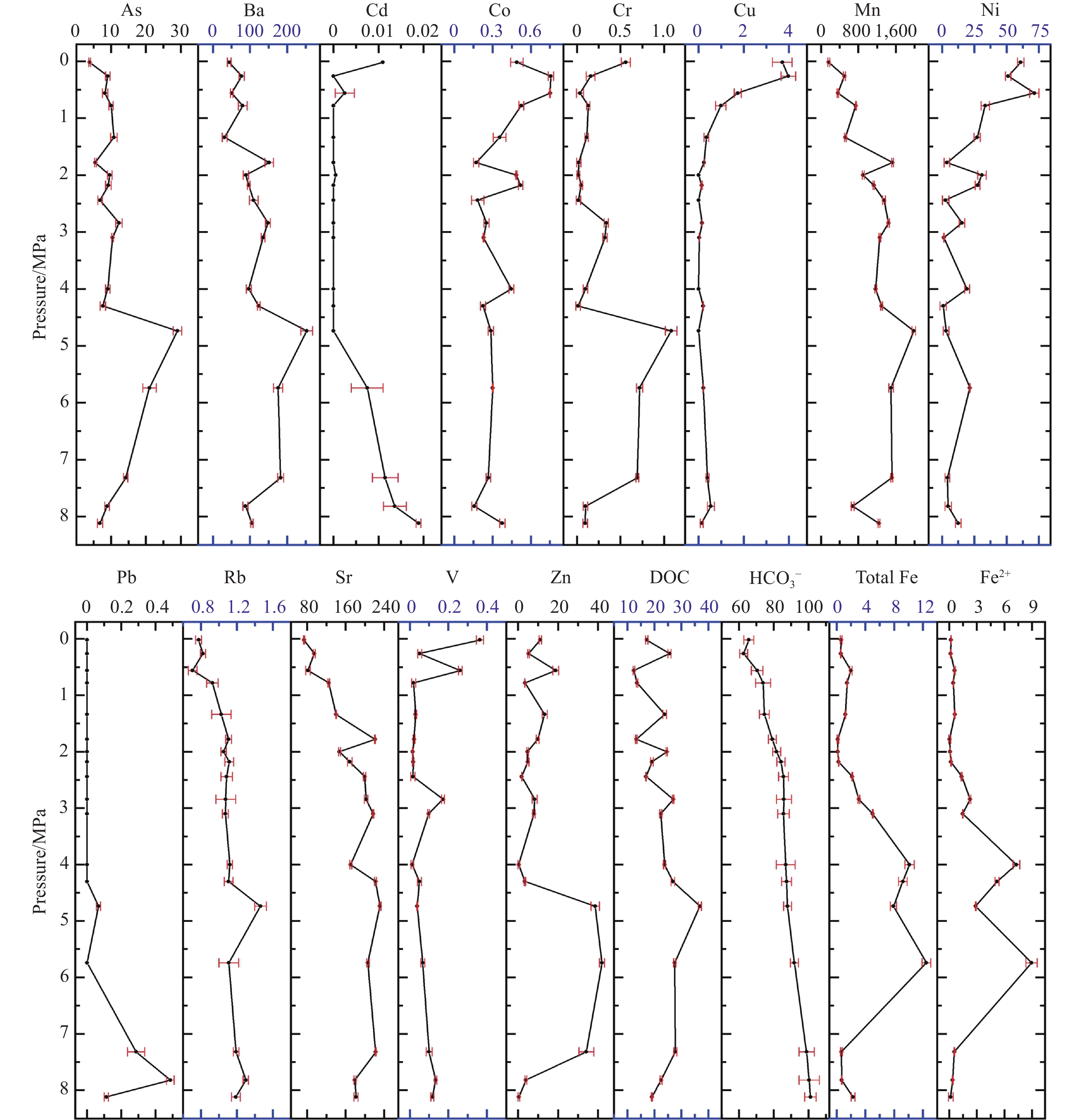
Figure 4. Variation of heavy metals, DOC, DIC, and Fe ion concentrations in the porewater as a function of pressurization in Experiment A
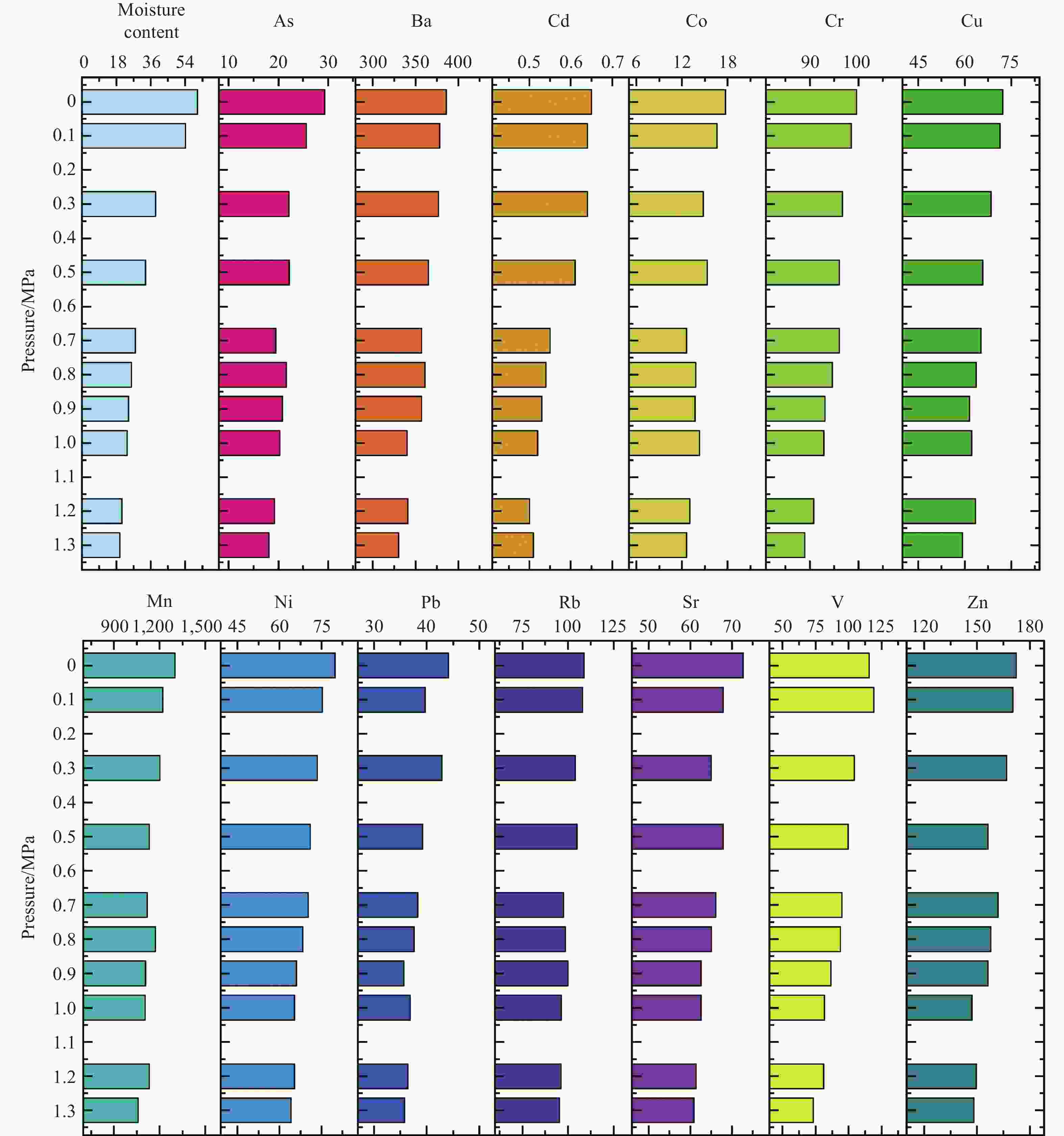
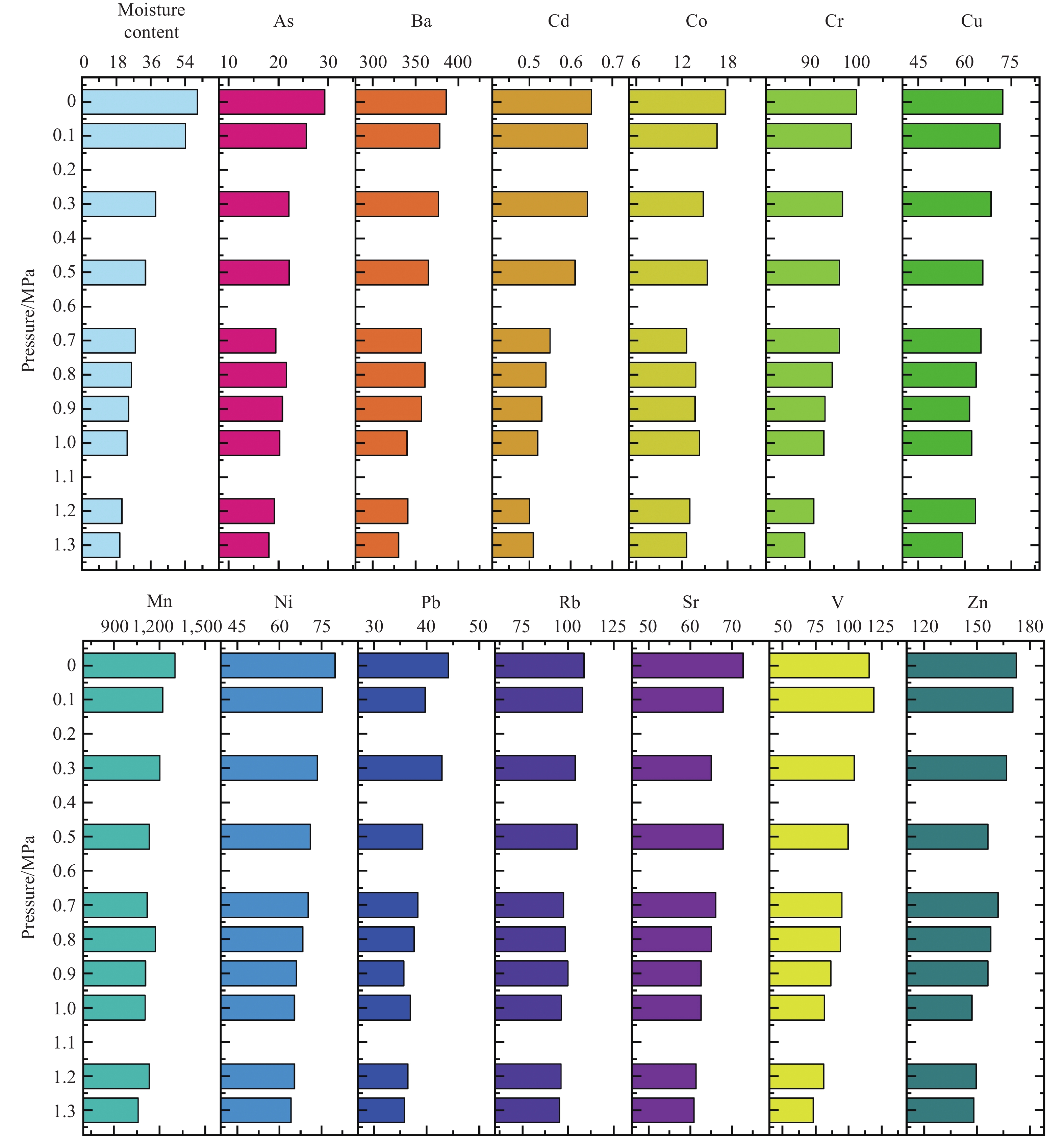
Figure 5. Sediment heavy metal contents (mg/kg) and moisture content (%) as a function of pressurization in Experiment B (0.1 MPa/24 h)
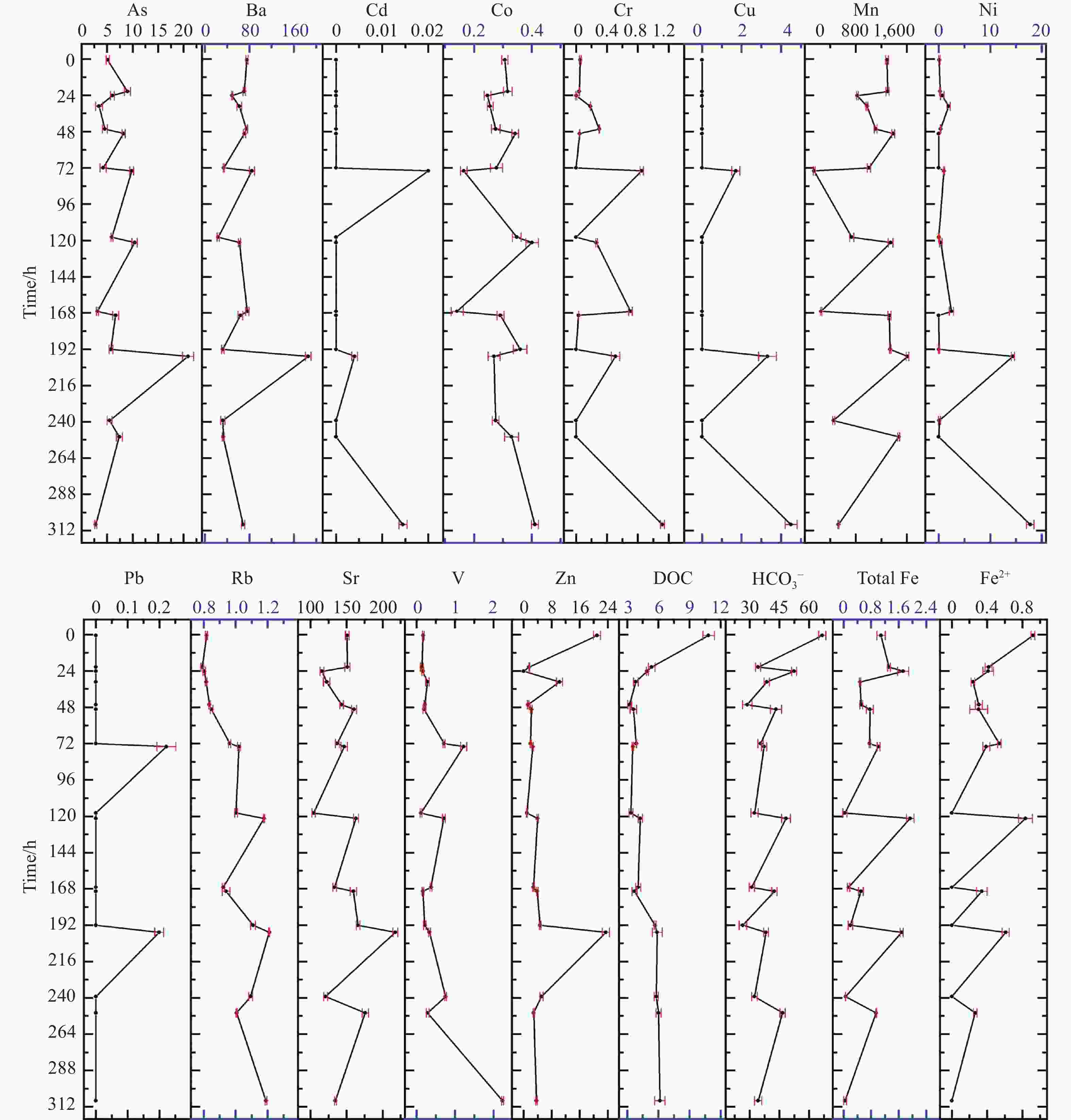
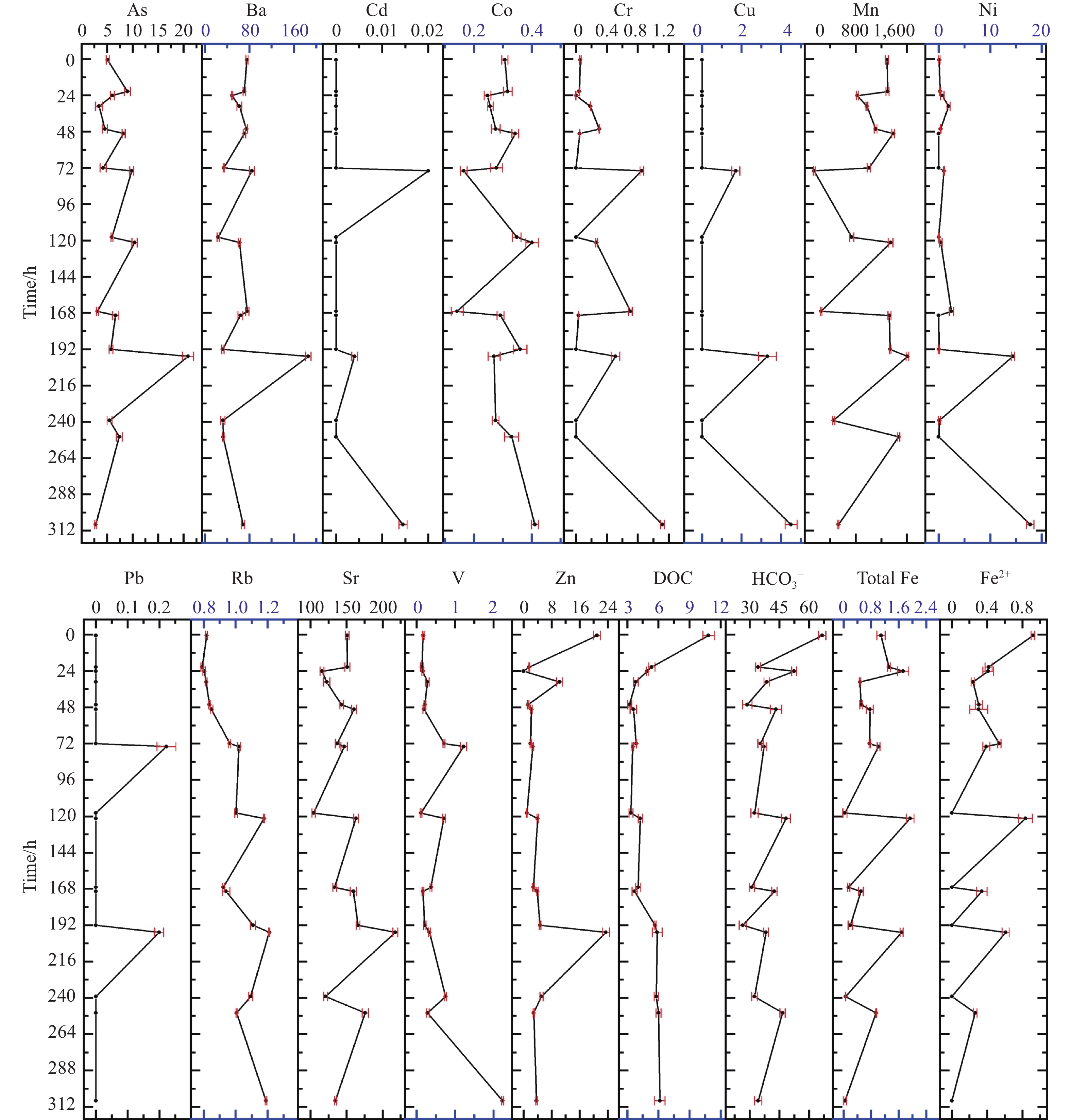
Figure 6. Variation of heavy metals, DOC, DIC, and Fe ion concentrations in the porewater as a function of pressurization in Experiment B
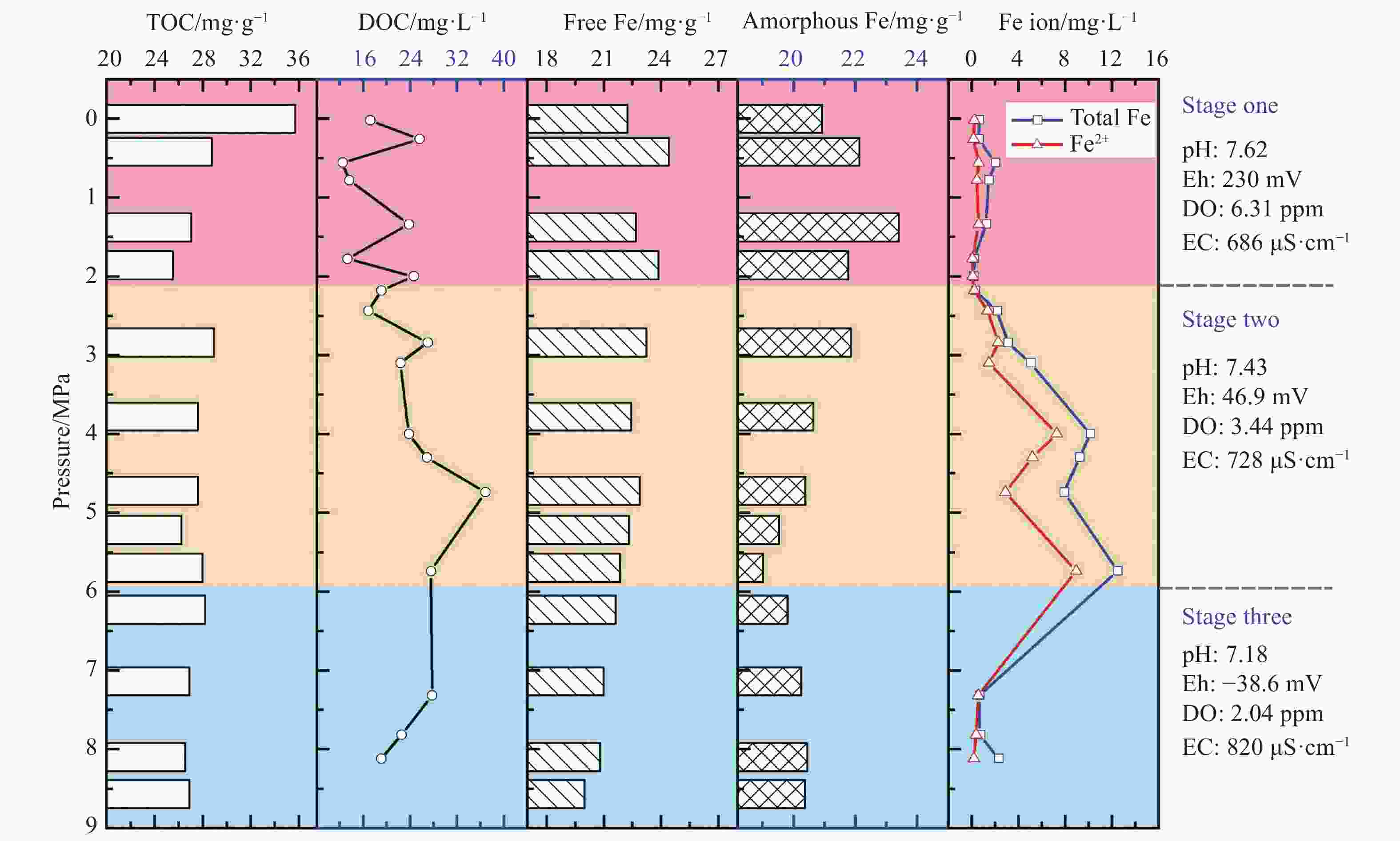
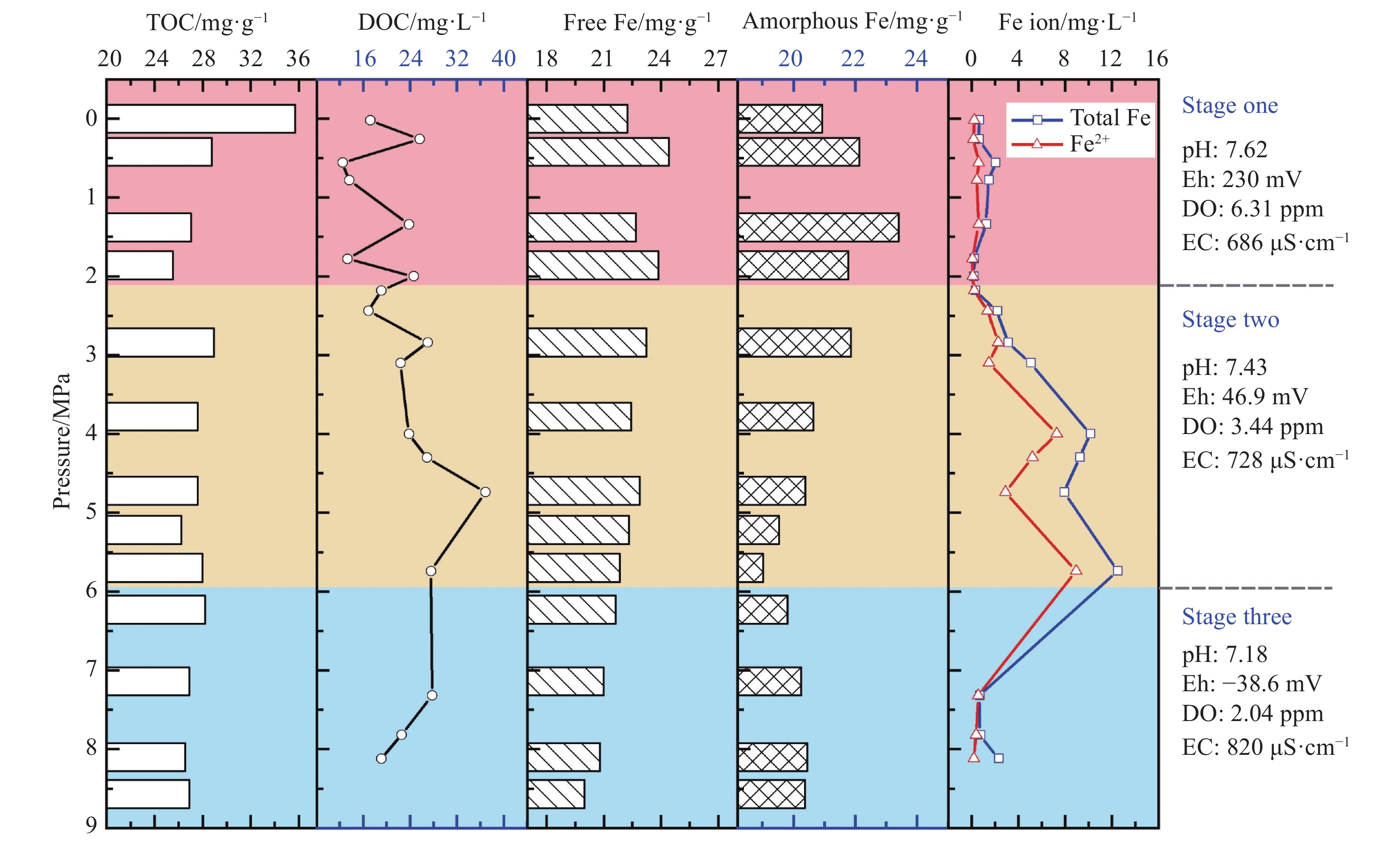
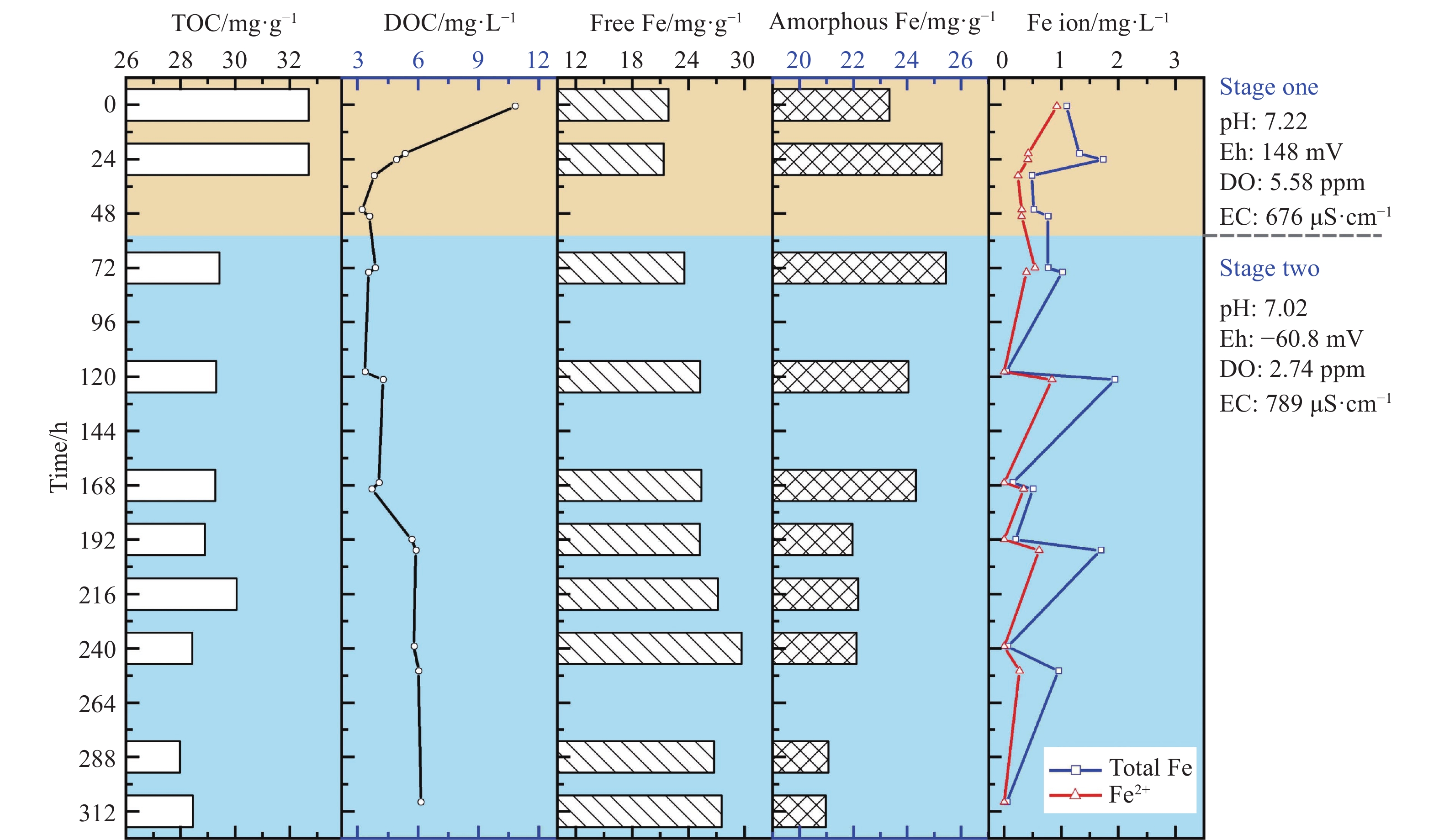
Figure 7. Variations of sediment TOC, Fe oxides contents, porewater DOC and Fe ion concentrations as a function of pressurization in Experiment A
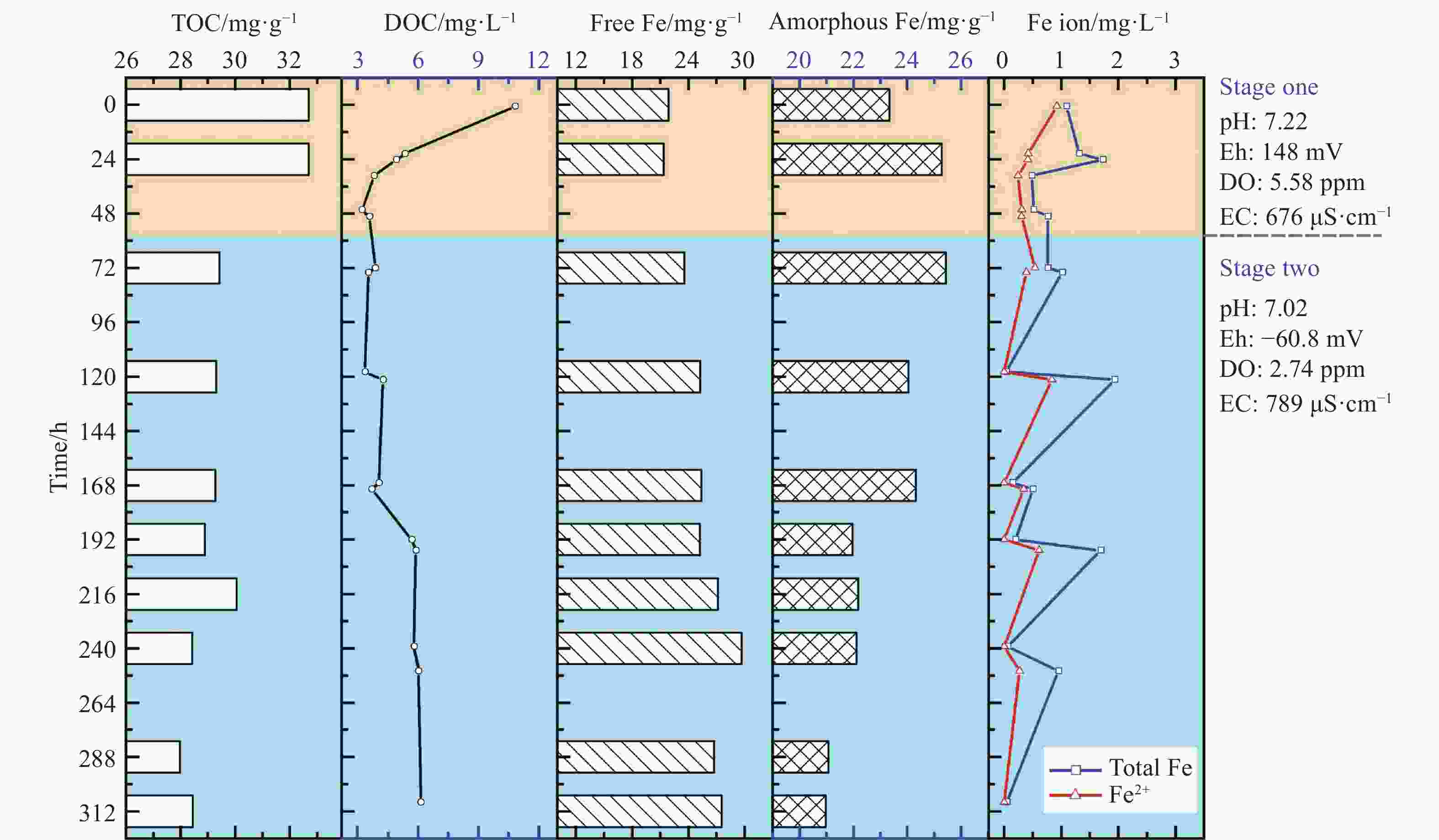
Figure 8. Variations of sediment TOC, Fe oxides contents, and porewater DOC and Fe ion concentrations as a function of pressurization in Experiment B
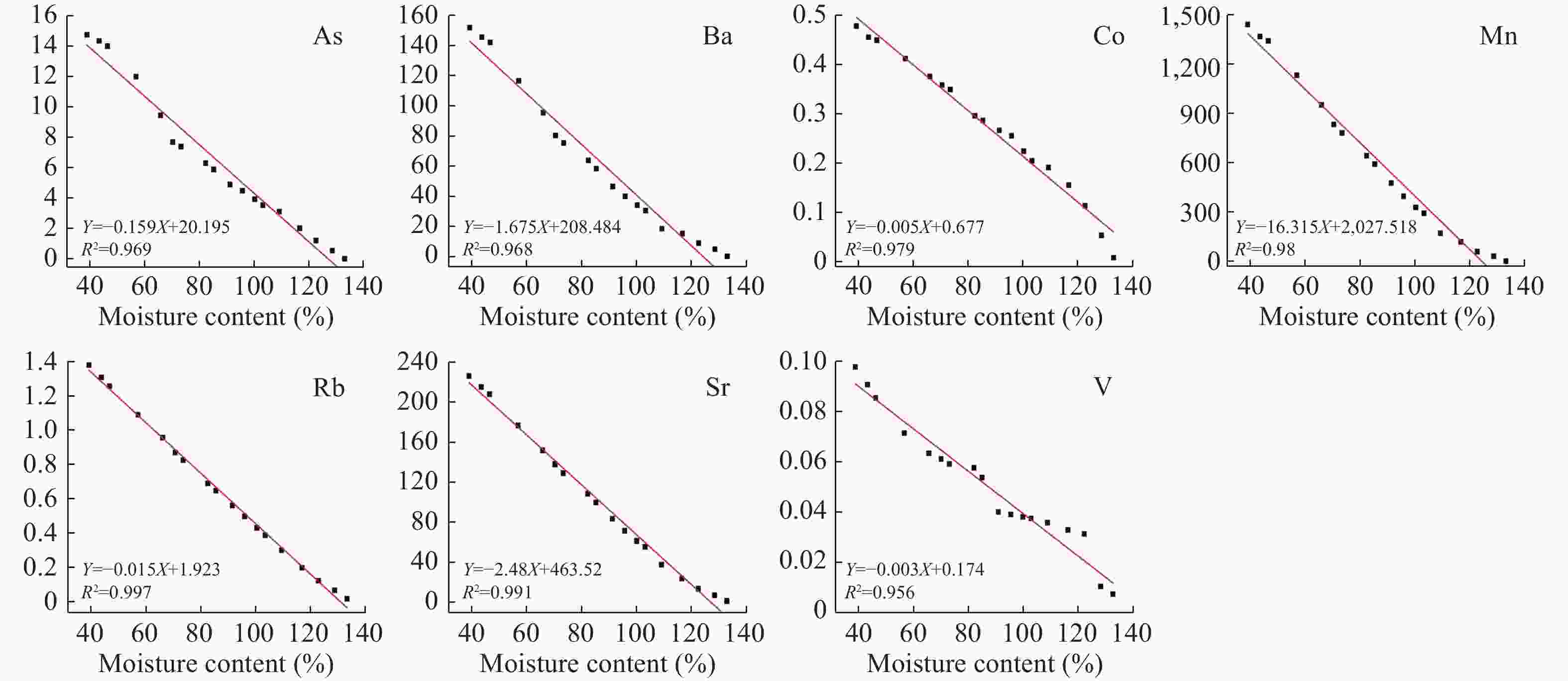
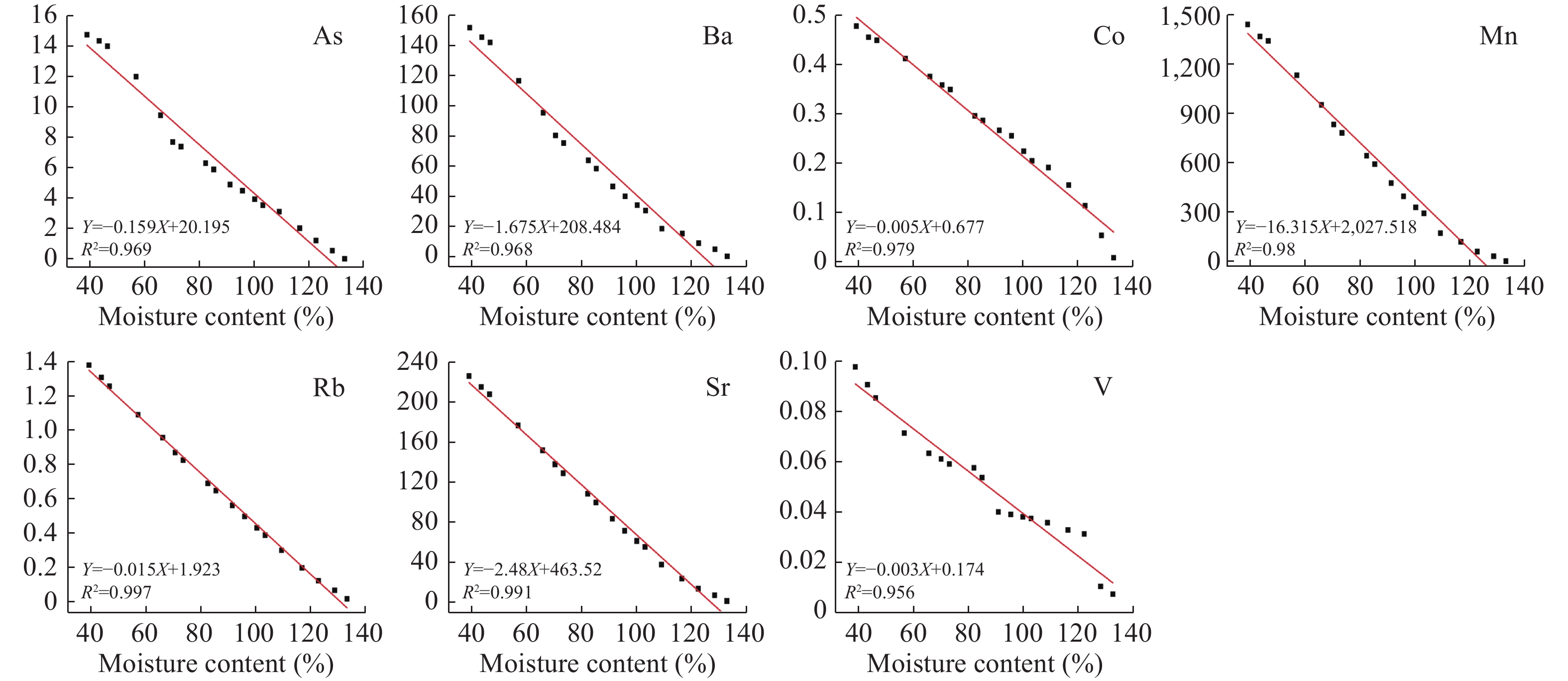
Figure 9. Linear regression between heavy metal release amounts (As, Ba, Co, Mn, Rb, Sr, and V) and moisture content in Experiment A
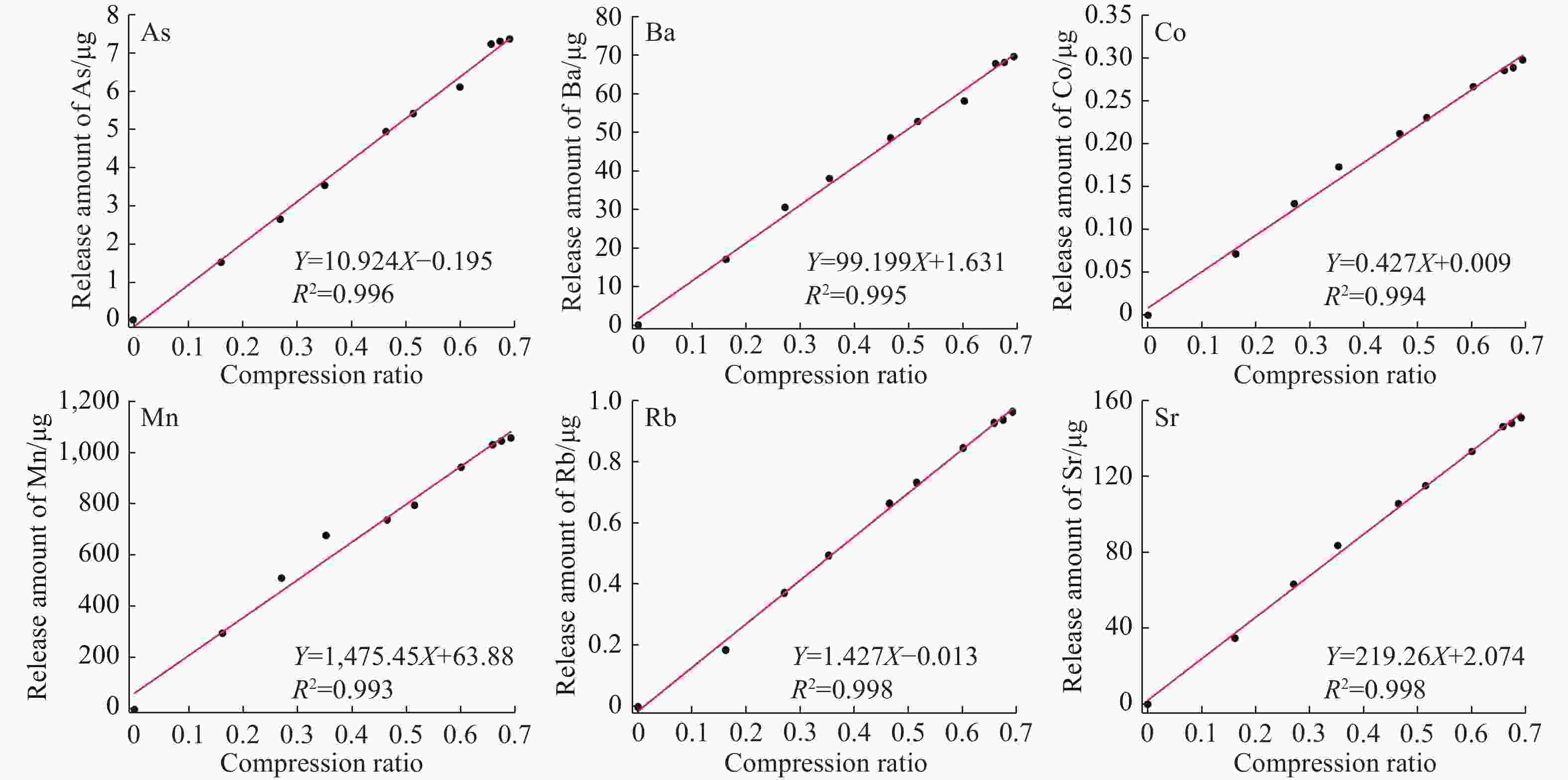
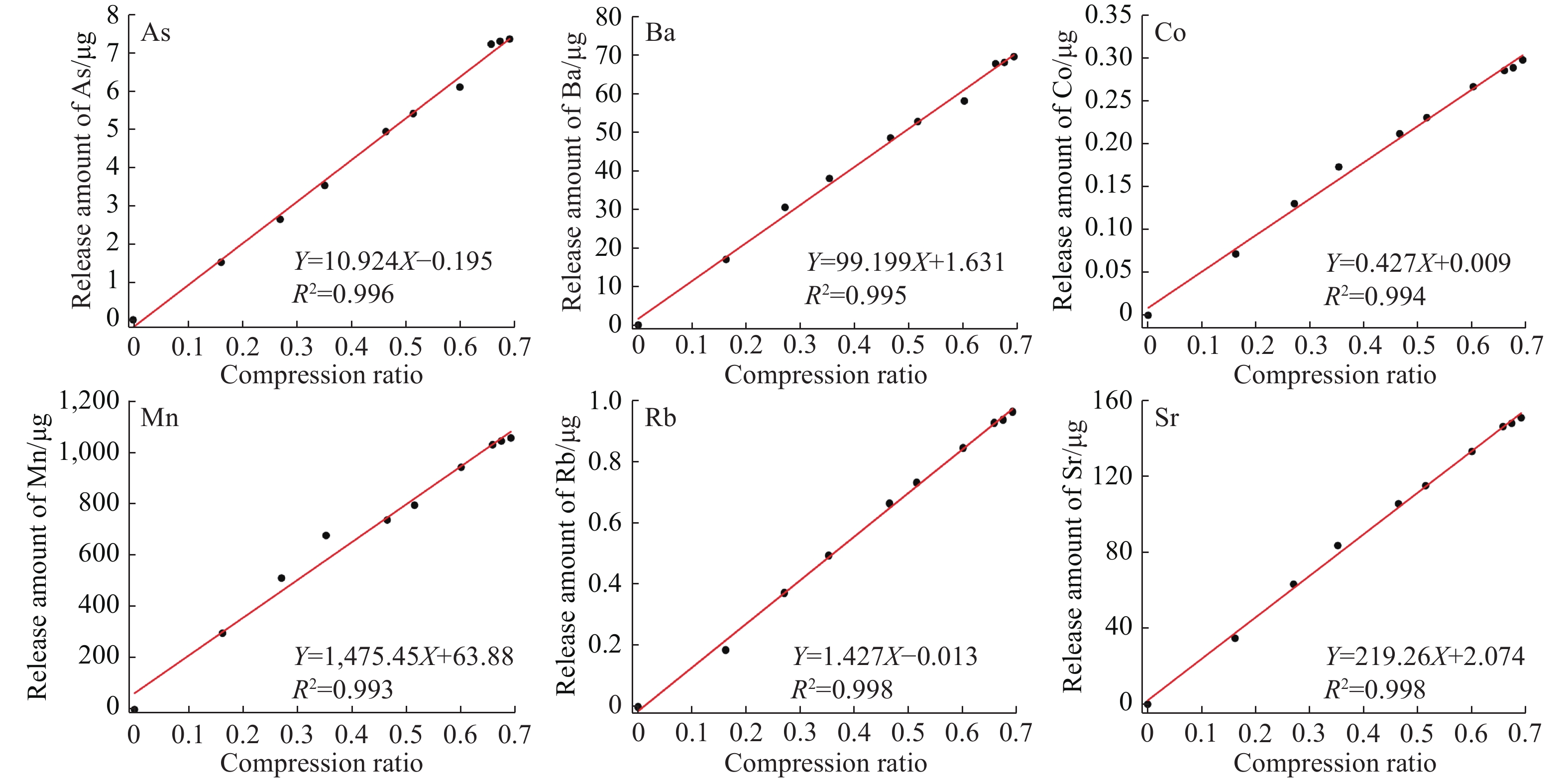
Figure 10. Linear regression between heavy metal release amounts (As, Ba, Co, Mn, Rb, and Sr) and compression ratio in Experiment B
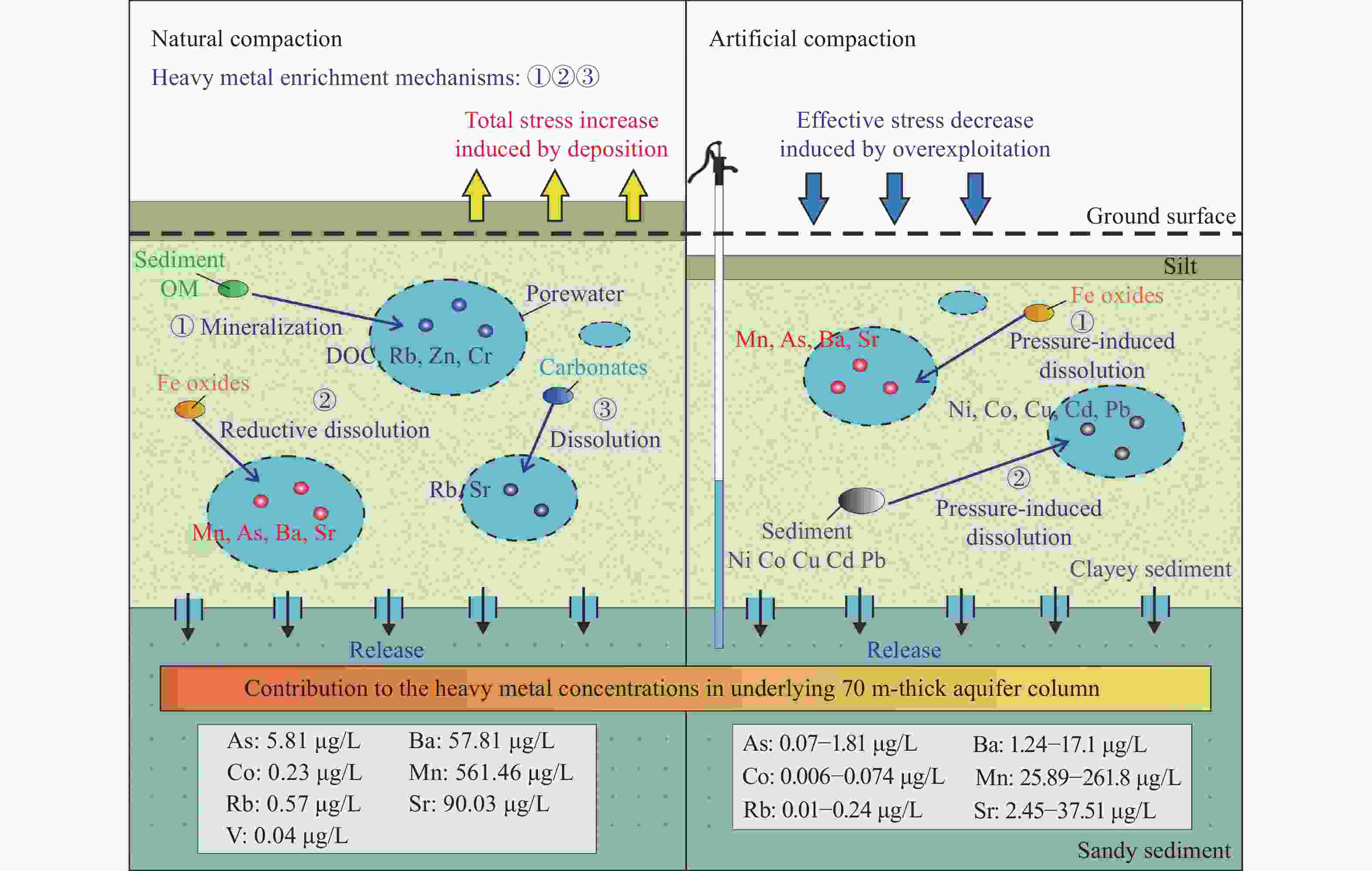
Figure 11. Conceptual model of the release mechanisms of heavy metals during clayey sediments compaction
Table 1. Initial properties of the experimental samples
Moisture content (%) Density (g/cm3) Liquid limit (%) Plastic limit (%) Mass (kg) Sample thickness (cm) Initial sample for Experiment A 134.2 1.68 77.24 40.23 4.054 48.4 Initial sample for Experiment B 131.5 1.71 75.38 42.45 4.015 48.0  下载: 导出CSV
Table 2. Variations in composition of the gas samples with pressurization in Experiment A
Time (h) Pressure (MPa) CO2 (ppm) CH4 (ppm) 170 3.40 9,268.81 ± 937.83 11,301.92 ± 727.58 220 4.40 8,463.48 ± 16.33 18,851.73 ± 1.44 295 5.90 4,143.31 ± 73.91 15,302.55 ± 14.90
下载: 导出CSV
Table 3. Variations in gas composition with pressurization in Experiment B
Time (h) Pressure (MPa) CO2 (ppm) CH4 (ppm) 120 0.5 1,763.6 ± 50.18 1,834.30 ± 25.28 264 1.1 2,324.6 ± 106.76 3,948.25 ± 19.14
下载: 导出CSV
Table 4. Correlation coefficients (R) between the contents of heavy metals and TOC, free Fe, and amorphous Fe oxides in the sediments of Experiment A
As Ba Cd Co Cr Cu Mn TOC 0.959** 0.258 0.167 −0.436 0.237 0.154 0.025 Free Fe 0.016 −0.729** −0.503* 0.067 −0.272 −0.308 −0.346 Amorphous Fe 0.842** −0.037 0.169 −0.390 0.203 0.034 −0.317 Ni Pb Rb Sr V Zn TOC 0.231 0.231 0.852** 0.562* 0.504* 0.743** Free Fe −0.143 0.672** 0.202 −0.537* 0.357 −0.080 Amorphous Fe 0.254 0.518* 0.366 0.337 0.332 0.106 *, p < 0.05; **, p < 0.01, n =13
下载: 导出CSV
Table 5. Correlation coefficients (R) between the concentrations of heavy metals and DOC, total Fe, and Fe2+ in the porewater of Experiment A
As Ba Cd Co Cr Cu Mn DOC 0.803** 0.634** −0.009 −0.240 0.700** −0.191 0.485* Total Fe 0.523* 0.465* −0.133 −0.234 0.375 −0.328 0.480* Fe2+ 0.424* 0.366 −0.125 −0.209 0.287 −0.300 0.409* Ni Pb Rb Sr V Zn DOC −0.352 0.200 0.593** 0.432* −0.209 0.561** Total Fe −0.289 −0.218 0.318 0.425* −0.193 0.372 Fe2+ −0.227 −0.203 0.236 0.362 −0.204 0.337 *, p < 0.05; **, p < 0.01, n = 18
下载: 导出CSV
Table 6. Correlation coefficients (R) between the contents of heavy metals and TOC, free Fe, and amorphous Fe oxides in the sediments from Experiment B
As Ba Cd Co Cr Cu Mn TOC 0.543 0.461 0.227 −0.418 0.229 0.256 0.284 Free Fe −0.541 −0.370 −0.333 0.628* −0.259 −0.104 −0.300 Amorphous Fe 0.069 0.169 0.176 −0.464 −0.245 −0.172 0.210 Ni Pb Rb Sr V Zn TOC −0.075 0.433 0.427 0.116 0.349 0.632* Free Fe −0.128 −0.530 −0.254 0.019 −0.204 −0.499 Amorphous Fe 0.343 0.241 −0.081 −0.123 −0.025 0.121 *, p < 0.05; **, p < 0.01; n = 10
下载: 导出CSV
Table 7. Correlation coefficients (R) between the concentrations of heavy metals and DOC, total Fe, and Fe2+ in the porewater from Experiment B
As Ba Cd Co Cr Cu Mn DOC 0.039 0.130 −0.041 0.219 −0.066 0.155 0.236 Total Fe 0.654** 0.428* −0.021 0.038 −0.104 0.026 0.443* Fe2+ 0.160 0.270 −0.158 −0.058 −0.177 −0.151 0.382 Ni Pb Rb Sr V Zn DOC 0.189 −0.060 0.038 0.230 0.032 0.644** Total Fe −0.010 0.341 0.006 0.493* −0.179 0.238 Fe2+ −0.110 0.077 −0.308 0.157 −0.235 0.481* *, p < 0.05; **, p < 0.01; n = 17
下载: 导出CSV
Table 8. Release amounts and concentrations of As, Ba, Co, Mn, Rb, and Sr from the clayey aquitard under land subsidence caused by groundwater overexploitation
Subsidence rate (m/a) ×
overexploitation time (a)Release amount (mg/m) As Ba Co Mn Rb Sr 0.2×5 1,987.7 37.32 170.14 779.42 330.92 73.82 0.2×15 8,172.9 93.48 411.78 1,614.82 1,138.71 197.96 0.2×30 17,450.7 177.73 774.24 2,867.92 2,350.41 384.18 0.4×5 5,080.3 65.4 290.96 1,197.12 734.81 135.89 0.4×15 17,450.7 177.73 774.24 2,867.92 2,350.41 384.18 0.4×30 36,006.4 346.23 1,499.17 5374.11 4,773.8 756.62 0.6×5 8,172.9 93.48 411.78 1,614.82 1,138.71 197.96 0.6×15 26,728.5 261.98 1,136.71 4,121.01 3,562.11 570.4 0.6×30 54,562 514.73 2,224.1 7,880.31 7,197.19 1,129.05 Subsidence rate (m/a) ×
overexploitation time (a)Input into groundwater (μg/L) As Ba Co Mn Rb Sr 0.2×5 0.07 1.24 0.006 25.89 0.01 2.45 0.2×15 0.27 3.11 0.014 53.65 0.04 6.58 0.2×30 0.58 5.91 0.026 95.28 0.08 12.76 0.4×5 0.17 2.17 0.01 39.77 0.02 4.52 0.4×15 0.58 5.91 0.026 95.28 0.08 12.76 0.4×30 1.2 11.5 0.05 178.54 0.16 25.14 0.6×5 0.27 3.11 0.014 53.65 0.04 6.58 0.6×15 0.89 8.7 0.038 136.91 0.12 18.95 0.6×30 1.81 17.1 0.074 261.8 0.24 37.51
下载: 导出CSV
-
Alvarez DA, Rosen MR, Perkins SD, et al. 2012. Bottom Sediments as a source of organic contaminants in Lake Mead, Nevada, USA. Chemosphere, 88(5): 605−611. DOI: 10.1016/j.chemosphere.2012.03.040. Belnap J, Welter JR, Grimm NB, et al. 2005. Linkages between microbial and hydrologic processes in arid and semiarid watersheds. Ecology, 86(2): 298−307. DOI: 10.1890/03-0567. Chari NR, Lin Y, Lin YS, et al. 2021. Interactive effects of temperature and redox on soil carbon and iron cycling. Soil Biology and Biochemistry, 157: 108235. DOI: 10.1016/J.SOILBIO.2021.108235. Chen C, Dynes JJ, Wang J. et al. 2014. Properties of Fe-organic matter associations via coprecipitation versus adsorption. Environmental Science and Technology, 48(23): 13751−13759. DOI: 10.1021/es503669u. Coward EK, Thompson AT, Plante AF. 2017. Iron-mediated mineralogical control of organic matter accumulation in tropical soils. Geoderma, 306: 206−216. DOI: 10.1016/j.geoderma.2017.07.026. Dasgupta T, Mukherjee S. 2020. Sediment compaction and applications in petroleum geoscience. Springer, series: Advances in oil and gas exploration and production (ISSN: 2509-372X). DOI: 10.1007/978-3-030-13442-6. Datta SC, Takkar PN, Verma UK. 2009. Effect of partial removal of adsorbed humus on kinetics of potassium and silica release by tartaric acid from clay-humus complex from two dissimilar soil profiles. Soil Research, 47(7): 715−724. DOI: 10.1071/SR09002. Du Y, Ma T, Deng, YM, et al. 2017. Sources and fate of high levels of ammonium in surface Water and shallow groundwater of the Jianghan Plain, Central China. Environmental Science: Processes and Impacts, 19: 161−172. DOI: 10.1039/c6em00531d. Du Y, Deng Y, Ma T, et al. 2018a. Hydrogeochemical evidences for targeting sources of safe groundwater supply in arsenic-affected multi-level aquifer systems. Science of the Total Environment, 645: 1159−1171. DOI: 10.1016/j.scitotenv.2018.07.173. Du Y, Ma T, Deng Y, et al. 2018b. Characterizing groundwater/surface-water interactions in the interior of Jianghan Plain, central China. Hydrogeology Journal, 26(4): 1047−1059. DOI: 10.1007/s10040-017-1709-7. Gan Y, Wang Y, Duan Y, et al. 2014. Hydrogeochemistry and arsenic contamination of groundwater in the Jianghan Plain, central China. Journal of Geochemical Exploration, 138: 81−93. DOI: 10.1016/j.gexplo.2013.12.013. Goldberg S, Johnston CT. 2001. Mechanisms of arsenic adsorption on amorphous oxides evaluated using macroscopic measurements, vibrational spectroscopy, and surface complexation modeling. Journal of Colloid and Interface Science, 234(1): 204−216. DOI: 10.1006/jcis.2000.7295. Guan S, Yang Q, Li Y, et al. 2022. River flooding response to ENSO-related monsoon precipitation: Evidence from late Holocene core sediments in the Jianghan Plain. Palaeogeogr. Palaeogeography, Palaeoclimatology, Palaeoecology, 589: 110834. DOI: 10.1016/J.PALAEO.2022.110834. Huang H, Pi K, Radosavljevic J, et al. 2026. Pumping-accelerated soft ground compaction triggers iodine enrichment in saline groundwater of coastal plains. Water Research, 292: 125355. DOI: 10.1016/J.WATRES.2026.125355. Kang T, Sung J, Shim W, et al. 2009. Synthesis and magnetic properties of single-crystalline Mn/Fe-Doped and Co-doped ZnS nanowires and nanobelts. Journal of Physical Chemistry C, 113(14): 5352−5357. DOI: 10.1021/jp808433b. Liu R, Ma T, Qiu WK, et al. 2020a. Effects of Fe oxides on organic carbon variation in the evolution of clayey aquitard and environmental significance. Science of the Total Environment, 701: 134776. DOI: 10.1016/j.scitotenv.2019.134776. Liu R, Ma T, Qiu WK, et al. 2020b. The Environmental functions and ecological effects of organic carbon in silt. Journal of Earth Sciences, 31(4): 834−844. DOI: 10.1007/s12583-020-1349-z. Liu Y, Ma T, Chen J, et al. 2020c. Compaction simulator: A novel device for pressure experiments of subsurface sediments. Journal of Earth Sciences, 31(5): 1045−1050. DOI: 10.1007/s12583-020-1334-6. Liu Y, Ma T, Chen J, et al. 2023. Impact of clayey sediment compaction on pore water evolution and the release of Iron. Applied Geochemistry, 152: 105635. DOI: 10.1016/J.APGEOCHEM.2023.105635. Liu R, Guo HP, Chen J, et al. 2024. Effect of clayey sediment compression on fluoride enrichment in the quaternary groundwater system of Cangzhou Plain, China. Journal of Hazardous Materials, 480: 136022. DOI: 10.1016/J.JHAZMAT.2024.136022. Liu R, Chen J, Zhu J, et al. 2026. Enrichment and release mechanisms of geogenic fluoride in multi-layered clayey sediments of coastal aquifers under groundwater overexploitation. Geoscience Frontiers, 17: 102280. DOI: 10.1016/j.gsf.2026.102280. Marchand C, Allenbach M, Lallier-Vergès E. 2011. Relationships Between heavy metals distribution and organic matter cycling in mangrove sediments (Conception Bay, New Caledonia). Geoderma, 160(3-4): 444−456. DOI: 10.1016/j.geoderma.2010.10.015. Mihajlov I, Mozumder MRH, Bostick BC, et al. 2020. Arsenic contamination of Bangladesh aquifers exacerbated by clay layers. Nature Communications, 11(1): 1−9. DOI: 10.1038/s41467-020-16104-z. Peng ZQ, Ma T, Liu R, et al. 2025. Coupling mechanisms and zonation characteristics of sulfur and iron in clayey aquitards under the influence of lake and groundwater. Journal of Hydrology, 658: 133112. DOI: 10.1016/J.JHYDROL.2025.133112. Potter PE, Maynard JB, Depetris PJ. 2005. Mud and mudstones: Introduction and overview. New York: Springer. Priestley SC, Kleinig T, Love AJ, et al. 2017. Palaeohydrogeology and transport parameters derived from He-4 and Cl Profiles in aquitard porewaters in a large multilayer aquifer system, central Australia. Geofluids, 1–17. DOI: 10.1155/2018/8325016. Qiu WK, Ma T, Liu R, et al. 2022. Variations in the mineral structures dominating solute mobilization during clay compaction. Journal of Hydrology, 610: 127843. DOI: 10.1016/J.JHYDROL.2022.127843. Rubol S, Manzoni S, Bellin A, et al. 2013. Modeling soil moisture and oxygen effects on soil biogeochemical cycles including dissimilatory nitrate reduction to ammonium (DNRA). Advances in Water Resources, 62: 106−124. DOI: 10.1016/j.advwatres.2013.09.016. Ruser R, Flessa H, Russow R, et al. 2006. Emission of N2O, N2 and CO2 from soil fertilized with nitrate: Effect of compaction, soil moisture and rewetting. Soil Biology and Biochemistry, 38(2): 263−274. DOI: 10.1016/j.soilbio.2005.05.005. Schaefer MV, Ying SC, Benner SG, et al. 2016. Aquifer arsenic cycling induced by seasonal hydrologic changes within the Yangtze River Basin. Environmental Science and Technology, 50(7): 3521−3529. DOI: 10.1021/acs.est.5b04986. Smith RG, Knight R, Fendorf S. 2018. Overpumping leads to California groundwater arsenic threat. Nature Communications, 9 (1). DOI: 10.1038/s41467-018-04475-3. Su Z, Guo HM, Gao ZP, et al. 2025. In-situ reduction of Fe(III) (hydr)oxides-bound As(V) via electron shuttling in the presence of organic matter. Journal of Geophysical Research: Biogeosciences, 130: e2024JG008675. DOI: 10.1029/2024JG008675. Tian L, Zhu X, Wang L, et al. 2021. Distribution, occurrence mechanisms, and management of high F levels in the water, sediment, and soil of Shahu Lake, China. Applied Geochemistry, 126: 104869. DOI: 10.1016/J.APGEOCHEM.2021.104869. Xiao C, Ma T, Du Y. 2020a. Arsenic releasing mechanisms during clayey sediments compaction: an experiment study. Journal of Hydrology, 597: 125743. DOI: 10.1016/j.jhydrol.2020.125743. Xiao C, Ma T, Du Y, et al. 2020b. Impact process of the aquitard to regional arsenic accumulation of the underlying aquifer in central Yangtze River basin. Environmental Geochemistry and Health, 43: 1091−1107. DOI: 10.1007/s10653-020-00541-2. Xue XB, Li J, Xie X, et al. 2019. Impacts of sediment compaction on iodine enrichment in deep aquifers of the North China Plain. Water Research, 159: 480−489. DOI: 10.1016/j.watres.2019.05.036. Wagai R, Mayer LM, Kitayama K, et al. 2013. Association of organic matter with iron and aluminum across a range of soils determined via selective dissolution techniques coupled with dissolved nitrogen analysis. Biogeochemistry, 112: 95−109. DOI: 10.1007/s10533-011-9652-5. Wang CL, Liu CL, Pang, YJ, et al. 2013. Adsorption behavior of hexavalent chromium in vadose zone. Journal of Groundwater Science and Engineering, 1(3): 83−88. DOI: 10.26599/JGSE.2013.9280034. Wang X, Di G. 2019. Monitoring and analysis of surface deformation in eastern liaocheng based on PS-In SAR. Bulletin of Surveying and Mapping, S2: 149−153. (in Chinese). Wang Y, Jiao JJ, Zhang K, et al. 2016. Enrichment and mechanisms of heavy metal mobility in a coastal quaternary groundwater system of the Pearl River Delta, China. Science of the Total Environment, 545–546: 493−502. DOI: 10.1016/j.scitotenv.2015.12.019. Weng L, Temminghoff E, Lofts S, et al. 2002. Complexation with dissolved organic matter and solubility control of heavy metals in sandy soil. Environmental Science and Technology, 36(22): 4804. DOI: 10.1021/es0200084. Yuan X, Deng Y, Gao J, et al. 2025. Unveiling the role of sulfate-reducing bacteria in arsenic methylation in alluvial-lacustrine aquifers. Water Research, 283: 123864. DOI: 10.1016/J.WATRES.2025.123864. -

 点击查看大图

计量
- 文章访问数: 17
- HTML全文浏览量: 5
- PDF下载量: 0
- 被引次数: 0


