 E-mail alert
 Rss
Rss



Application of the DITAPH model coupling human activities and groundwater dynamics for nitrate vulnerability assessment: A case study in Quanzhou, China
-
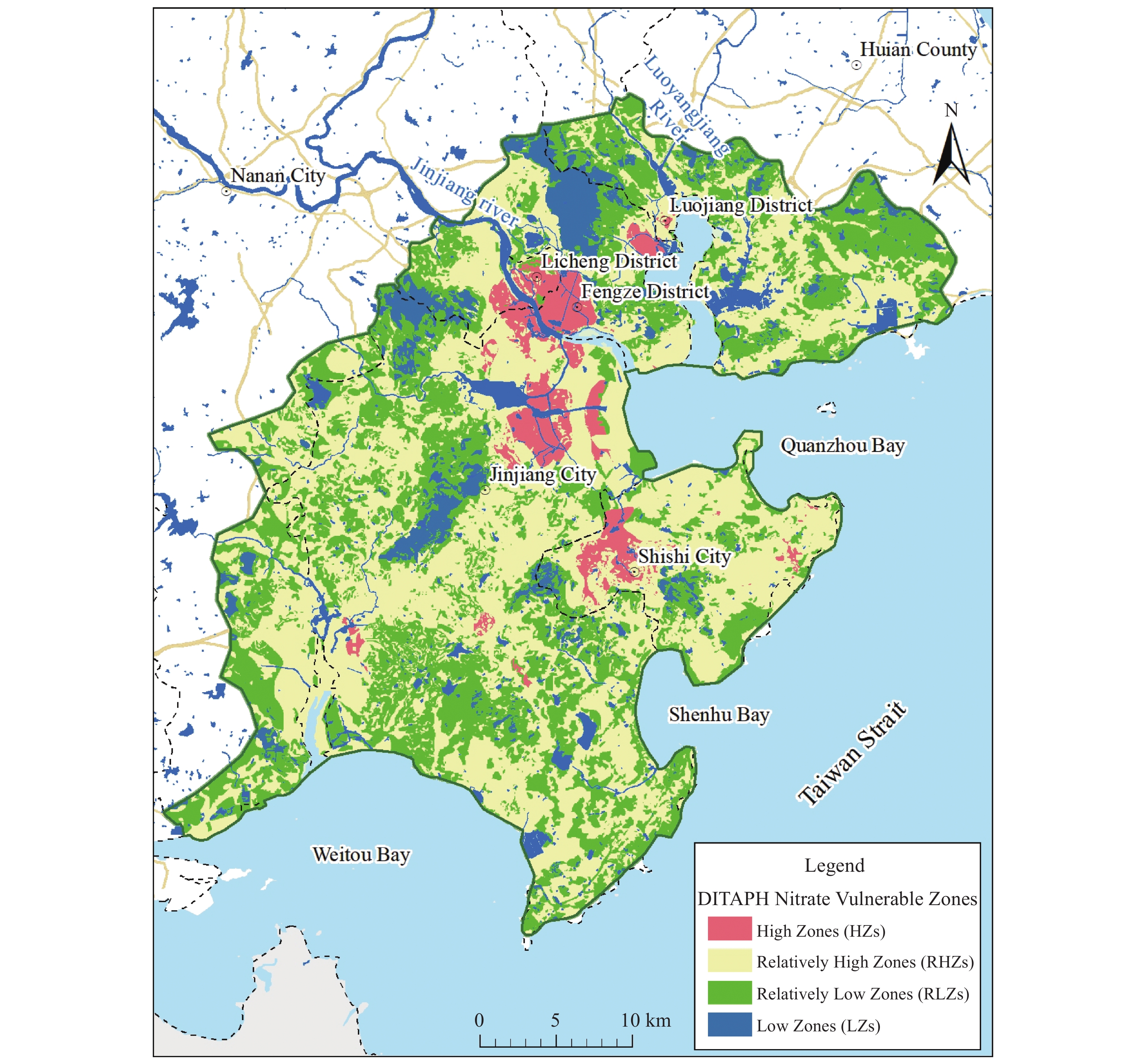
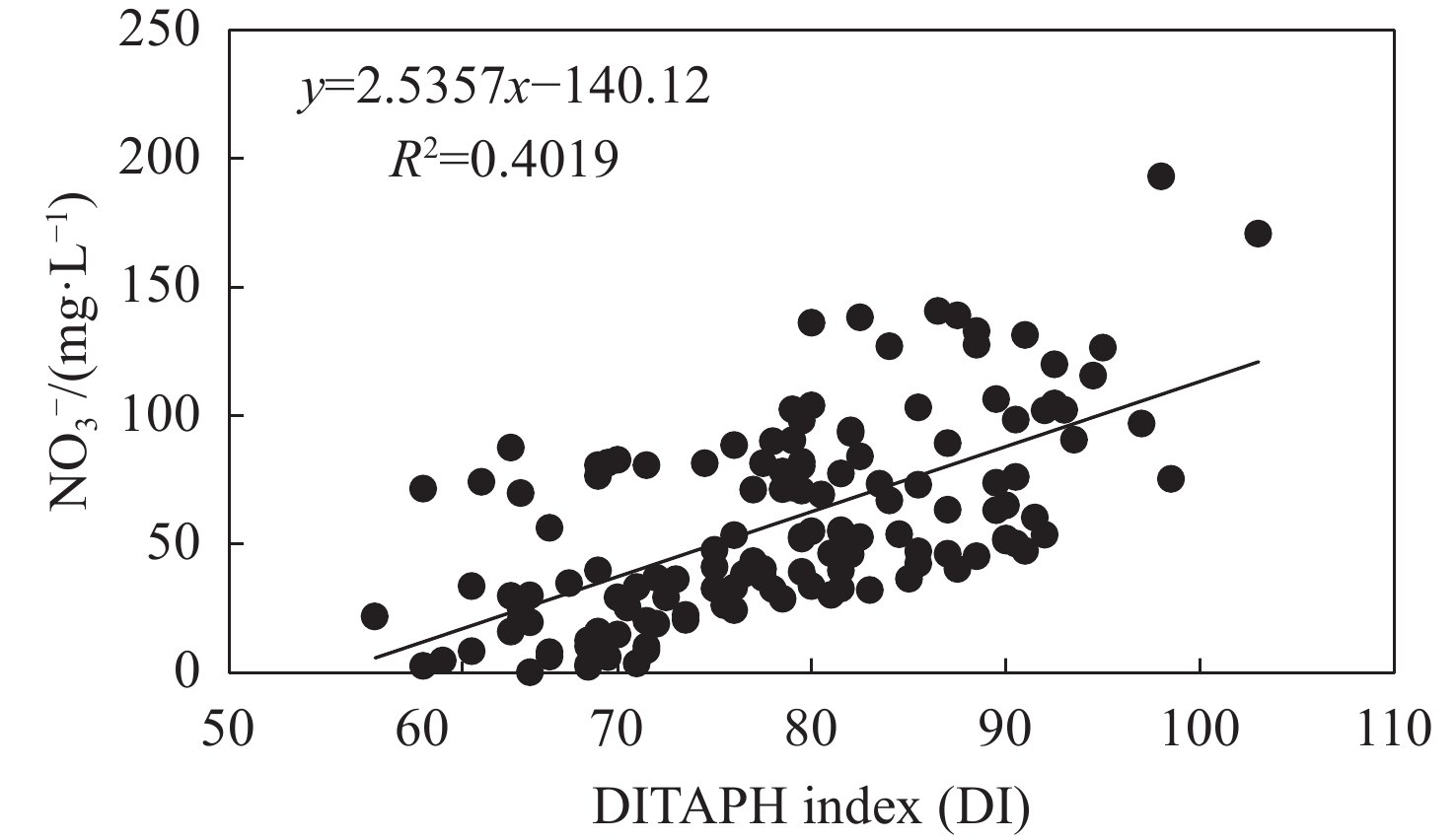
Abstract: To address the deficiencies in comprehensive surface contamination prevention strategies within China's nitrate-affected regions, this research innovatively proposes the DITAPH model - a systematic framework integrating groundwater nitrate vulnerability assessment and Nitrate Vulnerable Zones (NVZs) delineation through optimization of hydrogeological parameters. Based on detailed hydrogeological and hydrochemical investigations, the DITAPH model was applied in the plain areas of Quanzhou to evaluate its applicability. The model selected hydrogeological parameters (depth of groundwater, lithology of the vadose zone, topographic slope, aquifer water yield property), one climatic parameter (precipitation), and two anthropogenic parameters (land use type and population density) as assessment indicators. The results of the groundwater nitrate vulnerability assessment showed that the low, relatively low, relatively high, and high groundwater nitrate vulnerability zones in the study area accounted for 5.96%, 35.44%, 53.74% and 4.86% of the total area, respectively. Groundwater nitrate vulnerability was most strongly influenced by human activities, followed by groundwater depth and topographic slope. The high vulnerability zone is mainly affected by domestic and industrial wastewater, whereas the relatively high groundwater nitrate vulnerability zone is primarily influenced by agricultural activities. Validation of the DITAPH model revealed a significant positive correlation between the DITAPH index (DI) and nitrate concentration (ρ(NO3−)). The results of the NVZs delineated by the DITAPH model are reliable and can serve as a tool for water resource management planning, guiding the development of targeted measures in the NVZs to prevent groundwater contamination.
-

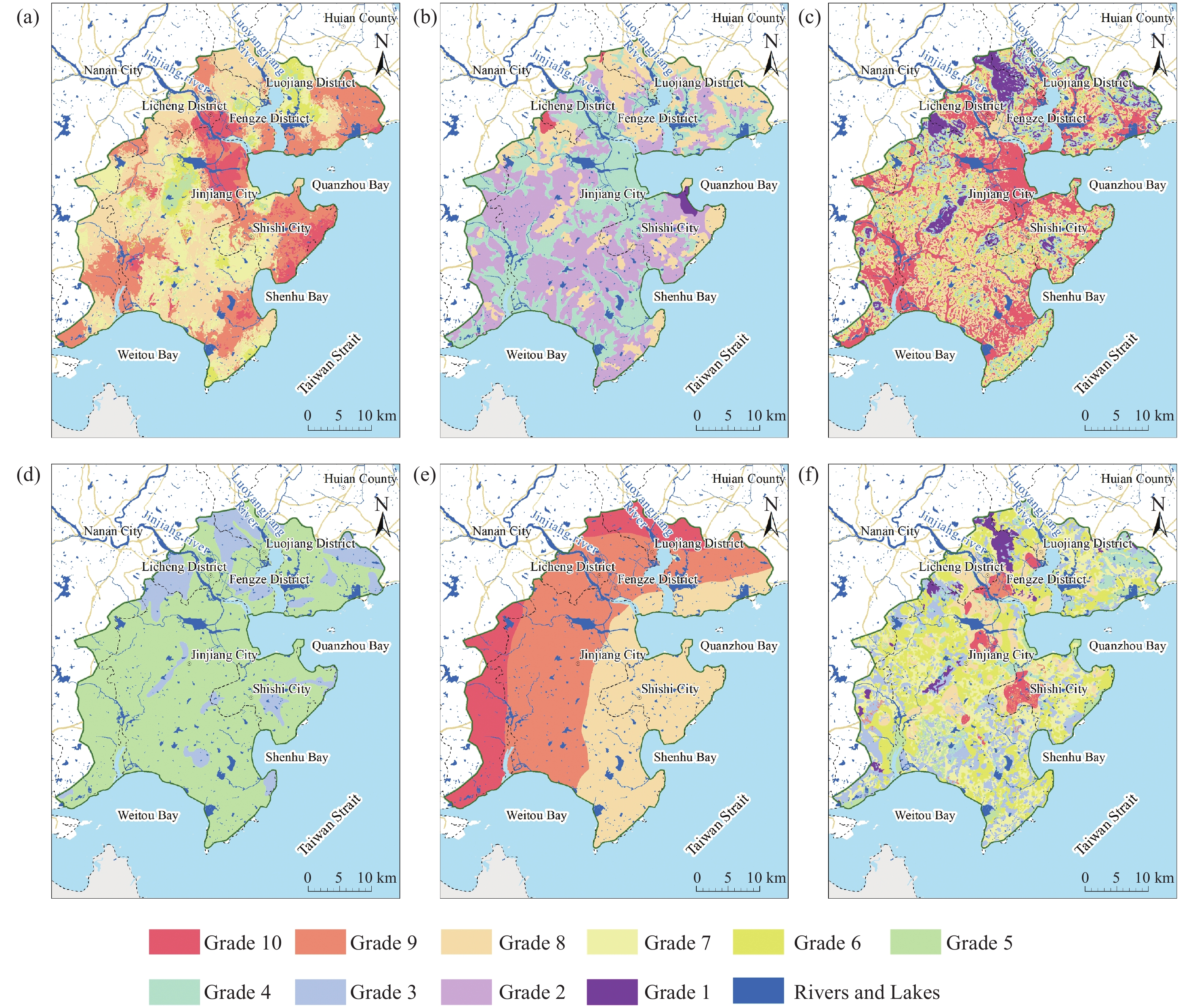
Figure 3. Thematic maps of assessment parameters in the DITAPH model: (a) Depth of groundwater (D); (b) Vadose zone lithology (I); (c) Topographic slope (T); (d) Aquifer water yield property (A); (e) Precipitation (P); (f) Human activity (H)

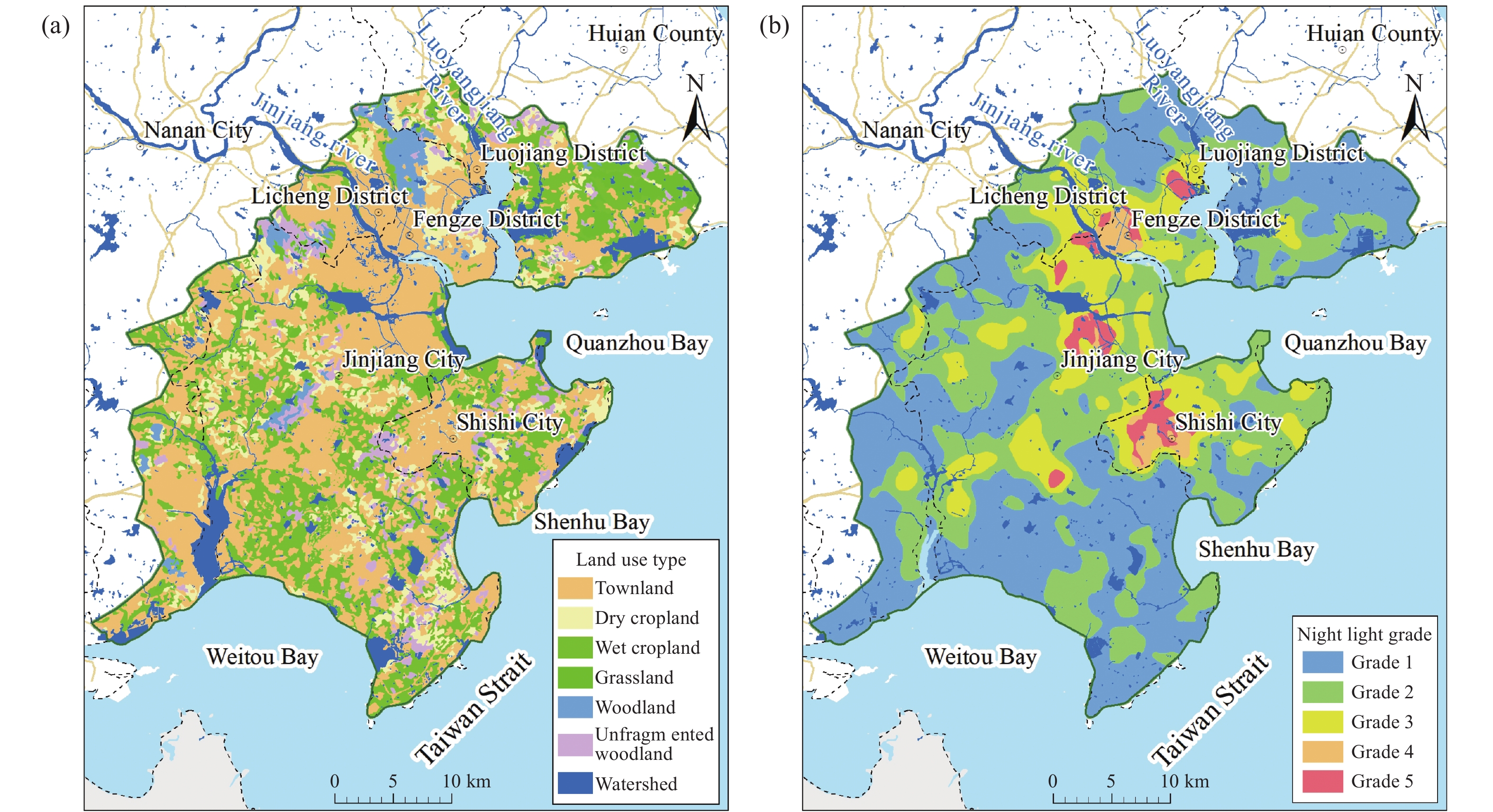
Figure 4. Thematic map of human activity parameters in the DITAPH model: (a) Land use map (LU); (b) nighttime lighting grading map (NTL)

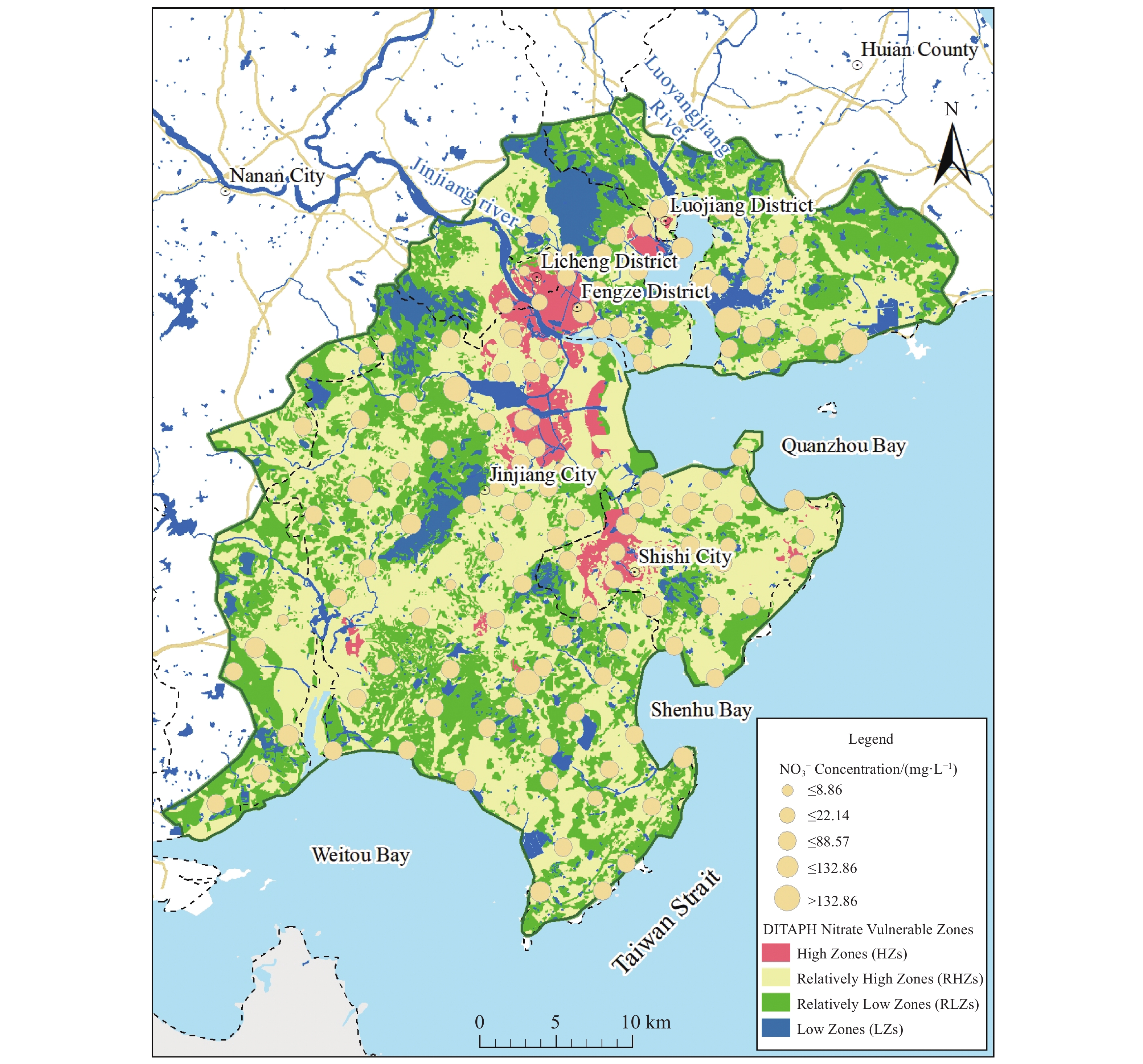
Figure 7. Spatial distribution of groundwater samples across the NVZs delineated using the DITAPH Model

Figure 8. Linear relationship between DITAPH Index (DI) and groundwater nitrate concentration (NO3−)

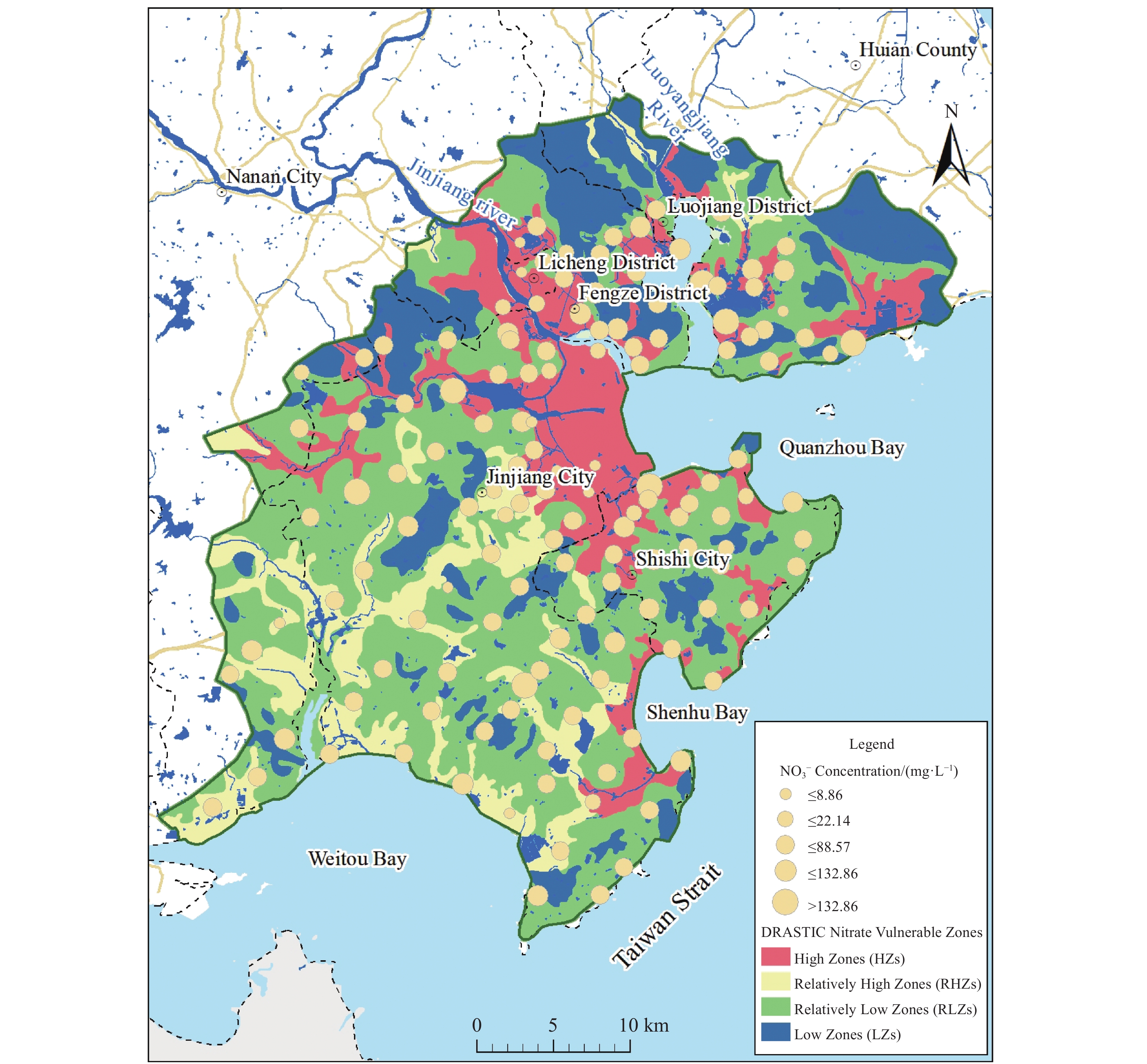
Figure 9. Spatial distribution characteristics of groundwater samples within NVZs delineated by the DRASTIC model
Table 1. Data Sources for the DITAPH model
Data type Sources Depth of groundwater (D) Manual measurement Impact of vadose zone lithology (I) Geological map of the southern coastal area of Fujian Topographic slope (T) NASA DEM - National Aeronautics and Space Administration Aquifer thickness (A) Hydrogeologic map of the southern coastal area of Fujian Precipitation (P) China 1 km Resolution Monthly Precipitation Dataset (1901–2023) Human Activity (H) Land use China multi-period land use land cover data set (CNLUCC) Population density Nighttime Lights Data - National Aeronautics and Space Administration  下载: 导出CSV
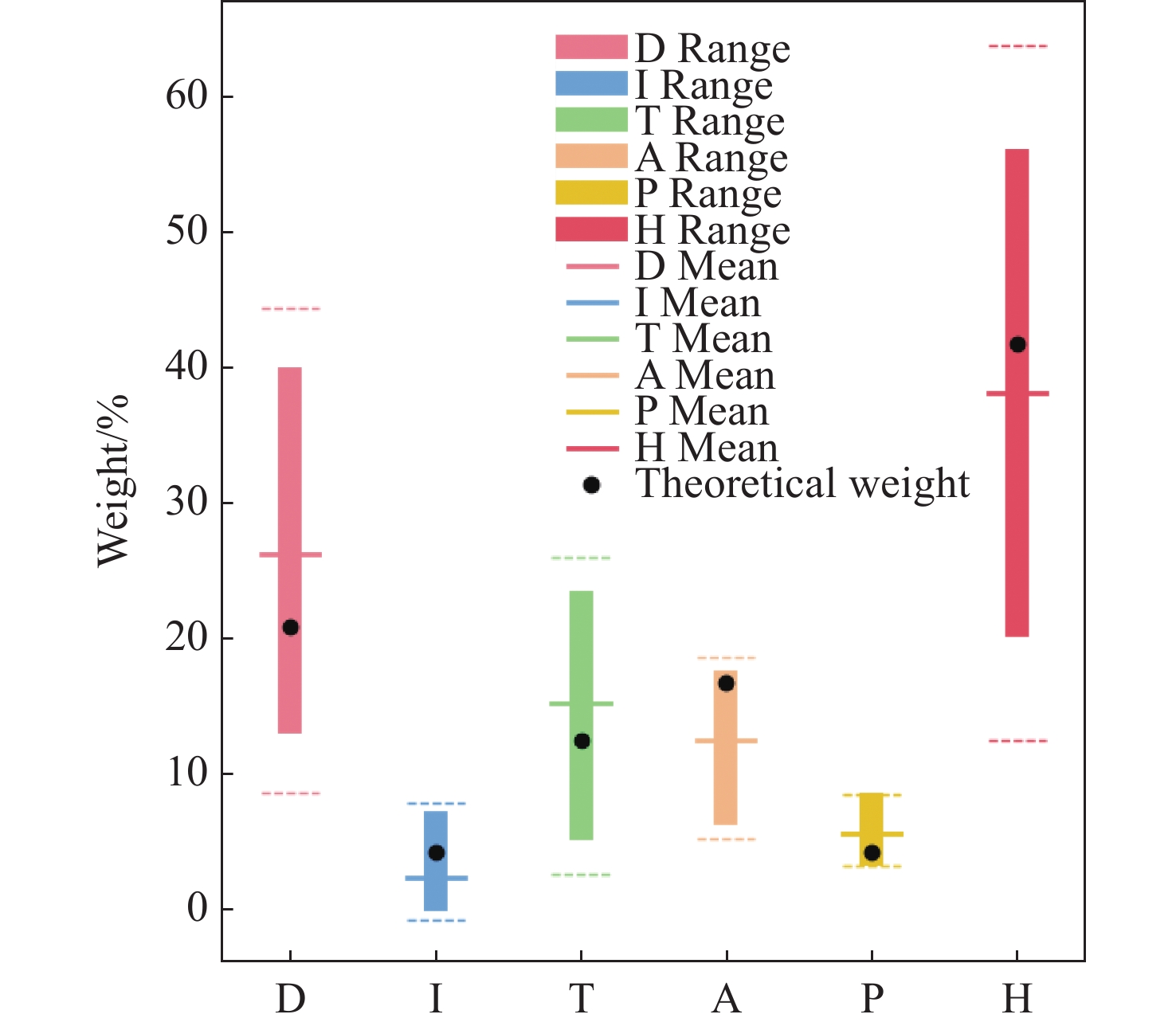
Table 2. Theoretical weights assigned to DITAPH parameters
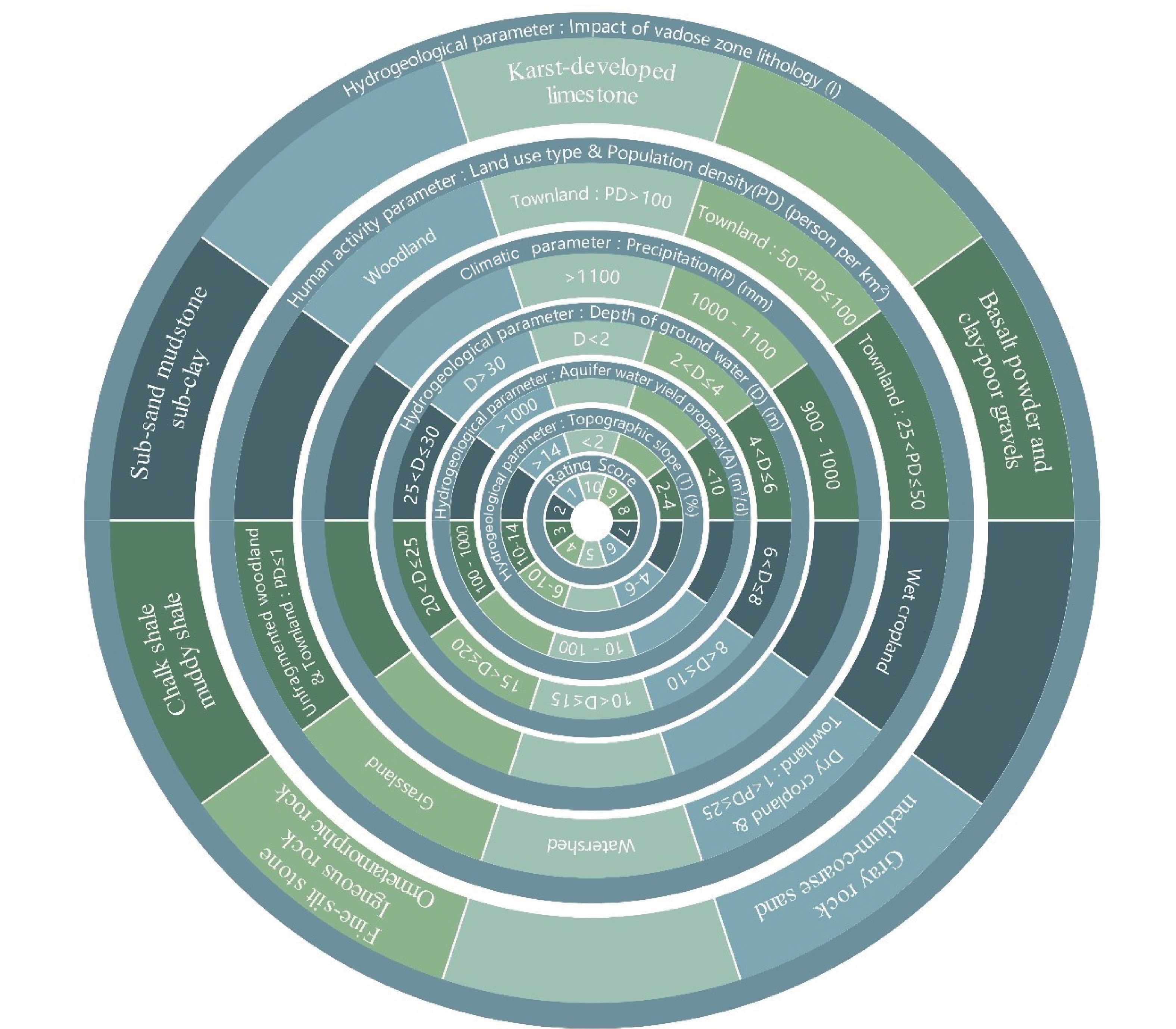
Parameter D I T A P H Theoretical weight 2.5 0.5 1.5 2 0.5 5 Note: The weight values were dynamically calibrated through sensitivity analysis. Each of the six assessment parameters of the DITAPH model was divided into ranges or categories, and then rating scores were assigned to each range/category according to the magnitude of the impact of the different ranges/categories on groundwater vulnerability (Fig. 2), with reference to the DRASTIC index scoring method proposed by Aller (Aller et al. 1987) and the Modified DRASTIC index scoring method proposed by Zhong (Zhong, 2005). Each of the assessment parameters is rated on a scale of 1 to 10, with higher scores indicating greater impact of the parameter on groundwater vulnerability.
下载: 导出CSV
Table 3. Characteristic parameters of NVZs
Vulnerability class LZs RLZs RHZs HZs Index value DI<55 55≤DI<75 75≤DI<95 DI≥95 Area (km2) 80.85 480.98 729.42 66.03 Area percentage (%) 5.96 35.44 53.74 4.86 Hydrogeological parameters D 4–8 m: 72% of area2–4 m: 12% of area 4–8 m: 59% of area2–4 m: 28% of area 4–8 m: 53% of area2–4 m: 34% of area 4–8 m: 24% of area2–4 m: 63% of area I Mainly granite, tuff lava, followed by clay, clayey sand, sandy clay Mainly clay, clayey sand, sandy clay, silty clay, followed by granite, tuff lava Mainly clays, clayey sands, sandy clays and silt and fine sands Mainly fine sand and clay T > 20%: 79% of area 4–10%: 38% of area≤4%: 47% of area ≤4%: 80% of area ≤4%: 97% of area A 100–1,000 m3/d: 69% of area 10–100 m3/d: 78% of area 10–100 m3/d: 94% of area 10–100 m3/d: 99% of area P >1,000 mm: 86% of area 900–1,000: 79% of area 900–1,000: 85% of area 1,000–1,100 mm: 65% of area900–1,000 mm: 35% of area Climatic parameter P >1,000 mm: 86% of area 900–1,000: 79% of area 900–1,000: 85% of area 1,000–1,100 mm: 65% of area900–1,000 mm: 35% of area Human activity parameters H unfragmented woodland: 43% of areawoodland: 36% of area Unfragmented woodland: 49% of areadry cropland: 26% of area wet cropland: 43% of areadry cropland: 34% of area Mainly townland, with a population density of >50 persons/km2: 62% of area
下载: 导出CSV
Table 4. Distribution of nitrate concentration in groundwater
Vulnerability Class Samples Proportion of each groundwater quality class Ⅰ Ⅱ Ⅳ Ⅳ Ⅴ HZs 6 16.67% 0.00% 33.33% 33.33% 16.67% RHZs 85 0.00% 0.00% 70.59% 22.35% 7.06% RLZs 48 18.75% 27.08% 52.08% 2.08% 0.00%
下载: 导出CSV
Table 5. Comparison of groundwater quality distribution within NVZs as delineated by the DRASTIC and DITAPH models
Classification method Vulnerability class Samples Groundwater quality class/% Compliant water Contaminated water Proportion of contaminated water Ⅰ Ⅱ Ⅳ Ⅳ Ⅴ Class (I - III) Class (IV - V) DRASTIC HZs 35 5 6 18 5 1 29 6 17.14% RHZs 19 2 2 14 0 1 18 1 5.26% RLZs 76 3 5 47 16 5 55 21 27.63% LZs 9 0 0 8 1 0 8 1 11.11% DITAPH HZs 6 1 0 2 2 1 3 3 50.00% RHZs 85 0 0 60 19 6 60 25 29.41% RLZs 48 9 13 25 1 0 47 1 2.08% LZs 0 0 0 0 0 0 0 0 -
下载: 导出CSV
-
Abascal E, Gómez-Coma L, Ortiz I, et al. 2022. Global diagnosis of nitrate pollution in groundwater and review of removal technologies. Science of The Total Environment, 810: 152233. DOI: 10.1016/j.scitotenv.2021.152233. Ahada CPS, Suthar S. 2018. A GIS based DRASTIC model for assessing aquifer vulnerability in Southern Punjab, India. Modeling Earth Systems and Environment, 4: 635−645. DOI: 10.1007/s40808-018-0449-6. Ahmad W, Iqbal J, Nasir MJ, et al. 2021. Impact of land use/land cover changes on water quality and human health in district Peshawar Pakistan. Scientific Reports, 11: 16526. DOI: 10.1038/s41598-021-96075-3. Aller L, Bennett T, Lehr J, et al. 1987. DRASTIC: Standardized system for evaluating groundwater pollution potencial using hydrogeologic settings. Journal of the Geological Society of India: 29. DOI: 10.17491/jgsi/1987/290112 Arauzo M. 2017. Vulnerability of groundwater resources to nitrate pollution: A simple and effective procedure for delimiting Nitrate Vulnerable Zones. Science of The Total Environment, 575: 799−812. DOI: 10.1016/j.scitotenv.2016.09.139. Arauzo M, Martínez-Bastida JJ. 2015. Environmental factors affecting diffuse nitrate pollution in the major aquifers of central Spain: Groundwater vulnerability vs. groundwater pollution. Environmental Earth Sciences, 73: 8271−8286. DOI: 10.1007/s12665-014-3989-8. Arauzo M, Valladolid M, Andries DM. 2022. Would delineation of nitrate vulnerable zones be improved by introducing a new parameter representing the risk associated with soil permeability in the Land Use–Intrinsic Vulnerability Procedure? Science of The Total Environment, 840: 156654. DOI: 10.1016/j.scitotenv.2022.156654 Arora B, Dwivedi D, Faybishenko B, et al. 2019. Understanding and predicting vadose zone processes. Reviews in Mineralogy and Geochemistry, 85: 303−328. DOI: 10.2138/rmg.2019.85.10. Babiker I, Mohamed M, Hiyama T, et al. 2005. A GIS-based DRASTIC model for assessing aquifer vulnerability in Kakamigahara Heights, Gifu Prefecture, central Japan. Science of The Total Environment, 345: 127−140. DOI: 10.1016/j.scitotenv.2004.11.005. Chakraborty B, Roy S, Bera A, et al. 2022. Groundwater vulnerability assessment using GIS-based DRASTIC model in the upper catchment of Dwarakeshwar river basin, West Bengal, India. Environmental Earth Sciences, 81: 2. DOI: 10.1007/s12665-021-10002-3. Chilaule SM, Vélez-Nicolás M, Ruiz-Ortiz V, et al. 2023. Assessment of intrinsic vulnerability using DRASTIC vs. Actual nitrate pollution: The case of a detrital aquifer impacted by intensive agriculture in Cádiz (Southern Spain). Agriculture, 13: 1082. DOI: 10.3390/agriculture13051082. Deka D, Ravi K, Nair AM. 2025. Impact of urbanisation on groundwater vulnerability in shallow aquifer system of Assam: A DRASTIC approach. Urban Climate, 59: 102299. DOI: 10.1016/j.uclim.2025.102299. Deng D, Lai S, Deng Y. 2002. 1: 250, 000 geological map of the coastal area of southern Fujian. Falkenmark M. 1986. Fresh water. Time for a modified approach - Eau douce. Le moment d'un changement d'approche. Ambio, 15(4): 192−200. Fu JJ, Le XC. 2025. Improving groundwater vulnerability assessment using machine learning. Journal of Environmental Sciences, 153: 6−9. DOI: 10.1016/j.jes.2024.12.024. Fu SM, Wang KF. 2023. Quanzhou Statistical Yearbook 2023. China Statistics Press, Beijing. https://tjj.quanzhou.gov.cn/ George NJ, Agbasi OE, Umoh AJ, et al. 2025. Enhanced contamination risk assessment for aquifer management using the geo-resistivity and DRASTIC model in alluvial settings. Cleaner Water, 3: 100060. DOI: 10.1016/j.clwat.2024.100060. Gutiérrez M, Biagioni RN, Alarcón-Herrera MT, et al. 2018. An overview of nitrate sources and operating processes in arid and semiarid aquifer systems. Science of the Total Environment, 624: 1513−1522. DOI: 10.1016/j.scitotenv.2017.12.252. Hamza SM, Ahsan A, Imteaz MA, et al. 2015. Accomplishment and subjectivity of GIS-based DRASTIC groundwater vulnerability assessment method: A review. Environmental Earth Sciences, 73: 3063−3076. DOI: 10.1007/s12665-014-3601-2. Iqbal MA, Salam MA, Nur-E-Alam M, et al. 2024. Monitoring groundwater vulnerability for sustainable water resource management: A DRASTIC-based comparative assessment in a newly township area of Bangladesh. Groundwater for Sustainable Development, 27: 01373. DOI: 10.1016/j.gsd.2024.101373. Javadi S, Kavehkar N, Mohammadi K, et al. 2011. Calibrating DRASTIC using field measurements, sensitivity analysis and statistical methods to assess groundwater vulnerability. Water International, 36: 719−732. DOI: 10.1080/02508060.2011.610921. Khosravi K, Sartaj M, Tsai FT-C, et al. 2018. A comparison study of DRASTIC methods with various objective methods for groundwater vulnerability assessment. Science of The Total Environment, 642: 1032−1049. DOI: 10.1016/j.scitotenv.2018.06.130. Kong XK, Zhang ZX, Wang P, et al. 2022. Transformation of ammonium nitrogen and response characteristics of nitrifying functional genes in tannery sludge contaminated soil. Journal of Groundwater Science and Engineering, 10(3): 223−232. DOI: 10.19637/j.cnki.2305-7068.2022.03.002. Kumar A, Pramod Krishna A. 2020. Groundwater vulnerability and contamination risk assessment using GIS-based modified DRASTIC -LU model in hard rock aquifer system in India. Geocarto International, 35: 1149−1178. DOI: 10.1080/10106049.2018.1557259. Levin N, Kyba CCM, Zhang QL, et al. 2020. Remote sensing of night lights: A review and an outlook for the future. Remote Sensing of Environment, 237: 111443. DOI: 10.1016/j.rse.2019.111443. Liu YC, Fei YH, Li YS, et al. 2024. Pollution source identification methods and remediation technologies of groundwater: A review. China Geology, 7(1): 125−137. DOI: 10.31035/cg2022080. Lubianetzky TA, Dickson SE, Guo Y. 2015. Proposed method: incorporation of fractured rock in aquifer vulnerability assessments. Environmental Earth Sciences, 74: 4813−4825. DOI: 10.1007/s12665-015-4471-y. Ma L, Lu J, Zhao H, et al. 2018. Nitrate Vulnerable Zones and strategies of non-point pollution mitigation in China. Journal of Agro-Environment Science, 37: 2387−2391. DOI: 10.11654/jaes.2018-1369. Martínez-Bastida JJ, Arauzo M, Valladolid M. 2010. Intrinsic and specific vulnerability of groundwater in central Spain: the risk of nitrate pollution. Hydrogeology Journal, 18: 681−698. DOI: 10.1007/s10040-009-0549-5. Mekonnen MM, Hoekstra AY. 2016. Four billion people facing severe water scarcity. Science Advances, 2: e1500323. DOI: 10.1126/sciadv.1500323. Monteny GJ. 2001. The EU Nitrates Directive: A European approach to combat water pollution from agriculture. The Scientific World Journal, 1: 927−935. DOI: 10.1100/tsw.2001.377. Nahin KTK, Basak R, Alam R. 2020. Groundwater vulnerability assessment with DRASTIC index method in the salinity-affected southwest coastal region of Bangladesh: A case study in Bagerhat Sadar, Fakirhat and Rampal. Earth Systems and Environment, 4: 183−195. DOI: 10.1007/s41748-019-00144-7. Orellana-Macías JM, Merchán D, Causapé J. 2020. Evolution and assessment of a nitrate vulnerable zone over 20 years: Gallocanta groundwater body (Spain). Hydrogeology Journal, 28: 2207−2221. DOI: 10.1007/s10040-020-02184-0. Peng SZ, Ding YX, Liu WZ, et al. 2019. 1 km monthly temperature and precipitation dataset for China from 1901 to 2017. Earth System Science Data: 1931–1946. DOI: 10.5194/essd-11-1931-2019 QMEEB (Quanzhou Municipal Ecological Environment Bureau). 2021. Water ecology of key river Basins in Quanzhou City during the 14th Five-Year Plan period Environmental protection planning. http://sthjj.quanzhou.gov.cn Sidibe AM, Lin X. 2018. Heavy metals and nitrate to validate groundwater sensibility assessment based on DRASTIC models and GIS: Case of the upper Niger and the Bani basin in Mali. Journal of African Earth Sciences, 147: 199−210. DOI: 10.1016/j.jafrearsci.2018.06.019. Smail RQS, Dişli E. 2023. Assessment and validation of groundwater vulnerability to nitrate and TDS using based on a modified DRASTIC model: A case study in the Erbil Central Sub-Basin, Iraq. Environmental Monitoring Assessment, 195: 567. DOI: 10.1007/s10661-023-11165-1. Stigter TY, Ribeiro L, Dill AMMC. 2006. Evaluation of an intrinsic and a specific vulnerability assessment method in comparison with groundwater salinisation and nitrate contamination levels in two agricultural regions in the south of Portugal. Hydrogeology Journal, 14: 79−99. DOI: 10.1007/s10040-004-0396-3. Sun XB, Guo CL, Zhang J, et al. 2023. Spatial-temporal difference between nitrate in groundwater and nitrogen in soil based on geostatistical analysis. Journal of Groundwater Science and Engineering, 11: 37−46. DOI: 10.26599/JGSE.2023.9280004. Tao M, Lai S, Deng Y. 2002. 1: 250, 000 hydrogeologic map of the southern coastal area of Fujian. Verma A, Sharma A, Kumar R, et al. 2023. Nitrate contamination in groundwater and associated health risk assessment for Indo-Gangetic Plain, India. Groundwater for Sustainable Development, 23: 100978. DOI: 10.1016/j.gsd.2023.100978. Xu XL, Liu JY, Zhang SW, et al. 2018. China's Multi-Period Land Use Land Cover Remote Sensing Monitoring Dataset (CNLUCC). DOI: 10.12078/2018070201. Yankey RK, Anornu GK, Osae SK, et al. 2021. Drastic model application to groundwater vulnerability elucidation for decision making: the case of south western coastal basin, Ghana. Modeling Earth Systems and Environment, 7: 2197−2213. DOI: 10.1007/s40808-020-01031-1. Zenebe GB, Hussien A, Girmay A, et al. 2020. Spatial analysis of groundwater vulnerability to contamination and human activity impact using a modified DRASTIC model in Elalla-Aynalem Catchment, Northern Ethiopia. Sustainable Water Resources Management, 6: 51. DOI: 10.1007/s40899-020-00406-7. Zhong ZX, 2005. A discussion of groundwater vulnerability assessment method. Earth Science Frontiers, 12: 3–013. -

 点击查看大图
计量
- 文章访问数: 6768
- HTML全文浏览量: 2822
- PDF下载量: 112
- 被引次数: 0


