 E-mail alert
 Rss




Multi-criteria procedure for groundwater potential mapping in crystalline basement complex hydrogeological formation, Zimbabwe
-
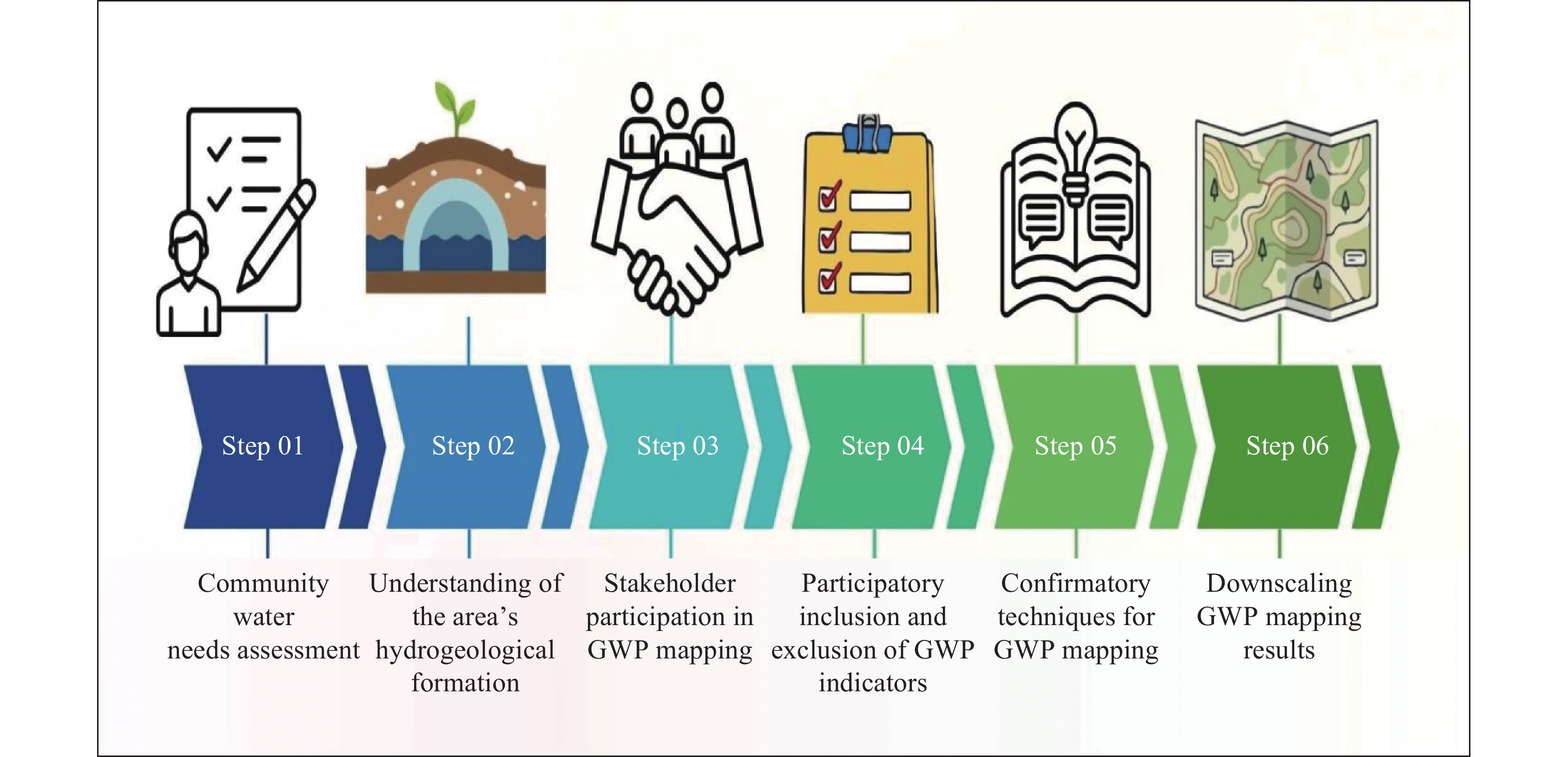
Abstract: Climate change and variability have increased global freshwater supply scarcity and water resources conflicts. Groundwater accounts for 97% of the world's freshwater supply and Zimbabwe's rural communities depend on it for socio-economic development. Groundwater exploration increased as communities negotiate access to freshwater amid a changing climate. The study assessed the contribution of multi-criteria procedures to Groundwater Potential (GWP) mapping within the low-productivity crystalline basement complex hydrogeological formation. A mixed-methods approach, combining key informant interviews, measurements, focus group discussions, geographic information systems, and remote sensing, was used to collect data. Thematic analysis, feature selection technique, support vector machines and statistical analysis were employed for data analysis. The multi-criteria procedure increased the success of groundwater potential mapping by 76.90% and 61.53% for the minimum domestic and irrigation water supply, respectively, compared to the single method, which achieved 7.41% for domestic and 0% for irrigation. To sustain the adoption and effectiveness of the multi-criteria procedure for GWP mapping, the study developed a procedure that involves community water needs assessment, understanding of the area's hydrogeological context and promoting stakeholder participation in GWP mapping. The participatory development of GWP mapping indicators and the deployment of confirmatory GWP mapping techniques are important for successful GWP mapping within low-yielding hydrogeological formations. The multi-criteria procedure is recommended to improve GWP for a low-productive aquifer.
-
Key words:
- Low aquifer productivity /
- Climate change /
- Water scarcity /
- Groundwater indicators /
- Groundwater potential mapping /
- Hydrogeological formation /
- Zimbabwe groundwater
The repository containing all codes and explanations can be accessed at:https://github.com/majawabenson844-del/GWP-SUPPORT-VECTOR-MACHINES
注释:1) Declaration of competing interest: 2) Data availability statement: -
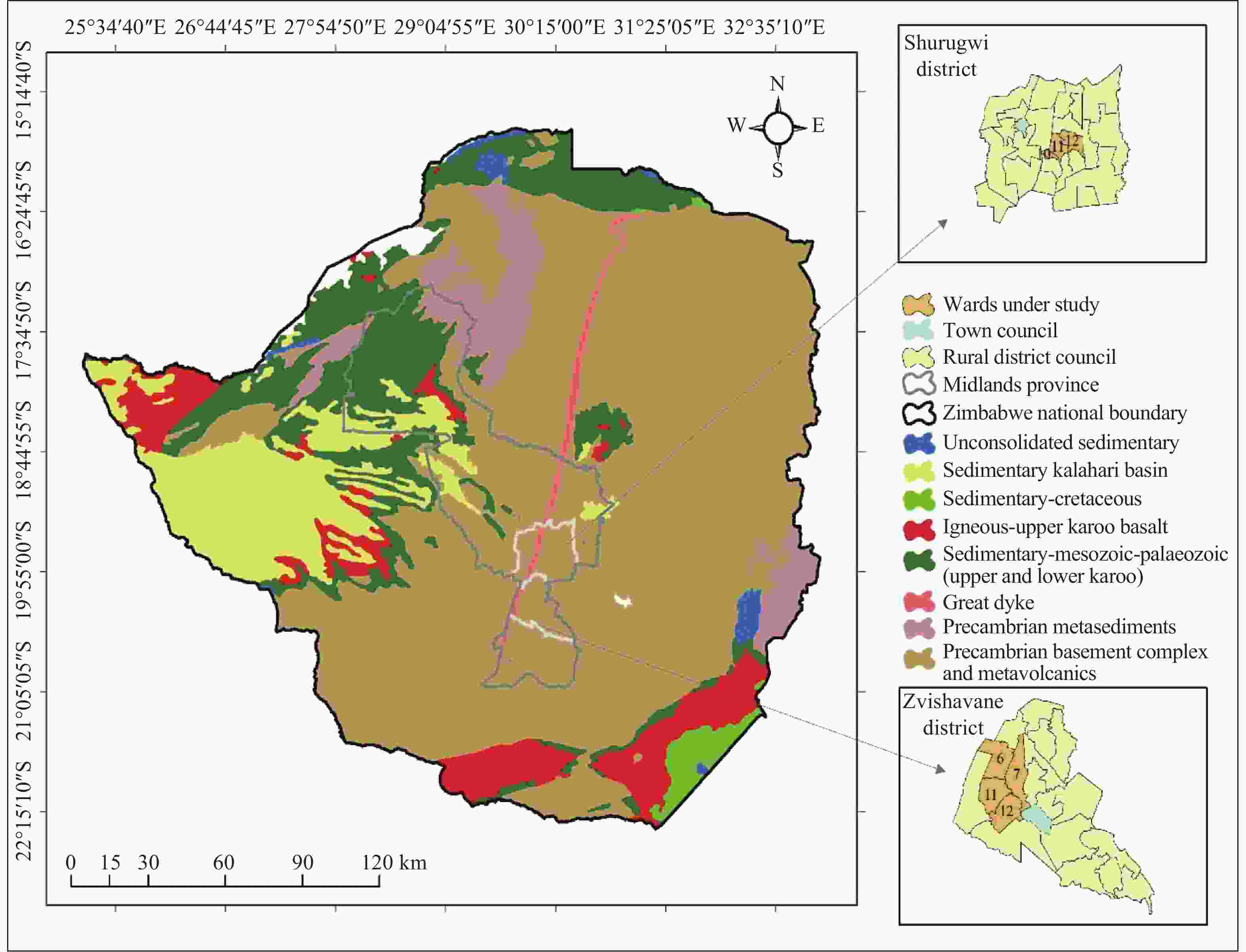
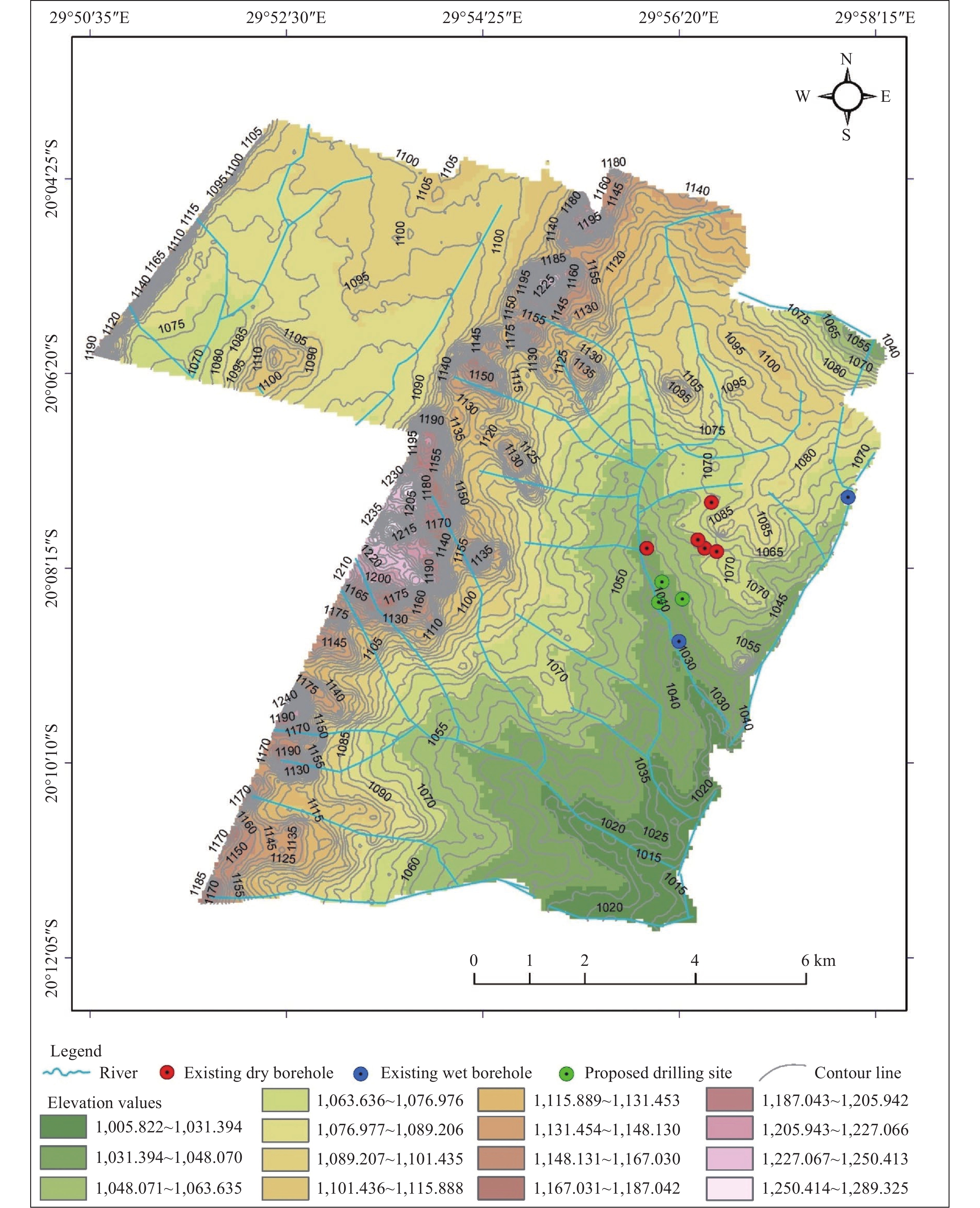
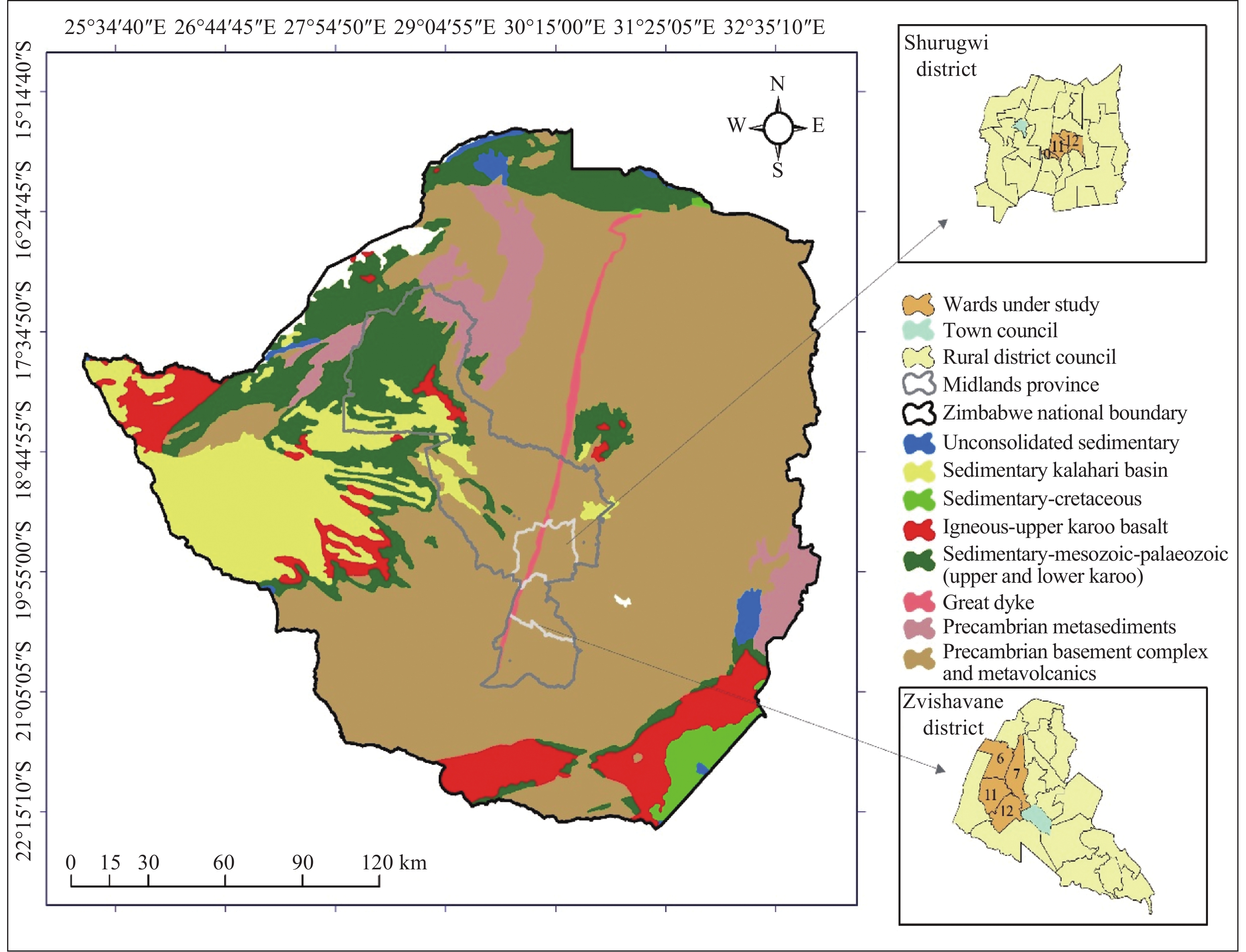
Figure 1. Study area underlain by precambrian basement complex hydrogeological formation
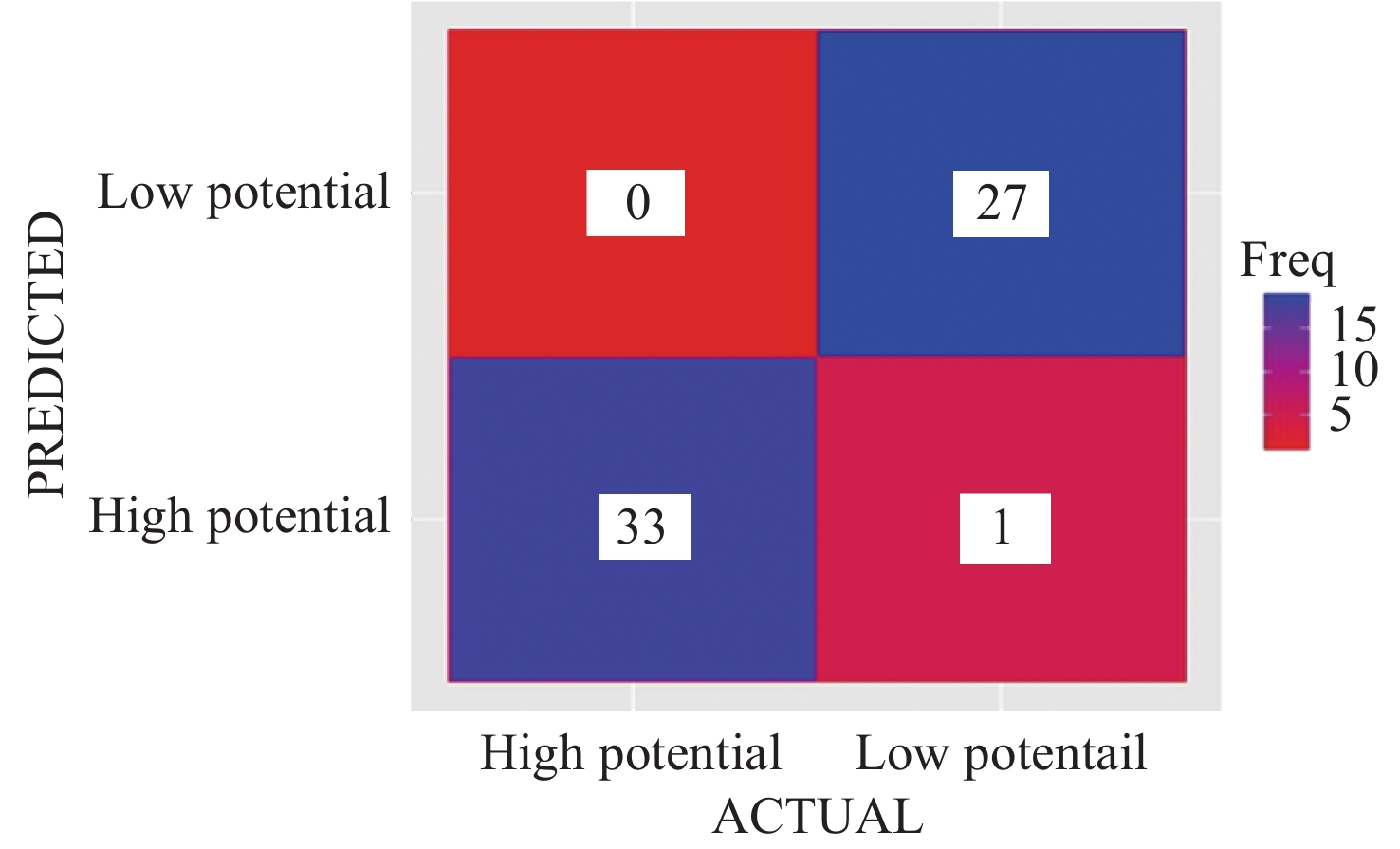
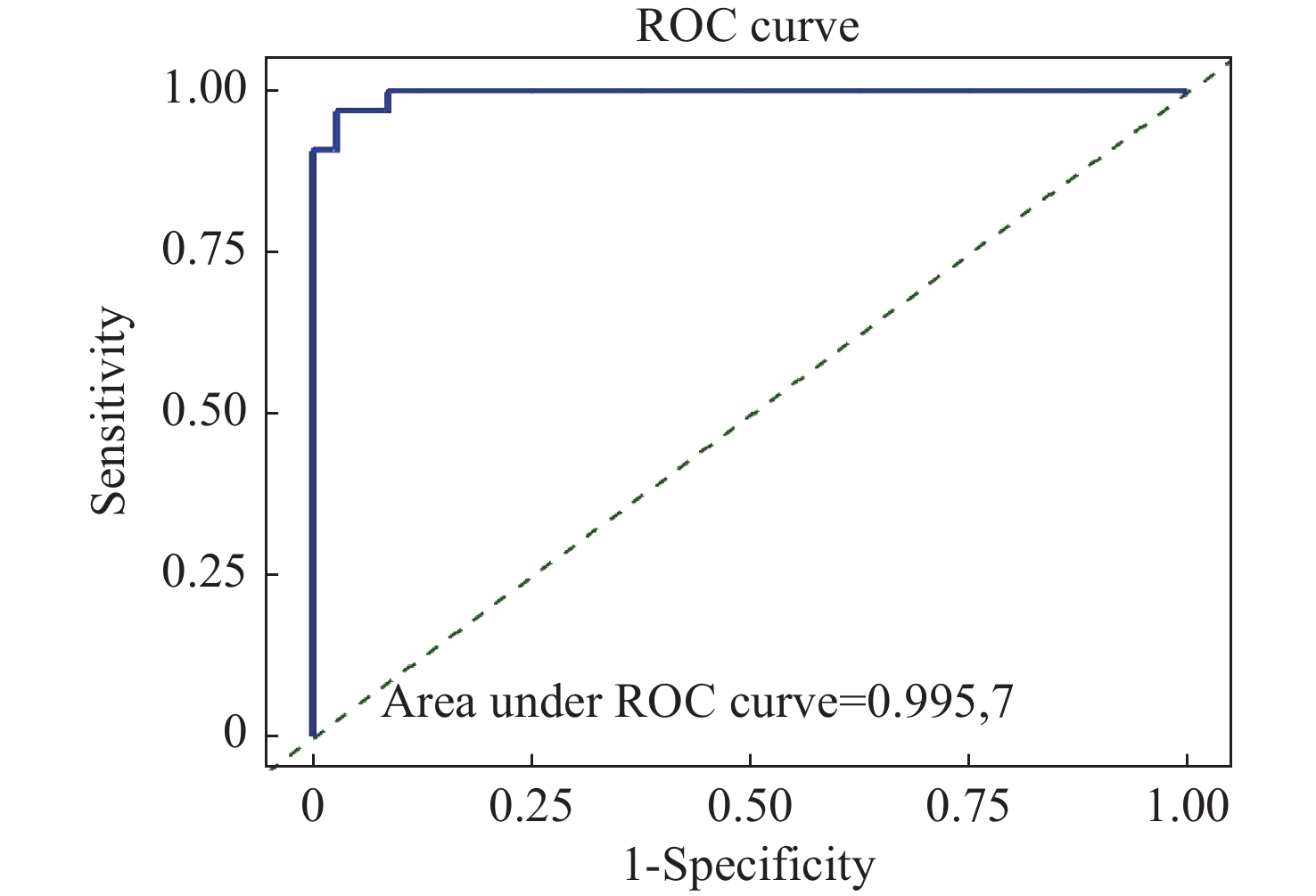
Figure 6. Successes and failures for borehole drilling in precambrian basement complex hydrogeological formation using different groundwater potential mapping procedures
Table 1. Collection of qualitative data
Data collection method Target Justification Key informant interviews A total of 4 key informants participated in the study. These are a RIDA official, a local charity organisation representative, a traditional leader representative and a water point committee member representative. These were contacted to provide information about historical and current practices used for groundwater potential mapping. They were selected for their influence and custodianship of information on groundwater potential mapping and practice in the study area. Participatory community mapping A total of 8 traditional and local leaders, including village heads and Ward Councillors from the areas, as well as representatives of women, participated in community mapping. These were selected for their knowledge of local groundwater development trends. They participated in identifying existing boreholes and other groundwater sources in the Shurugwi and Zvishavane districts. Focus group discussion Two focus group discussions, each with 7 members from water point committees, were conducted. These were selected for their lived experiences in groundwater mapping and development. They provided insights and helped to identify the use and users of local GWP mapping indicators in their respective areas.  下载: 导出CSV
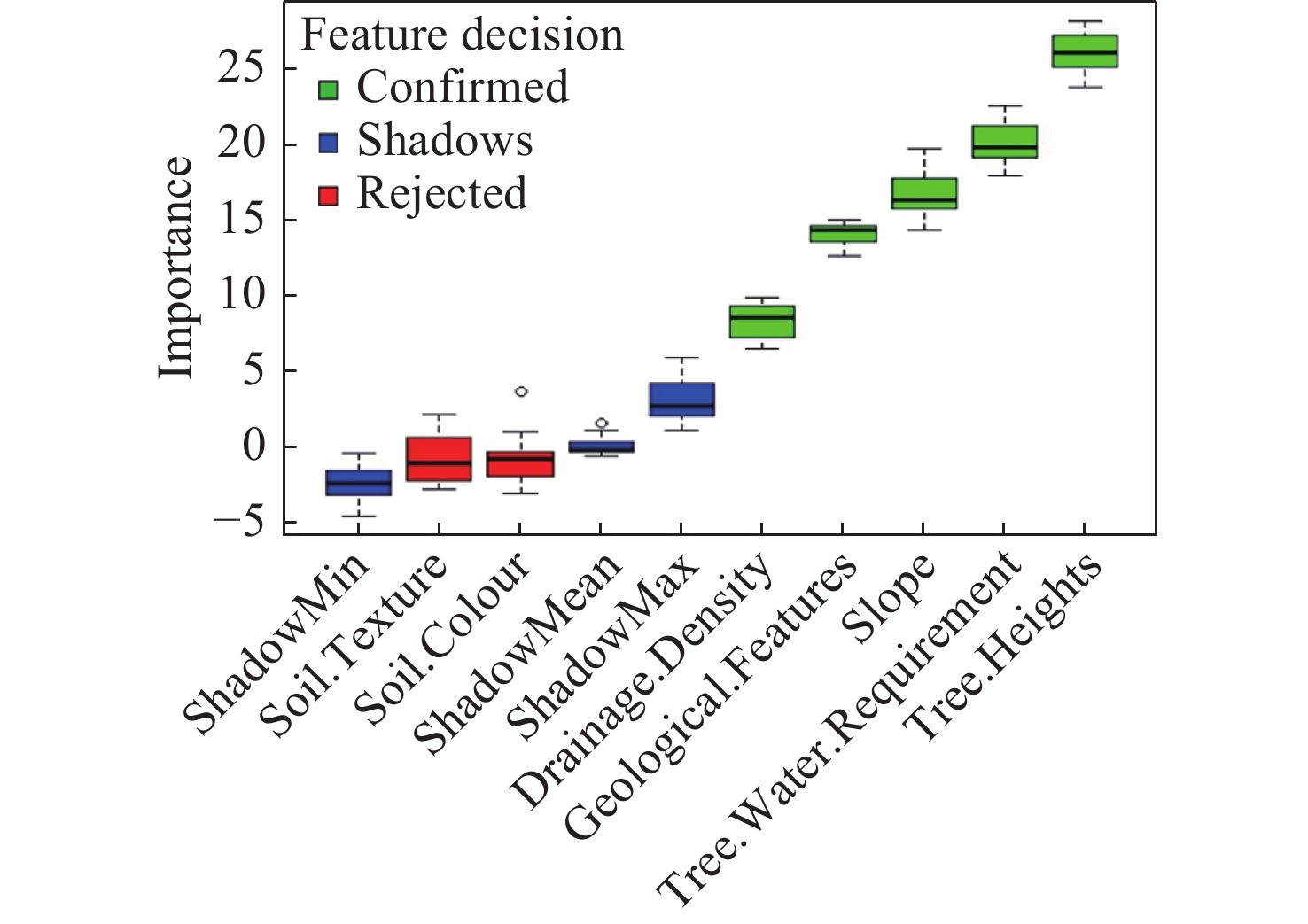
Table 2. Random forest feature importance
Feature Mean decrease accuracy Mean decrease gini Soil.texture 17.59 3.9 Soil.colour 13.42 2.36 Geological.features 19.48 5.13 Elevation 35.25 14.39 Natural vegetation (tree vigour) 32.51 12.37 Natural vegetation (tree height) 37.42 14.97 Drainage density 29.17 7.61
下载: 导出CSV
Table 3. Average borehole yields from groundwater potential mapping technique application
Number of methods Boreholes assessed Average yields (L/S) Yield category 1 27 0.32 L/S Low 2 15 0.67 L/S Low – Moderate 3+ 13 2.33 L/S Moderate
下载: 导出CSV
Table 4. Analysis of variances
Source of variation Degrees Sum of squares Mean Sum of Squares F value P. value Methods Applied 2 36.27 18.135 27.61 <0.001 Residuals 52 34.15 0.657
下载: 导出CSV
Table 5. Tukey's HSD post hoc test
Methods Applied Mean different 95% C.I (lower) 95% C.I (upper) P. value 2-1 0.3552 −0.2745 0.9848 0.3687 3-1 2.0060 1.3459 2.6661 <0.001 3-2 1.6508 0.9099 2.3917 <0.001
下载: 导出CSV
Table 6. Comparison of groundwater potential mapping methodological combinations utilised and borehole success rate for domestic and irrigation water requirements
Methods applied Borehole capacity tested Minimum domestic water supply
(1L/S) = 3,600 L/hMinimum smallholder irrigation water
supply (2L/S) = 7,200 L/hCapacity test yield (1L+/sec) Success rate (%) Capacity test yield (2L+/sec) Success rate (%) 1 27 2 7.41% 0 0% 2 15 4 26.67% 1 6.6% 3+ 13 10 76.9% 8 61.53%
下载: 导出CSV
-
Abu M, Egbueri JC, Agbasi JC. 2025. Groundwater quality assessment for drinking and irrigation uses within the vicinities of Volta Lake and Akosombo Dam in Ghana: A multi-methodological approach. Environmental Earth Sciences, 84(7): 185. DOI: 10.1007/s12665-025-12174-8. Agbasi JC, Abu M, Egbueri JC. 2026. Towards sustainable industrial development: Modelling the quality, scaling potential and corrosivity of groundwater using GIS, spatial statistics, soft computing and index-based methods. Environment, Development and Sustainability, 28(2): 4085−4125. DOI: 10.1007/s10668-024-05105-3. Agbasi JC, Abu M, Pande CB, et al. 2025. Groundwater salinization in coastal regions and the control mechanisms: Insights for sustainable groundwater development and management. Sustainable Groundwater and Environment: Challenges and Solutions. Cham: Springer Nature Switzerland: 165−191. DOI: 10.1007/978-3-031-82194-3_8. Akinwumiju AS. 2020. Hydrogeological characteristics of crystalline rock aquifers: Implication on sustainable water supply in the basement complex terrain of southwestern Nigeria. Sustainable Water Resources Management, 6(2): 26. DOI: 10.1007/s40899-020-00381-z. Al-Gamal SA. 2021. The potential impacts of climate change on groundwater management in West Africa. Water Productivity Journal. DOI: 10.22034/WPJ.2021.266953.1026. Ascott MJ, MacDonald DMJ, Sandwidi WJP, et al. 2022. Time of emergence of impacts of climate change on groundwater levels in sub-Saharan Africa. Journal of Hydrology, 612: 128107. DOI: 10.1016/j.jhydrol.2022.128107. Bhaduri A, Iftekhar S, Estifanos T. 2022. Development of a methodological framework for the State of Land and Water Resources 2021–Driving force-pressure-state-impact-response Framework for land, soil and water resources for agriculture. Rome: Food and Agriculture Organization of the United Nations: 35. DOI: 10.4060/cc0904en Díaz-Alcaide S, Martínez-Santos P. 2019. Advances in groundwater potential mapping. Hydrogeology Journal, 27(7): 2307−2314. DOI: 10.1007/s10040-019-02001-3. Etuk MN, Igwe O, Egbueri JC. 2023. An integrated geoinformatics and hydrogeological approach to delineating groundwater potential zones in the complex geological terrain of Abuja, Nigeria. Modeling Earth Systems and Environment, 9(1): 285−311. DOI: 10.1007/s40808-022-01502-7. Fajana AO. 2020. Groundwater aquifer potential using electrical resistivity method and porosity calculation: A case study. NRIAG Journal of Astronomy and Geophysics, 9(1): 168−175. DOI: 10.1080/20909977.2020.1728955. Food, Agriculture Organization of the United Nations (FAO), 2023. FAO's Conceptual framework for integrated land and water resources management: PC 137/6. Rome: Food and Agriculture Organization of the United Nations. https://openknowledge.fao.org/server/api/core/bitstreams/5a7dc994-1a30-45b6-82c0-ed8340b634b8/content Gautam VK, Pande CB, Kothari M, et al. 2023. Exploration of groundwater potential zones mapping for hard rock region in the Jakham river basin using geospatial techniques and aquifer parameters. Advances in Space Research, 71(6): 2892−2908. DOI: 10.1016/j.asr.2022.11.022. Gaye CB, Tindimugaya C. 2019. Challenges and opportunities for sustainable groundwater management in Africa. Hydrogeology Journal, 27(3): 1099−1110. DOI: 10.1007/s10040-018-1892-1. Gromnicki K, Chudy K. 2025. Impact assessment of mining dewatering on vegetation based on satellite image analysis and the NDVI index—a case study of a chalk mine. Resources, 14(9): 134. DOI: 10.3390/resources14090134. Hussein AA, Govindu V, Nigusse AGM. 2017. Evaluation of groundwater potential using geospatial techniques. Applied Water Science, 7(5): 2447−2461. DOI: 10.1007/s13201-016-0433-0. Ishola K, Ogunsanya S, Adiat K, et al. 2013. Assessing groundwater potential zones in basement complex terrain using resistivity depth soundings: A case of challenge and oluyole in Ibadan, southwestern Nigeria. Nigeria Journal of Science, 1(1). Jesse G, Boateng CD, Aryee JNA, et al. 2025. A systematic review of machine learning models for groundwater level prediction. Applied Computing and Geosciences, 28: 100303. DOI: 10.1016/j.acags.2025.100303. Kabote, S. J., & Gudaga, J. L. 2018. Groundwater conflicts or disputes? Experience from Mbarali District in Tanzania. Journal of African Studies and Development, 10(5): 51−60. DOI: 10.5897/JASD2018.0503. Kubingwa JN, Makoba EE, Mussa KR. 2023. Integrated geospatial and geophysical approaches for mapping groundwater potential in the semi-arid bukombe district, Tanzania. Earth, 4(2): 241−265. DOI: 10.3390/earth4020013. Lee S, Hyun Y, Lee S, et al. 2020. Groundwater potential mapping using remote sensing and GIS-based machine learning techniques. Remote Sensing, 12(7): 1200. DOI: 10.3390/rs12071200. MacDonald AM, Davies J. 2000. A brief review of groundwater for rural water supply in sub-Saharan Africa. MacDonald DMJ, Edmunds WM. 2014. Estimation of groundwater recharge in weathered basement aquifers, southern Zimbabwe; a geochemical approach. Applied Geochemistry, 42: 86−100. DOI: 10.1016/j.apgeochem.2014.01.003. Manatsa D, Mushore TD, Gwitira I, et al. 2020. Revision of Zimbabwe's agro-ecological zones. Government of Zimbabwe. https://agris.fao.org/search/en/providers/125508/records/6801269bdd564a9a8283a066 Manyakaidze P, Musavengane R, Simatele M. 2024. Groundwater development and management constraints in drought prone Chiredzi and Zvishavane Districts, Zimbabwe. Climate Services, 34: 100467. DOI: 10.1016/j.cliser.2024.100467. Matiri FM, Kagunyu, AW, Kizito K. 2013. An analysis of policy related documents in the context of integrated land and water management in Kenya. In Joint Proceedings of the 27th Soil Science Society of East Africa and the 6th African Soil Science Society Conference, Nakuru, Kenya: 10. May SY, Khaing KK, Ward JST. 2022. The role of groundwater in rural water supply. Groundwater for Sustainable Livelihoods and Equitable Growth. London: CRC Press: 315−335. DOI: 10.1201/9781003024101-17. Martínez-Santos P, Renard P. 2020. Mapping groundwater potential through an ensemble of big data methods. Groundwater, 58(4): 583−597. DOI: 10.1111/gwat.12939. Mostafa AE, Ali MAM, Ali FA, et al. 2025. Groundwater potential mapping in semi-arid areas using integrated remote sensing, GIS, and geostatistics techniques. Water, 17(13): 1909. DOI: 10.3390/w17131909. Muchingami I, Chuma C, Gumbo M, et al. 2019. Approaches to groundwater exploration and resource evaluation in the crystalline basement aquifers of Zimbabwe. Hydrogeology Journal, 27(3): 915−928. DOI: 10.1007/s10040-019-01924-1. Nandi S, Swain S. 2024. Role of groundwater systems in fulfilling sustainable development goals: A focus on SDG6 and SDG13. Current Opinion in Environmental Science and Health, 42: 100576. DOI: 10.1016/j.coesh.2024.100576. Nasta P, Gates JB, Wada Y. 2016. Impact of climate indicators on continental-scale potential groundwater recharge in Africa. Hydrological Processes, 30(19): 3420−3433. DOI: 10.1002/hyp.10869. Ndhlovu GZ, Woyessa YE. 2021. Integrated assessment of groundwater potential using geospatial techniques in southern Africa: A case study in the zambezi river basin. Water, 13(19): 2610. DOI: 10.3390/w13192610. Owolabi ST, Madi K, Kalumba AM, et al. 2020. A groundwater potential zone mapping approach for semi-arid environments using Remote sensing (RS), Geographic Information System (GIS), and Analytical Hierarchical Process (AHP) techniques: A case study of Buffalo catchment, Eastern Cape, South Africa. Arabian Journal of Geosciences, 13(22): 1184. DOI: 10.1007/s12517-020-06166-0. Ó DOCHARTAIGH BÉ. 2019. User Guide: Africa Groundwater Atlas Country Hydrogeology Maps, Version 1.1. British Geological Survey Open Report: 21. https://nora.nerc.ac.uk/id/eprint/531584/1/OR21063.pdf Peksezer-Sayit A, Cankara-Kadioglu C, Yazicigil H. 2015. Assessment of dewatering requirements and their anticipated effects on groundwater resources: A case study from the caldag nickel mine, western Turkey. Mine Water and the Environment, 34(2): 122−135. DOI: 10.1007/s10230-014-0306-4. Peña-Ramos JA, José López-Bedmar R, Sastre FJ, et al. 2022. Water conflicts in sub-Saharan Africa. Frontiers in Environmental Science, 10: 863903. DOI: 10.3389/fenvs.2022.863903. Prasad P, Loveson VJ, Kotha M, et al. 2020. Application of machine learning techniques in groundwater potential mapping along the west coast of India. GIScience & Remote Sensing, 57(6): 735−752. DOI: 10.1080/15481603.2020.1794104. Rodriguez MMC, Ferolin TP. 2024. Groundwater resource exploration and mapping methods: A review. Journal of Environmental Engineering and Science, 19(3): 140−156. DOI: 10.1680/jenes.23.00051. Shelar RS, Nandgude SB, Pande CB, et al. 2023. Unlocking the hidden potential: Groundwater zone mapping using AHP, remote sensing and GIS techniques. Geomatics, Natural Hazards and Risk, 14(1): 2264458. DOI: 10.1080/19475705.2023.2264458. Velis M, Conti KI, Biermann F. 2017. Groundwater and human development: Synergies and trade-offs within the context of the sustainable development goals. Sustainability Science, 12(6): 1007−1017. DOI: 10.1007/s11625-017-0490-9. Wagoneka ST, Gumindoga W, Rwasoka DT, et al. 2025. Mapping groundwater potential and recharge for advisory and monitoring systems in Zimbabwe's Upper Manyame sub-catchment. Hydrological Sciences Journal, 70(10): 1585−1601. DOI: 10.1080/02626667.2025.2499617. Yang XD, Qie YD, Teng DX, et al. 2019. Prediction of groundwater depth in an arid region based on maximum tree height. Journal of Hydrology, 574: 46−52. DOI: 10.1016/j.jhydrol.2019.04.022. Yariyan P, Avand M, Omidvar E, et al. 2022. Optimization of statistical and machine learning hybrid models for groundwater potential mapping. Geocarto International, 37(13): 3877−3911. DOI: 10.1080/10106049.2020.1870164. Zimbabwe Vulnerability Assessment Committee (ZimVAC). 2022 Rural Livelihoods Assessment Report. Food and Nutrition Council. https://fscluster.org/sites/default/files/documents/zimvac_2022_rural_livelihoods_assessment_report.pdf -

 点击查看大图
计量
- 文章访问数: 3
- HTML全文浏览量: 1
- PDF下载量: 0
- 被引次数: 0


