 E-mail alert
 Rss
Rss



Comparative evaluation of upscaled analytical and numerical models for DNAPL dissolution processes
-
Abstract: Mathematical model-based accurate evaluation of the remediation process at organic pollution sites serves as an efficient approach to the management and remediation of contaminant source zones. Numerical and upscaled analytical solution models are effective mathematical methods for reproducing the Dense Nonaqueous Phase Liquid (DNAPL) remediation process. However, in the current design of pollutant removal schemes, effective mass transfer models for characterizing the elution behaviors of contaminants remain lacking. In this study, two mathematical methods integrated with improved mass transfer models were employed to simulate the multi-stage contaminant elution behaviors under two distinct scenarios: A mixed-source region subjected to continuous water flushing and a residual DNAPL source treated with shorter-duration pulse flushing of the ethanol solution. Both the improved numerical model and upscaled analytical solution model demonstrated enhanced accuracy, which was attributed to the incorporation of solubilization mechanisms into mass transfer processes and the adoption of a multi-source region division method. The Mean Absolute Errors (MAE) of the numerical simulation for the two scenarios were 20.68 mg/L and 6.93 mg/L, respectively, whereas those of the upscaled model were 33.29 mg/L and 8.60 mg/L, respectively. Comparing the two improved models, the numerical model exhibited higher accuracy, while the upscaled model was characterized by faster computation speed and fewer input parameters.
-

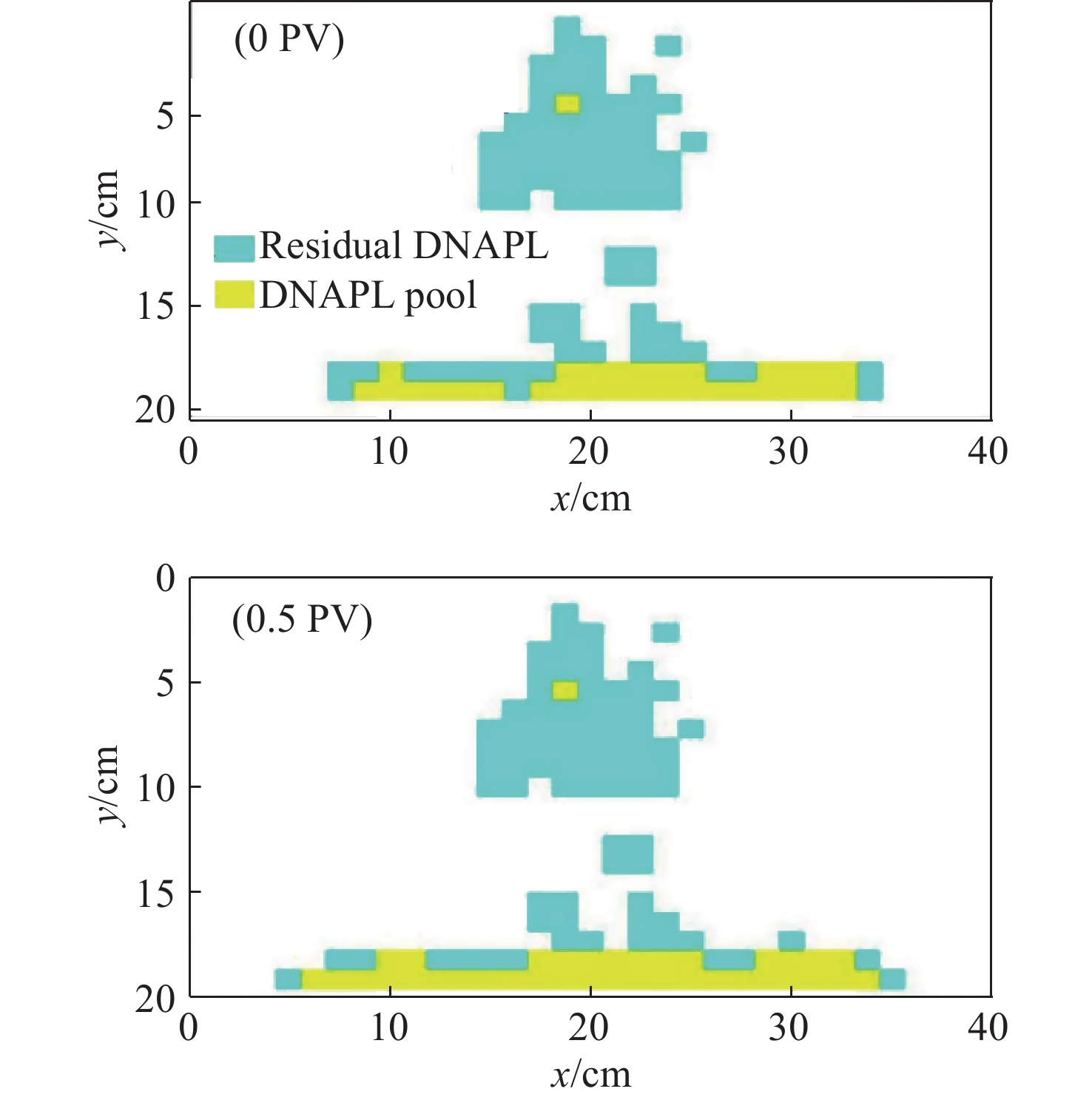
Figure 1. Comparison of DNAPL distributions at different times (PV) in the mixed-source experiment

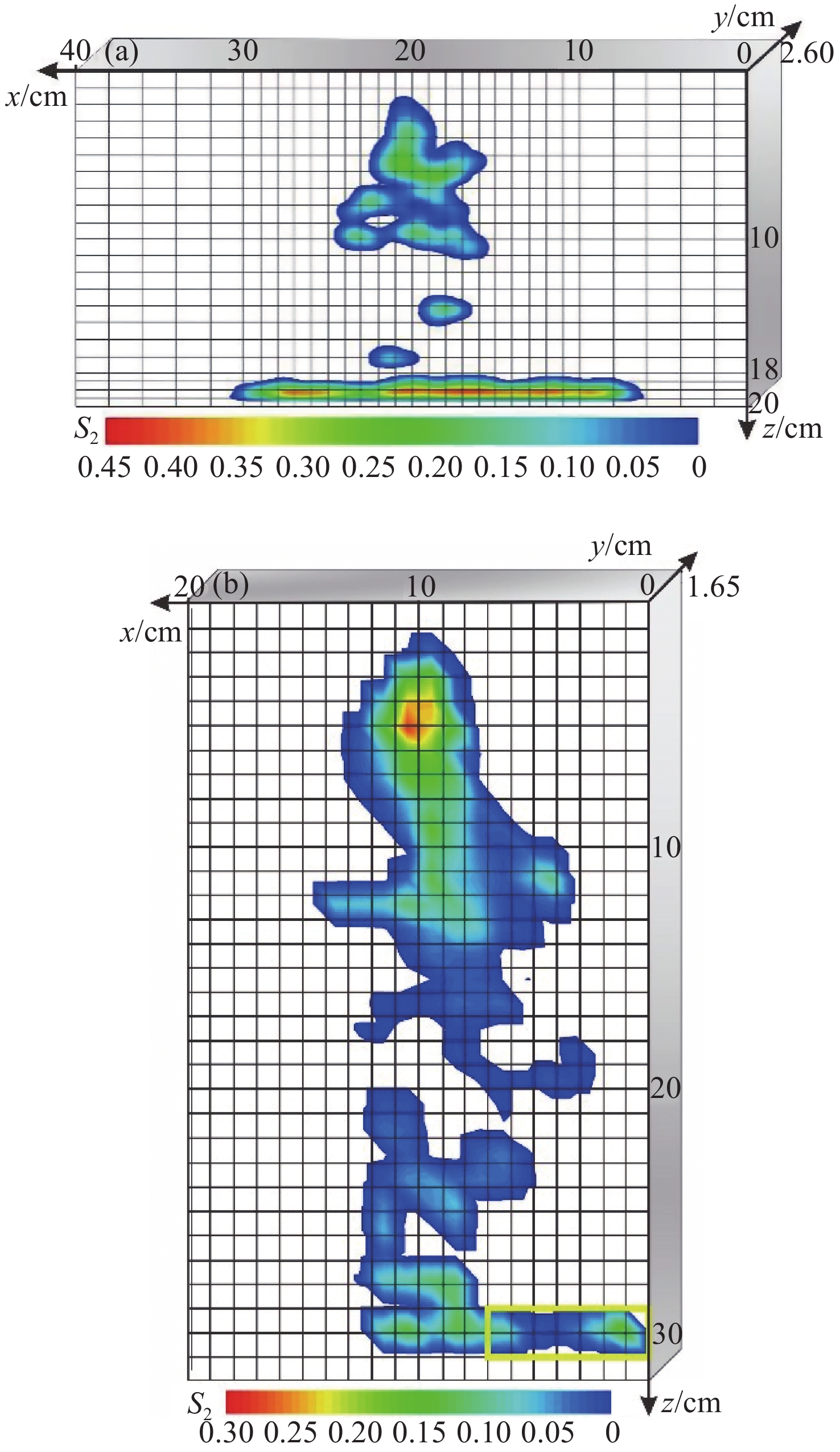
Figure 2. The initial DNAPL distribution before flushing.
Notes: a-mesh generation for Experiment A; b-mesh generation for Experiment B

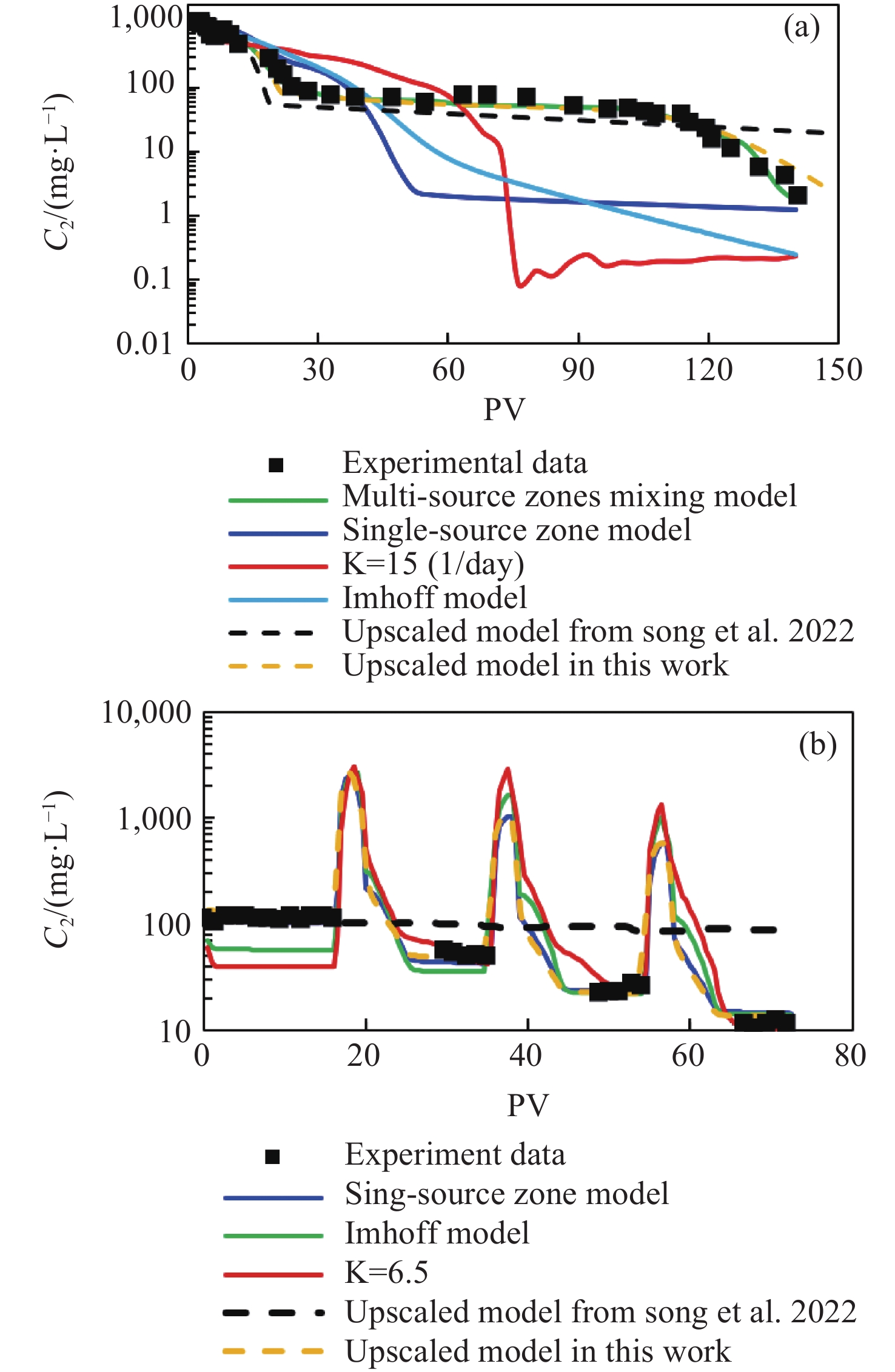
Figure 3. The simulated elution concentration (C2) from the upscaled analytical solution model and numerical model, respectively
Notes: a-Experiment A; b-Experiment B

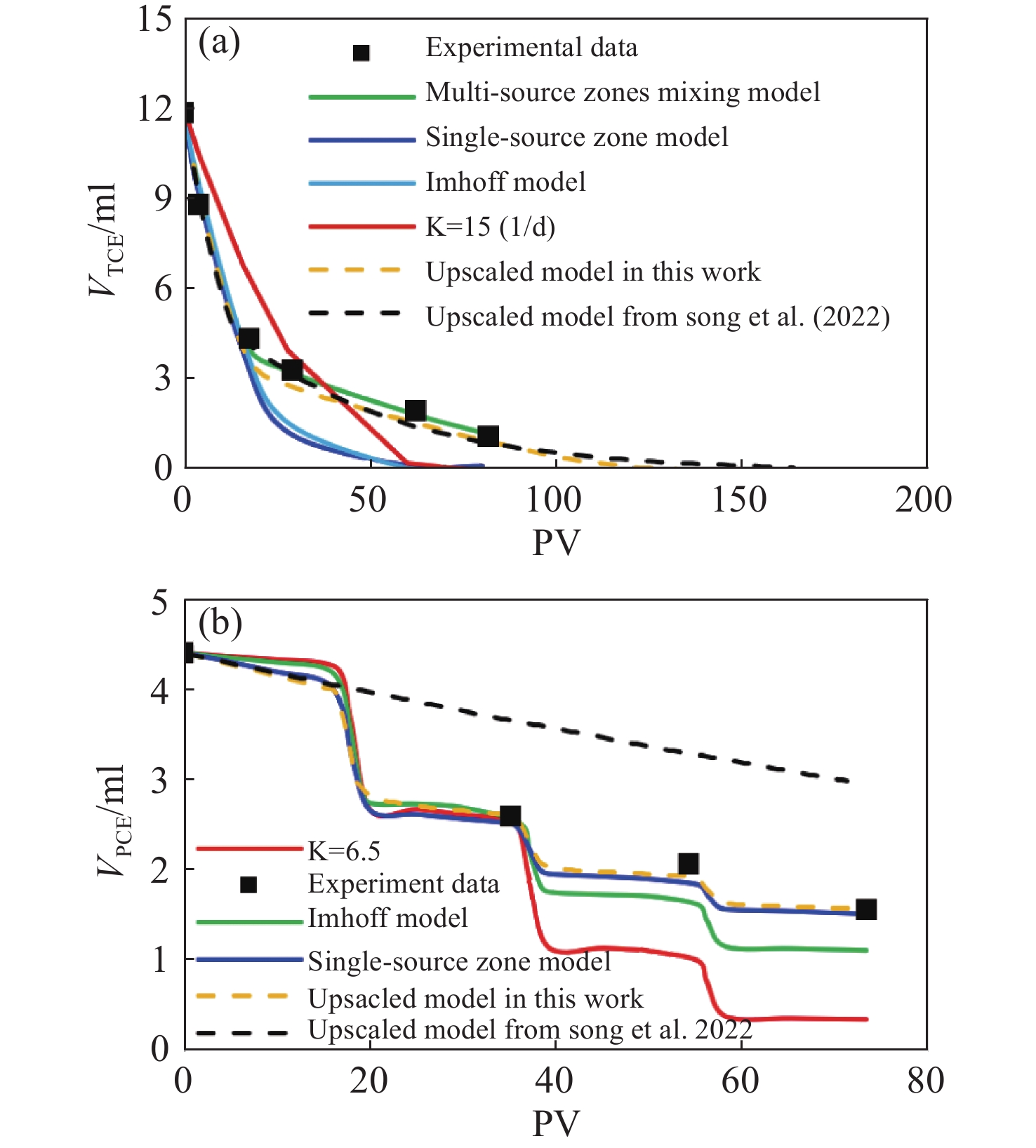
Figure 4. The remaining DNAPL volume (V) in the flow cell varying with the pore volume of injected flushing fluid (PV)
Notes: a-Experiment A; b-Experiment B

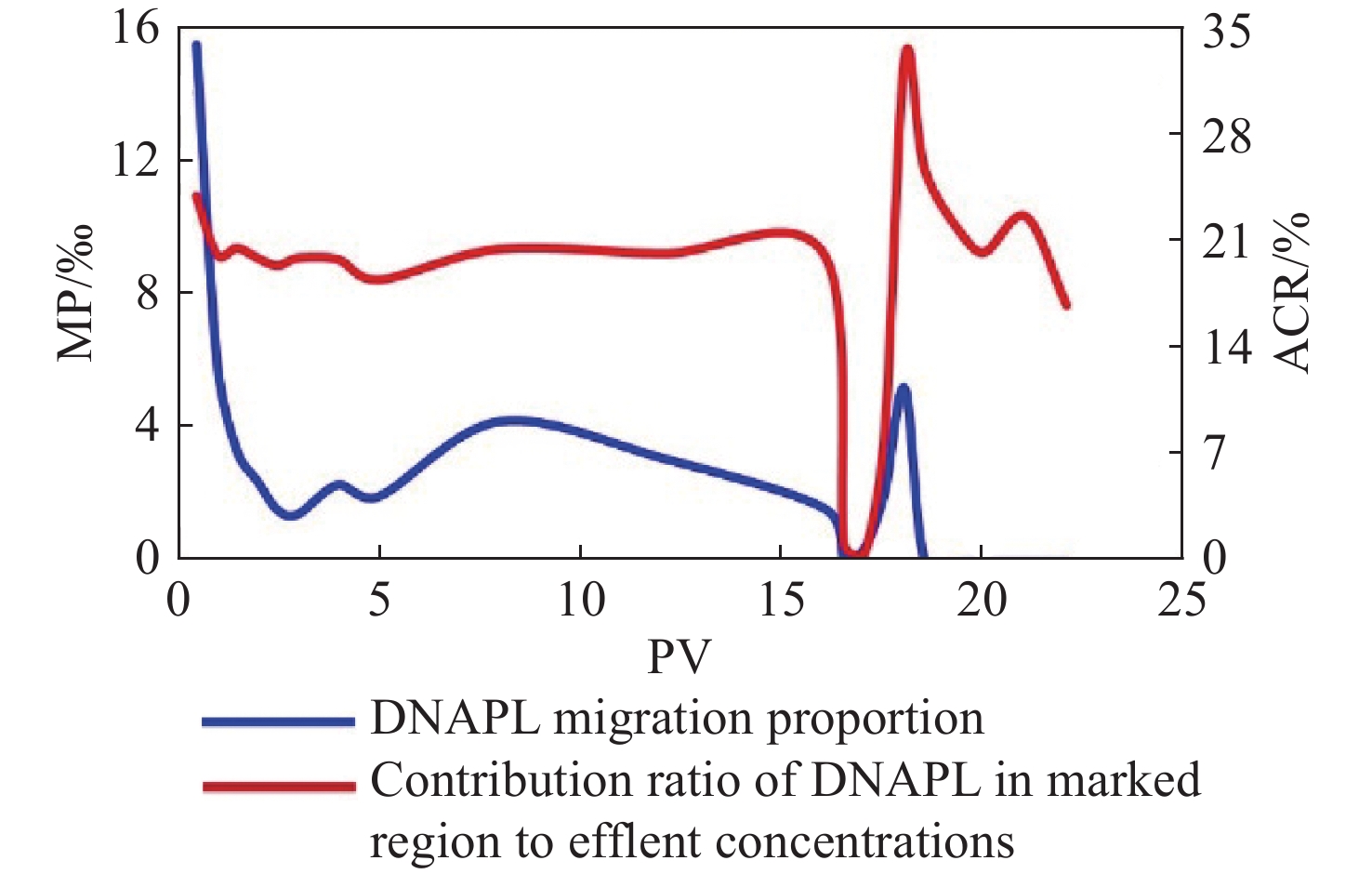
Figure 5. DNAPL Nigration Proportion (MP) and average contribution ratio of DNAPL to effluent concentrations in the marked zone (ACR)

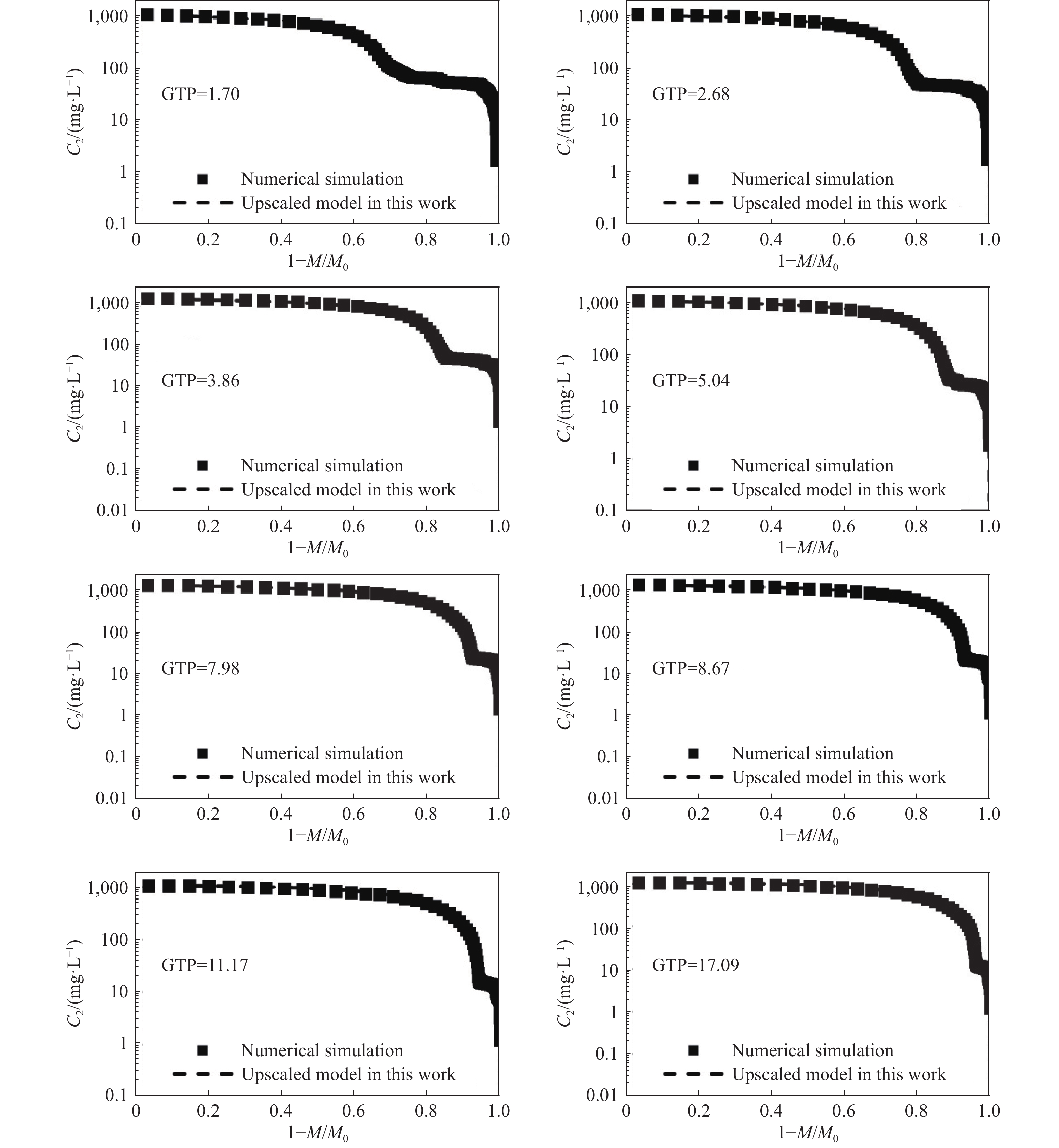
Figure 6. Under different initial DNAPL distributions (GTP), the prediction of elution concentration (C2), from the upscaled analytical solution model and the numerical model (multi-source zone mixing model), varying with DNAPL depletion ratio (1−M/M0).

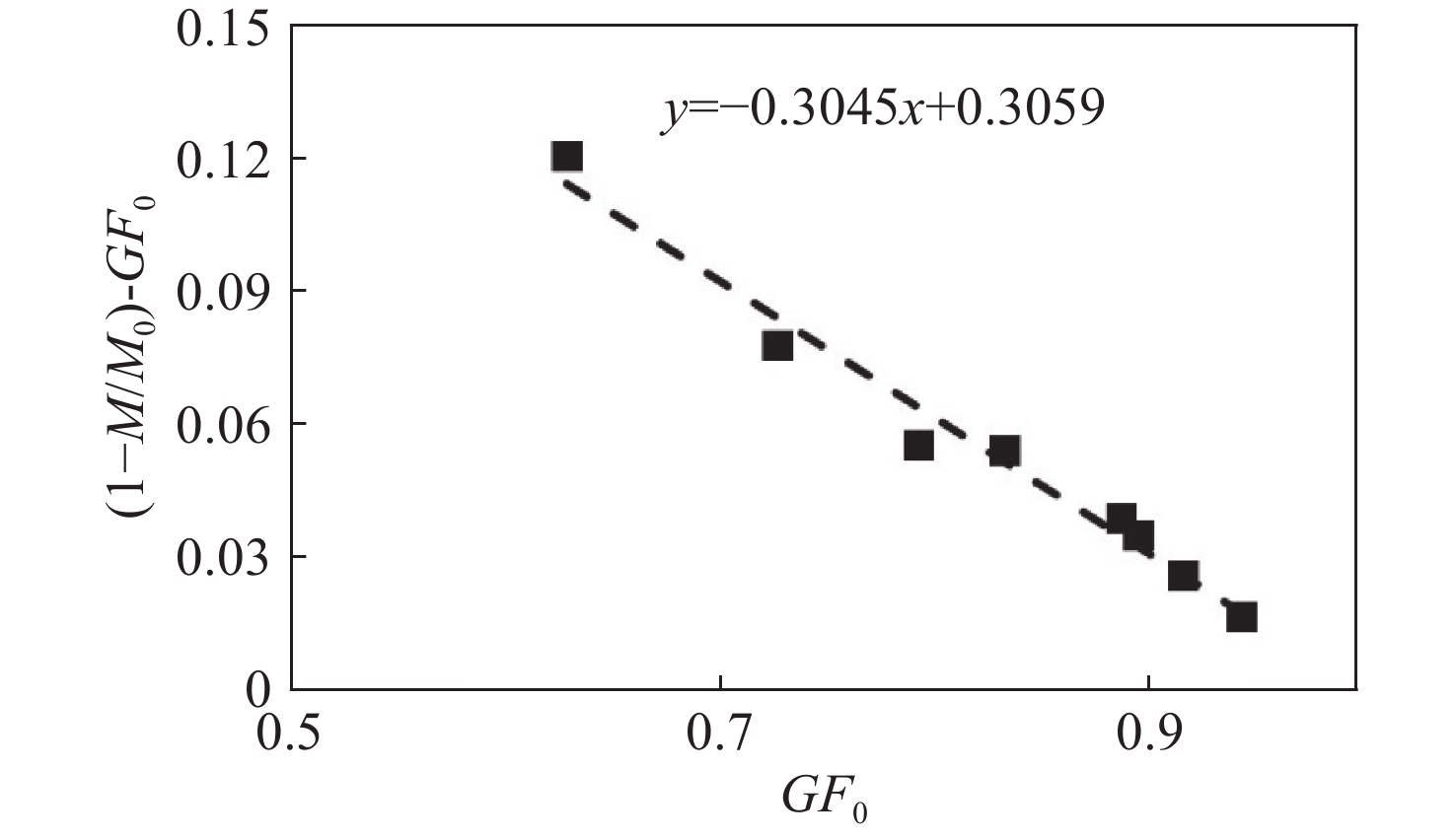
Figure 7. The relationship between the removal ratio of DNAPL in the contaminated region, i.e., (1−M/M0), and the initial proportion of DNAPL ganglia (GF0) when the elution curve enters the second stage

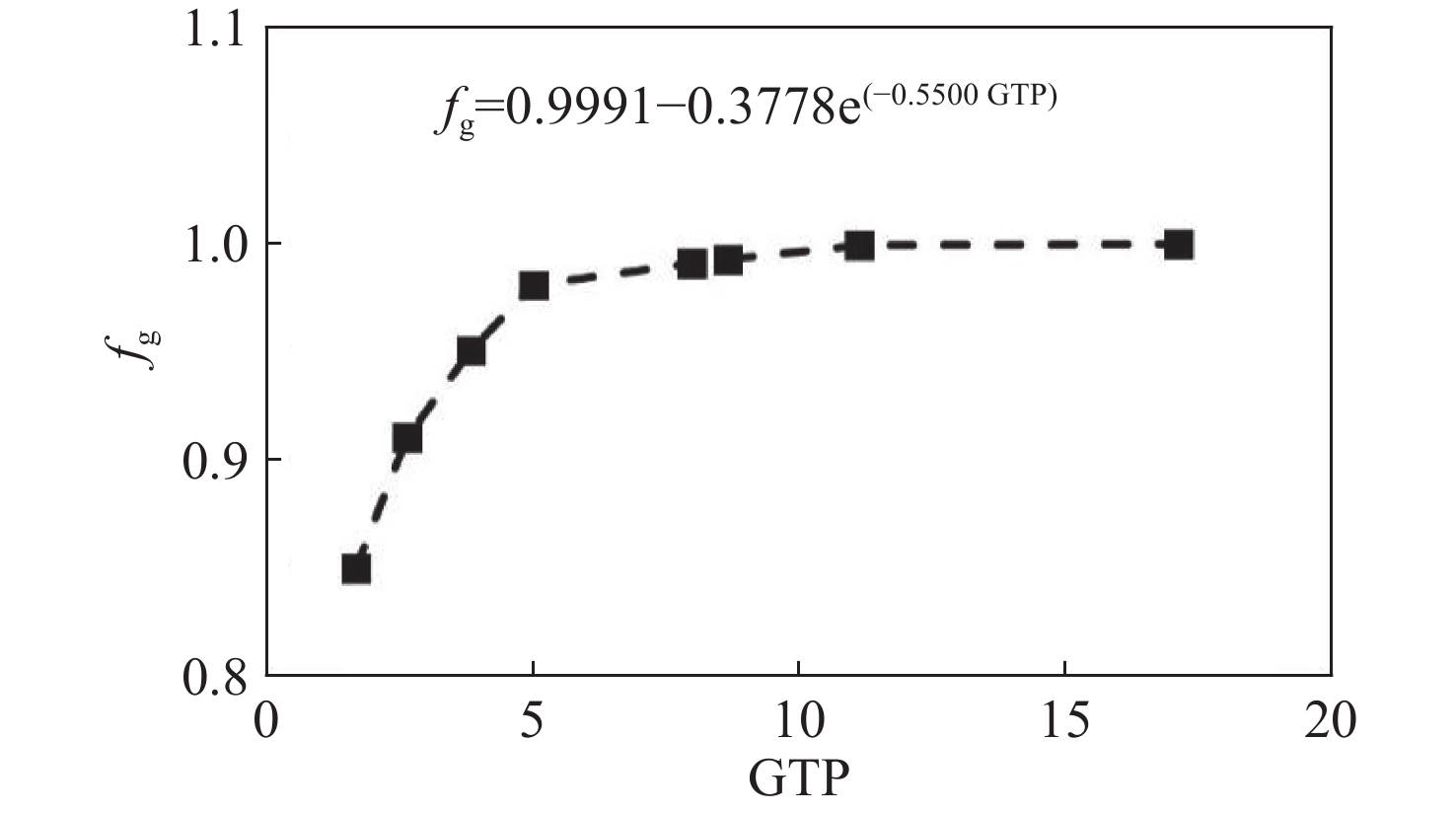
Figure 8. The relationship between the proportion of the flux from DNAPL ganglia (fg) and the initial DNAPL distribution (GTP)

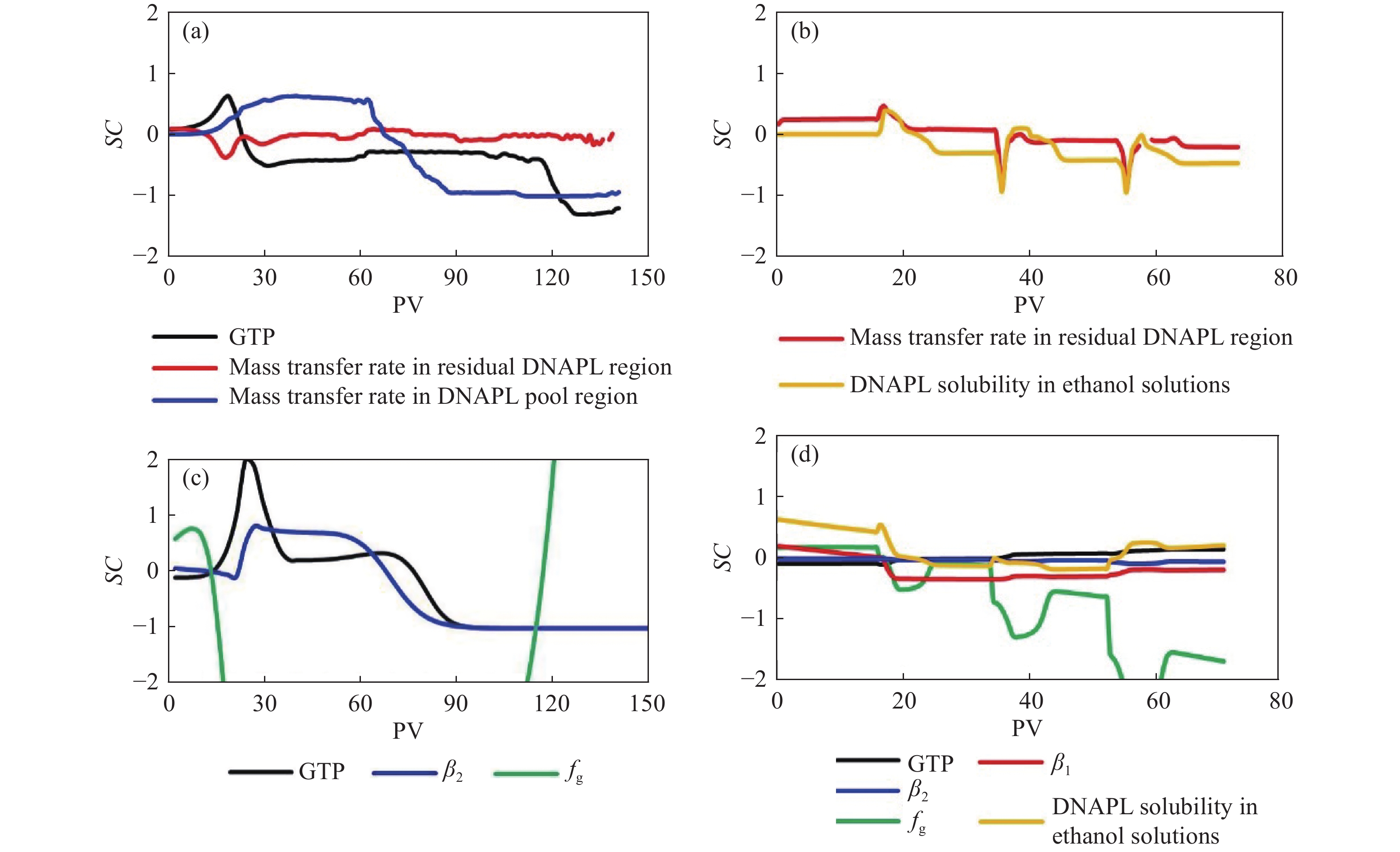
Figure 9. Sensitivity Coefficients (SC) of key parameters for the numerical model predicting the effluent concentration under
Notes: (a) the mixed-source configuration and (b) the pulse flushing of ethanol solutions, for the upscaled analytical solution model predicting the effluent concentration under (c) the mixed-source configuration and (d) the pulse flushing of ethanol solutions

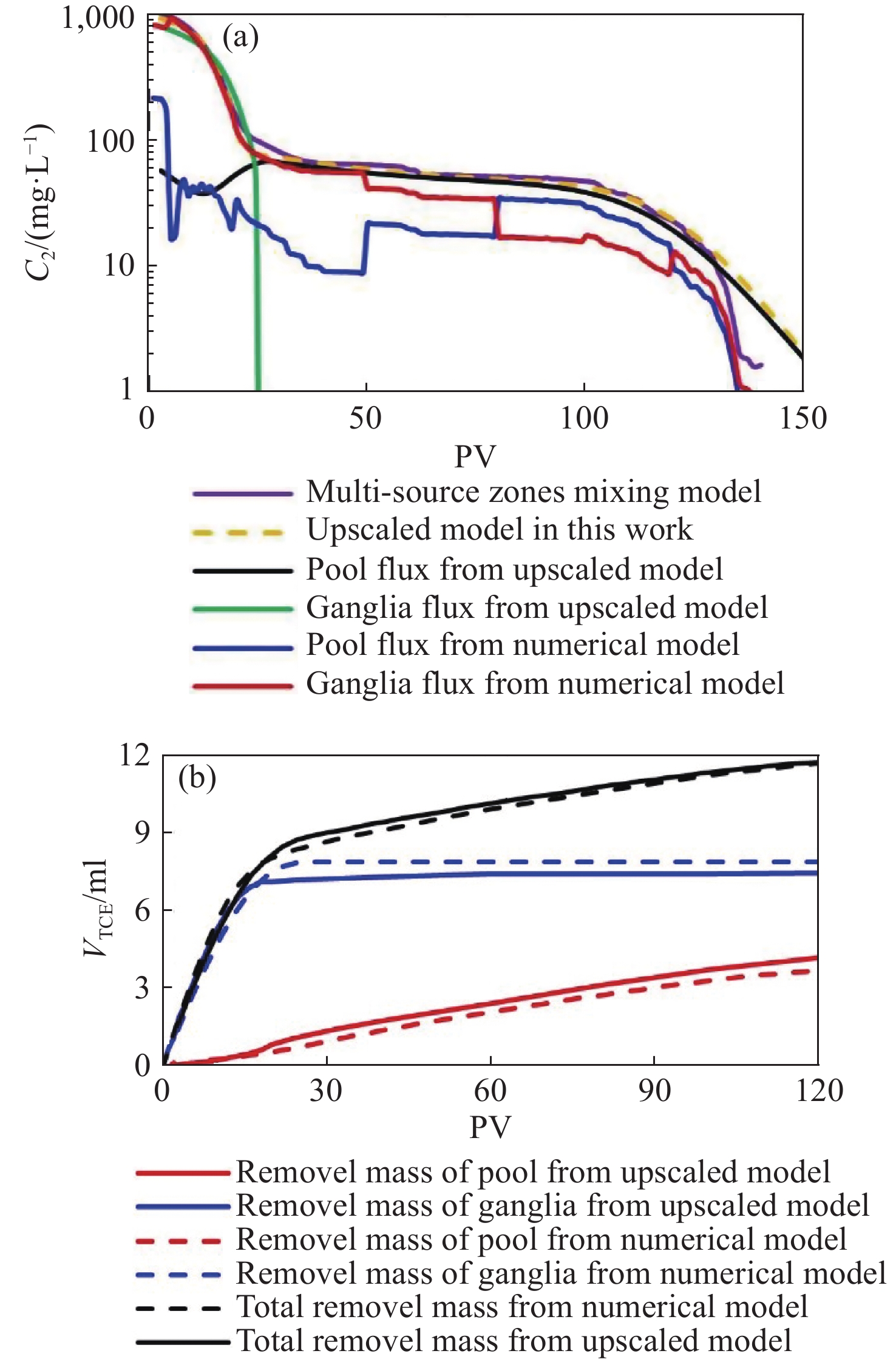
Figure 10. Contaminant fluxes (C2, a) and removal mass (VTCE, b) from the pool- and ganglia-dominated DNAPL source regions predicted by the upscaled analytical solution model and the numerical model in Experiment A

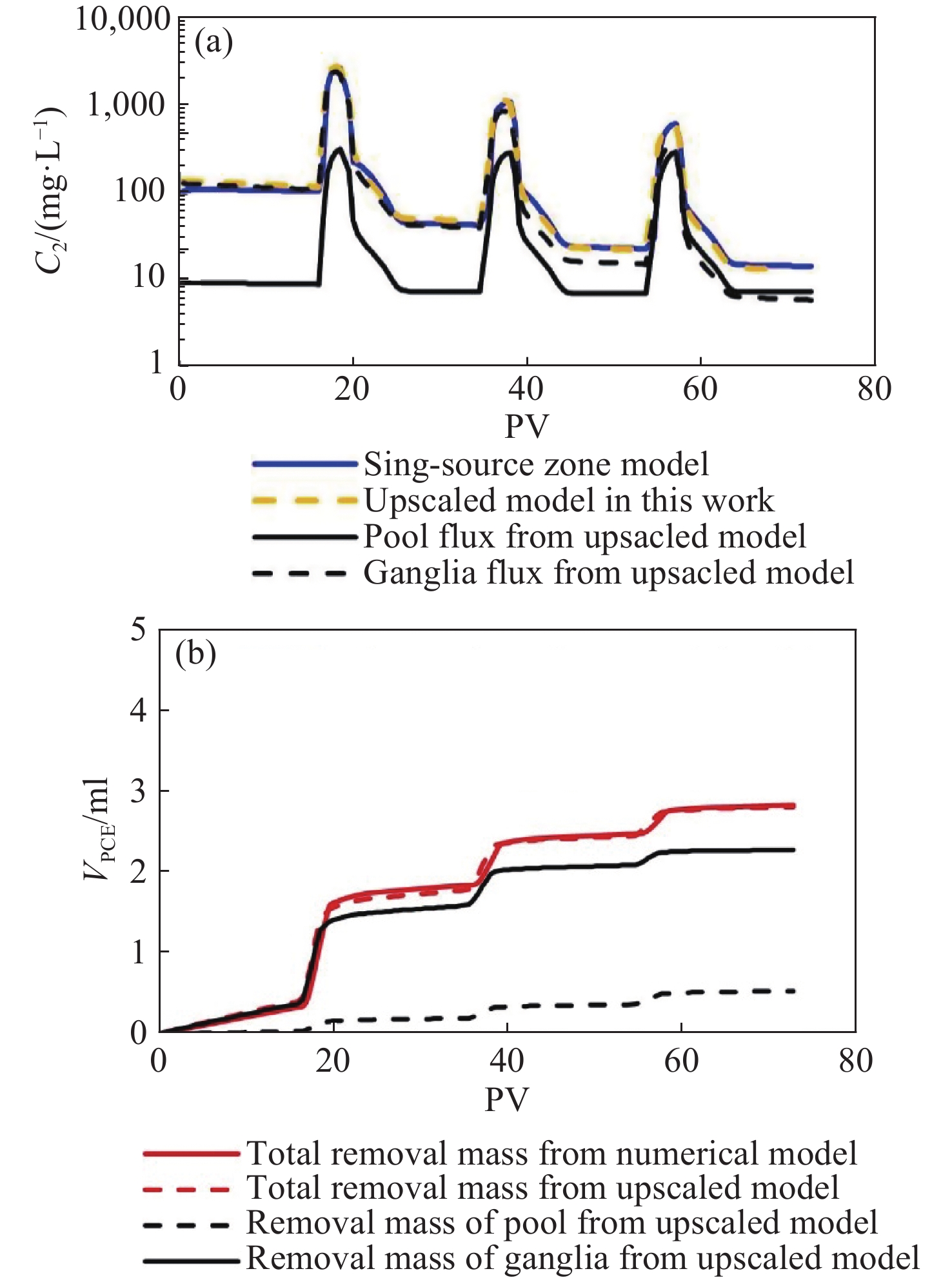
Figure 11. Contaminant fluxes (C2, a) and removal mass (VPCE, b) from the pool- and ganglia-dominated DNAPL source regions predicted by the upscaled analytical solution model and the numerical model in Experiment B
Table 1. List of key parameters used in numerical simulations.
Parameter Classification Value Mixed-source experiment (Experiment A) Pulse flushing experiment (Experiment B) Permeability/(cm/min) 70/100 (or 70/80) mesh 0.10a 0.13d 40/50 mesh 4.00a 12.21h/4.00b Residual saturation Low capillary number DNAPL phase (Sr2) 0.20a 0.12b Aqueous phase (Sr1) 0.10c 0.10c Microemulsion phase (Sr3) - 0.10c High capillary number DNAPL phase (Sr2) 0.00 0.00 Aqueous phase (Sr1) 0.00 0.00 Microemulsion phase (Sr3) - 0.00 Endpoint relative permeability Low capillary number DNAPL phase ($ k_{r2}^o $) 0.37c 0.37c Aqueous phase ($k_{r1}^o $) 1.00c 1.00c Microemulsion phase ($k_{r3}^o $) - 1.00c High capillary number j DNAPL phase ($k_{r2}^o $) 1.00 1.00 Aqueous phase ($k_{r1}^o $) 1.00 1.00 Microemulsion phase ($k_{r3}^o $) - 1.00 Relative permeability exponent Low capillary number DNAPL phase 5.00h 5.00/3.50h Aqueous phase 2.85e 2.85e Microemulsion phase - 2.85e High capillary number j DNAPL phase 1.00 1.00 Aqueous phase 1.00 1.00 Microemulsion phase - 1.00 Capillary pressure endpoint/kPa 2.90d 2.90d Capillary pressure exponent ‒0.50d ‒0.50d Density/(g/mL) DNAPL (TCE/PCE) 1.460f 1.622f Water 0.998f 0.998f Ethanol - 0.787f Interfacial tension of water-oil/(dyn/cm) 35.62g 45.00i Interfacial tension between ethanol solution and PCE phase/(dyn/cm) $ \sigma ={\sigma }_{0}{e}^{-4.1611{{C}_{31}}} $k viscosity of ethanol + water + PCE mixture/(Pa·s) $ {\mu }_{l}={C}_{1l}{\mu }_{1,0}{e}^{1.8132({{C}_{2l}}+{{C}_{3l}})}+{C}_{2l}{\mu }_{2,0}{e}^{0.9646({{C}_{1l}}+{{C}_{3l}})}+{C}_{3l}{\mu }_{3,0}{e}^{(1.5823{{C}_{1l}}-1.5125{{C}_{2l}})} $l Longitudinal dispersion/m 0.015g 0.015g Transverse dispersion/m 0.008g 0.008g a DiFilippo et al., (2010); b Schroth et al., (1996); c Grant, (2005); d Guo et al., (2018); e Liao et al., (2016); f NIST Chemistry WebBook; g Aydin-Sarikurt et al., (2016); h Correction parameters for medium permeability and relative permeability within PCE migration zone (i.e., the region marked by yellow curve in Fig. 2) in pulse flushing experiment; i Demiray et al., (2021); j Agaoglu et al., (2012); k Interfacial tension is a function of ethanol content. the experimental data come from Hayden et al., (1999) and Lunn and Kueper, (1997); l The viscosity of ethanol + water + PCE mixture is calculated in terms of the viscosity of the pure phases. The viscosity data of PCE-C2H5OH, H2O-C2H5OH, and H2O-C2H5OH-PCE systems come from Agarwal and Singh, (2004), Khattab et al., (2012), and Hayden et al., (1999), respectively.  下载: 导出CSV
Table 2. Calibrated parameters for different mass transfer models.
Experiment Mass transfer model Parameter α S0 K (1/d) τ β Mixed-Source experiment Multi-Source zones mixing model (Equations 2 and 4) 70,000 0.00 - 6.51 0.10 Single-Source zone model (Equation 2) 70,000 0.00 - - Imhoff model (Equation 9) - 1.50 1.00 K - 15.00 - Pulse flushing Single-Source zone model (Equation 2) 630,000 0.49 - - Imhoff model (Equation 9) - - - 2.00 1.19 K - 6.50 -
下载: 导出CSV
Table 3. Root Mean Square Errors (RMSE) and Mean Absolute Errors (MAE) of effluent concentration predictions by different models
Numerical model Upscaled analytical solution model Experiment A Experiment B Experiment A Experiment B RMSE/(mg/L) 36.95 7.92 85.75 10.01 MAE/(mg/L) 20.68 6.93 33.29 8.60
下载: 导出CSV
-
Agaoglu B, Scheytt T, Copty NK. 2012. Laboratory‐scale experiments and numerical modeling of cosolvent flushing of multi-component NAPLs in saturated porous media. Journal of Contaminant Hydrology, 140: 80−94. DOI: 10.1016/j.jconhyd.2012.07.005. Agarwal D, Singh M. 2004. Densities and viscosities of binary liquid mixtures of trichloroethylene and tetrachloroethylene with some polar and nonpolar solvents. Journal of Chemical and Engineering Data, 49(5): 1218−1224. DOI: 10.1021/je034203p. Aydin-Sarikurt D, Dokou Z, Copty NK, et al. 2016. Experimental investigation and numerical modeling of enhanced DNAPL solubilization in saturated porous media. Water, Air and Soil Pollution, 227(12): 441. DOI: 10.1007/s11270-016-3136-0. Cho J, Annable MD, Rao PSC. 2005. Measured mass transfer coefficients in porous media using specific interfacial area. Environmental Science and Technology, 39(20): 7883−7888. DOI: 10.1021/es0505043. Christ JA, Ramsburg CA, Pennell KD, et al. 2006. Estimating mass discharge from dense nonaqueous phase liquid source zones using upscaled mass transfer coefficients: An evaluation using multiphase numerical simulations. Water Resources Research, 42(11): 2006WR004886. DOI: 10.1029/2006WR004886. Christ JA, Ramsburg CA, Pennell KD, et al. 2010. Predicting DNAPL mass discharge from pool-dominated source zones. Journal of Contaminant Hydrology, 114(1-4): 18−34. DOI: 10.1016/j.jconhyd.2010.02.005. Corapcioglu MY, Yoon S, Chowdhury S. 2009. Pore-scale analysis of NAPL blob dissolution and mobilization in porous media. Transport in Porous Media, 79(3): 419−442. DOI: 10.1007/s11242-008-9331-8. Delshad M, Pope GA, Sepehrnoori K. 1996. A compositional simulator for modeling surfactant enhanced aquifer remediation, formulation. Journal of Contaminant Hydrology, 23(4): 303−327. DOI: 10.1016/0169-7722(95)00106-9. Demiray Z, Akyol NH, Copty NK. 2021. Experimental assessment and modeling of enhanced solubilization of pool-dominated tetrachloroethene source zone in heterogeneous porous media. Water Air and Soil Pollution, 232(12): 516. DOI: 10.1007/s11270-021-05454-z. DiFilippo EL, Carroll KC, Brusseau ML. 2010. Impact of organic-liquid distribution and flow-field heterogeneity on reductions in mass flux. Journal of Contaminant Hydrology, 115(1-4): 14−25. DOI: 10.1016/j.jconhyd.2010.03.002. DiFilippo EL, Brusseau ML. 2011. Application of light reflection visualization for measuring organic-liquid saturation for two-phase systems in two-dimensional flow cells. Environmental Engineering Science, 28(11): 803−809. DOI: 10.1089/ees.2010.0471. Feng SJ, Niu JG, Shi FJ, et al. 2025. Remediation effectiveness and mechanism on surfactant-enhanced remediation of low-permeability petroleum hydrocarbon contaminated soil under fracturing conditions. Journal of Hydrology, 650: 132539. DOI: 10.1016/j.jhydrol.2024.132539. Grant GP. 2005. The evolution of complex DNAPL releases: Rates of migration and dissolution. Ph. D. thesis. Scotland: University of Edinburgh. Grant GP, Gerhard JI. 2007. Simulating the dissolution of a complex dense nonaqueous phase liquid source zone: Model to predict interfacial area. Water Resources Research, 43(12): 130−139. DOI: 10.1029/2007WR006038. Guo QZ, Zhang Y, Jiang BL, et al. 2018. Experiment and numerical simulation of surfactant-enhanced aquifer remediation in PCE contaminated laboratory sandbox. China Environmental Science, 38(9): 3398−3405. (in Chinese) DOI: 10.19674/j.cnki.issn1000-6923.2018.0367. Guo ZL, Russo AE, DiFilippo EL, et al. 2020. Mathematical modeling of organic liquid dissolution in heterogeneous source zones. Journal of Contaminant Hydrology, 235: 103716. DOI: 10.1016/j.jconhyd.2020.103716. Hayden NJ, Diebold J, Noyes G. 1999. Phase behavior of chlorinated solvent water alcohol mixtures with application to alcohol flushing. Journal of Chemical and Engineering Data, 44(5): 1085−1090. DOI: 10.1021/je980273y. Hu YX, Patmonoaji A, Xu HP, et al. 2021. Pore-scale investigation on nonaqueous phase liquid dissolution and mass transfer in 2D and 3D porous media. International Journal of Heat and Mass Transfer, 169: 120901. DOI: 10.1016/j.ijheatmasstransfer.2021.120901. Huo LL, Liu GS, Yang X, et al. 2020. Surfactant-enhanced aquifer remediation: Mechanisms, influences, limitations and the countermeasures. Chemosphere, 252: 126620. DOI: 10.1016/j.chemosphere.2020.126620. Imhoff PT, Gleyzer SN, McBride JF, et al. 1995. Cosolvent-enhanced remediation of residual dense nonaqueous phase liquids: Experimental investigation. Environmental Science and Technology, 29(8): 1966−1976. DOI: 10.1021/es00008a014. Karaoglu AG, Copty NK, Akyol NH, et al. 2019. Experiments and sensitivity coefficients analysis for multiphase flow model calibration of enhanced DNAPL dissolution. Journal of Contaminant Hydrology, 225: 103515. DOI: 10.1016/j.jconhyd.2019.103515. Kaye AJ, Cho J, Basu NB, et al. 2008. Laboratory investigation of flux reduction from Dense Non-Aqueous Phase Liquid (DNAPL) partial source zone remediation by enhanced dissolution. Journal of Contaminant Hydrology, 102(1-2): 17−28. DOI: 10.1016/j.jconhyd.2008.01.006. Khattab IS, Bandarkar F, Fakhree MAA, et al. 2012. Density, viscosity, and surface tension of water ethanol mixtures from 293 to 323K. Korean Journal of Chemical Engineering, 29(6): 812−817. DOI: 10.1007/s11814-011-0239-6. Kokkinaki A, O'Carroll DM, Werth CJ, et al. 2013. An evaluation of Sherwood–Gilland models for NAPL dissolution and their relationship to soil properties. Journal of Contaminant Hydrology, 155: 87−98. DOI: 10.1016/j.jconhyd.2013.09.007. Liang HL, Falta RW. 2008. Modeling field-scale cosolvent flooding for DNAPL source zone remediation. Journal of Contaminant Hydrology, 96(1-4): 1−16. DOI: 10.1016/j.jconhyd.2007.09.005. Liao PH, Chen Z, Wu M, et al. 2016. The quantitative prediction of DNAPL mobilization under different flow velocity using total trapping number. Acta Science Circumstantiae, 36(9): 3266−3272. (in Chinese) DOI: 10.13671/j.hjkxxb.2016.0029. Luciano A, Mancini G, Torretta V, et al. 2018. An empirical model for the evaluation of the dissolution rate from a DNAPL-contaminated area. Environmental Science and Pollution Research, 25(34): 33992−34004. DOI: 10.1007/s11356-018-3193-6. Lunn SRD, Kueper BH. 1997. Removal of pooled dense, nonaqueous phase liquid from saturated porous media using upward gradient alcohol floods. Water Resources Research, 33(10): 2207−2219. DOI: 10.1029/97WR01692. Marble JC, DiFilippo EL, Zhang Z, et al. 2008. Application of a lumped-process mathematical model to dissolution of non-uniformly distributed immiscible liquid in heterogeneous porous media. Journal of Contaminant Hydrology, 100(1-2): 1−10. DOI: 10.1016/j.jconhyd.2008.04.003. Oba BT, Zheng XH, Aborisade MA, et al. 2021. Environmental opportunities and challenges of utilizing unactivated calcium peroxide to treat soils co-contaminated with mixed chlorinated organic compounds. Environmental Pollution, 291: 118239. DOI: 10.1016/j.envpol.2021.118239. Patil P, Jeppu GP, Vasudevan M, et al. 2023. A review on dissolution of multi-component non-aqueous phase liquids: Recent studies, mechanisms and mass transfer limitations. Desalination and Water Treatment, 283: 164−184. DOI: 10.5004/dwt.2023.29230. Powers SE, Abriola LM, Weber WJ. 1994. An experimental investigation of nonaqueous phase liquid dissolution in saturated subsurface systems: Transient mass transfer rates. Water Resources Research, 30(2): 321−332. DOI: 10.1029/93WR02923. Powers SE, Abriola LM, Weber WJ Jr. 1992. An experimental investigation of nonaqueous phase liquid dissolution in saturated subsurface systems: Steady state mass transfer rates. Water Resources Research, 28(10): 2691−2705. DOI: 10.1029/92WR00984. Ramezanzadeh M, Khasi S, Fatemi M, et al. 2020. Remediation of trapped DNAPL enhanced by SDS surfactant and silica nanoparticles in heterogeneous porous media: Experimental data and empirical models. Environmental Science and Pollution Research, 27(3): 2658−2669. DOI: 10.1007/s11356-019-07194-4. Saba T, Illangasekare TH. 2000. Effect of groundwater flow dimensionality on mass transfer from entrapped nonaqueous phase liquid contaminants. Water Resources Research, 36(4): 971−979. DOI: 10.1029/1999WR900322. Schroth MH, Istok JD, Ahearn SJ, et al. 1996. Characterization of miller-similar silica sands for laboratory hydrologic studies. Soil Science Society of America Journal, 60(5): 1331−1339. DOI: 10.2136/sssaj1996.03615995006000050007x. Song MY, Shi XQ, Ma CL, et al. 2022. Upscaling dissolved phase mass flux for complex DNAPL source zones. China Environmental Science, 42(5): 2095−2104. (in Chinese) DOI: 10.19674/j.cnki.issn1000-6923.20220130.003. Stewart LD, Chambon JC, Widdowson MA, et al. 2022. Upscaled modeling of complex DNAPL dissolution. Journal of Contaminant Hydrology, 244: 103920. DOI: 10.1016/j.jconhyd.2021.103920. Tiwari M, Tripathy DB. 2023. Soil contaminants and their removal through surfactant-enhanced soil remediation: A comprehensive review. Sustainability, 15(17): 13161. DOI: 10.3390/su151713161. Wang HT, Xu HX, Guo QZ, et al. 2019. Structure and mass dissolution of DNAPL pollution source area in saturated porous media. China Environmental Science, 39(8): 3474−3483. (in Chinese) DOI: 10.19674/j.cnki.issn1000-6923.2019.0413. Wang ZJ, Yang ZB, Hu R, et al. 2023. Mass transfer during surfactant-enhanced DNAPL remediation: Pore-scale experiments and new correlation. Journal of Hydrology, 621: 129586. DOI: 10.1016/j.jhydrol.2023.129586. Wang ZJ, Yang ZB, Chen YF. 2023. Pore-scale investigation of surfactant-enhanced DNAPL mobilization and solubilization. Chemosphere, 341: 140071. DOI: 10.1016/j.chemosphere.2023.140071. Yaksi K, Demiray Z, Copty NK. 2020. Impact of cosolvents on the interphase mass transfer of NAPLs in porous media. Water Resources Research, 57(8): e2020WR029326. DOI: 10.1029/2020WR029326. Yang PR, Guo HR, Wang Z, et al. 2022. Influence of distribution characteristics of residual DNAPL on mass transfer in porous media under ethanol co-solvent flushing. Journal of Hydrology, 610: 127932. DOI: 10.1016/j.jhydrol.2022.127932. Yuan M, Wang QF, Guo HR, et al. 2025. Enhancing the dissolution of PCE with the mixed cyclodextrin-ethanol solution for aquifer remediation. Journal of Contaminant Hydrology, 274: 104646. DOI: 10.1016/j.jconhyd.2025.104646. Zhang ZH, Brusseau ML. 2004. Nonideal transport of reactive contaminants in heterogeneous porous media: Distributed-domain model incorporating immiscible-liquid dissolution and rate-limited sorption/desorption. Journal of Contaminant Hydrology, 74(1-4): 83−103. DOI: 10.1016/j.jconhyd.2004.02.006. Zhao YX, Sun YH, Sun HH, et al. 2024. Surfactant-based chemical washing to remediate oil-contaminated soil: The state of knowledge. Toxics, 12(9): 648. DOI: 10.3390/toxics12090648. -

 点击查看大图
计量
- 文章访问数: 318
- HTML全文浏览量: 134
- PDF下载量: 16
- 被引次数: 0


