 E-mail alert
 Rss
Rss



Multi-scale characterization of karst media, negative-pressure suffusion mechanism and collapse risk assessment for urban metro engineering: A case study of Guiyang metro line 3, China
-
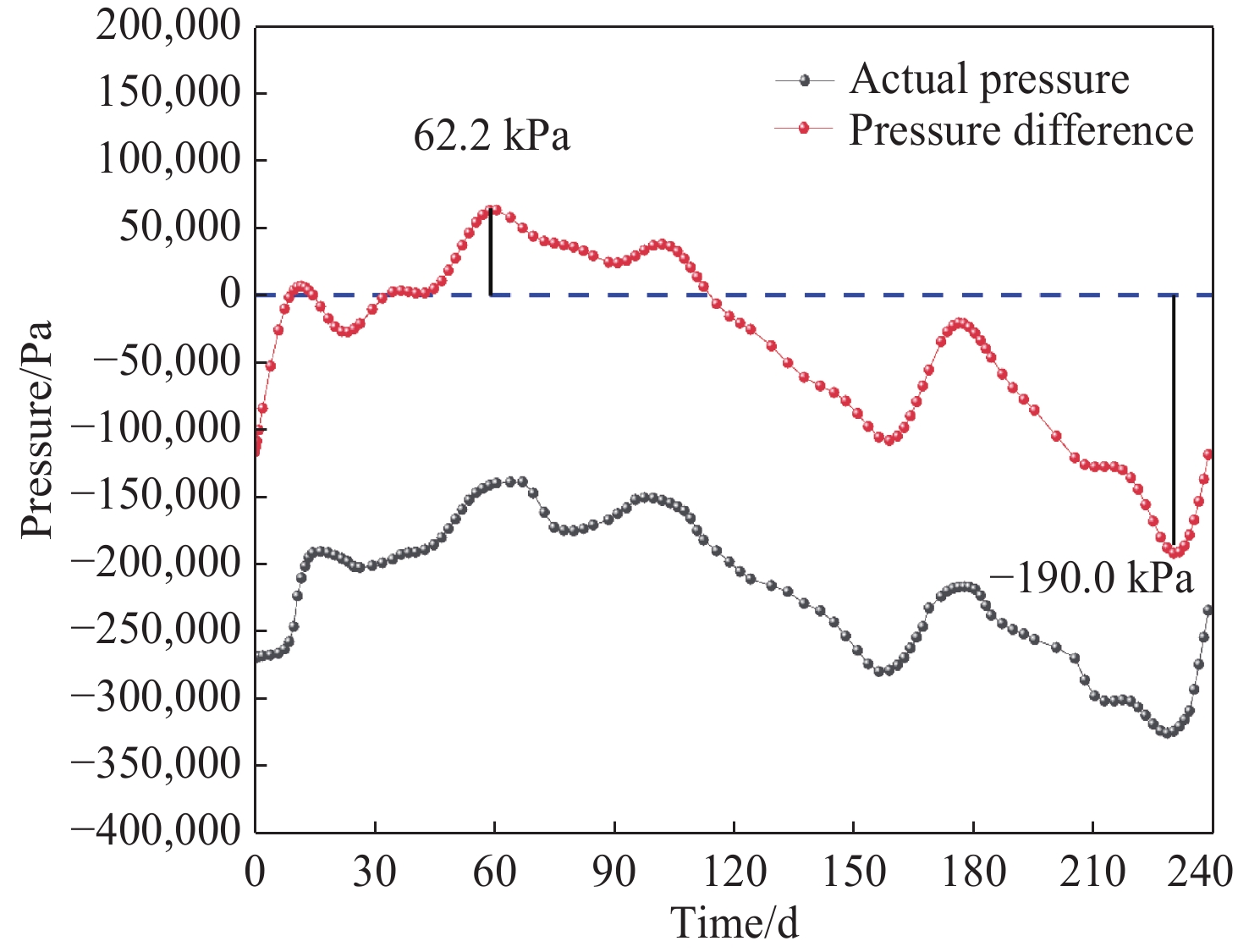
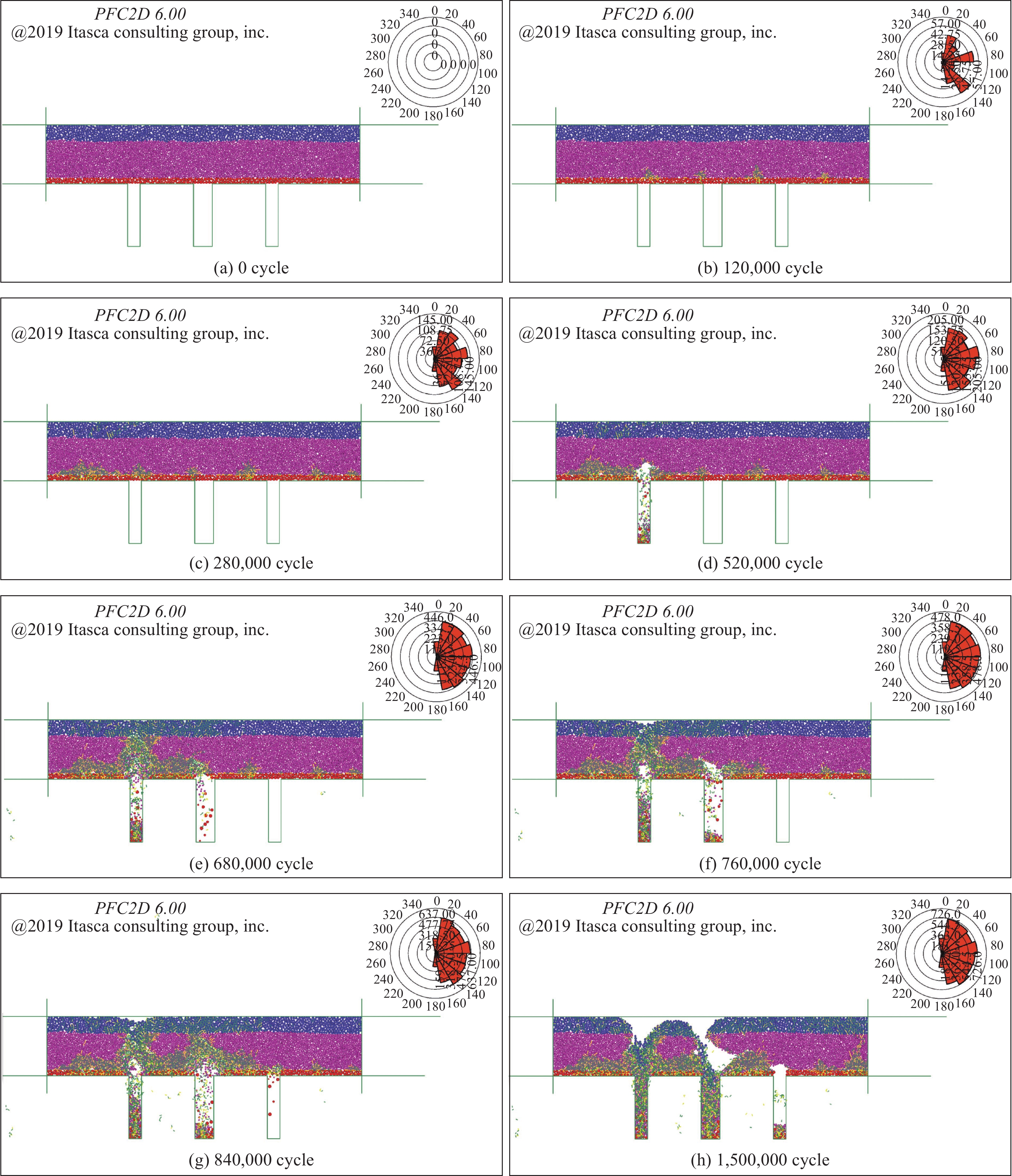
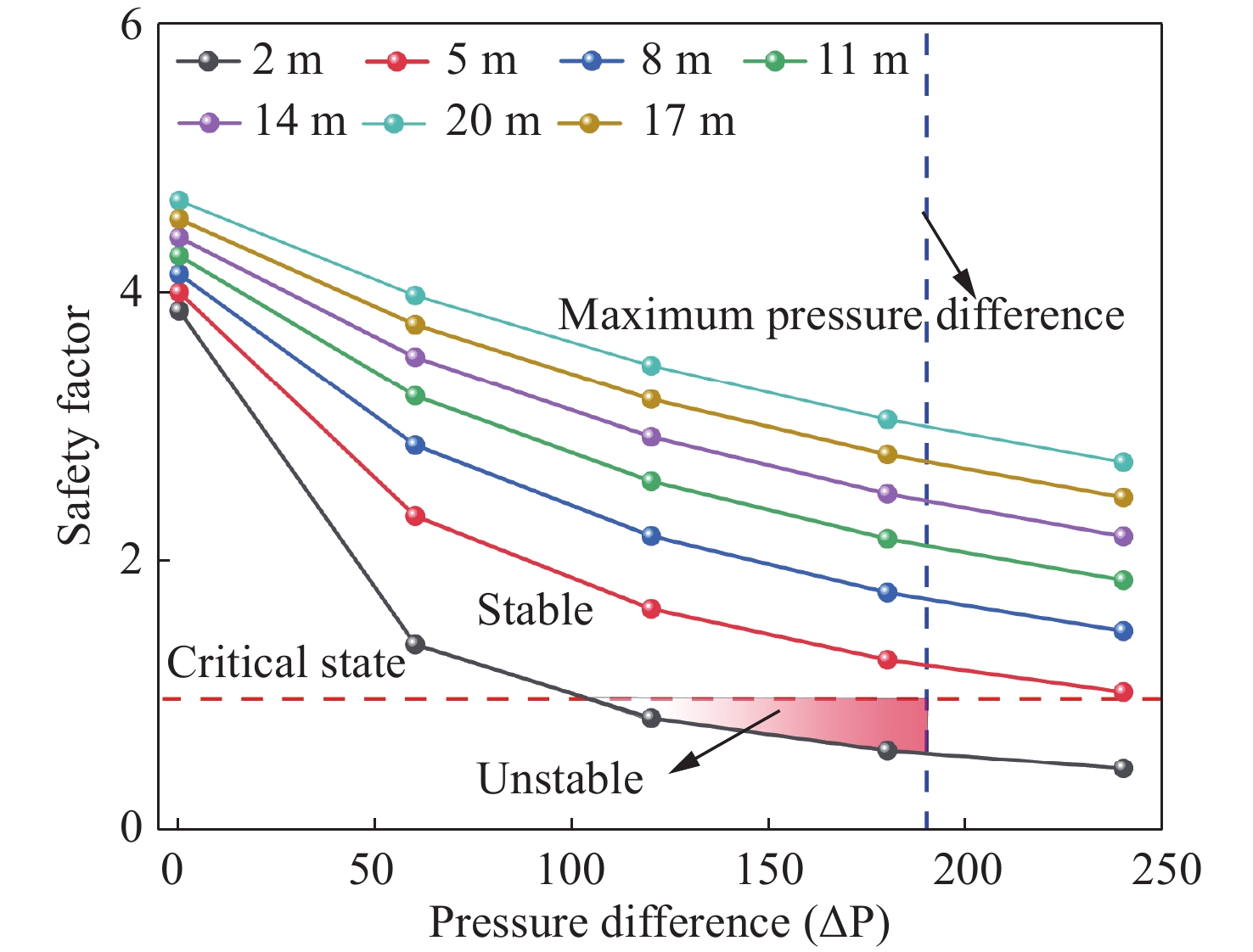
Abstract: Multi-scale characterization of karst media is a fundamental prerequisite for accurate stability evaluation and collapse risk assessment in karst terrains, especially for the safety control of urban metro engineering. Taking the Huaxi South Parking Lot of Guiyang metro line 3 as a case study, this paper proposes an integrated framework for karst collapse risk assessment by coupling multi-scale geological characterization, hydrodynamic-mechanical coupling simulation, and spatial multi-factor analysis. A comprehensive dataset, including 339 borehole records, core CT scanning results, long-term hydrogeological monitoring data, and laboratory test results, was collected to conduct multi-scale characterization of karst media across macro, meso and micro scales, reveal the vertical zonation of karst structures, clarify the hydrodynamic triggering mechanism of karst collapse, determine the critical instability threshold, and reproduce the entire evolution process of collapse. The results show that negative-pressure suffusion induced by rapid groundwater level decline, with a critical pressure difference of ≤ −190 kPa, is the dominant trigger of karst collapse in the study area. The lowest stratum stability and highest collapse risk occur in the strata with an overburden thickness of 2–5 m and a karst cavity diameter of ≥ 3 m. The high-risk zones account for 2.3% of the total study area, and are mainly distributed in the southern part, while the overall site remains stable under normal hydrodynamic conditions. This study can provide theoretical support and technical reference for karst collapse risk prevention and control in urban metro engineering.
-
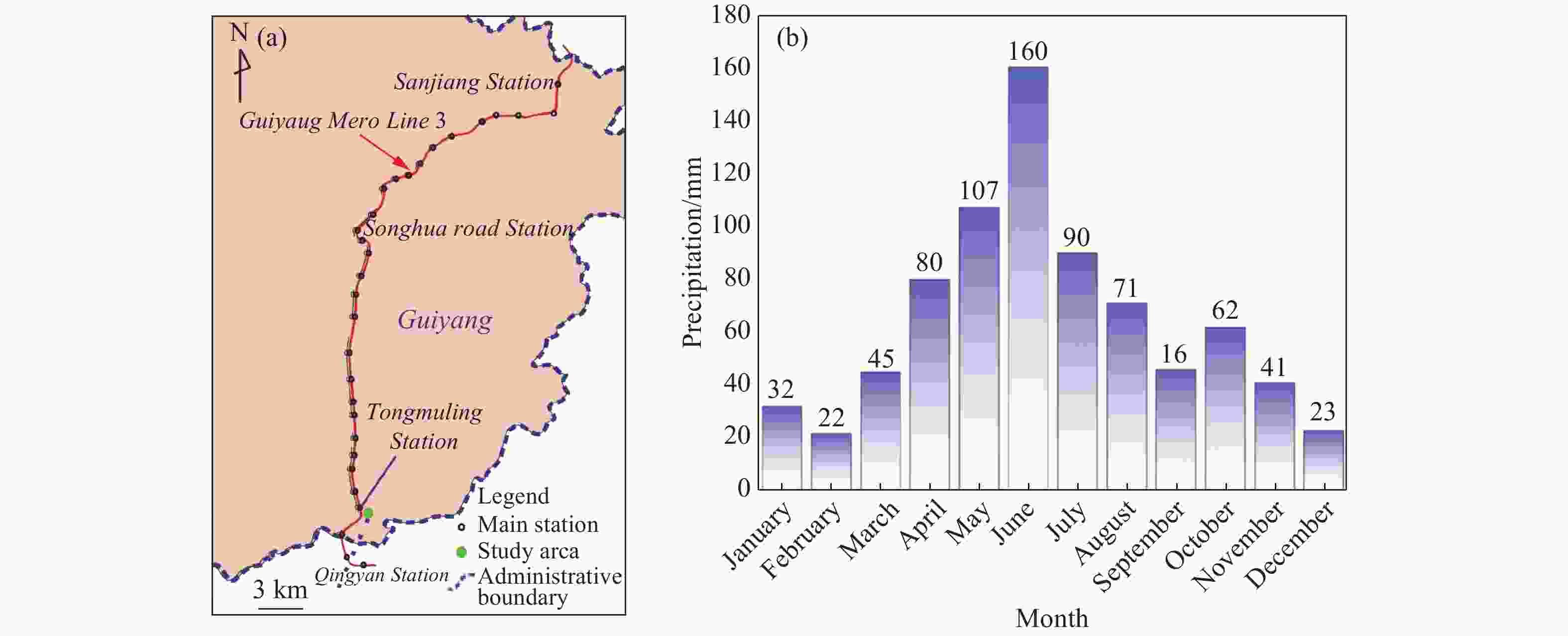
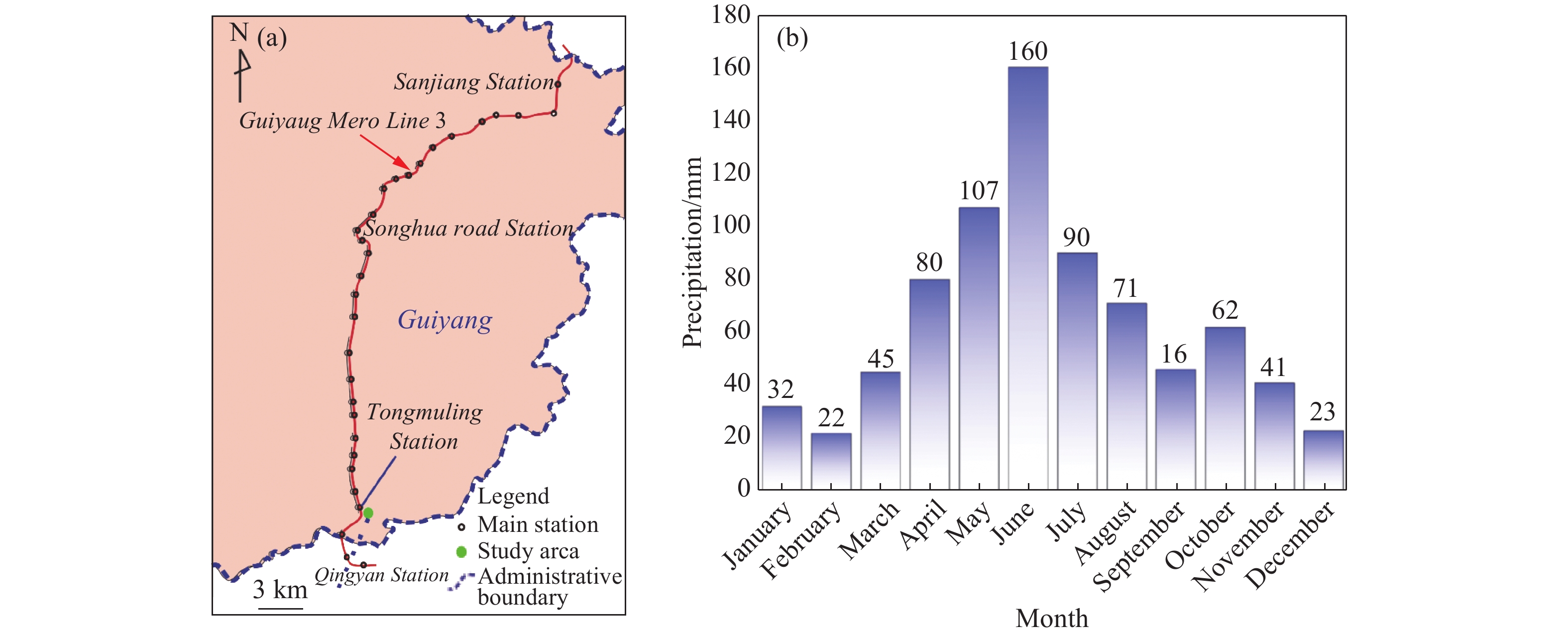
Figure 1. Overview of the study area Notes: (a) location of the study area; (b) monthly average precipitation patterns with heavy rainfall occurring primarily from April to August
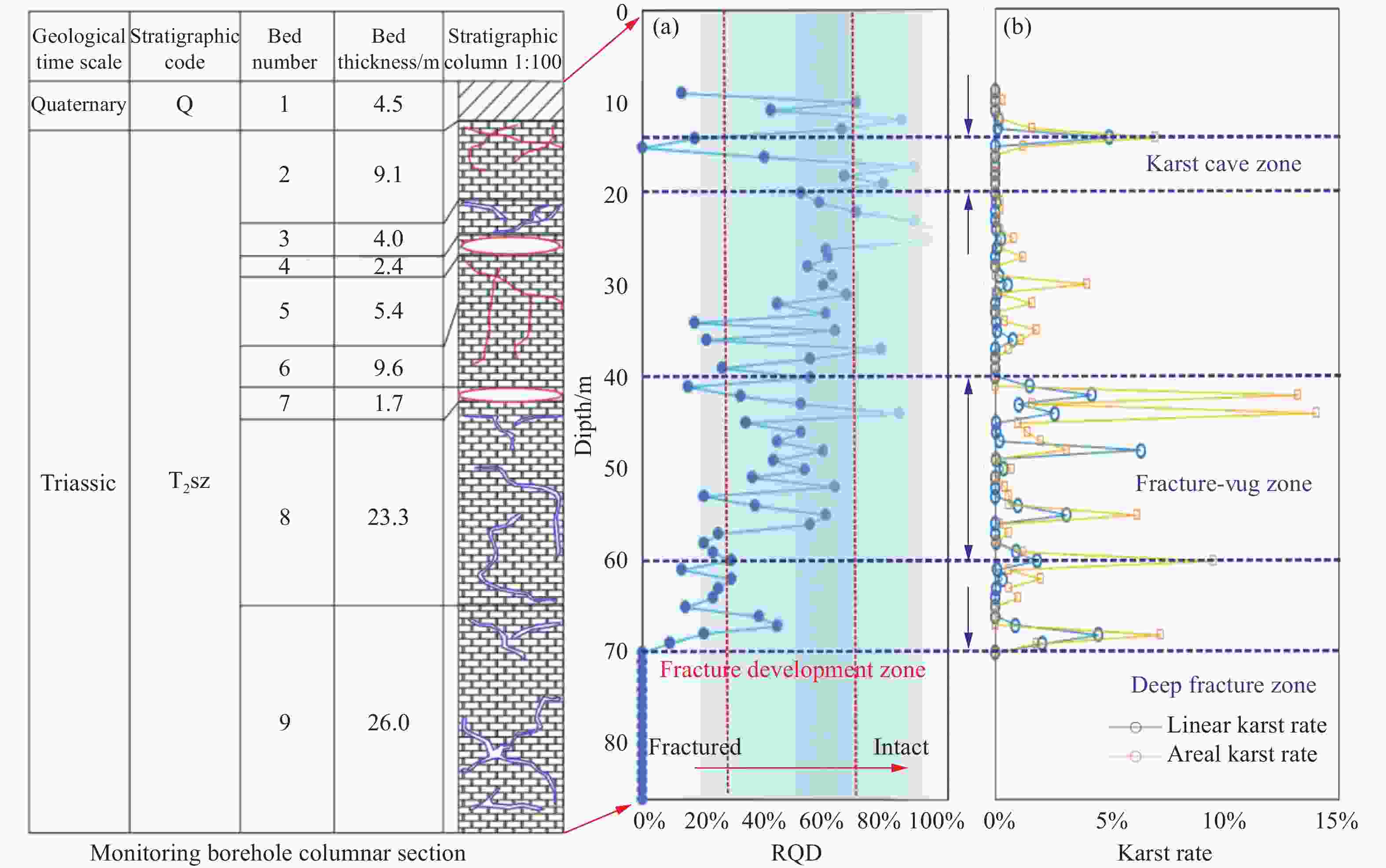
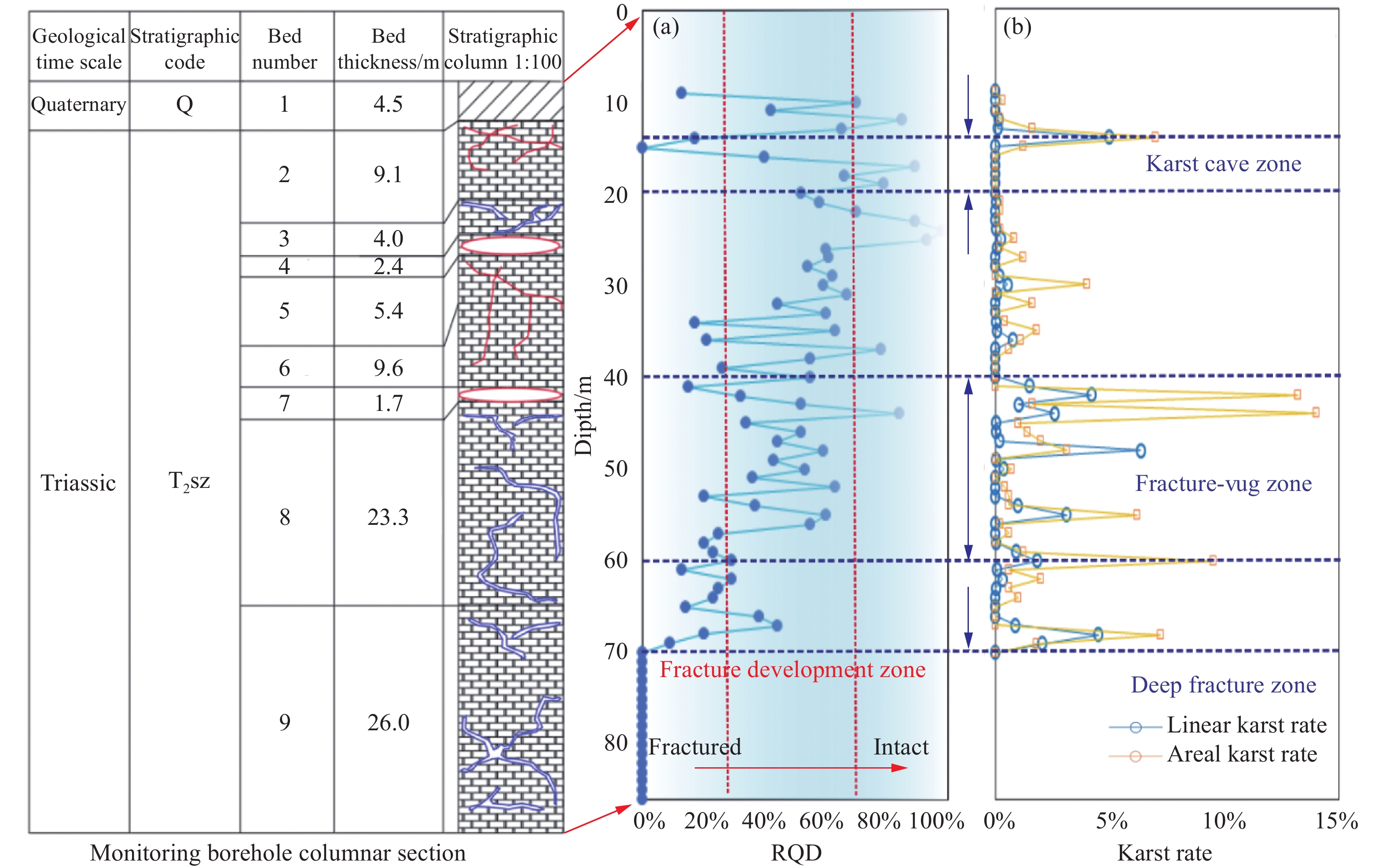
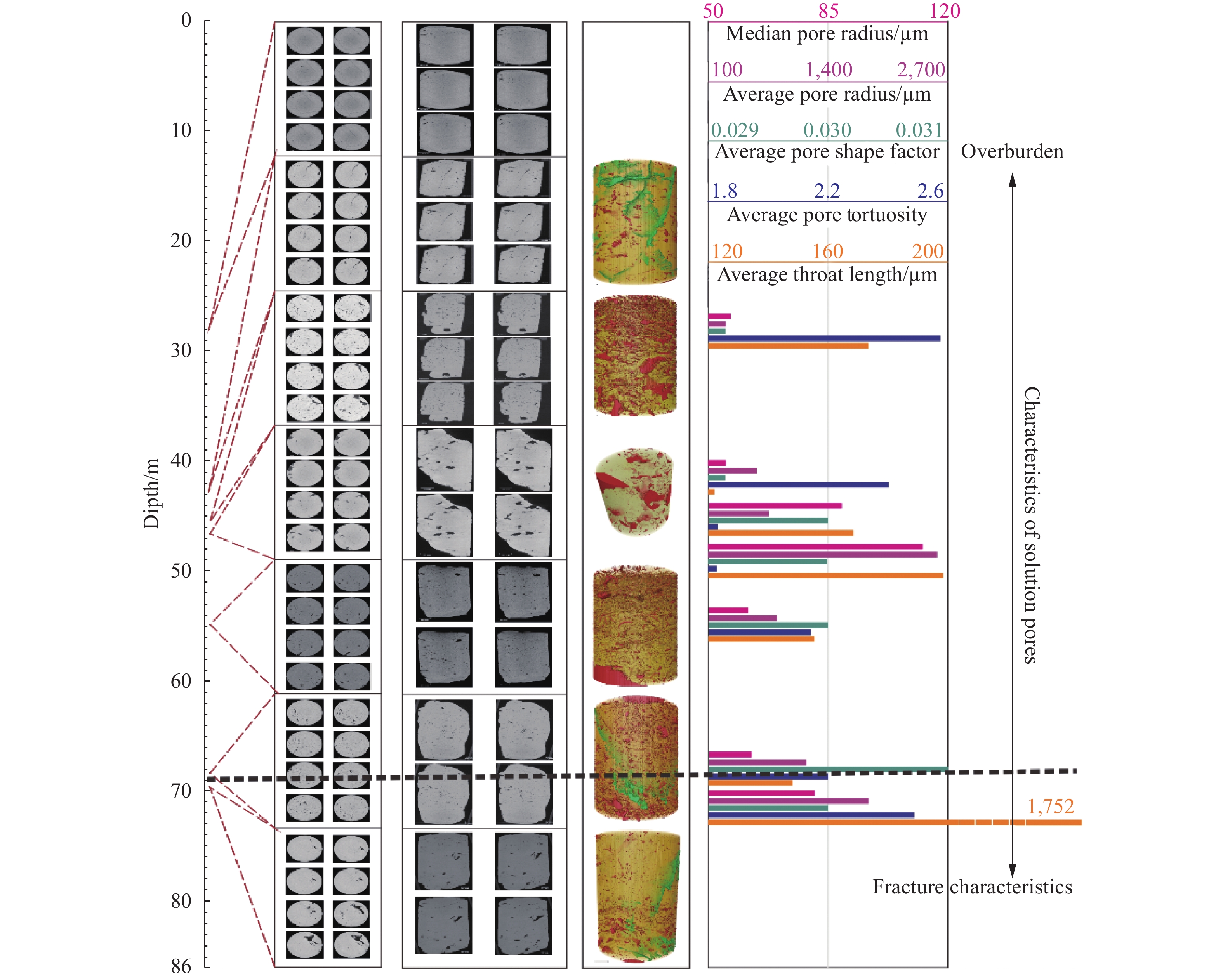
Figure 6. Comprehensive analysis of core data from the monitoring borehole ((a) Core RQD; (b) Core karst ratios)
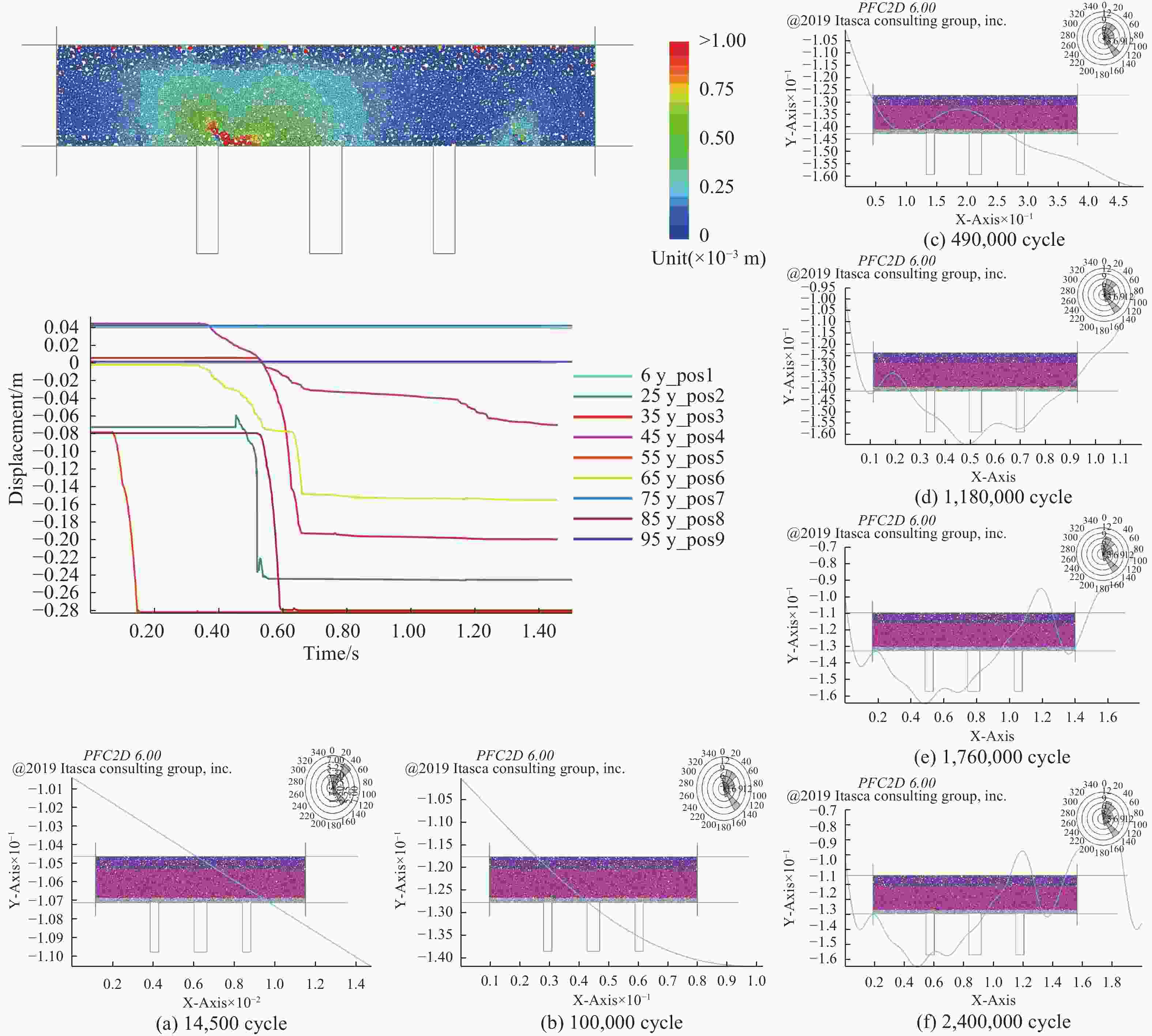
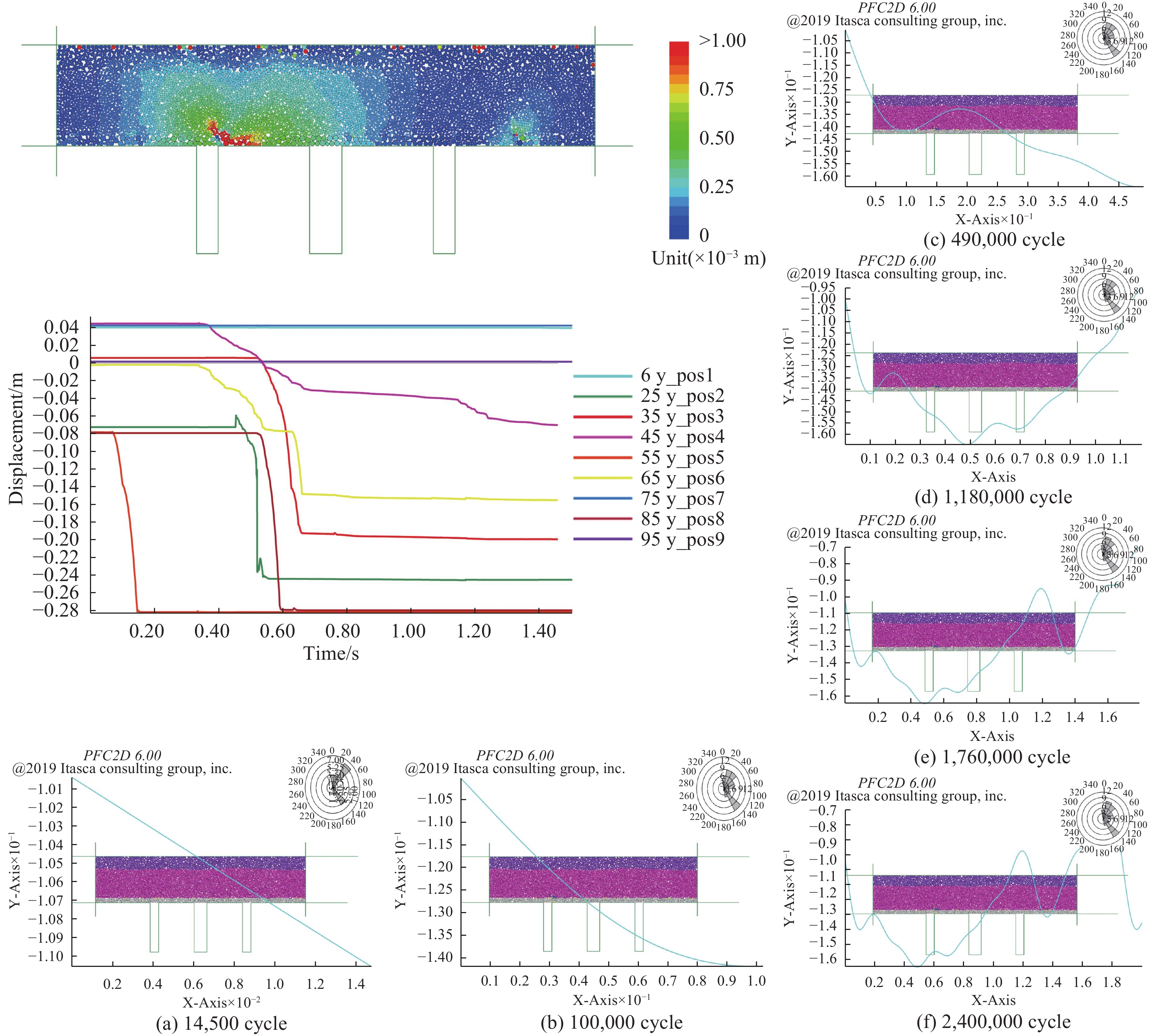
Figure 13. Displacement contour plots and evolution characteristics under normal monitored water level fluctuations
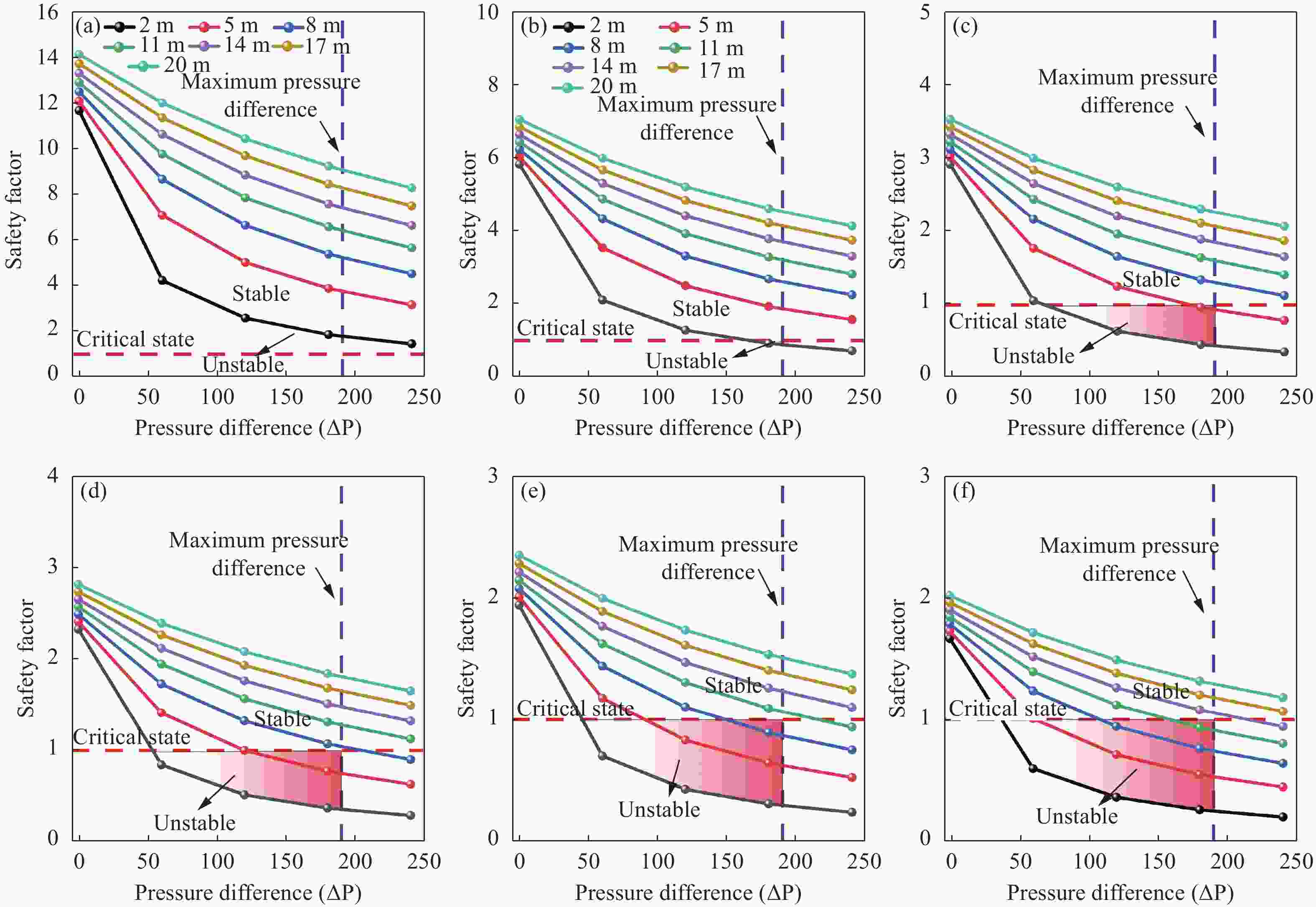
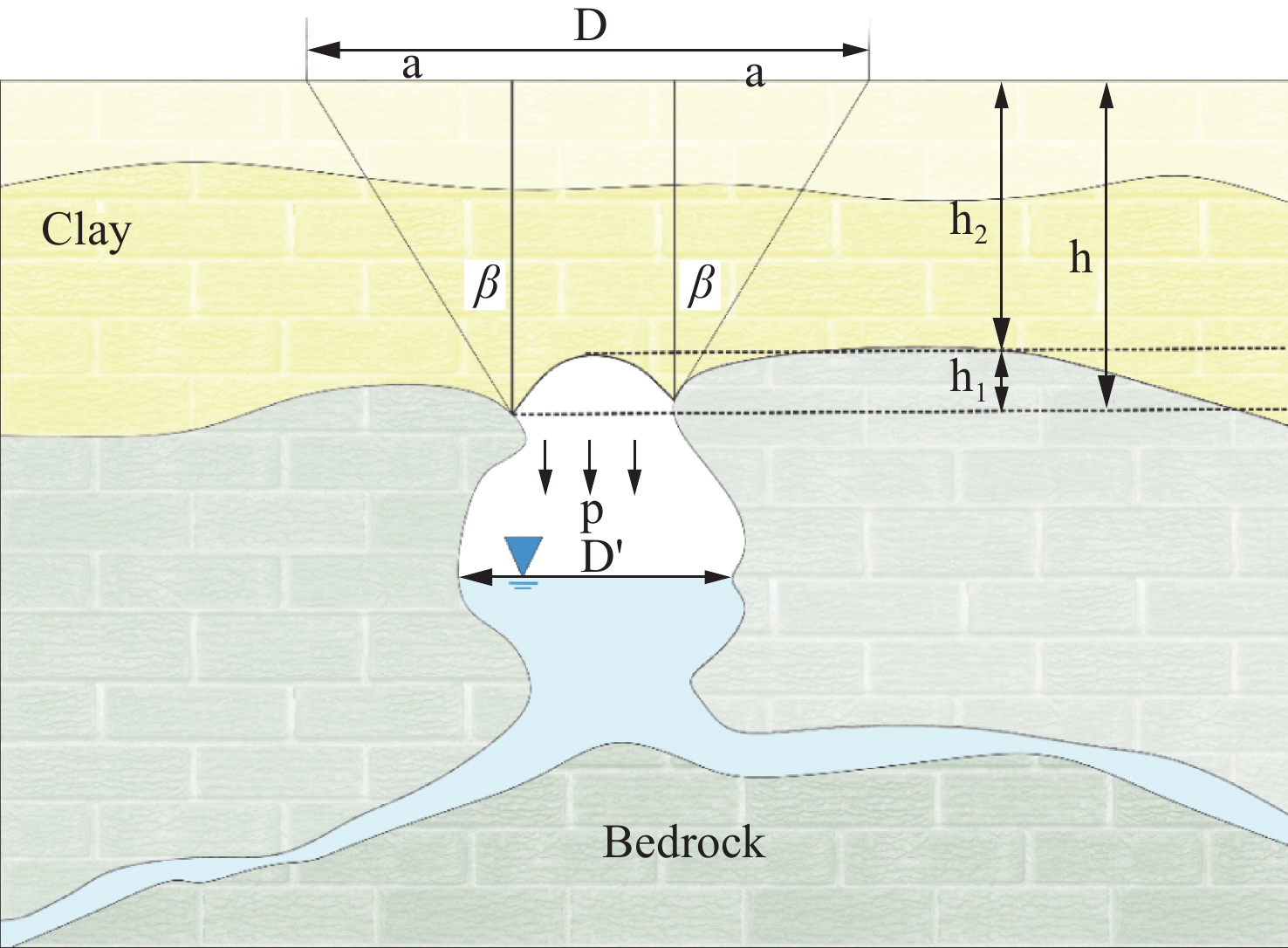
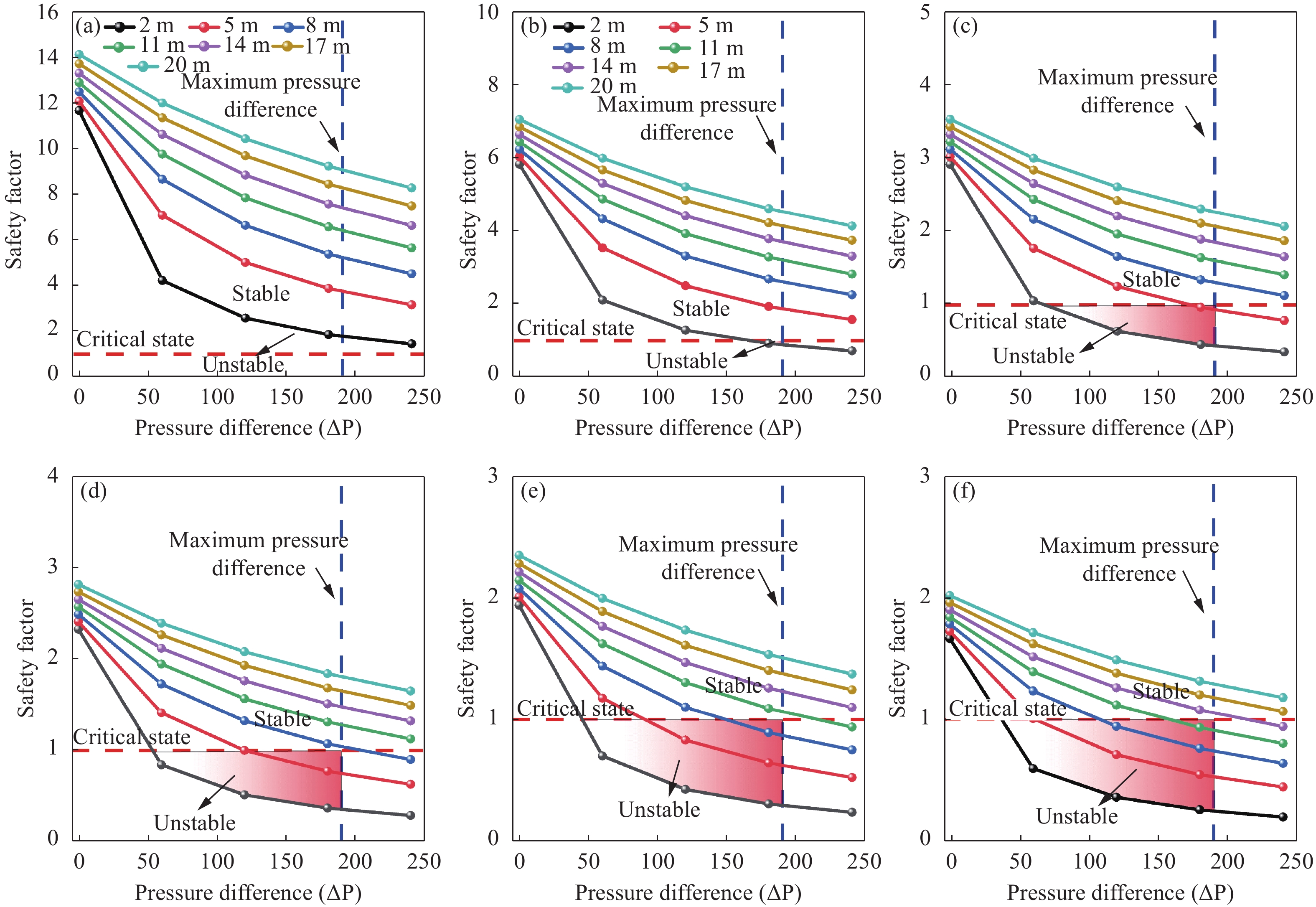
Figure 16. Variation curves of soil arching thickness with factor of safety (a) D' = 1 m, (b) D' = 2 m, (c) D' = 4 m, (d) D' = 5 m, (e) D' = 6 m, and (f) D' = 7 m
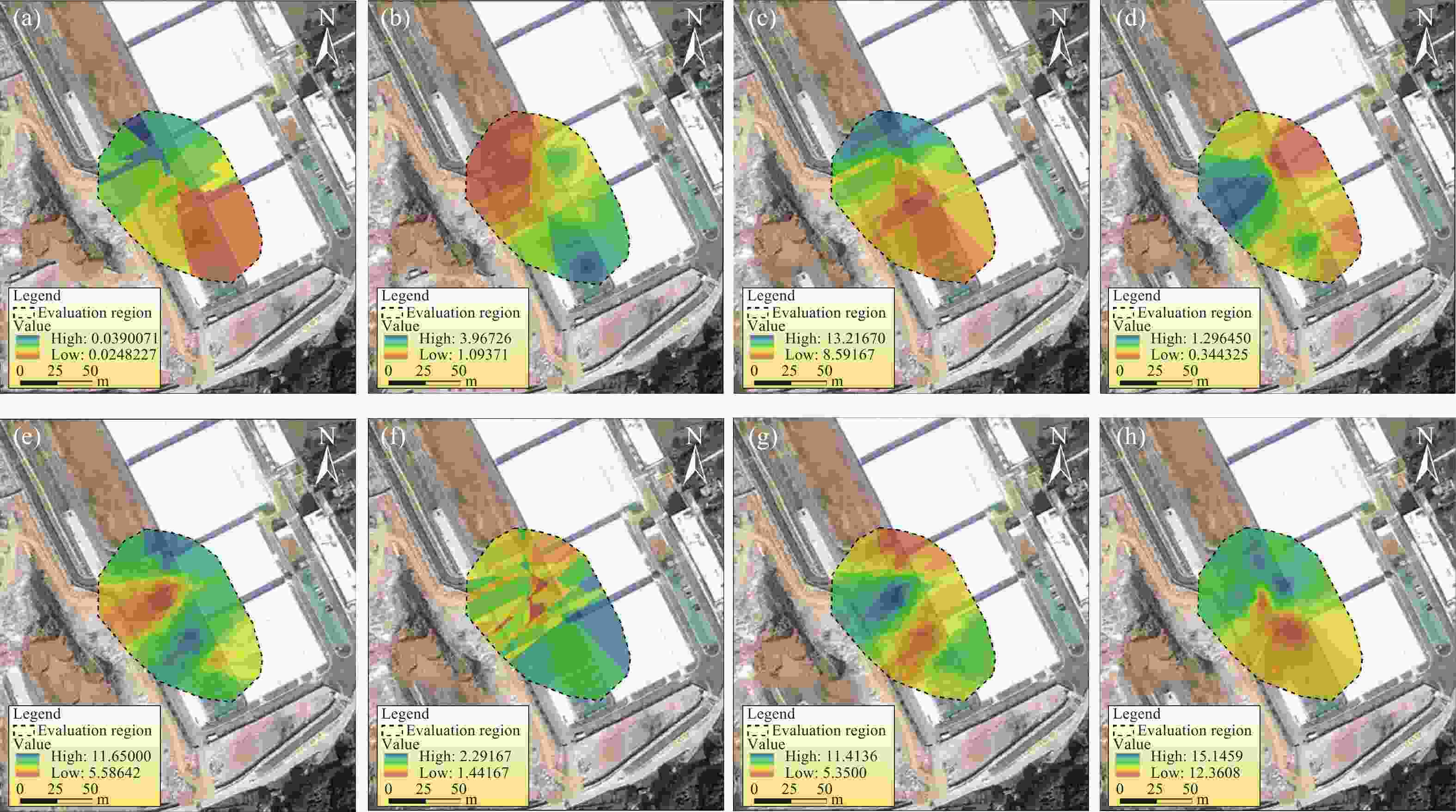
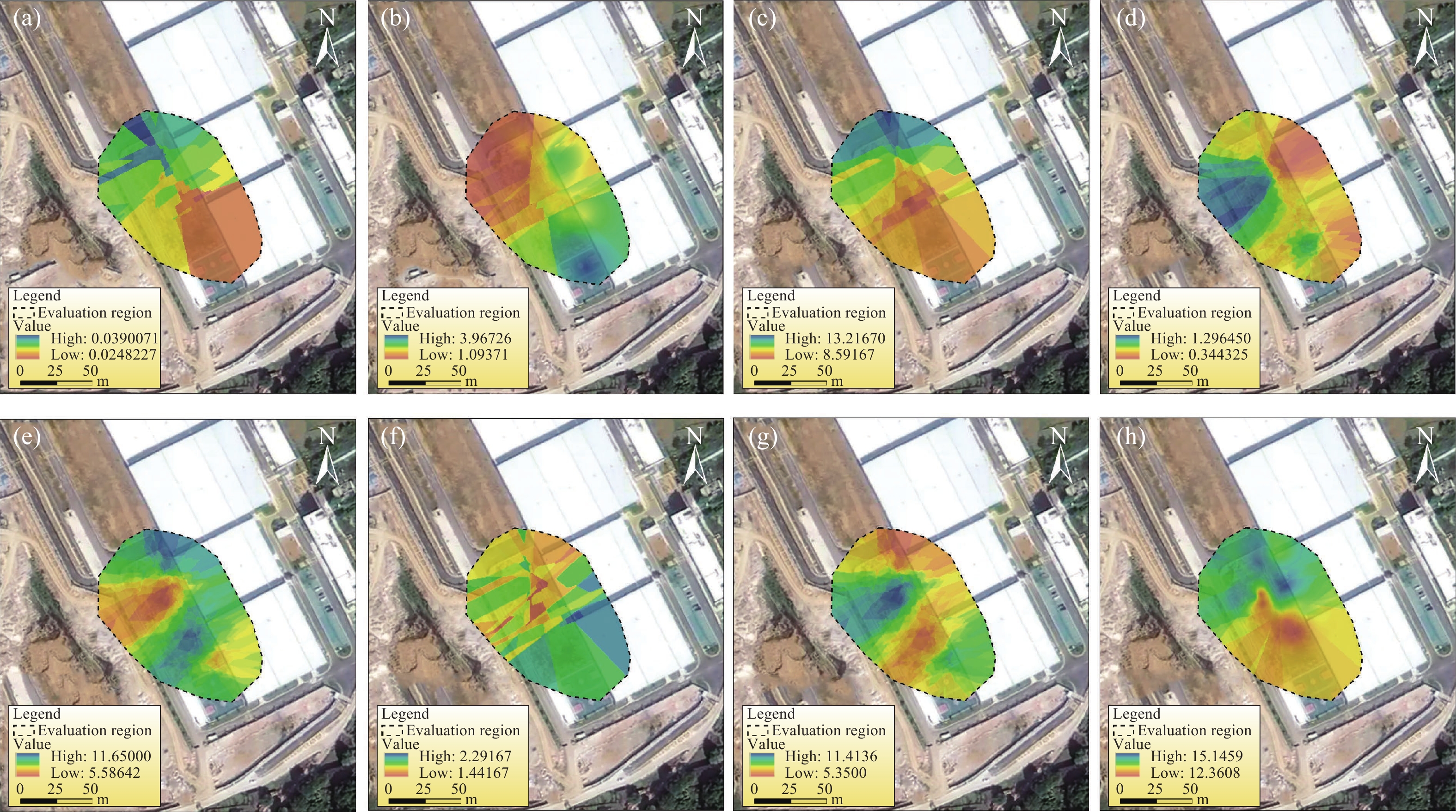
Figure 17. Spatial interpolation results of evaluation indicators: (a) borehole encounter rate of caves, (b) cave development height (m), (c) cave development depth (m), (d) overburden structure, (e) overburden thickness (m), (f) distance from overburden to cave roof (m), (g) groundwater level depth below overburden (m), (h) depth to phreatic water level (m)
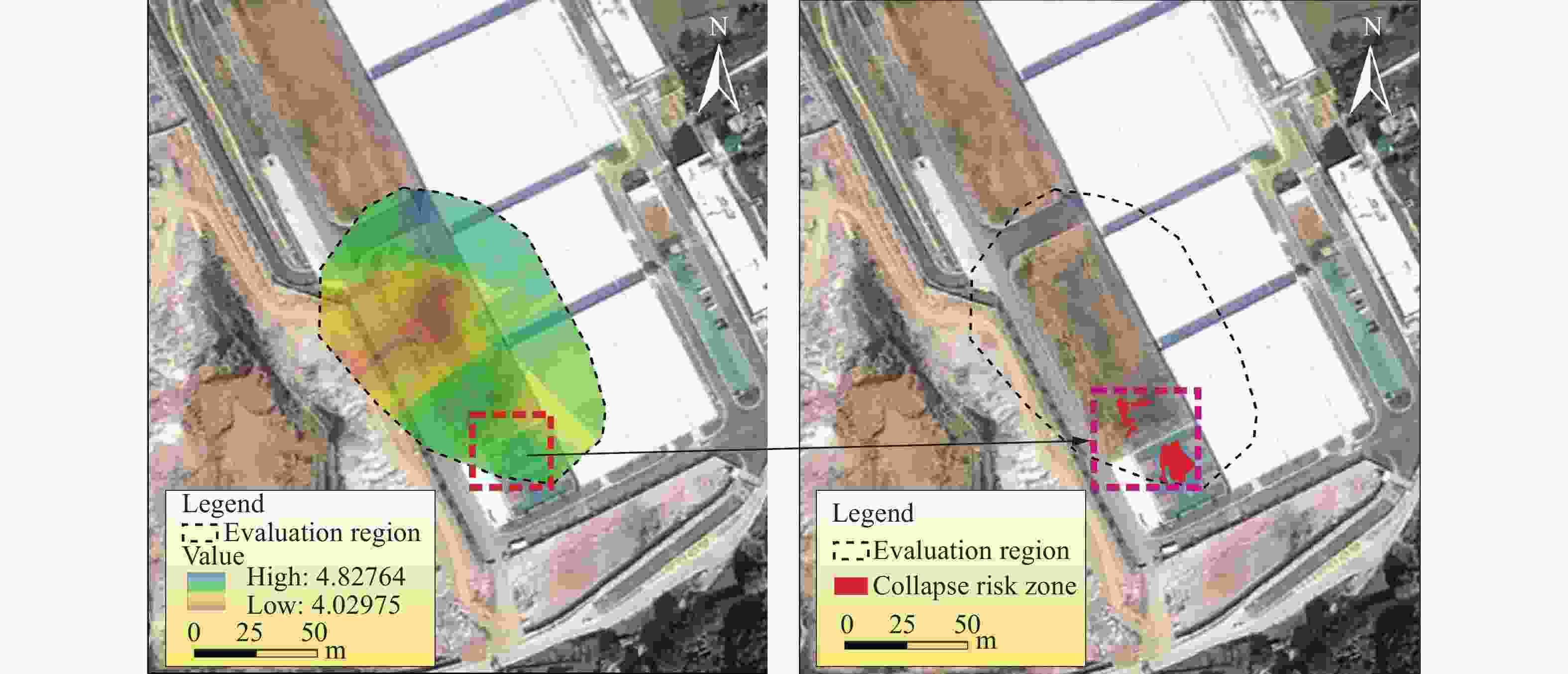
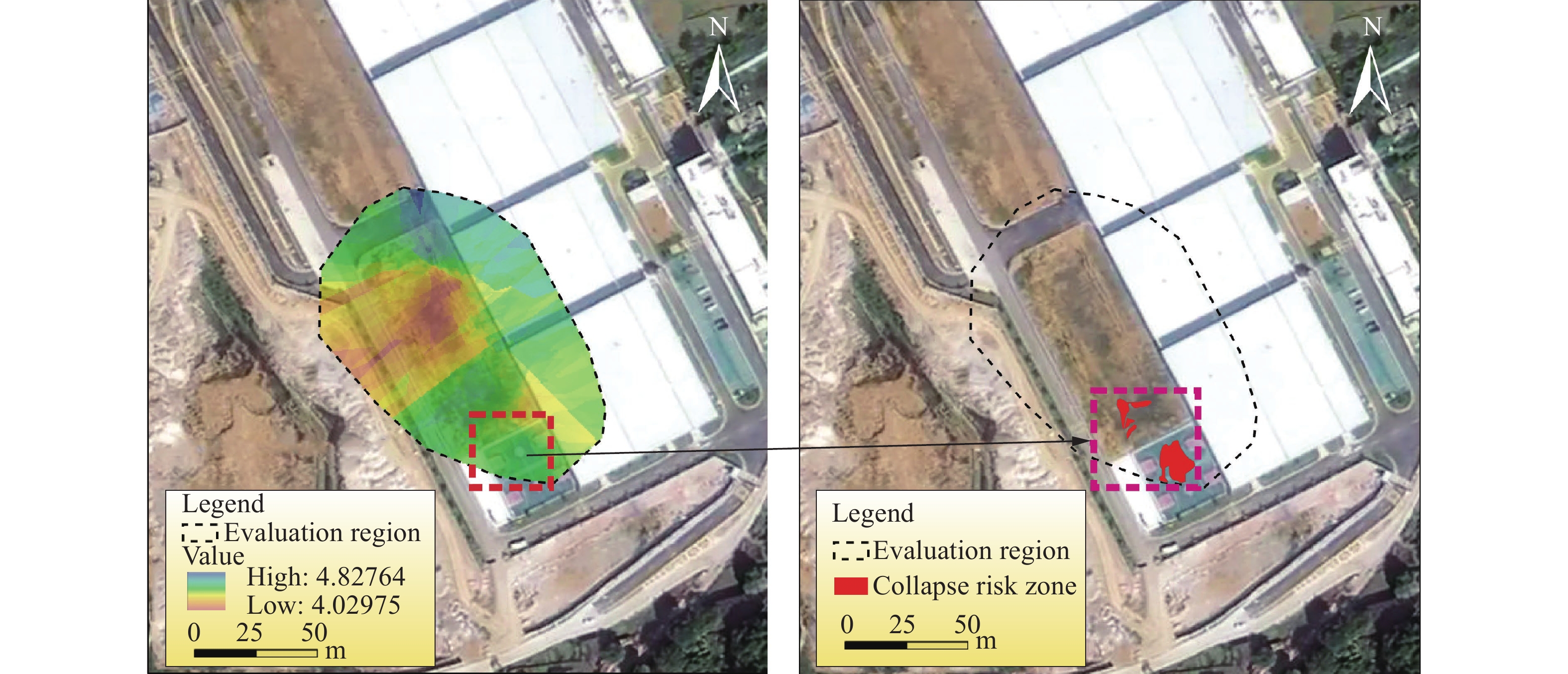
Figure 18. Comprehensive evaluation results of karst collapse susceptibility in the study area
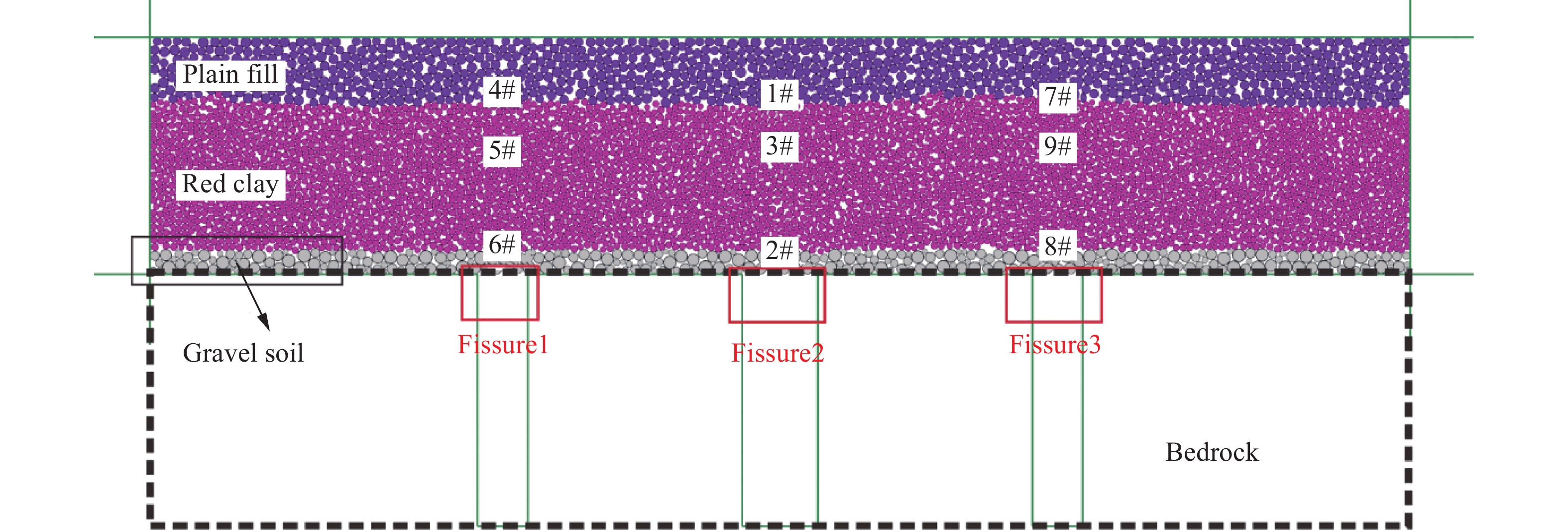
Table 1. Computation parameters for the COMSOL multiphysics model
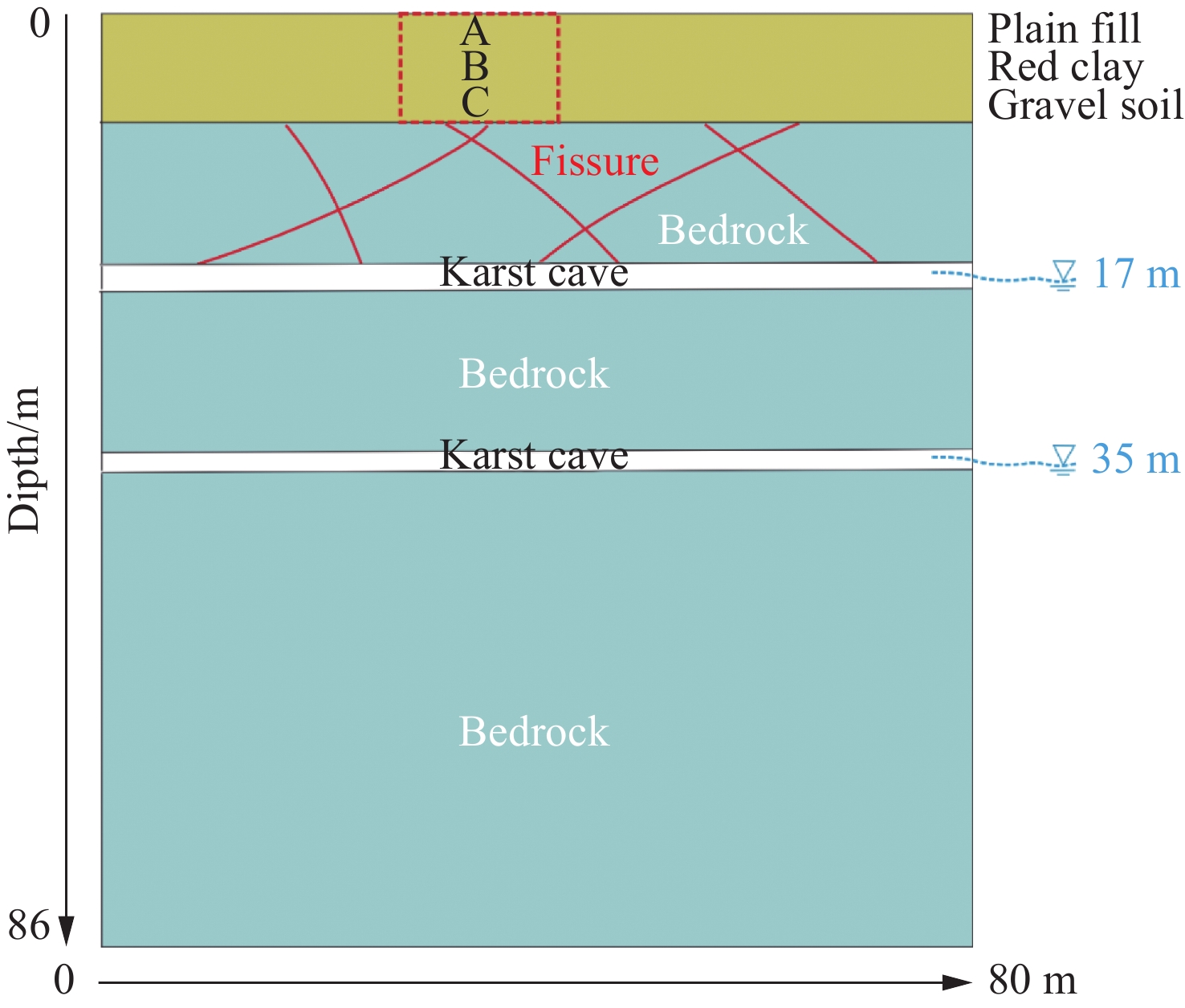
Rock and Soil Properties Density (kg/m3) Porosity Permeability (m2) Dynamic viscosity (Pa·s) Plain fill 1,730 0.45 5×10⁻⁶ Red clay 1,730 0.5 1×10⁻⁹ 0.001 Gravel soil 2,000 0.6 1×10⁻⁴ Bedrock 2,500 0.25 1×10⁻¹² Fissure 1,000 0.8 1×10⁻³ Karst cave 1,500 0.3 1×10²  下载: 导出CSV
Table 2. Mesoscopic Parameters for Numerical Simulation
Material Density (kg/m3) Porosity rmax rmin Stiffness ratio Friction coefficient Normal bond strength/kPa Shear bond strength/kPa Plain fill 1,743 0.32 0.0042 0.0032 2 0.5 20 10 Red clay 1,600 0.4 0.0030 0.0023 1.5 0.8 75 50 Gravel soil 1,800 0.24 0.0055 0.0021 2 0.8 200 100
下载: 导出CSV
Table 3. Karst collapse risk assessment index system
Target Layer Tier-1 Indicators Tier-2 Indicators Karst collapse risk assessment (K) Karst development intensity (A1) Borehole karst encounter rate (B1) Karst cave development height (B2) Karst cave development depth (B3) Overburden characteristics (A2) Overburden structure (B4) Overburden thickness (B5) Distance to karst cave roof (B6) Hydrodynamic conditions (A3) Groundwater level distance to overburden base (B7) Groundwater level to phreatic surface distance (B8)
下载: 导出CSV
Table 4. Weights of influence of evaluation factors on karst collapse susceptibility
B1 B2 B3 B4 B5 B6 B7 B8 Weights 0.1565 0.0757 0.0647 0.0598 0.1682 0.311 0.094 0.0546
下载: 导出CSV
Table 5. Classification and scoring criteria for evaluation factors
Evaluation indicators Classification and scoring Criterion layer Factor layer 1 2 3 Karst development intensity (A1) Borehole karst encounter rate (B1) <0.029 0.029–0.034 >0.034 Karst cave development height (B2) <1.85 1.85–2.77 >2.77 Karst cave development depth (B3) >11.4 10–11.4 <10 Overburden characteristics (A2) Overburden structure (B4) >0.97 0.66–0.97 <0.66 Overburden thickness (B5) >9.5 7.9–9.5 <7.9 Distance to karst cave roof (B6) >2 1.72–2 <1.72 Hydrodynamic conditions (A3) Groundwater level distance to overburden base (B7) >9.4 7.3–9.4 <7.3 Groundwater level to phreatic surface distance (B8) >14.2 13.2–14.2 <13.2
下载: 导出CSV
-
Ba X, Li L, Wang J, et al. 2020. Near-surface site investigation and imaging of karst cave using comprehensive geophysical and laser scanning: A case study in Shandong, China. Environmental Earth Sciences, 79: 298. DOI: 10.1007/s12665-020-09042-y. Cui QL, Shen SL, Xu YS, et al. 2015. Mitigation of geohazards during deep excavations in karst regions with caverns: A case study. Engineering Geology, 195: 16−27. DOI: 10.1016/j.enggeo.2015.05.024. Cui QL, Wu HN, Shen SL, et al. 2015. Chinese karst geology and measures to prevent geohazards during shield tunnelling in karst region with caves. Nat Hazards, 77: 129−152. DOI: 10.1007/s11069-014-1585-6. Feng Y. 2020. Study on collapse mechanism and prevention measures of dissolution trough zone in Guiyang Metro Line 2. M. S. thesis. Chengdu: Southwest Jiaotong University, 44−46. (in Chinese) DOI: 10.27414/d.cnki.gxnju.2020.001688. He K, Jia Y, Chen W, et al. 2014. Evaluation of karst collapse risks induced by over-pumping and karst groundwater resource protection in Zaozhuang region, China. Environmental Earth Sciences, 71: 3443−3454. DOI: 10.1007/s12665-013-2425-9. He K, Jia Y, Wang B, et al. 2013. Comprehensive fuzzy evaluation model and evaluation of the karst collapse susceptibility in Zaozhuang Region, China. Natural Hazards, 68: 613−629. DOI: 10.1007/s11069-013-0642-x. Kang YS, Geng Z, Lu LH, et al. 2021. Compound karst cave treatment and waterproofing strategy for EPB shield tunnelling in karst areas: A case study. Frontiers in Earth Science, 9: 761573. DOI: 10.3389/feart.2021.761573. Ling CP, Zhang Q. 2024. Exploring the groundwater response to rainfall in a translational landslide using the master recession curve method and cross-correlation function. Journal of Groundwater Science and Engineering, 12(3): 237−252. DOI: 10.26599/JGSE.2024.9280018. Li LP, Sun SQ, Wang J, et al. 2020. Experimental study of the precursor information of the water inrush in shield tunnels due to the proximity of a water-filled cave. International Journal of Rock Mechanics and Mining Sciences, 130: 104320. DOI: 10.1016/j.ijrmms.2020.104320. Liu N, Pei JH, Cao CY, et al. 2022. Geological investigation and treatment measures against water inrush hazard in karst tunnels: A case study in Guiyang, Southwest China. Tunnelling and Underground Space Technology, 124: 104491. DOI: 10.1016/j.tust.2022.104491. Shen SL, Wu HN, Cui YJ, et al. 2014. Long-term settlement behaviour of metro tunnels in the soft deposits of Shanghai. Tunnelling and Underground Space Technology, 40: 309−323. DOI: 10.1016/j.tust.2013.10.013. Wang B, Li ZG, Dong X, et al. 2011. Study on mechanical model of karst collapse: A case of Dongyanglou karst collapse in Tai'an City. Journal of Natural Disasters, 20: 119−125. (in Chinese) DOI: 10.13577/j.jnd.2011.0419. Wang GF, Lyu HM, Jack SS, et al. 2017. Evaluation of environmental risk due to metro system construction in Jinan, China. International Journal of Environmental Research and Public Health, 14(10): 1114. DOI: 10.3390/ijerph14101114. Wang J, Liu L, Zhang Y, et al. 2018. Karst detection and engineering verification of foundation pit in Guiyang metro station by multi-channel transient Rayleigh wave method. Progress in Geophysics, 33: 2588−2596. (in Chinese) DOI: 10.6038/pg2018BB0177. Yang ZP, Gao YH, He KJ, et al. 2025. Risk prediction of karst collapse based on susceptibility and rainfall threshold. Chinese Journal of Underground Space and Engineering, 21: 672−683. (in Chinese) DOI: 10.20174/j.JUSE.2025.02.35. Yao WY, Shen SL. 2018. Comprehensive critical mechanical model of covered karst collapse under the effects of positive and negative pressure. Bulletin of Engineering Geology and the Environment, 77: 177−190. DOI: 10.1007/s10064-016-0972-5. Yang L, Cheng YP, Wen XR, et al. 2024. Development, hotspots and trend directions of groundwater numerical simulation: A bibliometric and visualization analysis. Journal of Groundwater Science and Engineering, 12(4): 411−427. DOI: 10.26599/JGSE.2024.9280031. Zhang K, Zheng WB, Liao ZY, et al. 2022. Risk assessment of ground collapse along tunnels in karst terrain by using an improved extension evaluation method. Tunnelling and Underground Space Technology, 129: 104669. DOI: 10.1016/j.tust.2022.104669. Zhang KN, Zhang Y, Liao Y, et al. 2018. Analysis of karst development characteristics and water inrush mode of a metro station in Guiyang. Carsologica sinica, 37: 300−306. (in Chinese) DOI: 10.11932/karst20180218. Zhang L, Xiang XQ, Cheng HH, et al. 2025. Time series InSAR deformation characteristic analysis and early identification of clustered karst collapse groups. Science Technology and Engineering, 25: 4857−4863. (in Chinese) DOI: 10.12404/j.issn.1671-1815.2403924. Zhang LG, Zhu XH, Tuo HT, et al. 2022. Research and application of novel spherical tungsten carbide cutter in shield tunneling engineering of Guiyang karst stratum. Modern Tunnelling Technology, 59: 252−257. (in Chinese) DOI: 10.13807/j.cnki.mtt.2022.02.029. Zhou ZL, Zhang K, Zhang H, et al. 2022. Risk assessment of surface collapse in karst tunnel based on attribute recognition theory. China Safety Science Journal, 32: 105−112. (in Chinese) DOI: 10.16265/j.cnki.issn1003-3033.2022.11.1867. -

 点击查看大图
计量
- 文章访问数: 167
- HTML全文浏览量: 74
- PDF下载量: 6
- 被引次数: 0


