 E-mail alert
 Rss
Rss



Distribution and controlling mechanisms of rare earth elements in geothermal waters of Xiamen, Southeastern China
-
Abstract: Rare Earth Elements (REEs) are effective tracers of fluid–rock interaction and fluid mixing in geothermal systems, but their behavior in coastal geothermal waters remains poorly constrained owing to the combined effects of seawater intrusion, high ionic strength, and complex ligand competition. In this study, five geothermal water samples from the Xiamen coastal geothermal system, southeastern China, were characterized by hydrochemical analysis, Post-Archean Australian Shale (PAAS)-normalized REE patterns, anomaly indices, and PHREEQC speciation modeling to constrain the distribution and controls of dissolved REEs. Total dissolved REE concentrations (∑REE) range from 0.044 μg/L to 1.651 μg/L, with higher values in coastal waters than in the inland geothermal end-member. All samples show the fractionation pattern light rare earth elements (LREEs) > Middle Rare Earth Elements (MREEs) > Heavy Rare Earth Elements (HREEs), whereas PAAS-normalized patterns indicate relative HREE enrichment and generally negative Ce anomalies. Eu anomalies vary systematically from positive in the inland geothermal water to weak or absent in coastal waters. Regional comparison suggests that deep water–rock interaction controls the overall REE source and abundance levels, whereas seawater mixing primarily modifies REE fractionation, anomaly signatures, and aqueous speciation. Speciation modeling further shows that REEs in coastal geothermal waters are mainly associated with fluoride-, sulfate-, and carbonate-bearing complexes, whereas carbonate complexes dominate in the inland sample. Overall, REE behavior in the Xiamen system is governed by the coupled effects of water–rock interaction and seawater mixing, providing new insight into REE migration and fractionation in fault-controlled coastal geothermal environments.
-
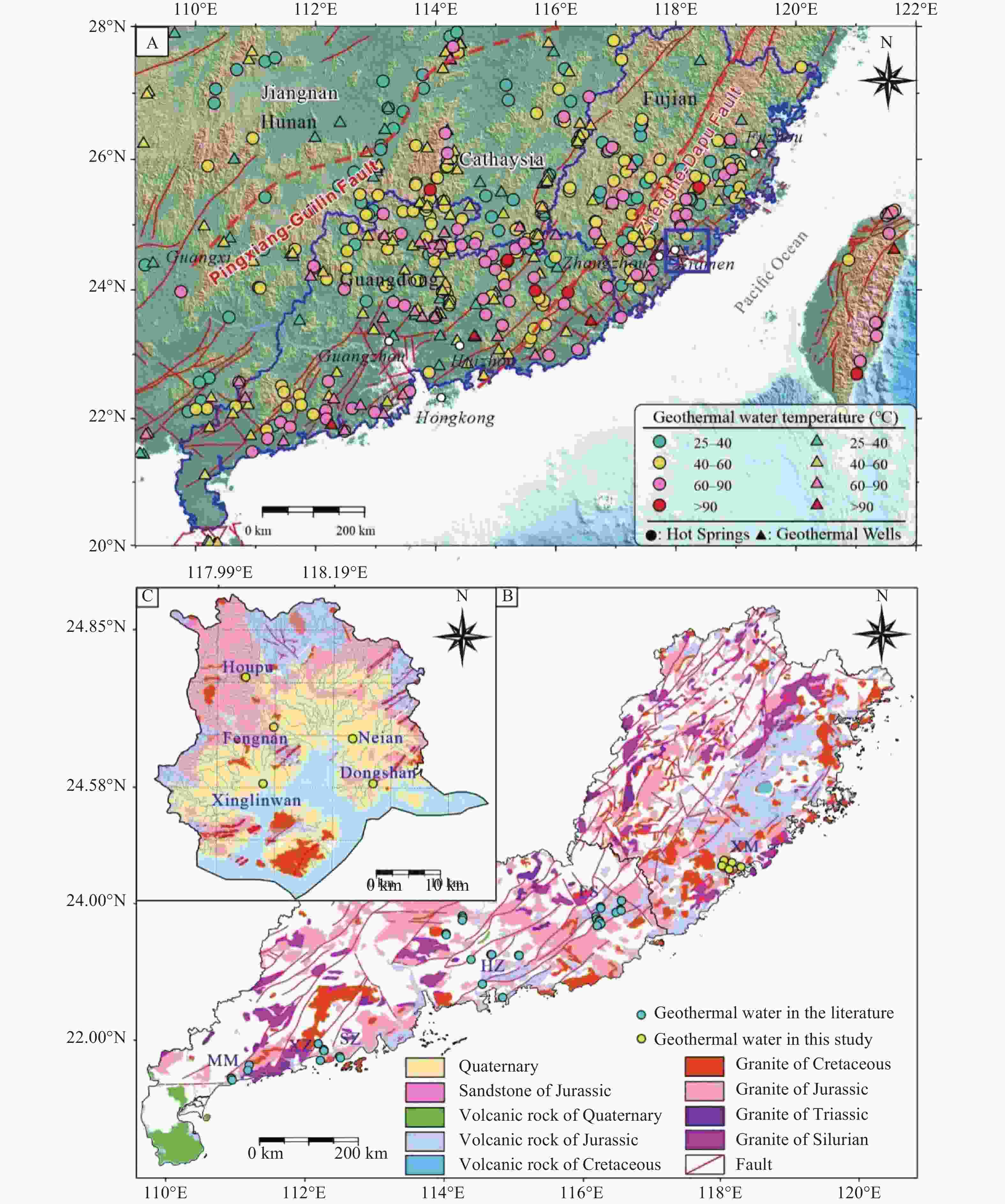
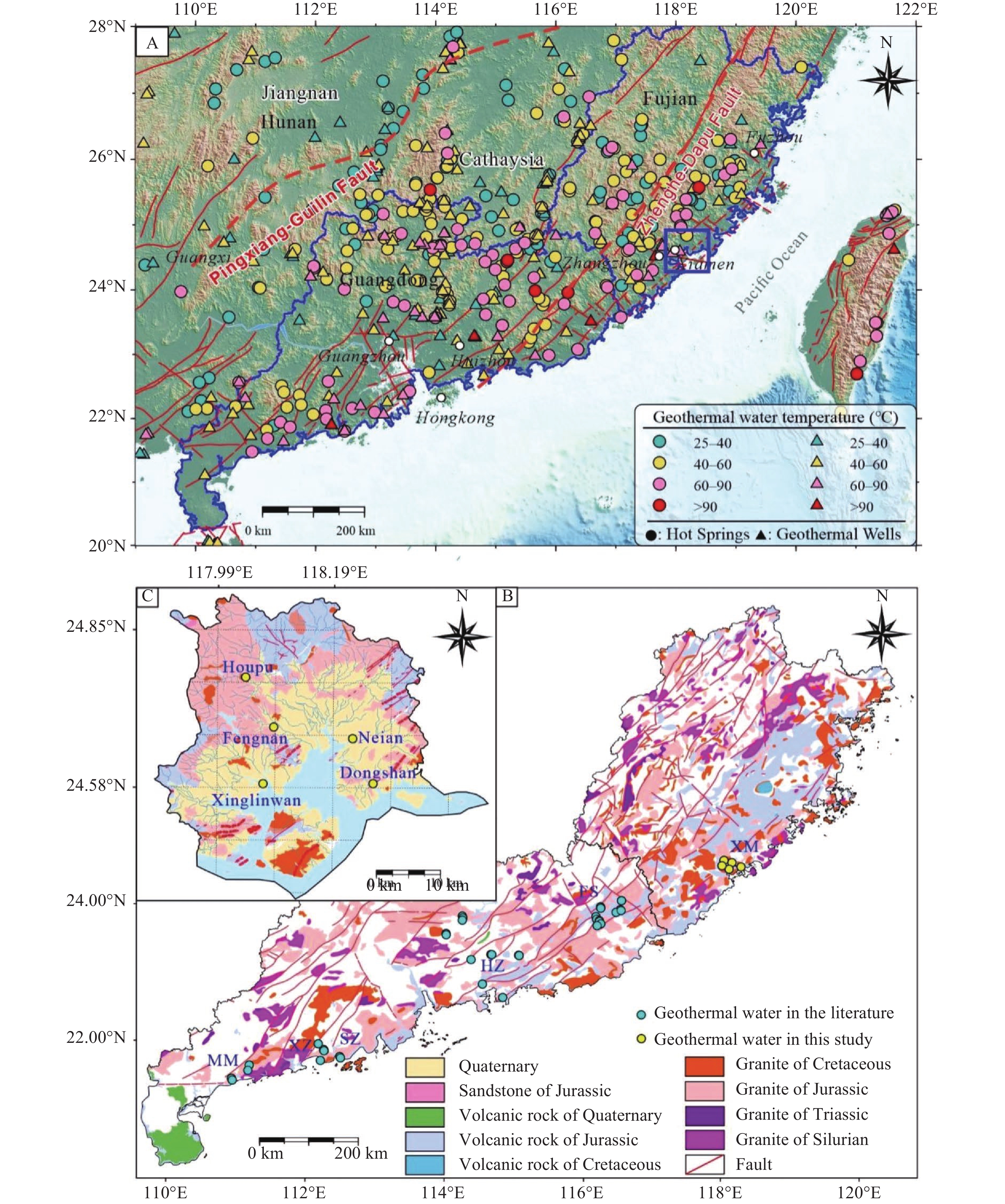
Figure 1. Regional geothermal and geological framework of the study
Notes: (A)-Distribution of hot springs and geothermal wells in southeastern China classified by geothermal water temperature; (B)-Spatial distribution of granites and volcanic rocks of different emplacement ages in Guangdong and Fujian provinces (geothermal water data from Guangdong are compiled from Zhang et al., 2023); (C)-Locations of geothermal water sampling sites in Xiamen investigated in this study. XM, Xiamen; FS, Fengshun; HZ, Huizhou; SZ, Shenzhou; XZ, Xinzhou; MM, Maoming.
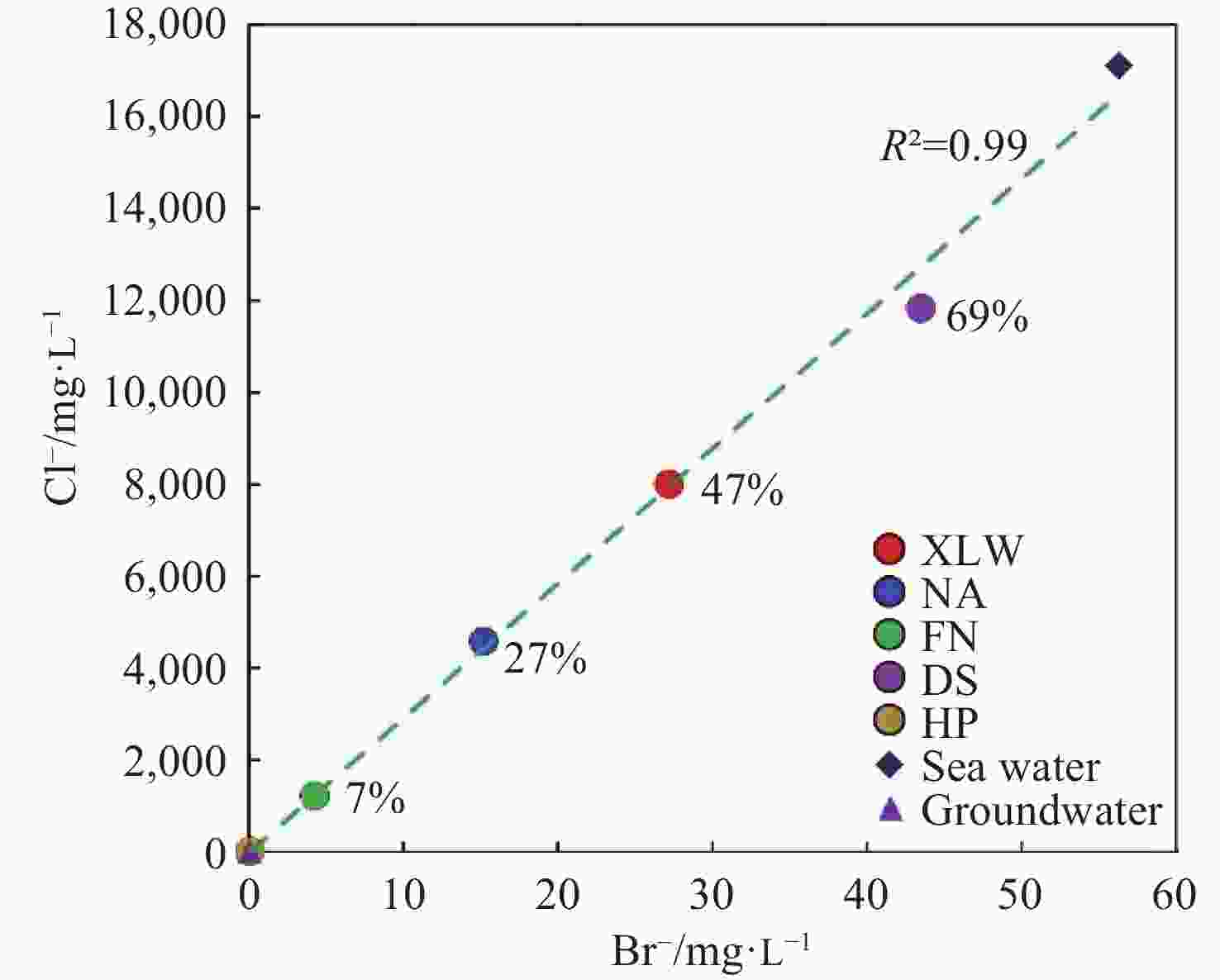
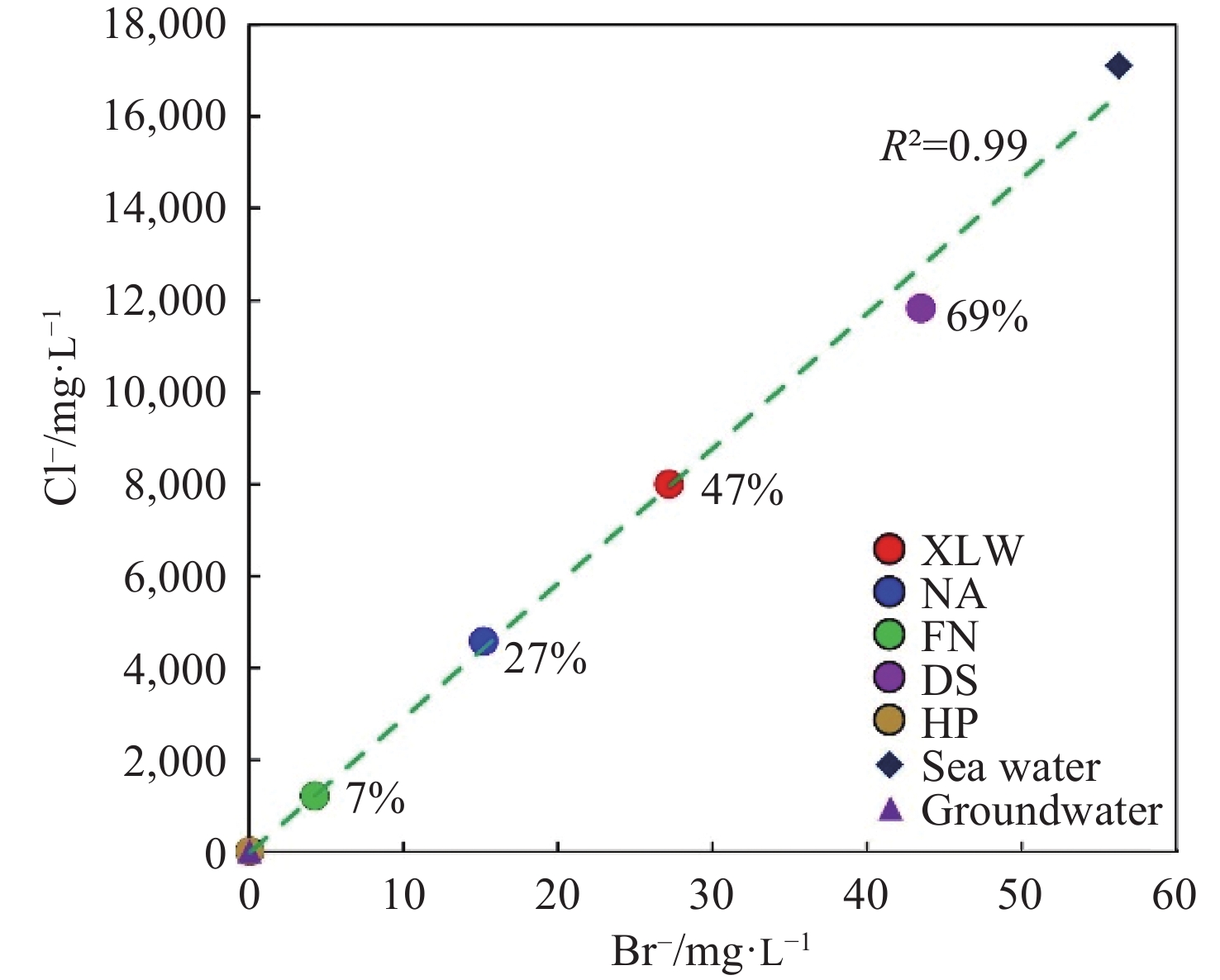
Figure 3. Relationship between Cl− and Br− concentrations in geothermal waters from the Xiamen study area.
Note: Groundwater and seawater end-member data used for comparison were taken from Liu et al. (2022a)
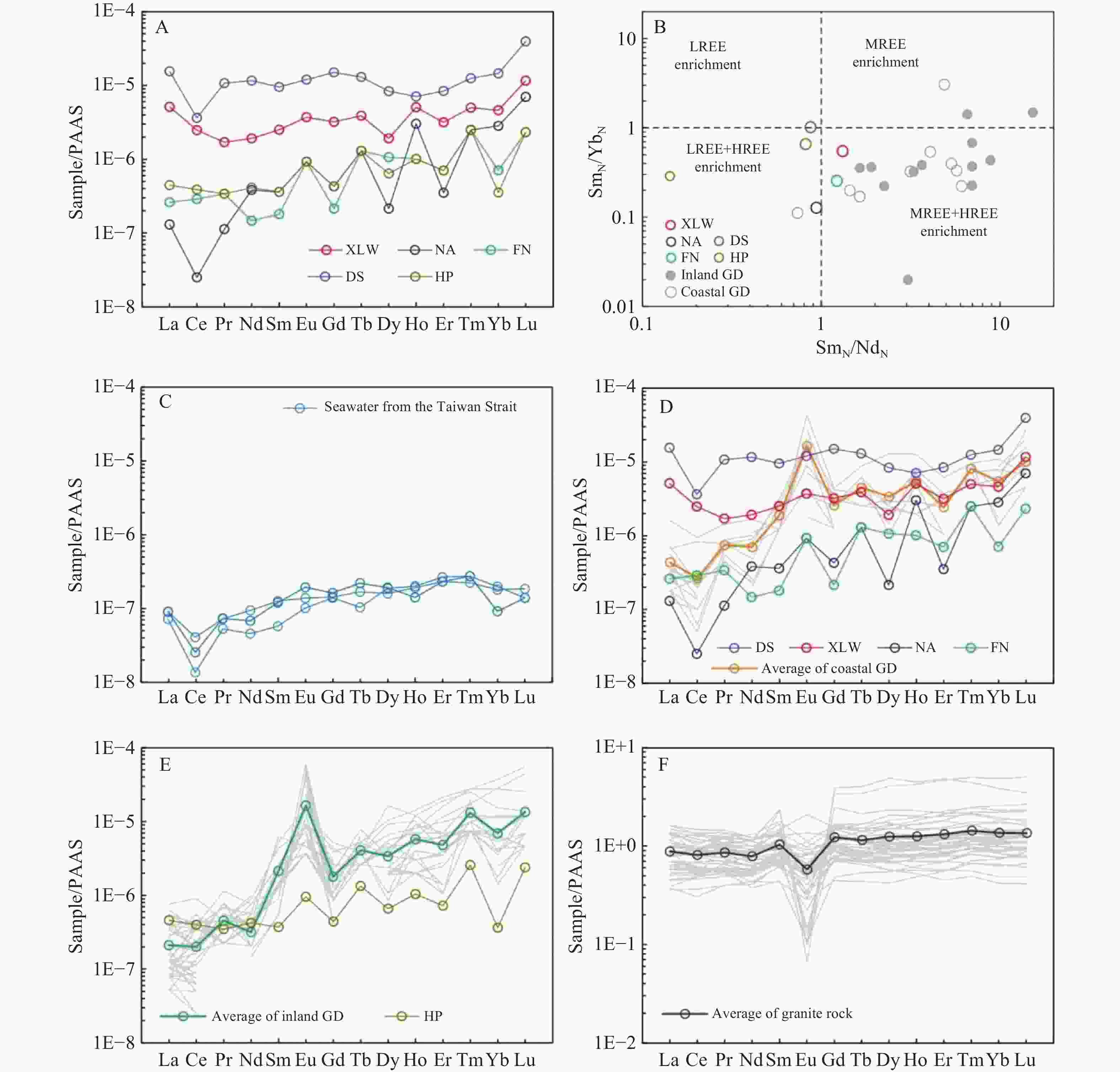
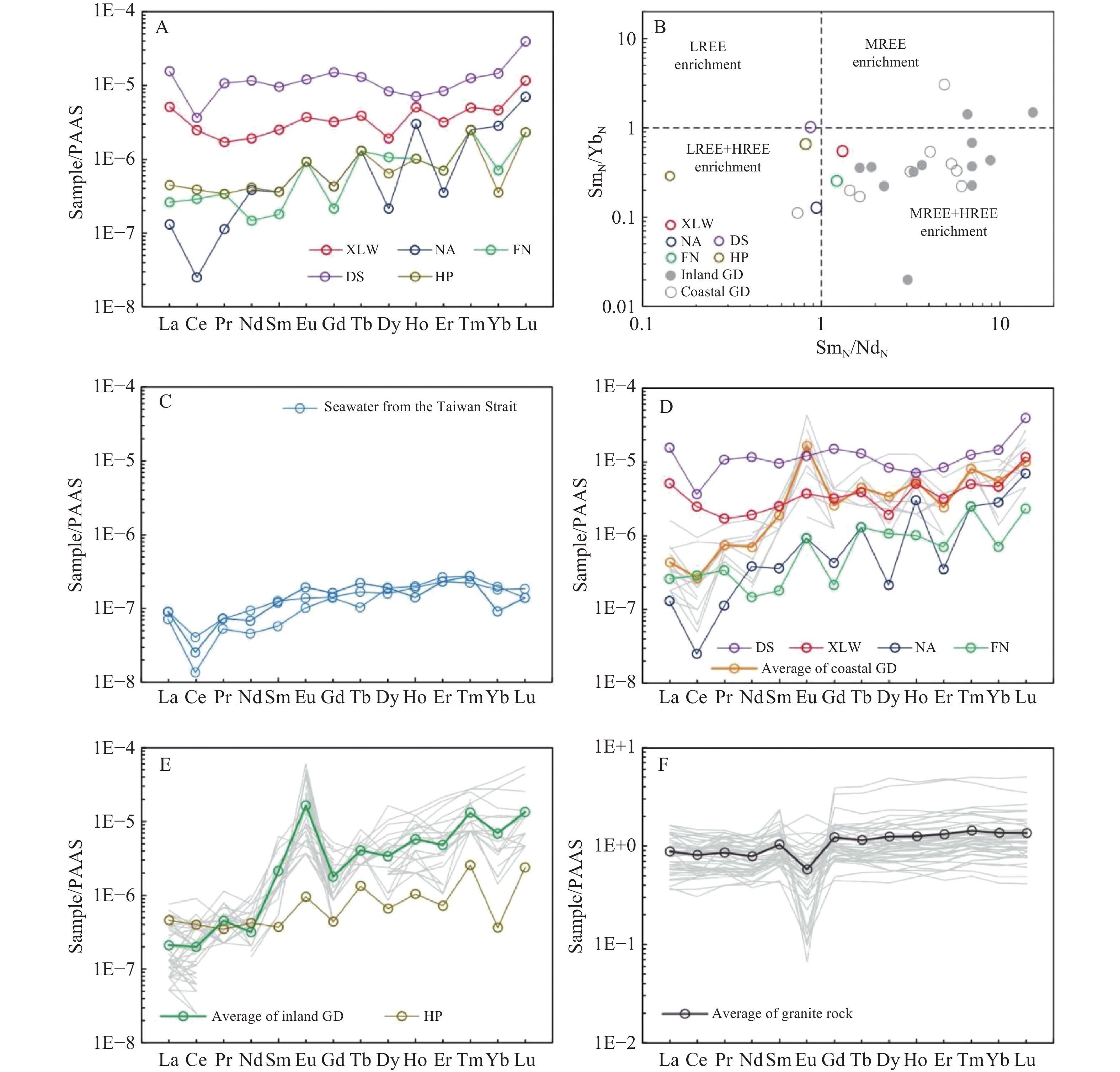
Figure 4. PAAS-normalized rare earth element (REE) distribution patterns of geothermal waters: (A) geothermal water samples from the study area; (b) SmN/NdN–SmN/YbN ratios of geothermal waters; (c) seawater from the Taiwan Strait; (d) coastal geothermal waters from Guangdong Province; (e) inland geothermal waters from Guangdong Province; (f) granitic rocks from Guangdong and Fujian provinces. Inland GD, inland geothermal waters in Guangdong; coastal GD, coastal geothermal waters in Guangdong.
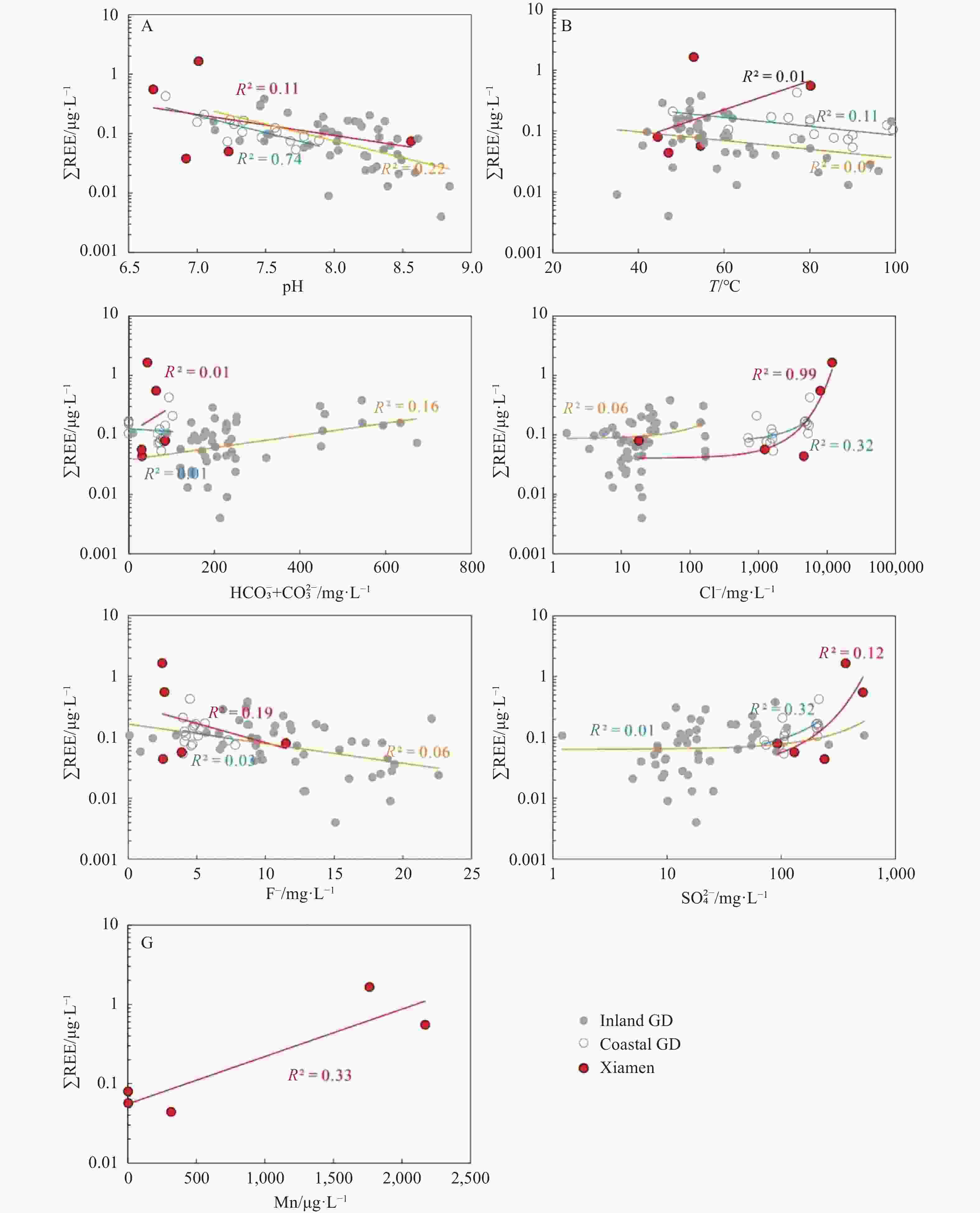
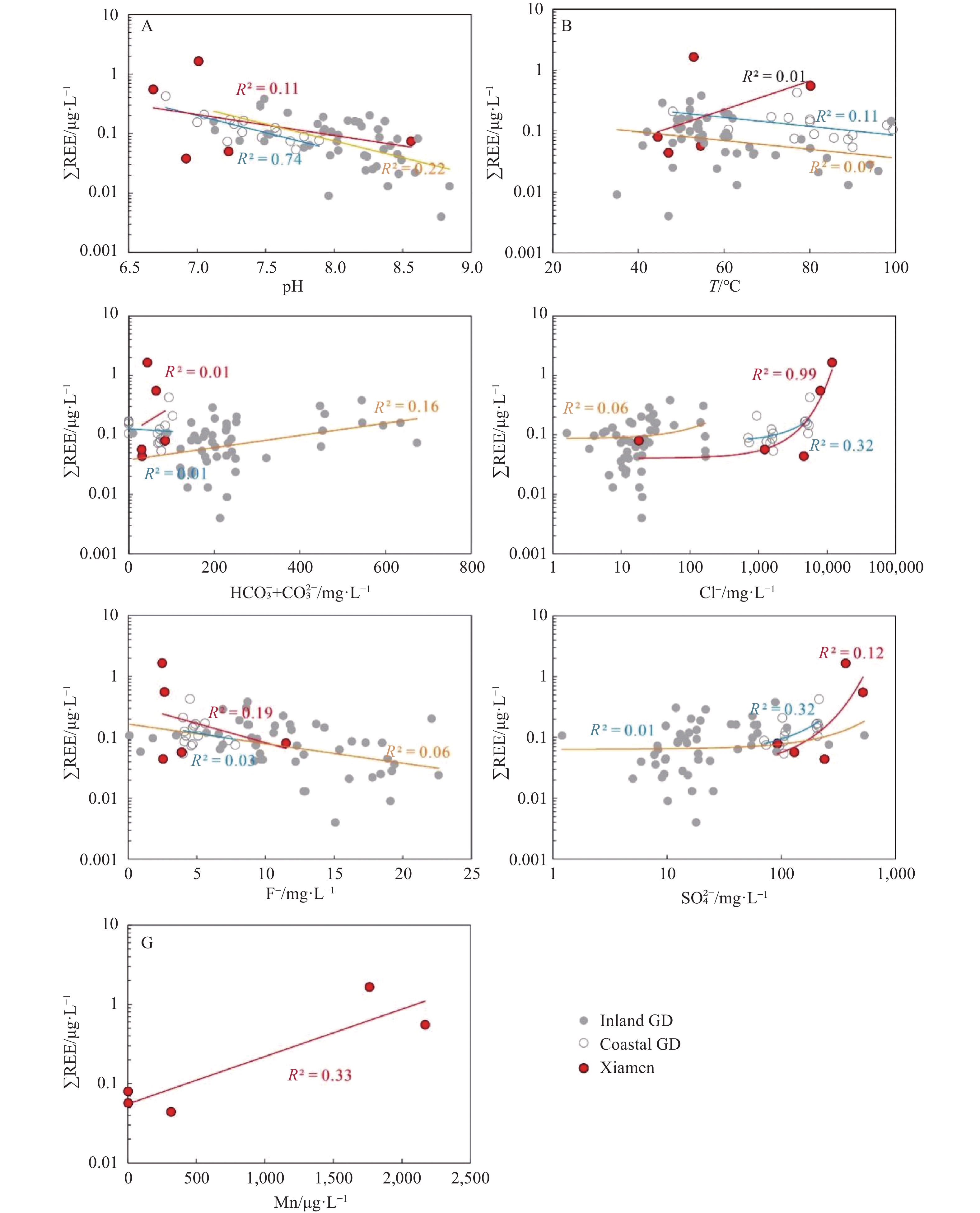
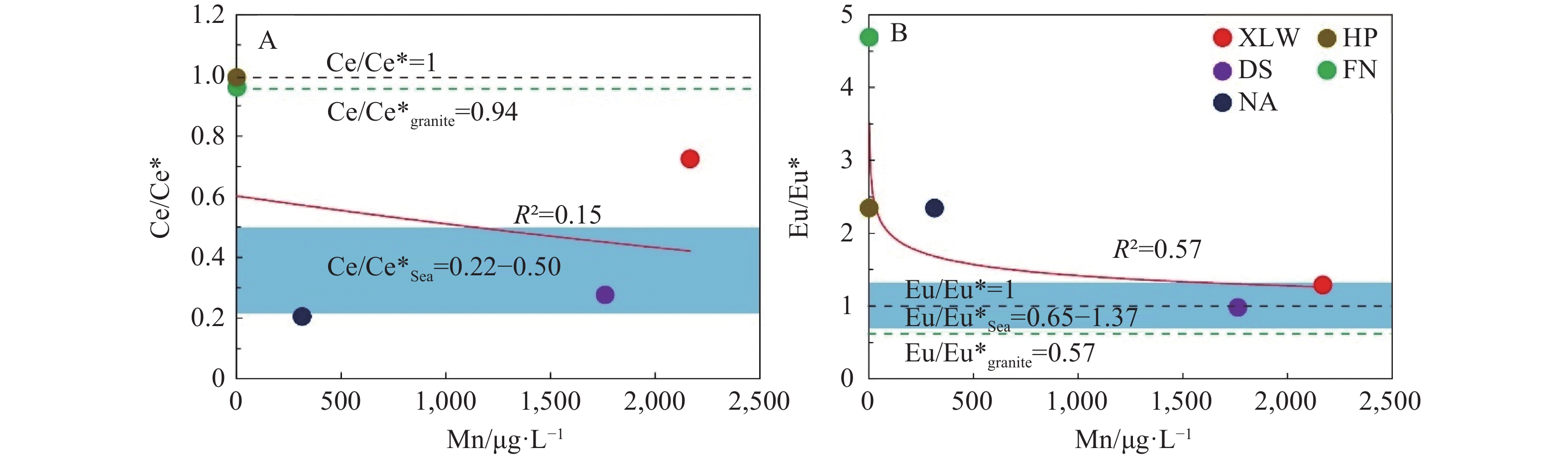
Figure 5. Relationships between total rare earth element concentrations (∑REE) in geothermal waters from the study area and (A) pH, (B) temperature (T), (C) HCO3− + CO32−, (D) Cl−, (E) F−, (F) SO42−, and (G) Mn concentrations
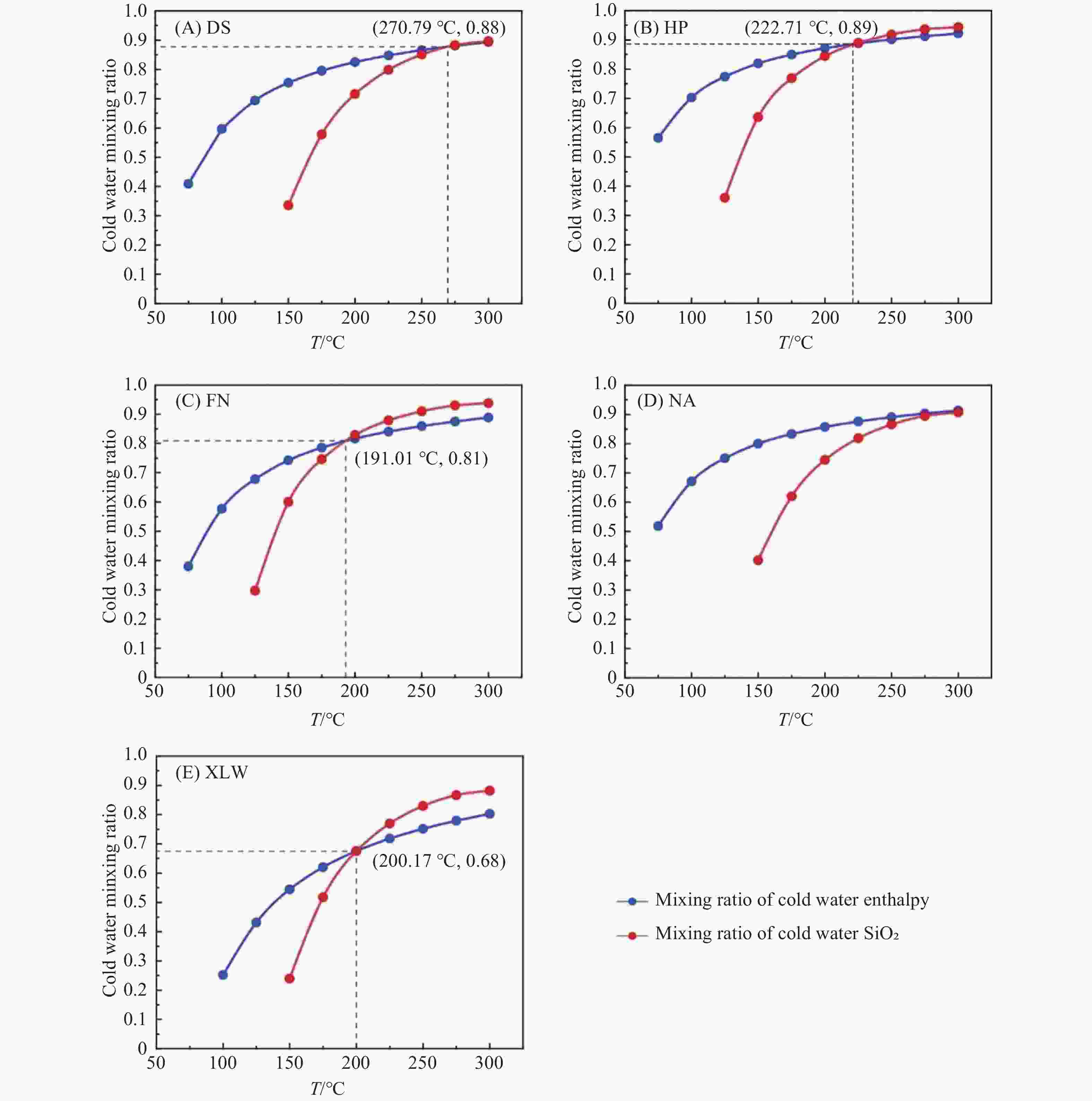
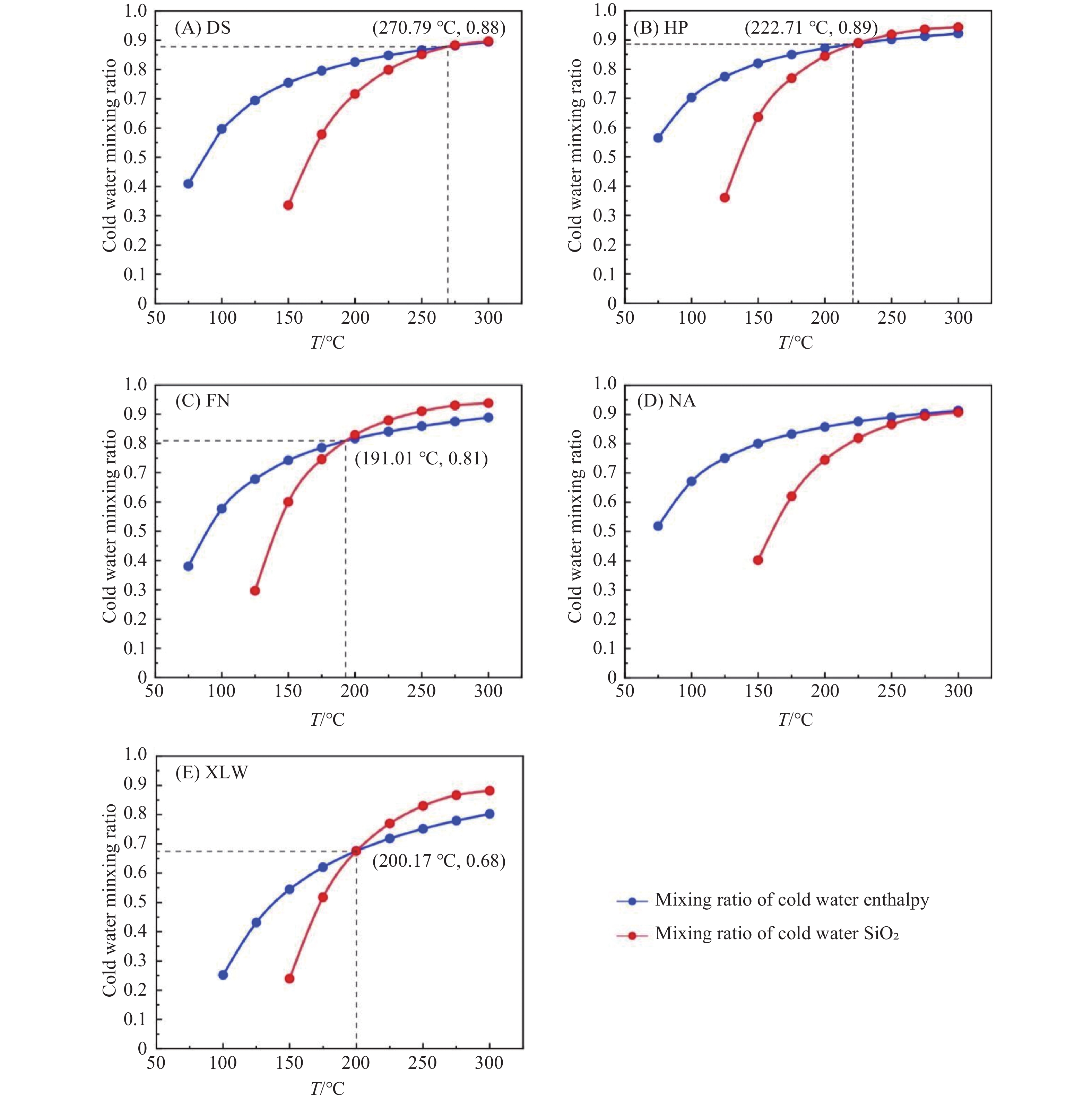
Figure 6. Silica–enthalpy mixing model for estimating reservoir temperature and cold-water mixing ratios of geothermal waters from Xiamen.
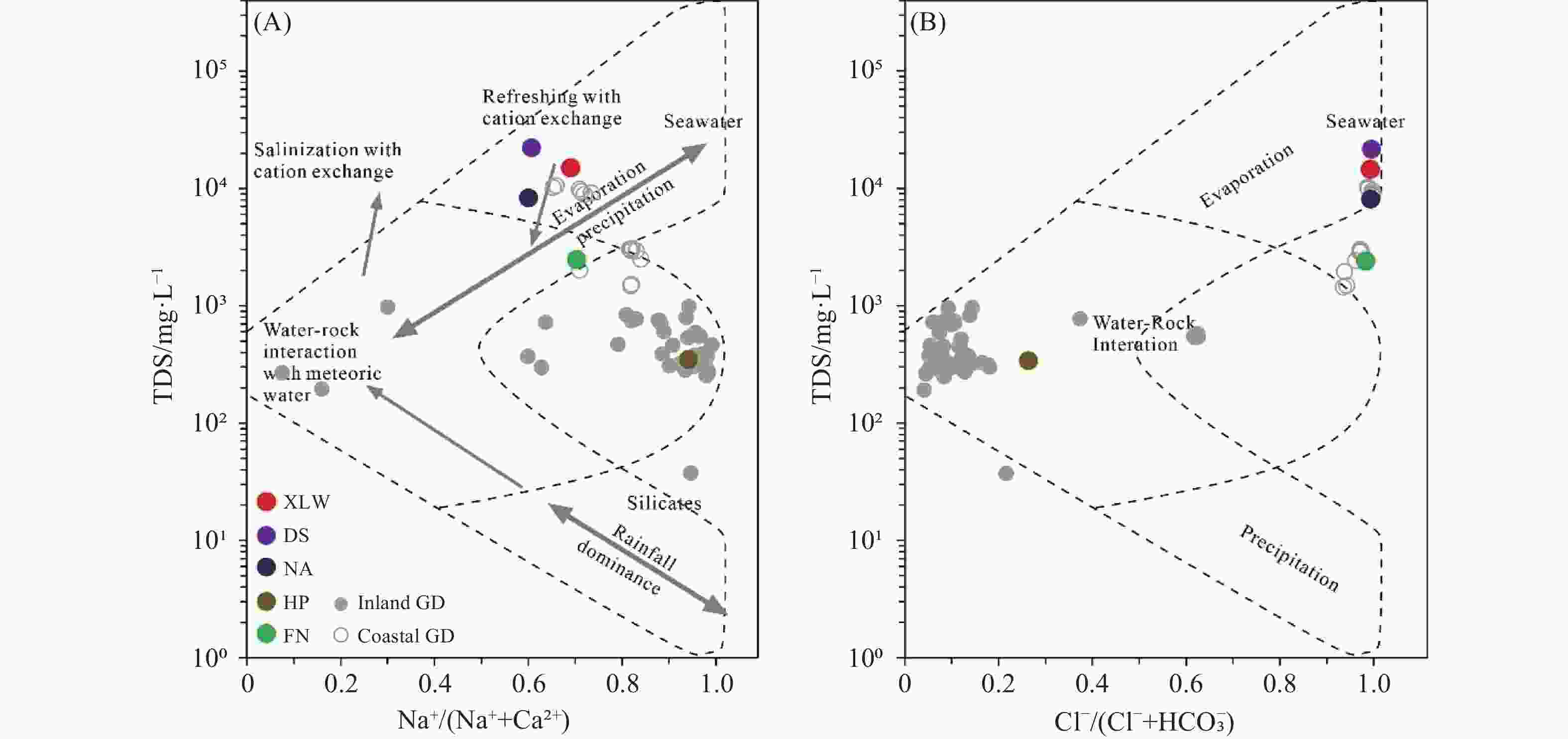
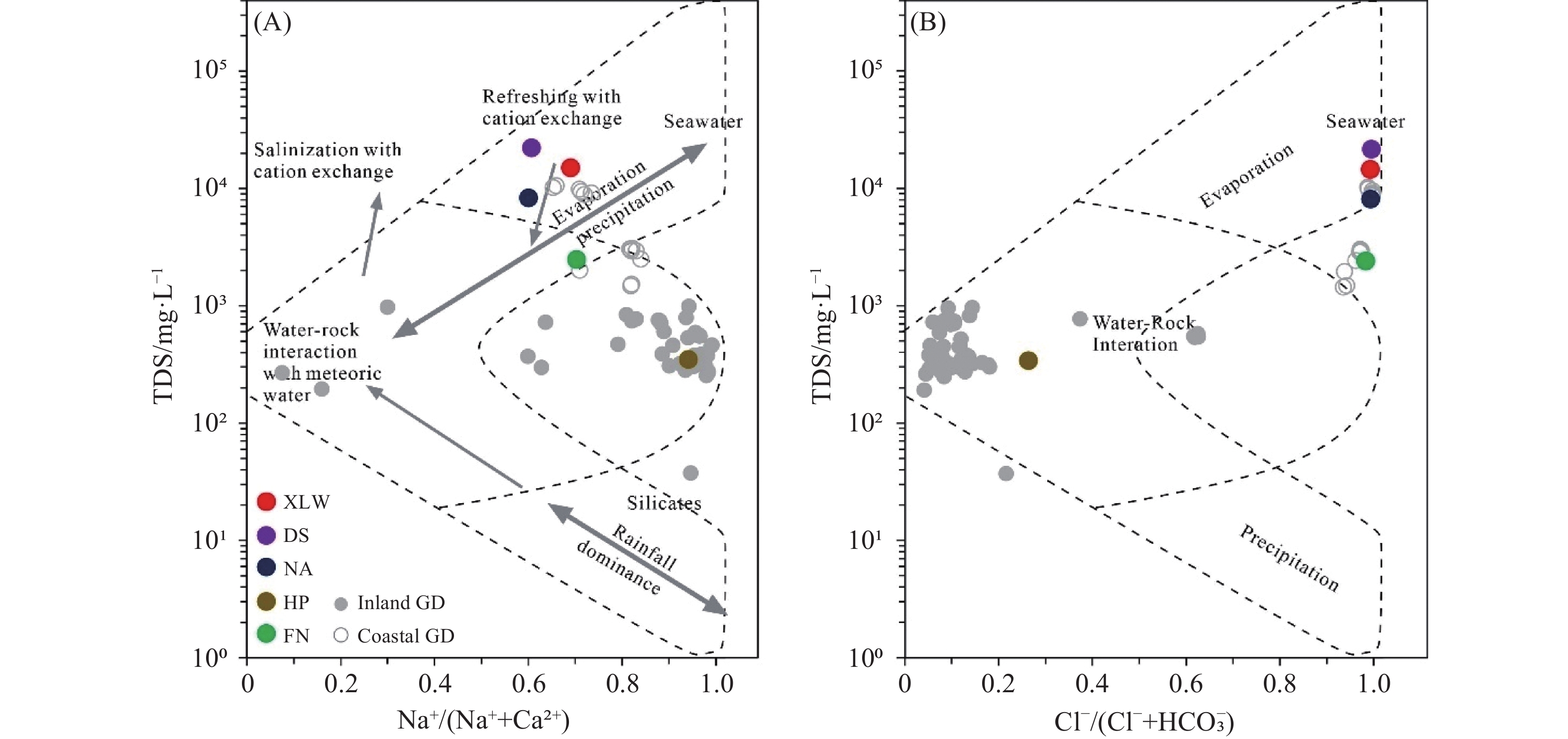
Figure 7. Gibbs diagram of geothermal water samples from the study area
Notes: (A)-Relationship between total dissolved solids (TDS) and Na+/(Na+ + Ca2+) (modified after (Wei et al. 2025)); (B)- Relationship between total dissolved solids (TDS) and Cl−/(Cl− + HCO3−).
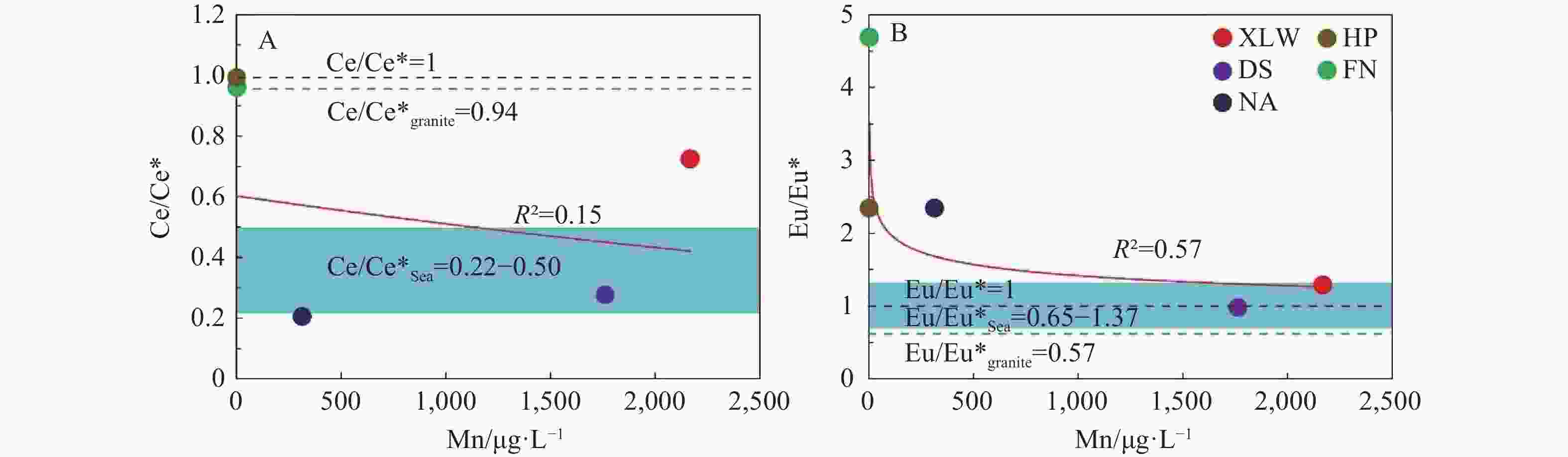
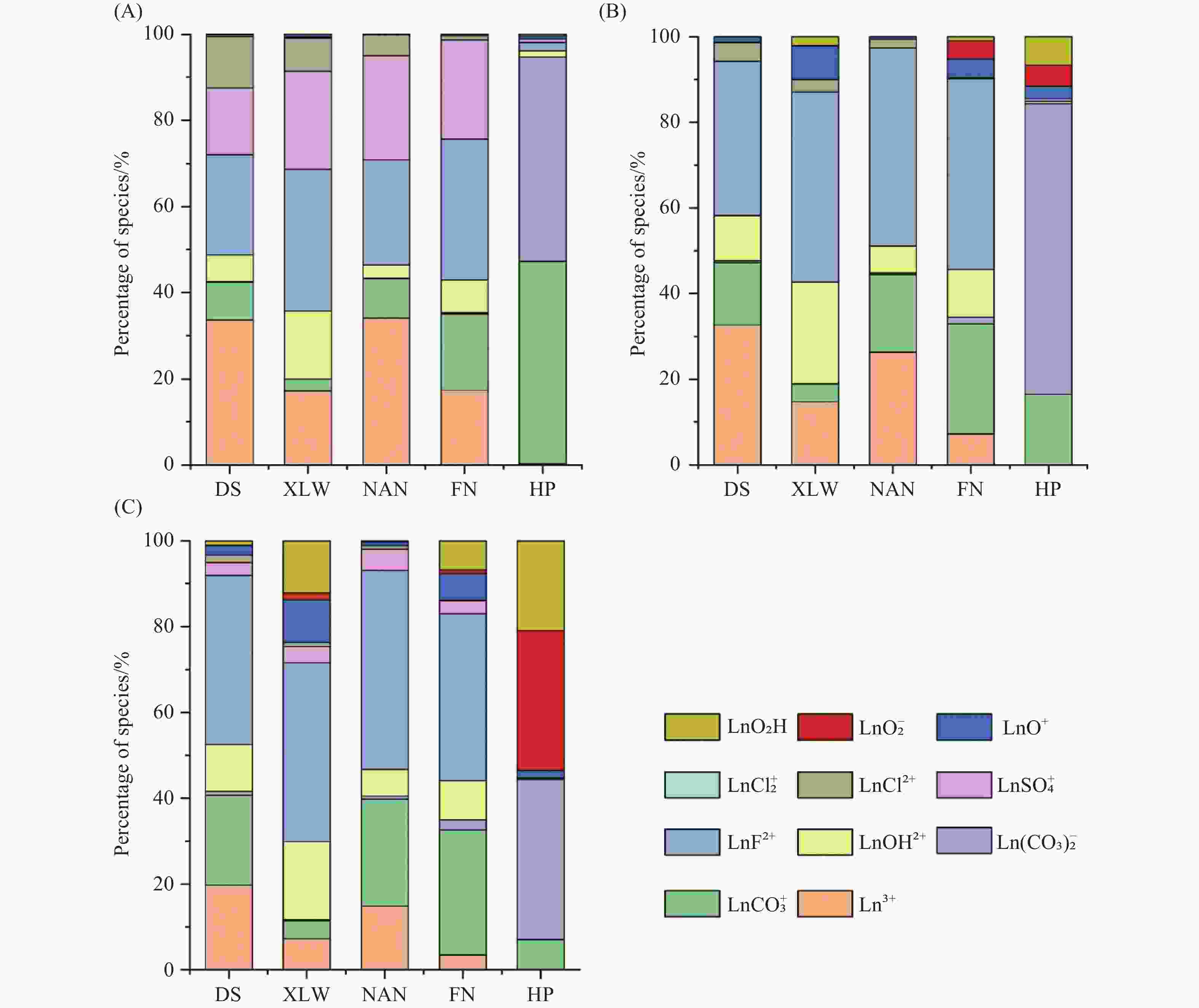
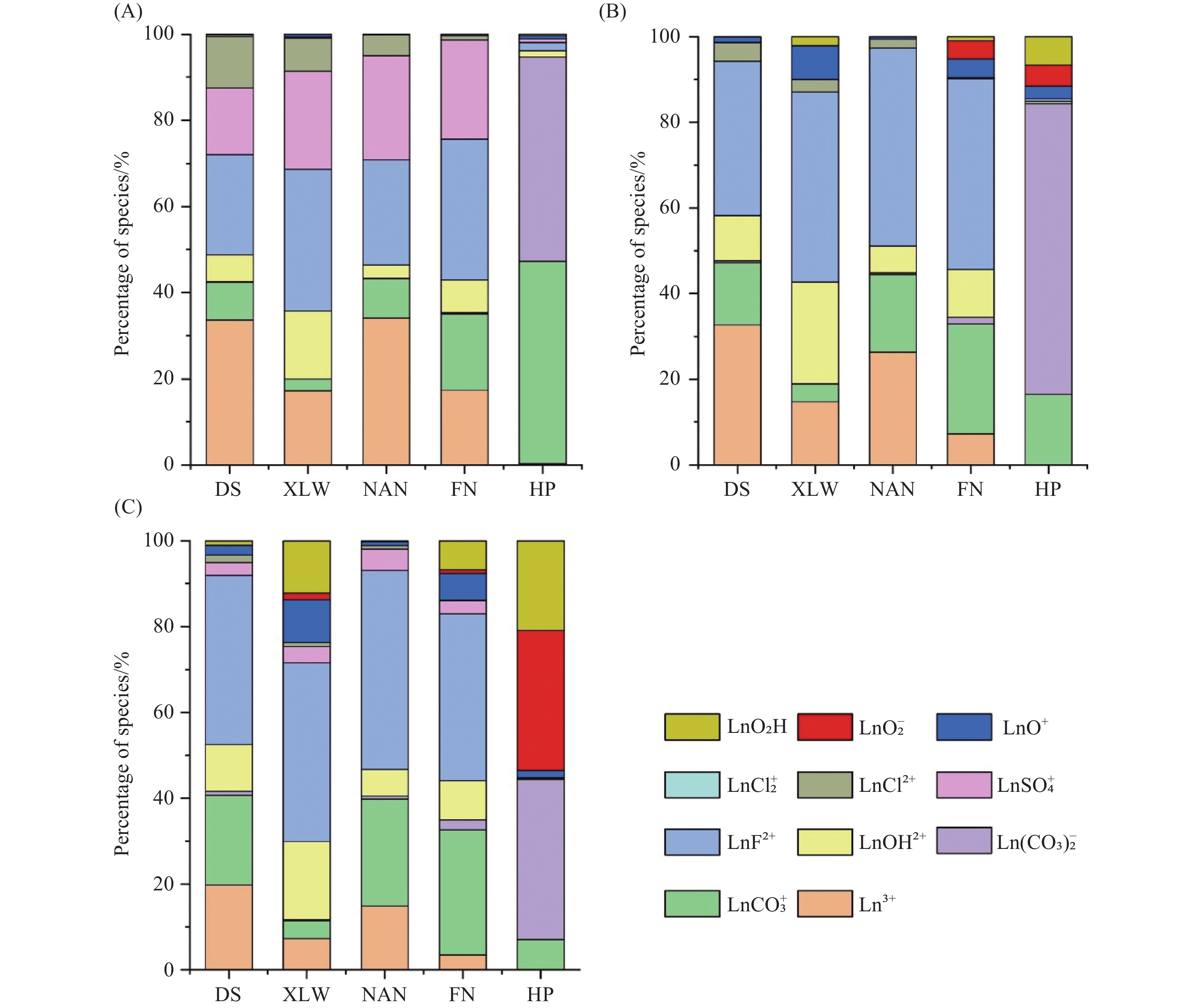
Figure 9. PHREEQC-calculated aqueous speciation of representative rare earth elements in geothermal waters from the Xiamen study area: (A) La, (B) Gd, and (C) Yb
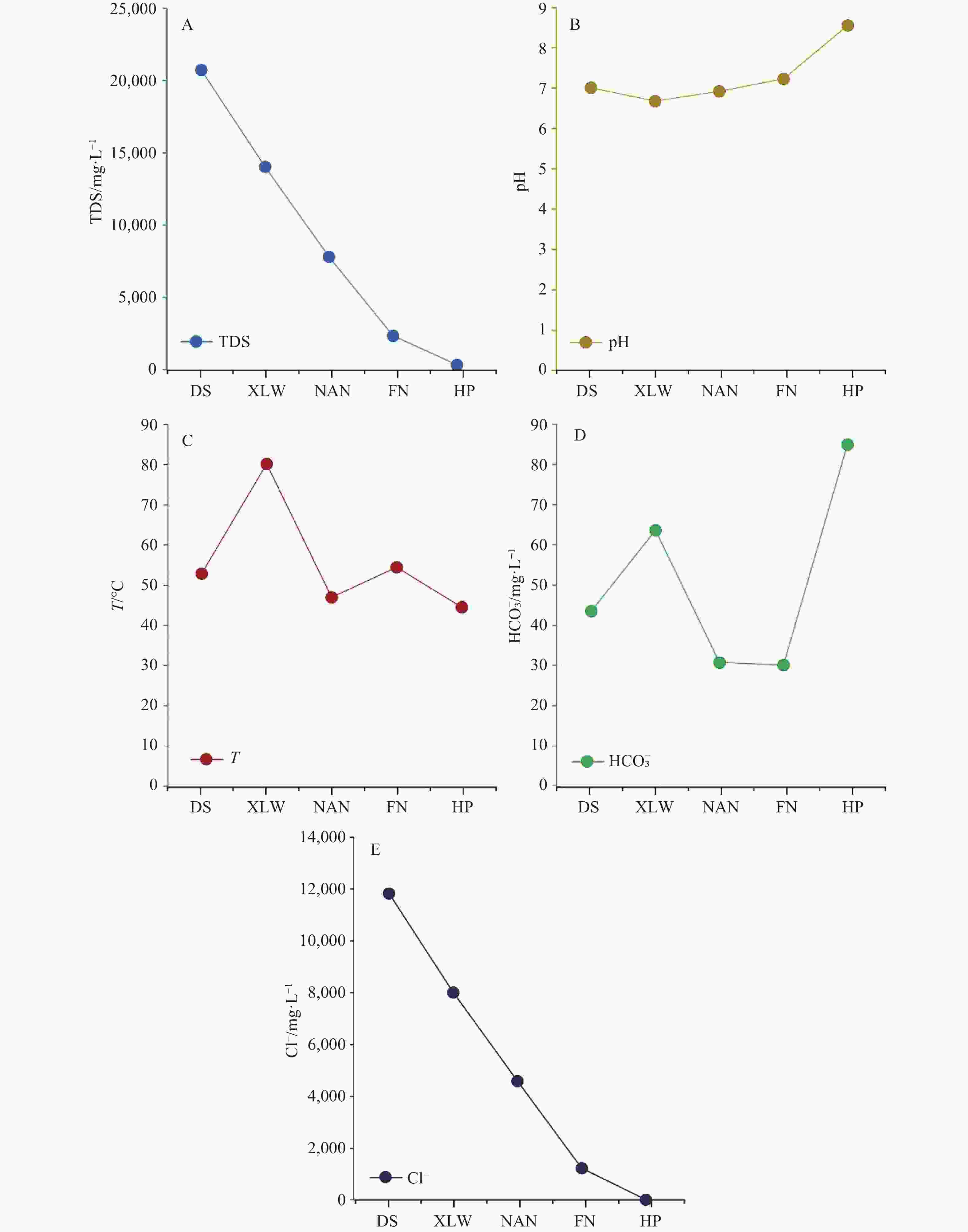
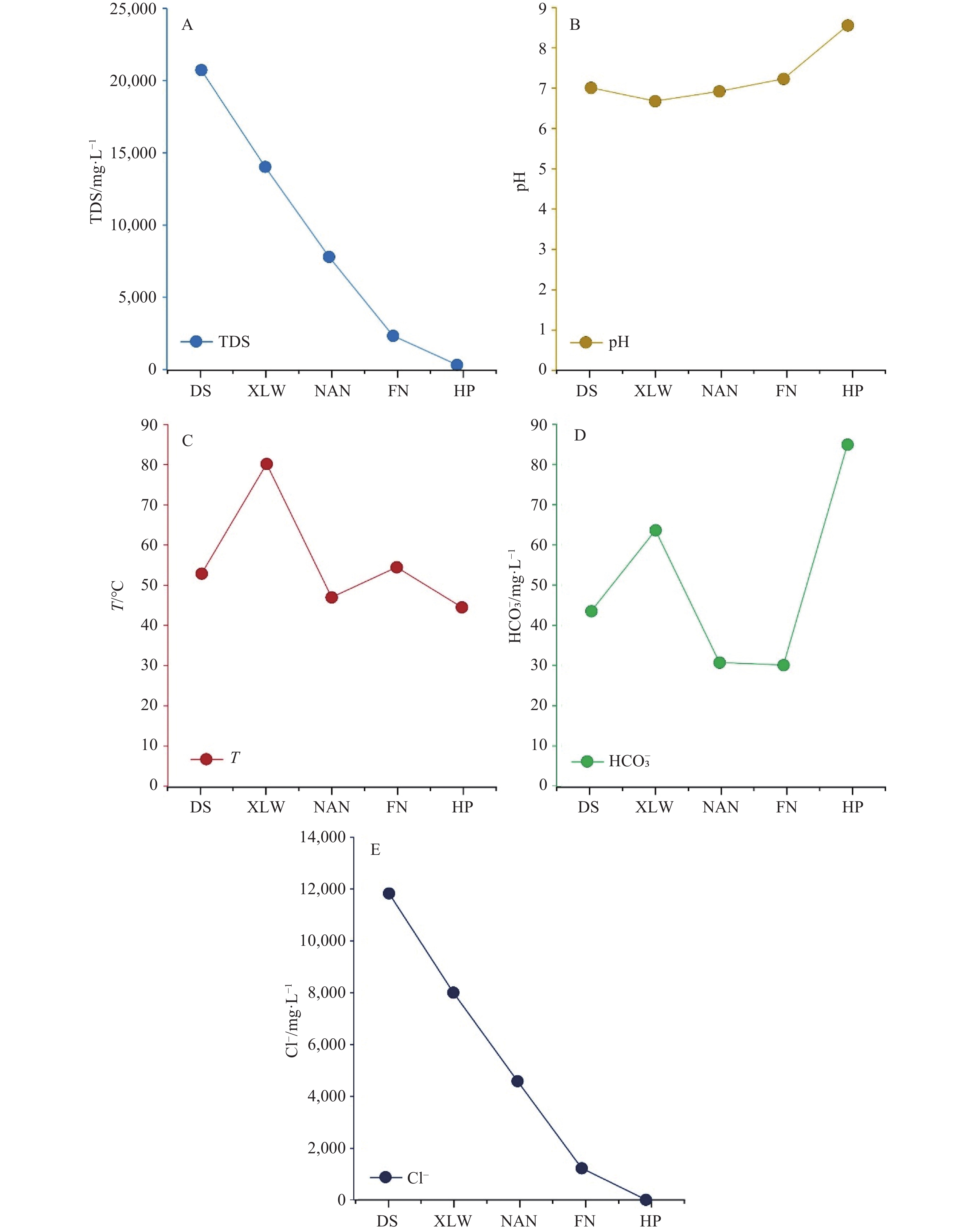
Figure 10. Variations in TDS(A), pH(B), T(°C)(C), HCO3−(D), and Cl− concentrations(E) in geothermal waters from the Xiamen study area
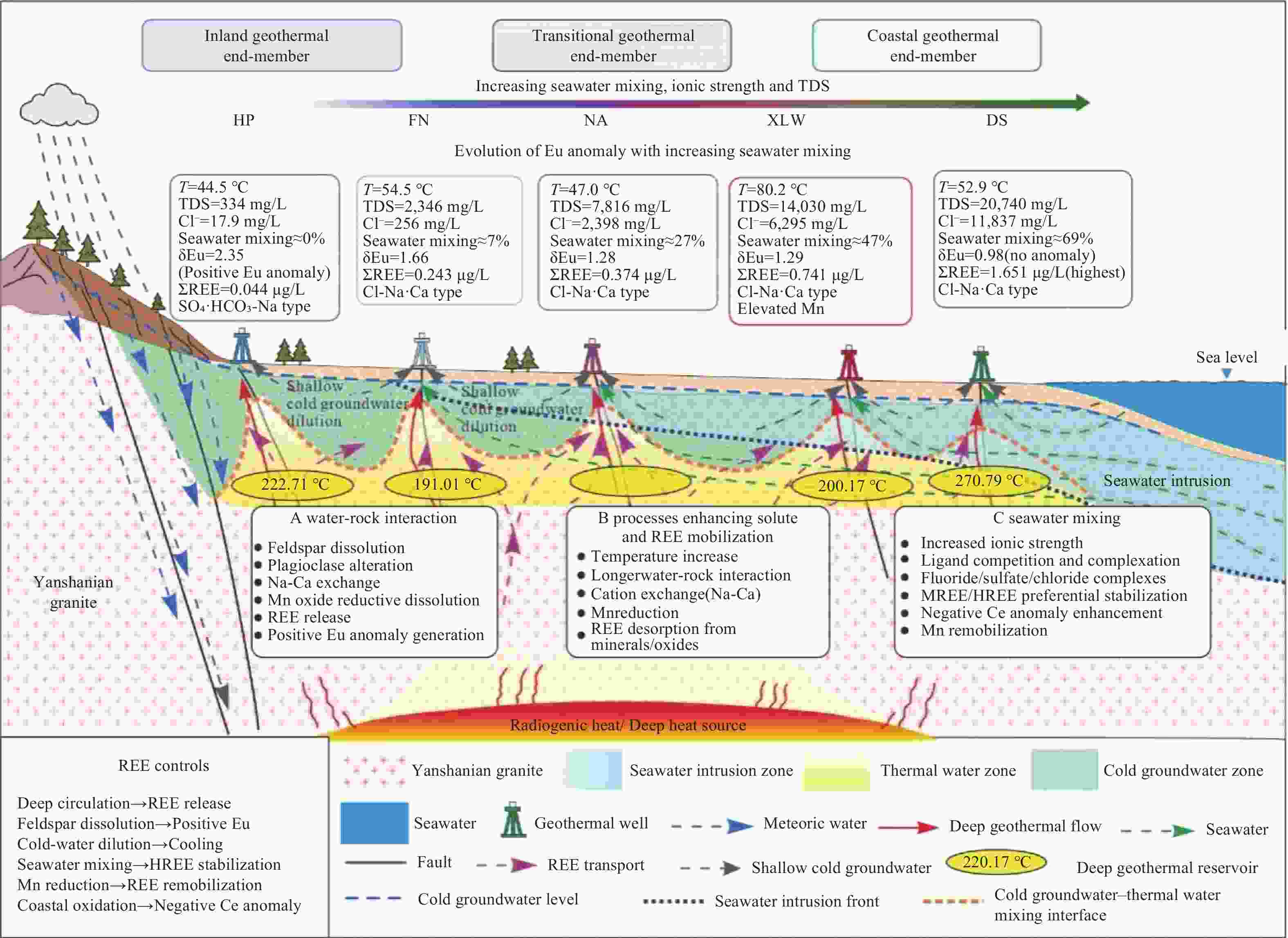
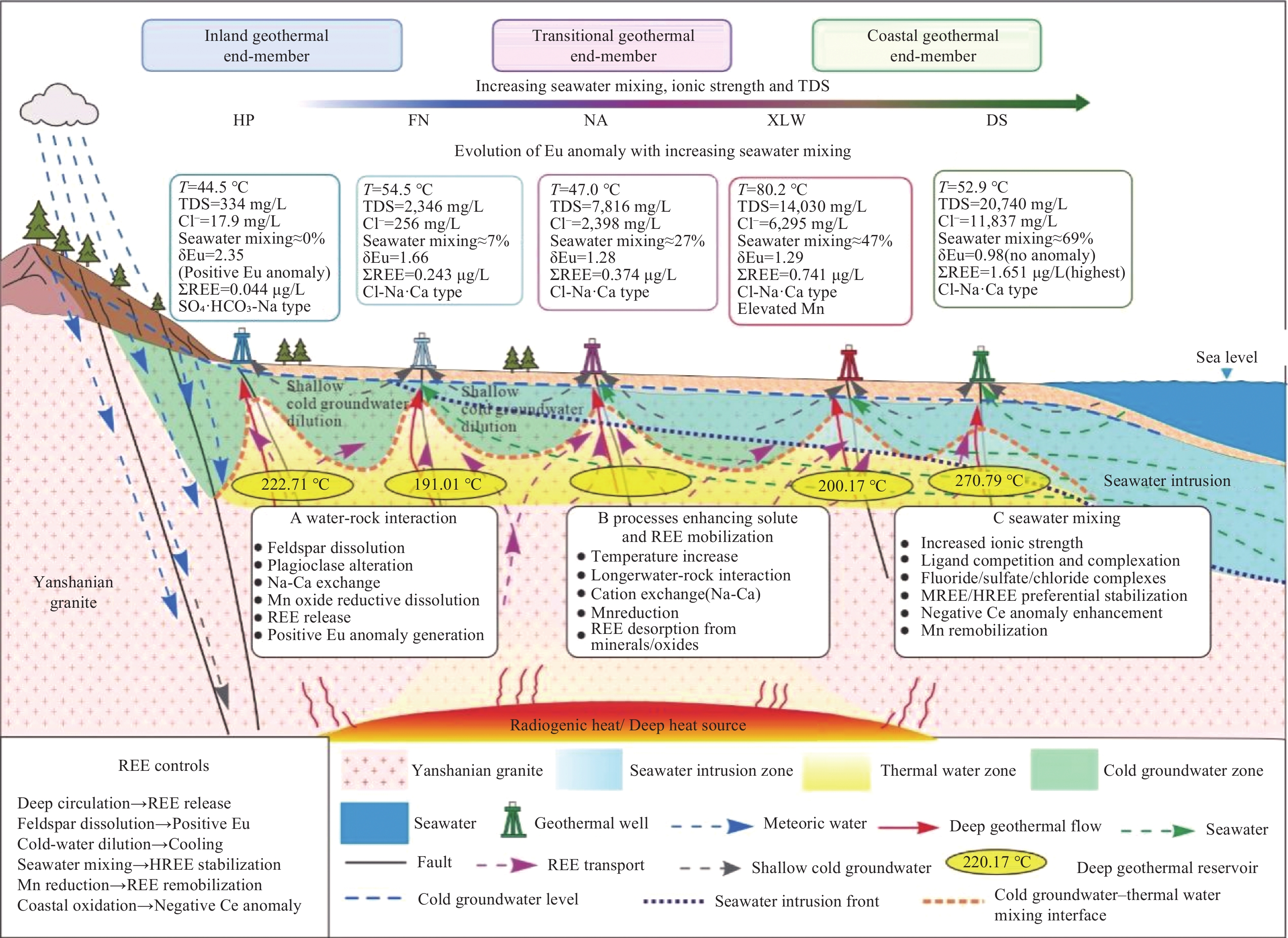
Figure 11. Conceptual hydrogeochemical model illustrating geothermal fluid evolution, seawater mixing, hydrogeological interfaces, and rare earth element controlling mechanisms in the Xiamen coastal geothermal system.
Table 1. The hydrochemical characteristics of geothermal waters in Xiamen (except for Mn, in μg/L; all other ions and TDS in mg/L). XLW, Xinglinwan; NA, Neian; FN, Fengnan; DS, Dongshan; HP, Houpu. CBE, charge balance error.
Sampling ID XLW NA FN DS HP T (°C) 80.20 47.00 54.50 52.90 44.50 pH 6.68 6.92 7.23 7.01 8.56 Na+ 3,602.00 1,758.00 628.00 5,106.00 104.00 K+ 97.10 61.60 13.40 211.00 1.63 Ca2+ 1,405.00 1,017.00 231.00 2,878.00 5.64 Mg2+ 133.00 2.90 0.21 51.00 0.05 HCO3− 64.00 31.10 30.50 43.90 85.30 CO32− 5.00 5.00 5.00 5.00 6.00 Cl− 8,005.00 4,593.00 1,228.00 1,1837.00 17.90 SO42− 518.00 239.00 130.00 365.00 92.40 NO3− 0.06 0.06 0.06 0.06 0.06 F− 2.65 2.55 3.90 2.48 11.50 Br− 27.20 15.20 4.25 43.50 0.05 Mn 2,169.00 315.00 3.09 1763.00 2.17 SiO2 100.00 83.08 62.38 90.00 58.62 TDS 14,030.00 7,816.00 2,346.00 2,0740.00 334.00 Water type Cl-Na·Ca Cl-Na·Ca Cl-Na·Ca Cl-Na·Ca SO4·HCO3-Na CBE(%) 0.58 −2.30 1.35 4.67 2.28  下载: 导出CSV
Table 2. The results of REEs of geothermal waters in Xiamen /μg/L
Sampling ID XLW NA FN DS HP La 0.196 0.005 0.010 0.593 0.017 Ce 0.197 0.002 0.023 0.289 0.031 Pr 0.015 <0.002 0.003 0.095 0.003 Nd 0.065 0.013 0.005 0.395 0.014 Sm 0.014 0.002 <0.002 0.053 0.002 Eu 0.004 <0.002 <0.002 0.013 <0.002 Gd 0.015 0.002 <0.002 0.070 0.002 Tb 0.003 <0.002 <0.002 0.010 <0.002 Dy 0.009 <0.002 0.005 0.039 0.003 Ho 0.005 0.003 <0.002 0.007 <0.002 Er 0.009 <0.002 0.002 0.024 0.002 Tm 0.002 <0.002 <0.002 0.005 <0.002 Yb 0.013 0.008 0.002 0.041 <0.002 Lu 0.005 0.003 <0.002 0.017 <0.002 ∑REE 0.552 0.044 0.057 1.651 0.080 Y 0.366 0.229 0.067 0.642 0.010 δCe 0.725 0.206 0.961 0.276 0.993 δEu 1.290 2.345 4.691 0.980 2.345
下载: 导出CSV
-
Appelo C A J, Postma D. 2005. Geochemistry, groundwater and pollution. 2nd ed. Rotterdam: Balkema. DOI: 10.1201/9781439833544. Banks D, Hall G, Reimann C, et al. 1999. Distribution of rare earth elements in crystalline bedrock groundwaters: Oslo and Bergen regions, Norway. Applied Geochemistry, 14: 27−39. DOI: 10.1016/S0883-2927(98)00037-7. Bau M. 1991. Rare-earth element mobility during hydrothermal and metamorphic fluid-rock interaction and the significance of the oxidation state of europium. Chemical Geology, 93: 219−230. DOI: 10.1016/0009-2541(91)90115-8. Bau M. 1999. Scavenging of dissolved yttrium and rare earths by precipitating iron oxyhydroxide: experimental evidence for Ce oxidation, Y-Ho fractionation, and lanthanide tetrad effect. Geochimica et Cosmochimica Acta, 63: 67−77. DOI: 10.1016/S0016-7037(99)00014-9. Bau M, Dulski P. 1999. Comparing yttrium and rare earths in hydrothermal fluids from the Mid-Atlantic Ridge: Implications for Y and REE behavior during near-vent mixing and for the Y/Ho ratio of Proterozoic seawater. Chemical Geology, 155: 77−90. DOI: 10.1016/S0009-2541(98)00142-9. Bau M, Koschinsky A. 2009. Oxidative scavenging of cerium on hydrous Fe oxide: Evidence from the distribution of rare earth elements and yttrium between Fe oxides and Mn oxides in hydrogenetic ferromanganese crusts. Geochemical Journal, 43(1): 37−47. DOI: 10.2343/geochemj.1.0005. Biddau R, Cidu R, Frau F. 2002. Rare earth elements in waters from the albitite-bearing granodiorites of Central Sardinia, Italy. Chemical Geology, 182: 1−14. DOI: 10.1016/S0009-2541(01)00272-8. Bragin IV, Kharitonova NA, Chelnokov GA, et al. 2018. REY geochemistry in groundwater from Paratunka geothermal area (Kamchatka peninsula, Far East of Russia). Environmental Earth Sciences, 77: 376. DOI: 10.1007/s12665-018-7571-7. Braun JJ, Pagel M, Muller JP, et al. 1990. Cerium anomalies in lateritic profiles. Geochimica et Cosmochimica Acta, 54: 781−795. DOI: 10.1016/0016-7037(90)90373-S. Brioschi L, Steinmann M, Lucot E, et al. 2013. Transfer of rare earth elements (REE) from natural soil to plant systems: implications for the environmental availability of anthropogenic REE. Plant and Soil, 366: 143−163. DOI: 10.1007/s11104-012-1407-0. Chelnokov G, Kalitina E, Bragin I, et al. 2014. Hydrochemistry and genesis of thermal waters of the Goryachii Klyuch spring in Primorskii Krai (Far East of Russia). Russian Journal of Pacific Geology, 8: 475−488. DOI: 10.1134/S1819714014060037. Craddock PR, Bach W, Seewald JS, et al. 2010. Rare earth element abundances in hydrothermal fluids from the Manus Basin, Papua New Guinea: Indicators of sub-seafloor hydrothermal processes in back-arc basins. Geochimica et Cosmochimica Acta, 74: 5494−5513. DOI: 10.1016/j.gca.2010.07.003. Davis S N, Cecil L D, Zreda M, et al. 2001. Chlorine-36, bromide, and the origin of spring water. Chemical Geology, 179(1-4): 3−16. DOI: 10.1016/S0009-2541(01)00312-6. Davranche M, Pourret O, Gruau G, et al. 2005. Adsorption of REE(III)-humate complexes onto MnO2: Experimental evidence for cerium anomaly and lanthanide tetrad effect suppression. Geochimica et Cosmochimica Acta, 69(20): 4825−4835. DOI: 10.1016/j.gca.2005.06.005. Deluca F, Mongelli G, Paternoster M, et al. 2020. Rare earth elements distribution and geochemical behaviour in the volcanic groundwaters of Mount Vulture, southern Italy. Chemical Geology, 539: 119503. DOI: 10.1016/j.chemgeo.2020.119503. Dupré B, Gaillardet J, Rousseau D, et al. 1996. Major and trace elements of river-borne material: The Congo Basin. Geochimica et Cosmochimica Acta, 60: 1301−1321. DOI: 10.1016/0016-7037(96)00043-9. Elderfield H, Upstill-Goddard R, Sholkovitz E. 1990. The rare earth elements in rivers, estuaries, and coastal seas and their significance to the composition of ocean waters. Geochimica et Cosmochimica Acta, 54: 971−991. DOI: 10.1016/0016-7037(90)90432-K. Fournier R O, Truesdell A H. 1974. Geochemical indicators of subsurface temperature: Part 2, estimation of temperature and fraction of hot water mixed with cold water. Journal of Research of the U. S. Geological Survey, 2(3): 263−270. DOI: 10.3133/ofr741032. Gan HN, Lin WJ, Yue GF, et al. 2017. Research on the fault-controlling mechanism of geothermal water in Zhangzhou Basin. Journal of Groundwater Science and Engineering, 5: 19−28. DOI: 10.26599/JGSE.2017.9280032. Ge L, Tan HB, Xue F. 2026. Geochemical behavior of rare earth elements in high-arsenic hot springs in southern Tibet (China): New findings on arsenic enrichment. Geothermics, 134: 103516. DOI: 10.1016/j.geothermics.2025.103516. Giggenbach W F. 1988. Geothermal solute equilibria: Derivation of Na-K-Mg-Ca geoindicators. Geochimica et Cosmochimica Acta, 52(12): 2749−2765. DOI: 10.1016/0016-7037(88)90143-3. Gilder SA, Gill J, Coe RS, et al. 1996. Isotopic and paleomagnetic constraints on the Mesozoic tectonic evolution of south China. Journal of Geophysical Research: Solid Earth, 101: 16137−16154. DOI: 10.1029/96JB00662. Göb S, Loges A, Nolde N, et al. 2013. Major and trace element compositions (including REE) of mineral, thermal, mine and surface waters in SW Germany and implications for water–rock interaction. Applied Geochemistry, 33: 127−152. DOI: 10.1016/j.apgeochem.2013.02.006. Gruau G, Dia A, Olivié-Lauquet G, et al. 2004. Controls on the distribution of rare earth elements in shallow groundwaters. Water Research, 38: 3576−3586. DOI: 10.1016/j.watres.2004.04.056. Guo HM, Zhang B, Wang GC, et al. 2010. Geochemical controls on arsenic and rare earth elements approximately along a groundwater flow path in the shallow aquifer of the Hetao Basin, Inner Mongolia. Chemical Geology, 270: 117−125. DOI: 10.1016/j.chemgeo.2009.11.010. Guo HM, Liu HY, Pourret O, et al. 2025. Hydrogeochemical and health implications of rare earth elements in groundwater: A review. Journal of Hydrology, 652: 132704. DOI: 10.1016/j.jhydrol.2025.132704. Haas JR, Shock EL, Sassani DC. 1995. Rare earth elements in hydrothermal systems: estimates of standard partial molal thermodynamic properties of aqueous complexes of the rare earth elements at high pressures and temperatures. Geochimica et Cosmochimica Acta, 59: 4329−4350. DOI: 10.1016/0016-7037(95)00314-P. Han GL, Yang KH, Zeng J. 2021. Distribution and fractionation of rare earth elements in suspended sediment of the Zhujiang River, Southwest China. Journal of Soils and Sediments, 21: 2981−2993. DOI: 10.1007/s11368-021-03008-8. Hatipoğlu Temizel E, Gültekin F, Fırat Ersoy A. 2020. Major, trace, and rare earth element geochemistry of the Ayder and İkizdere (Rize, NE Turkey) geothermal waters: Constraints for water–rock interactions. Geothermics, 86: 101810. DOI: 10.1016/j.geothermics.2020.101810. Johannesson KH, Lyons WB, Stetzenbach KJ, et al. 1995. The solubility control of rare earth elements in natural terrestrial waters and the significance of PO43− and CO32− in limiting dissolved rare earth concentrations: A review of recent information. Aquatic Geochemistry, 1: 157−173. DOI: 10.1007/BF00702889. Kaczor-Kurzawa D, Wysocka I, Porowski A, et al. 2022. The occurrence and distribution of rare earth elements in mineral and thermal waters in the Polish Lowlands. Journal of Geochemical Exploration, 237: 106984. DOI: 10.1016/j.gexplo.2022.106984. Kassem MA, Moscariello A. 2025. Geothermal energy: A sustainable and cost-effective alternative for clean energy production and climate change mitigation. Sustainable Futures, 10: 101247. DOI: 10.1016/j.sftr.2025.101247. Laveuf C, Cornu S. 2009. A review on the potentiality of rare earth elements to trace pedogenetic processes. Geoderma, 154: 1−12. DOI: 10.1016/j.geoderma.2009.10.002. Lee JH, Byrne RH. 1992. Examination of comparative rare earth element complexation behavior using linear free-energy relationships. Geochimica et Cosmochimica Acta, 56: 1127−1137. DOI: 10.1016/0016-7037(92)90050-S. Lee SG, Lee DH, Kim Y, et al. 2003. Rare earth elements as indicators of groundwater environment changes in a fractured rock system: evidence from fracture-filling calcite. Applied Geochemistry, 18: 135−143. DOI: 10.1016/S0883-2927(02)00071-9. Lewis AJ, Komninou A, Yardley BWD, et al. 1998. Rare earth element speciation in geothermal fluids from Yellowstone National Park, Wyoming, USA. Geochimica et Cosmochimica Acta, 62: 657−663. DOI: 10.1016/S0016-7037(97)00367-0. Leybourne MI, Johannesson KH. 2008. Rare earth elements (REE) and yttrium in stream waters, stream sediments, and Fe–Mn oxyhydroxides: fractionation, speciation, and controls over REE and Y patterns in the surface environment. Geochimica et Cosmochimica Acta, 72: 5962−5983. DOI: 10.1016/j.gca.2008.09.022. Li B, Kong QM, Wang GC, et al. 2022. Controls on the behaviors of rare earth elements in acidic and alkaline thermal springs. Applied Geochemistry, 143: 105379. DOI: 10.1016/j.apgeochem.2022.105379. Li J, Liu CL, Cao SW, et al. 2025. Multi-isotope characteristics and residence time of saline geothermal waters in the coastal area of Xiamen bay, southeast China. Journal of Hydrology: Regional Studies, 59: 102363. DOI: 10.1016/j.ejrh.2025.102363. Ling HF, Shen WZ, Sun T, et al. 2006. Genesis and source characteristics of 22 Yanshanian granites in Guangdong province: Study of element and Nd-Sr isotopes. Acta Petrologica Sinica, 22: 2687−2703. DOI: 10.3321/j.issn:1000-0569.2006.11.007. Lin WJ, Chen XY, Gan HN, et al. 2020. Geothermal, geological characteristics and exploration of hot dry rock in the Xiamen bay–Zhangzhou Basin, southeast China. Acta Geologica Sinica, 94: 2066−2077. DOI: 10.19762/j.cnki.dizhixuebao.2020223. Liu CL, Li YS, Cao SW, et al. 2022a. Effects of seawater recharge on the formation of geothermal resources in coastal areas and their mechanisms: A case study of Xiamen City, Fujian Province, China. Frontiers in Earth Science, 10: 872620. DOI: 10.3389/feart.2022.872620. Liu CL, Lu CM, Li YS, et al. 2022b. Genetic model and exploration target area of geothermal resources in Hongtang Area, Xiamen, China. Journal of Groundwater Science and Engineering, 10(2): 128−137. DOI: 10.19637/j.cnki.2305-7068.2022.02.003. Liu CL, Zhang YJ, Li YS, et al. 2025. Distribution characteristics and genesis of seawater-replenished geothermal systems on the western coast of the Taiwan Strait. Geothermics, 131: 103368. DOI: 10.1016/j.geothermics.2025.103368. Liu HY, Guo HM, Xing LN, et al. 2016. Geochemical behaviors of rare earth elements in groundwater along a flow path in the North China Plain. Journal of Asian Earth Sciences, 117: 33−51. DOI: 10.1016/j.jseaes.2015.11.007. Liu HY, Guo HM, Pourret O, et al. 2019. Role of manganese oxyhydroxides in the transport of rare earth elements along a groundwater flow path. International Journal of Environmental Research and Public Health, 16(13): 2263. DOI: 10.3390/ijerph16132263. Liu HY, Pourret O, Guo HM, et al. 2018. Impact of hydrous manganese and ferric oxides on the behavior of aqueous rare earth elements (REE): Evidence from a modeling approach and implication for the sink of REE. International Journal of Environmental Research and Public Health, 15(12): 2837. DOI: 10.3390/ijerph15122837. Loschetter A, Kervévan C, Stead R, et al. 2025. Integrating geothermal energy and carbon capture and storage technologies: A review. Renewable and Sustainable Energy Reviews, 210: 115179. DOI: 10.1016/j.rser.2024.115179. Luo YR, Byrne RH. 2001. Yttrium and rare earth element complexation by chloride ions at 25°C. Journal of Solution Chemistry, 30: 837−845. DOI: 10.1023/A:1012292417793. Mao HR, Wang GC, Rao Z, et al. 2021. Deciphering spatial pattern of groundwater chemistry and nitrogen pollution in Poyang Lake Basin (eastern China) using self-organizing map and multivariate statistics. Journal of Cleaner Production, 329: 129697. DOI: 10.1016/j.jclepro.2021.129697. McLennan S. 1989. Rare earth elements in sedimentary rocks: Influence of provenance and sedimentary processes. In: Lipin, B. R. and McKay, G. A., Eds., Geochemistry and Mineralogy of Rare Earth Elements, De Gruyter, Berlin, 169−200. DOI: 10.1515/9781501509032-010. Migdisov AA, Williams-Jones A, Wagner T. 2009. An experimental study of the solubility and speciation of the Rare Earth Elements (III) in fluoride- and chloride-bearing aqueous solutions at temperatures up to 300°C. Geochimica et Cosmochimica Acta, 73: 7087−7109. DOI: 10.1016/j.gca.2009.08.023. Millero FJ. 1992. Stability constants for the formation of rare earth-inorganic complexes as a function of ionic strength. Geochimica et Cosmochimica Acta, 56: 3123−3132. DOI: 10.1016/0016-7037(92)90293-R. Noack CW, Dzombak DA, Karamalidis AK. 2014. Rare earth element distributions and trends in natural waters with a focus on groundwater. Environmental Science & Technology, 48: 4317−4326. DOI: 10.1021/es4053895. Ohta A, Kawabe I. 2001. REE(III) adsorption onto Mn dioxide (δ-MnO2) and Fe oxyhydroxide: Ce(III) oxidation by δ-MnO2. Geochimica et Cosmochimica Acta, 65(5): 695−703. DOI: 10.1016/S0016-7037(00)00578-0. Pourret O, Davranche M. 2013. Rare earth element sorption onto hydrous manganese oxide: A modeling study. Journal of Colloid and Interface Science, 395: 18−23. DOI: 10.1016/j.jcis.2012.11.054. Pourret O, Davranche M, Gruau G, et al. 2007. Rare earth elements complexation with humic acid. Chemical Geology, 243(1-2): 128−141. DOI: 10.1016/j.chemgeo.2007.05.018. Pourret O, Gruau G, Dia A, et al. 2010. Colloidal control on the distribution of rare earth elements in shallow groundwaters. Aquatic Geochemistry, 16(1): 31−59. DOI: 10.1007/s10498-009-9069-0. Sanada T, Takamatsu N, Yoshiike Y. 2006. Geochemical interpretation of long-term variations in rare earth element concentrations in acidic hot spring waters from the Tamagawa geothermal area, Japan. Geothermics, 35: 141−155. DOI: 10.1016/j.geothermics.2006.02.004. Santos-Raga G, Santoyo E, Guevara M, et al. 2021. Tracking geochemical signatures of rare earth and trace elements in spring waters and outcropping rocks from the hidden geothermal system of Acoculco, Puebla (Mexico). Journal of Geochemical Exploration, 227: 106798. DOI: 10.1016/j.gexplo.2021.106798. Schijf J, Byrne RH. 2004. Determination of SO4β1 for yttrium and the rare earth elements at I = 0.66 m and t = 25°C—implications for YREE solution speciation in sulfate-rich waters. Geochimica et Cosmochimica Acta, 68: 2825−2837. DOI: 10.1016/j.gca.2003.12.003. Shakeri A, Ghoreyshinia S, Mehrabi B, et al. 2015. Rare earth elements geochemistry in springs from Taftan geothermal area SE Iran. Journal of Volcanology and Geothermal Research, 304: 49−61. DOI: 10.1016/j.jvolgeores.2015.07.023. Shoedarto RM, Tada Y, Kashiwaya K, et al. 2022. Advanced characterization of hydrothermal flows within recharge and discharge areas using rare earth elements, proved through a case study of two-phase reservoir geothermal field, in Southern Bandung, West Java, Indonesia. Geothermics, 105: 102507. DOI: 10.1016/j.geothermics.2022.102507. Sholkovitz ER. 1992. Chemical evolution of rare earth elements: fractionation between colloidal and solution phases of filtered river water. Earth and Planetary Science Letters, 114: 77−84. DOI: 10.1016/0012-821X(92)90152-L. Tong R. 2024. Development of An On-line Separation and Preconcentration ICP-MS Method for UltraTrace Rare Earth Elements Determination in Seawater and Hot Springs. Doctoral dissertation, China University of Geosciences (Wuhan), Wuhan, China. Tonkin JW, Balistrieri LS, Murray JW. 2004. Modeling sorption of divalent metal cations on hydrous manganese oxide using the diffuse double layer model. Applied Geochemistry, 19: 29−53. DOI: 10.1016/S0883-2927(03)00115-X. Wang MM, Zhou X, Liu Y, et al. 2020. Major, trace and rare earth elements geochemistry of geothermal waters from the Rehai high-temperature geothermal field in Tengchong of China. Applied Geochemistry, 119: 104639. DOI: 10.1016/j.apgeochem.2020.104639. Wei SC, Liu F, Zhang W, et al. 2022. Geochemical Characteristics of Rare Earth Elements in the Chaluo Hot Springs in Western Sichuan Province, China. Frontiers in Earth Science, 10: 865322. DOI: 10.3389/feart.2022.865322. Wei SC, Yan XX, Yuan RX, et al. 2025. Lithium enrichment mechanisms in geothermal waters of Xiamen, southeastern China, revealed by SOM classification and hydrogeochemical analysis. Sustainability, 17: 11352. DOI: 10.3390/su172411352. Wei ZA, Shao HB, Tang L, et al. 2021. Hydrogeochemistry and geothermometry of geothermal waters from the Pearl River Delta region, South China. Geothermics, 96: 102164. DOI: 10.1016/j.geothermics.2021.102164. Wood SA. 1990. The aqueous geochemistry of the rare-earth elements and yttrium: 1. Review of available low-temperature data for inorganic complexes and the inorganic REE speciation of natural waters. Chemical Geology, 82: 159−186. DOI: 10.1016/0009-2541(90)90080-Q. Wood SA. 2006. Rare earth element systematics of acidic geothermal waters from the Taupo Volcanic Zone, New Zealand. Journal of Geochemical Exploration, 89: 424−427. DOI: 10.1016/j.gexplo.2005.11.023. Wood SA. 2002. Behavior of Rare Earth Element In Geothermal Systems; A New Exploration/Exploitation Tool. Electronic reference. Available on https://www.osti.gov/servlets/purl/792697-iVAzEf/native/ (accessed on 14 January 2025). Xue QQ. 2018. Petrographic and geochemistry of Mesozoic granitoids along the coastal area of Fujian Province. MS. Thesis. China University of Geosciences (Beijing), Beijing, China. Yuan C, Zhao L, Xu M, et al. 2026. Techno-economic assessment and sustainable pathways of medium-to-low temperature geothermal resources: A comprehensive framework for carbon neutrality. Renewable and Sustainable Energy Reviews, 228: 116536. DOI: 10.1016/j.rser.2025.116536. Yuan JF, Mao XM, Wang YX, et al. 2014. Geochemistry of rare-earth elements in shallow groundwater, northeastern Guangdong Province, China. Chinese Journal of Geochemistry, 33: 53−64. DOI: 10.1007/s11631-014-0659-1. Yuan JF, Xu F, Zheng TL. 2022. The genesis of saline geothermal groundwater in the coastal area of Guangdong Province: Insight from hydrochemical and isotopic analysis. Journal of Hydrology, 605: 127345. DOI: 10.1016/j.jhydrol.2021.127345. Zhang F, Li YM, Zhou XC, et al. 2023. Geochemical behaviors of rare earth elements in granite-hosted geothermal systems in SE China. Geothermics, 115: 102826. DOI: 10.1016/j.geothermics.2023.102826. Zhang JC, Chen L, Sun YH, et al. 2024. Geothermal resource distribution and prospects for development and utilization in China. Natural Gas Industry B, 11: 6−18. DOI: 10.1016/j.ngib.2024.01.001. Zhang J, Wang BY, Tang X, et al. 2018. Temperature structure and dynamic background of crust and mantle beneath the high heat flow area of the South China continental margin. Chinese Journal of Geophysics, 61(10): 3917−3932. DOI: 10.6038/cjg2018L0448. -

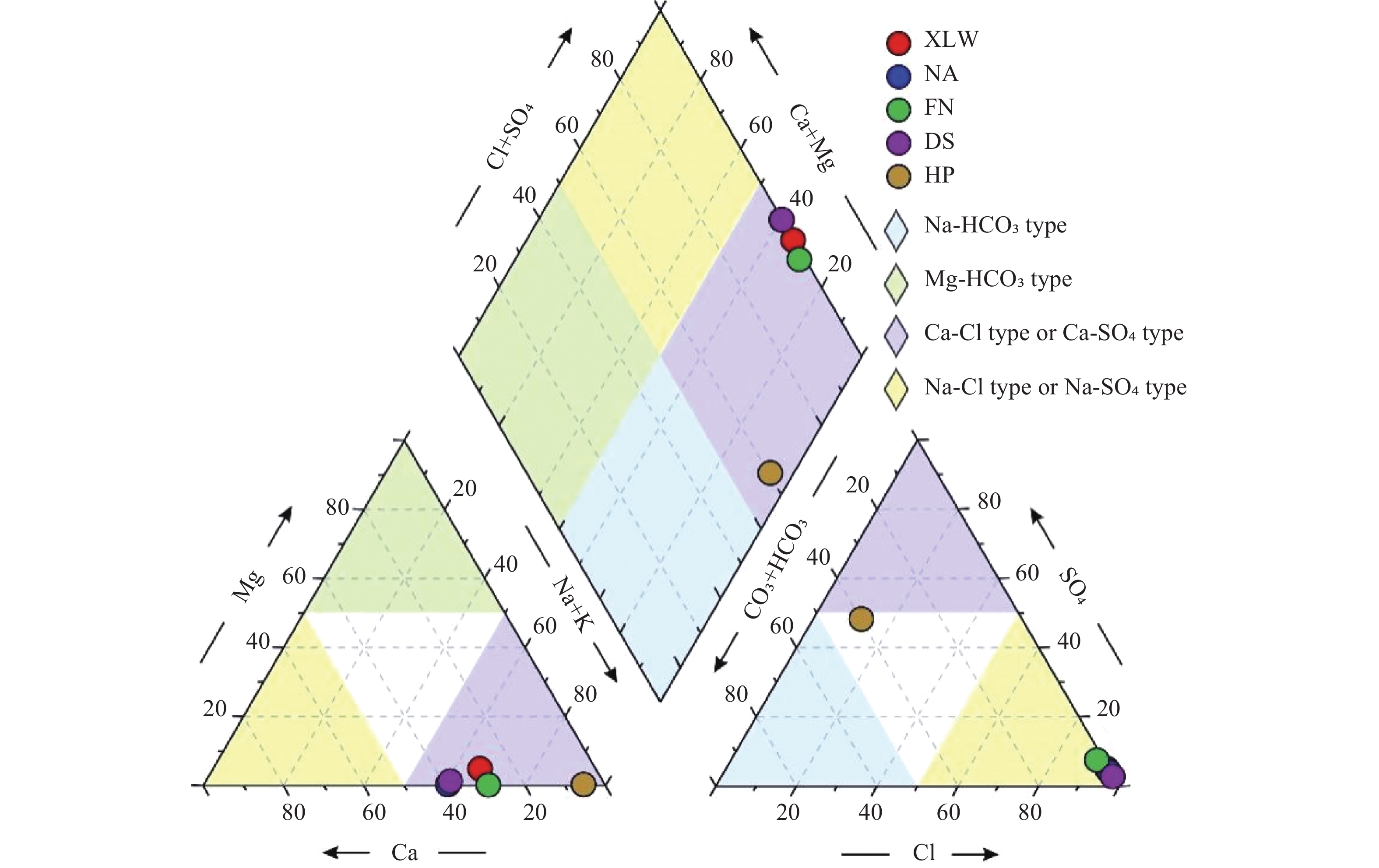
 点击查看大图
计量
- 文章访问数: 647
- HTML全文浏览量: 234
- PDF下载量: 12
- 被引次数: 0


