, Available online , doi: 10.26599/JGSE.2026.9280098
Abstract:
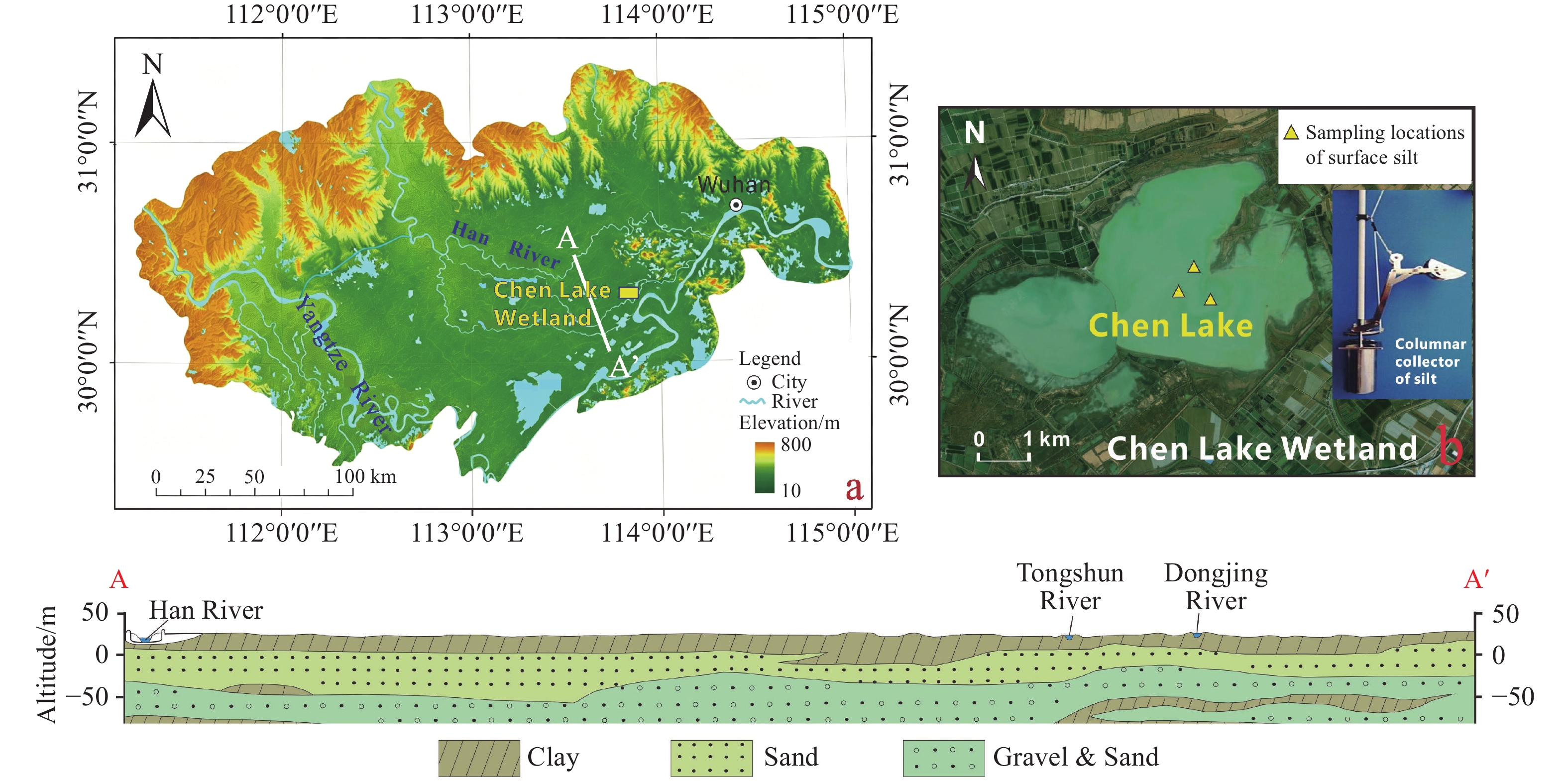
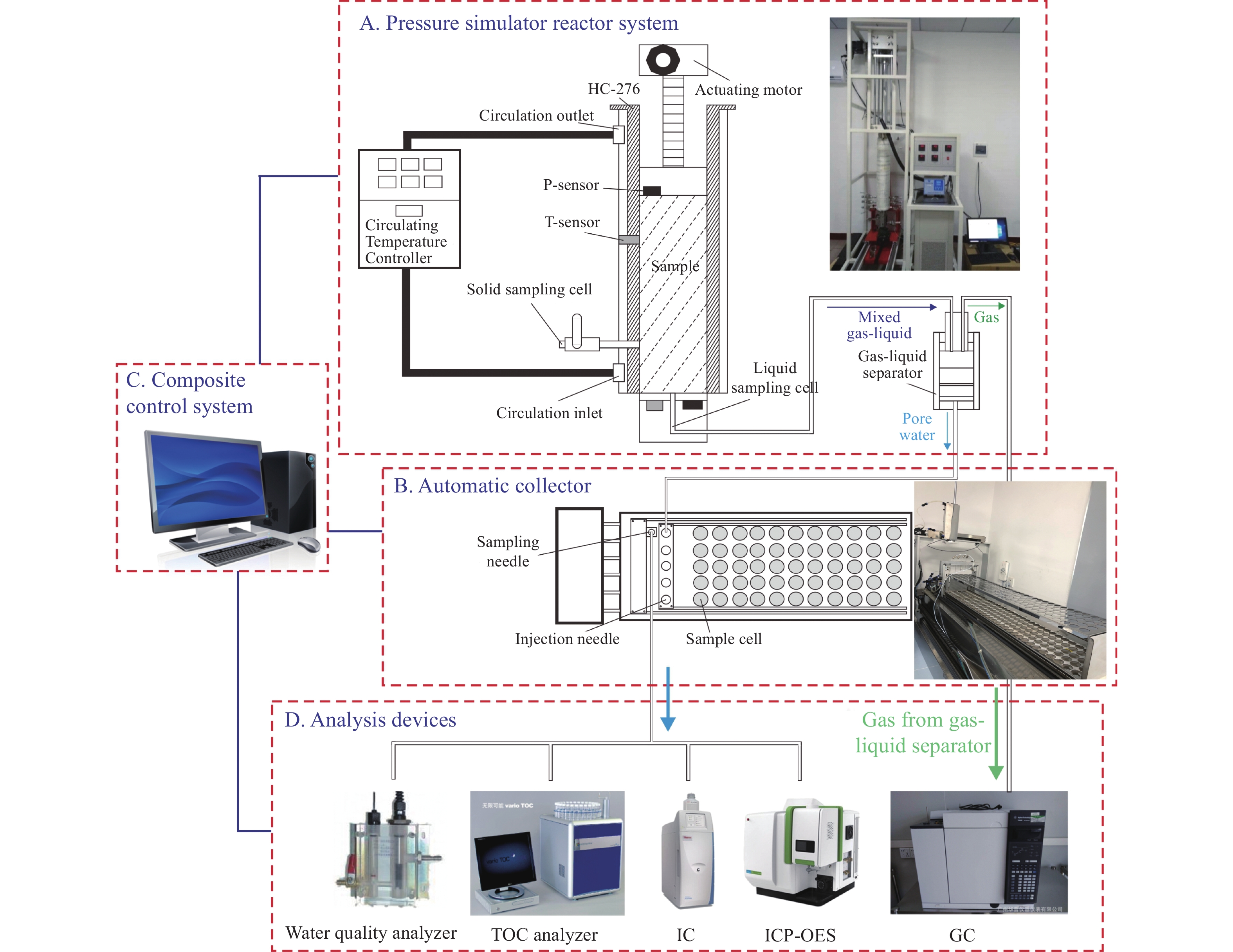
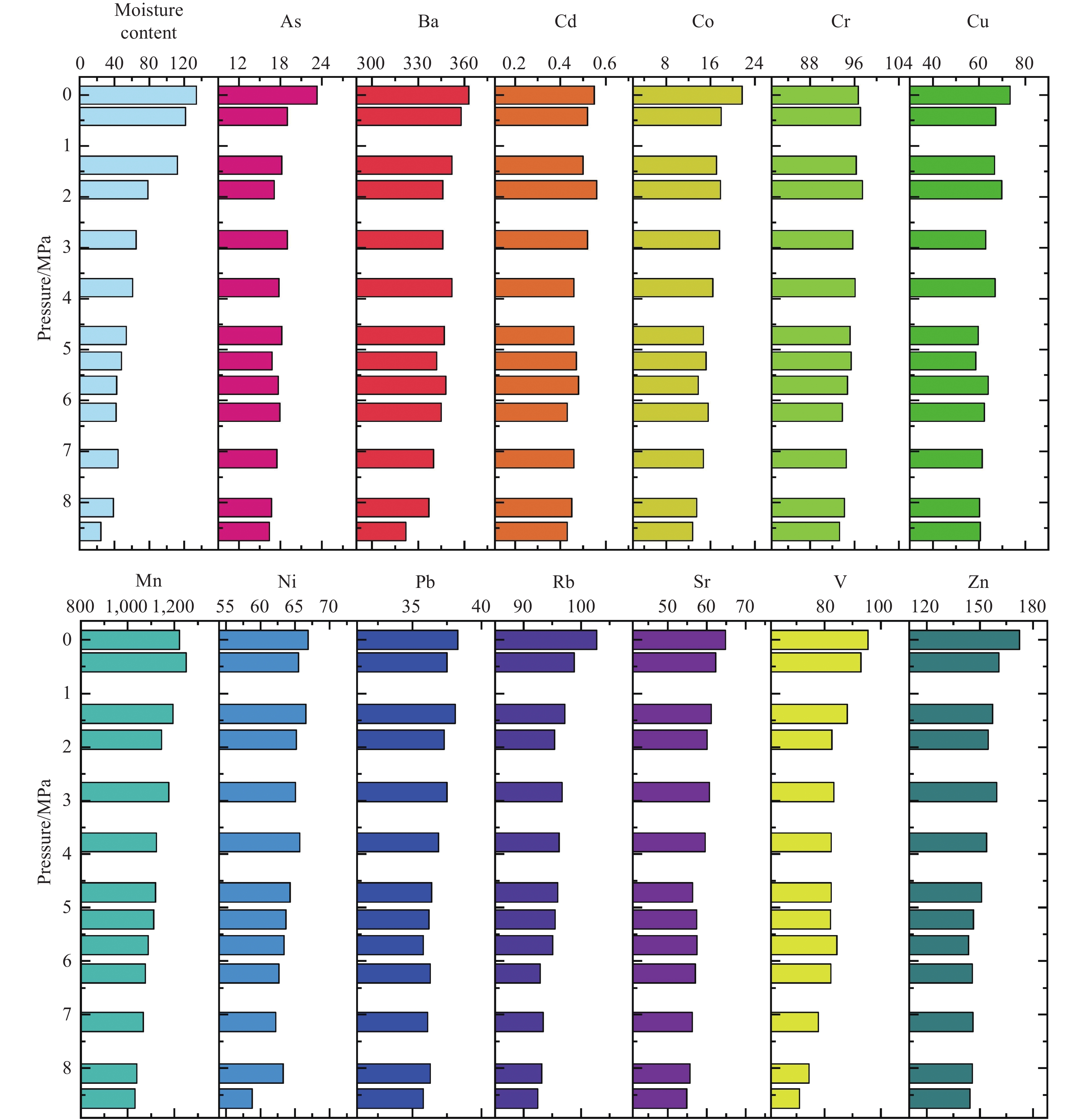
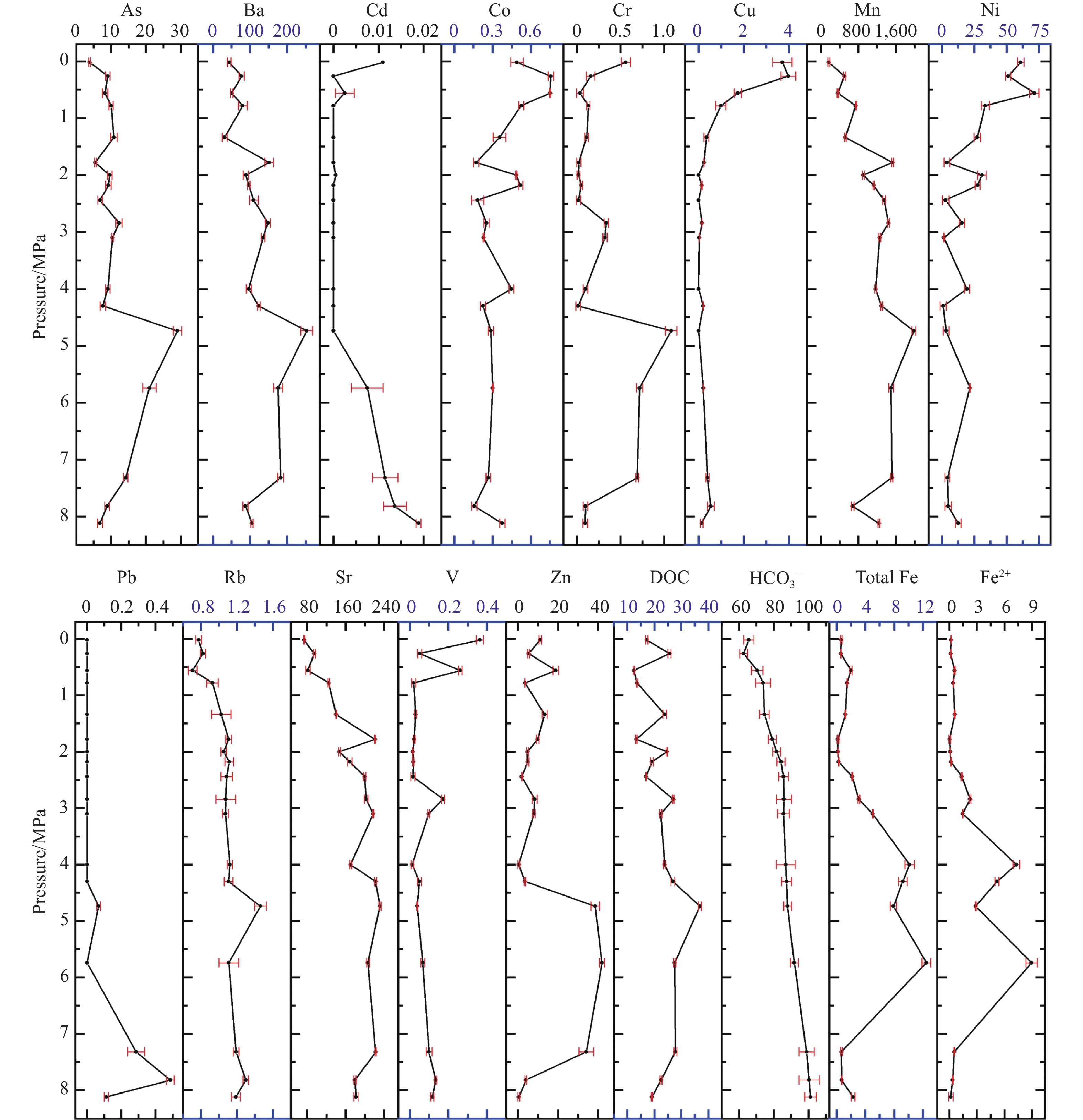
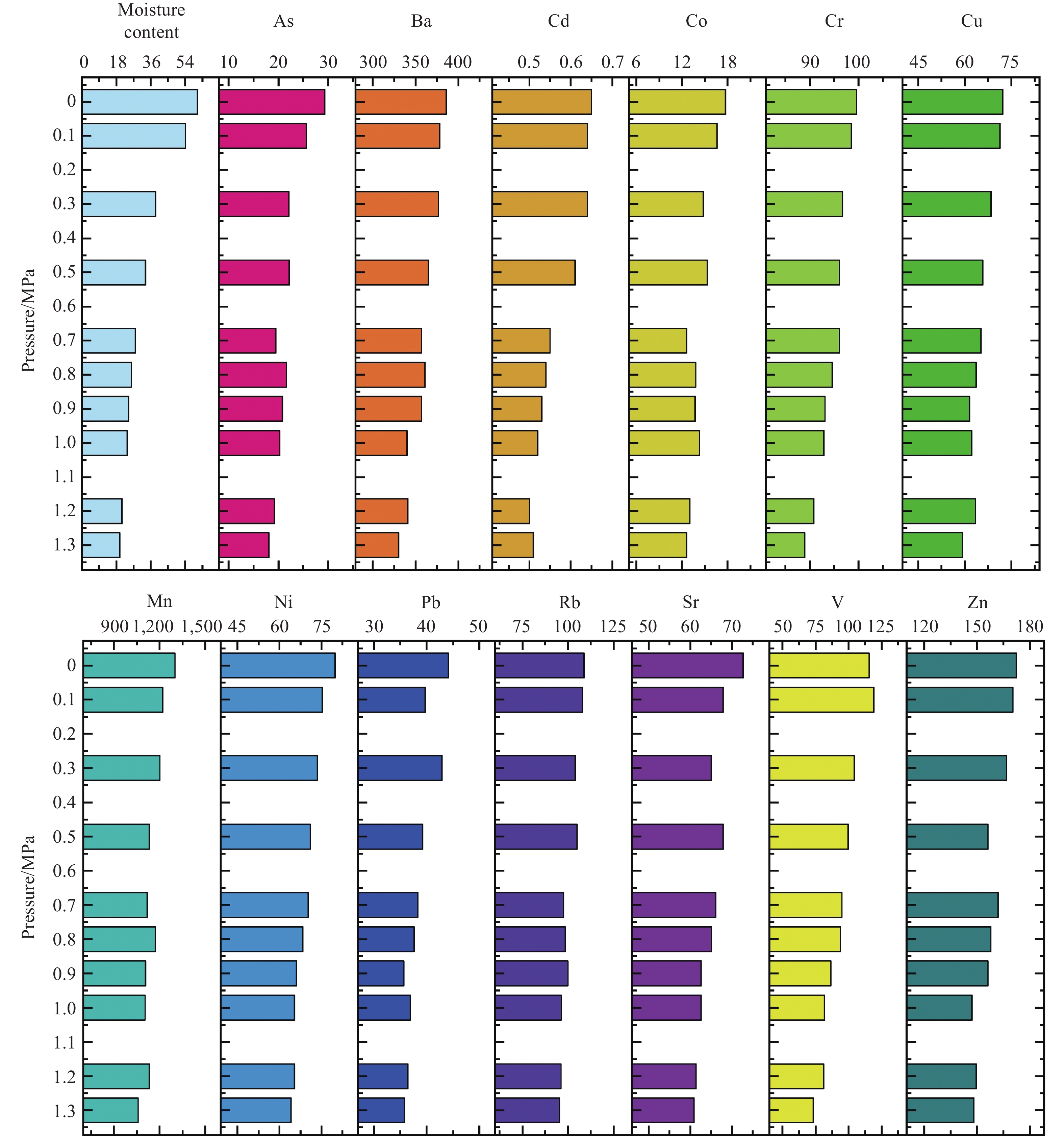
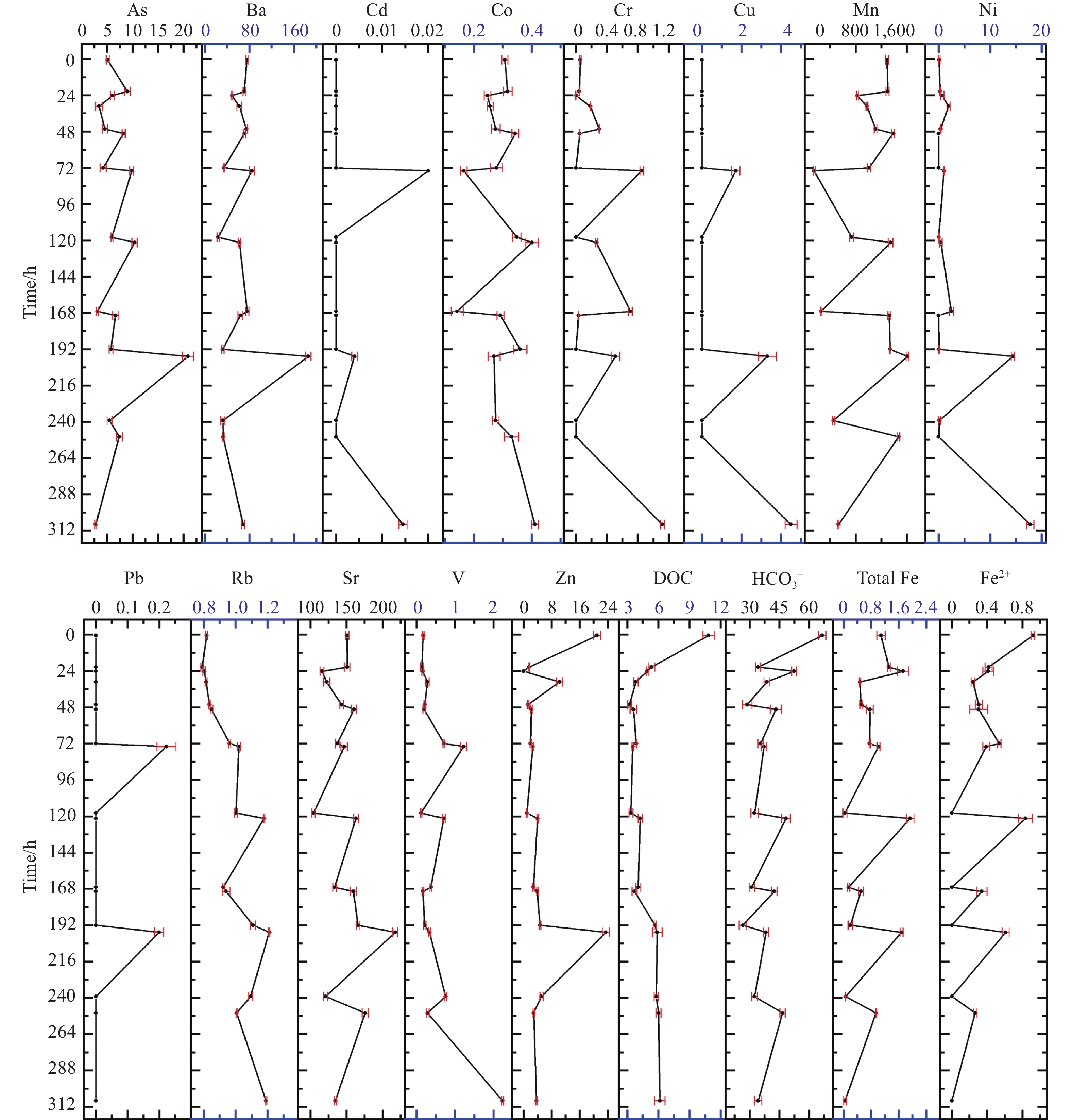
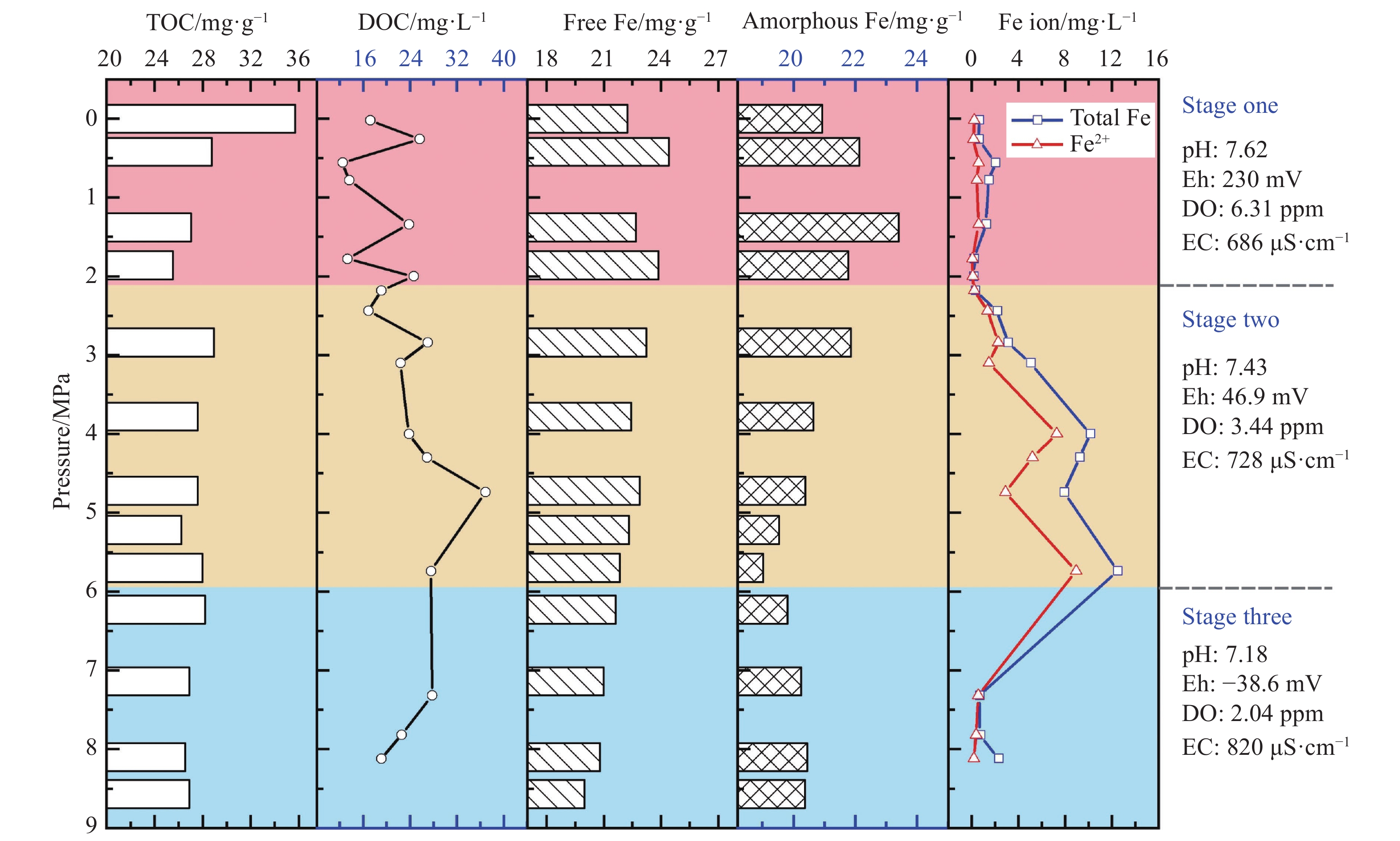
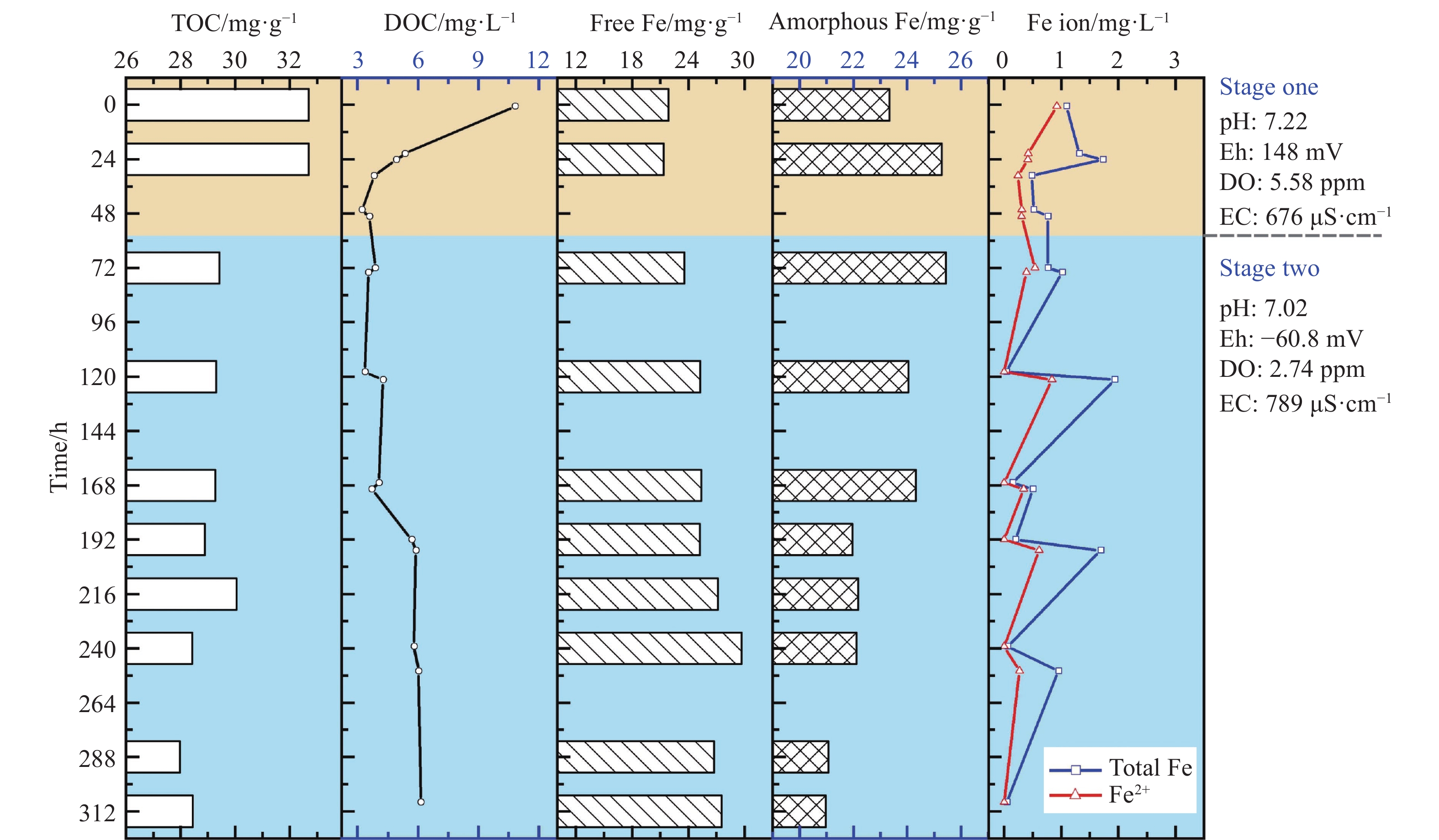
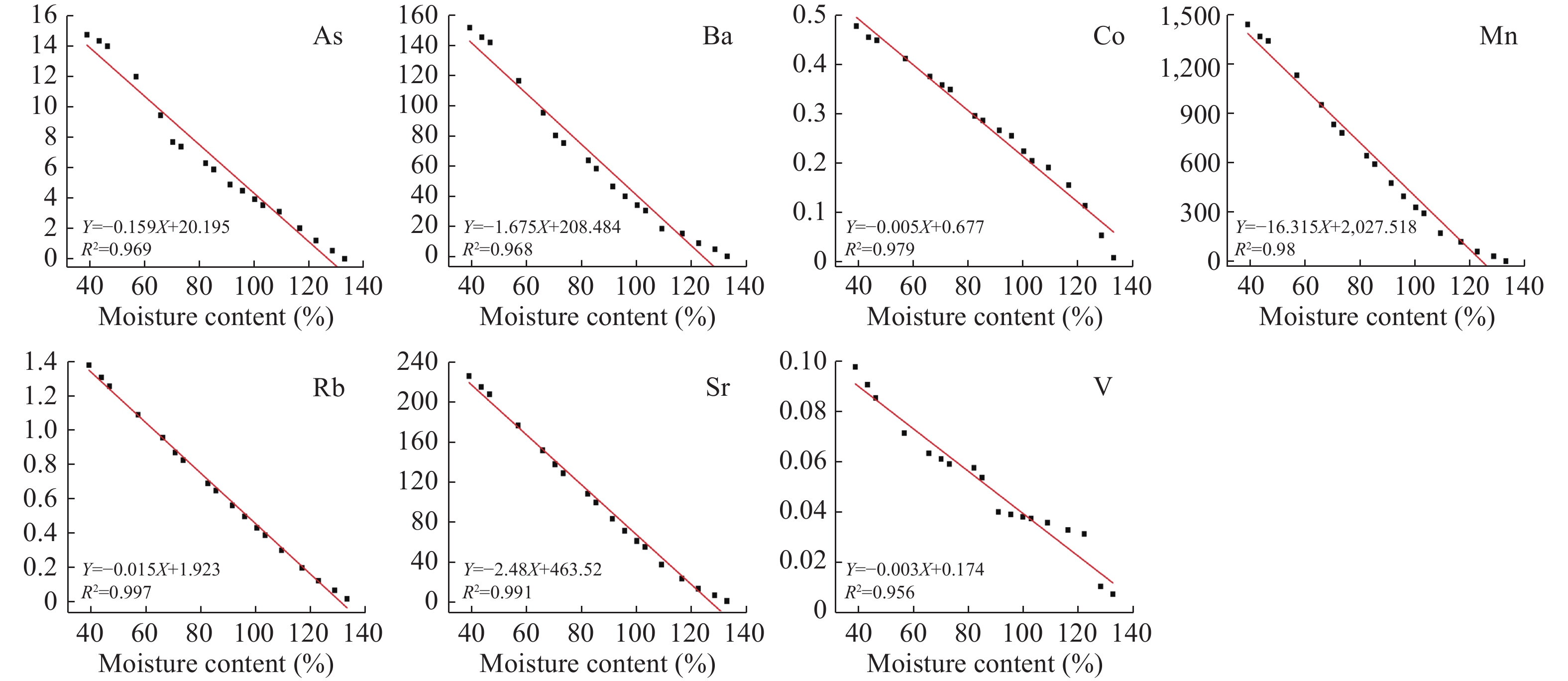
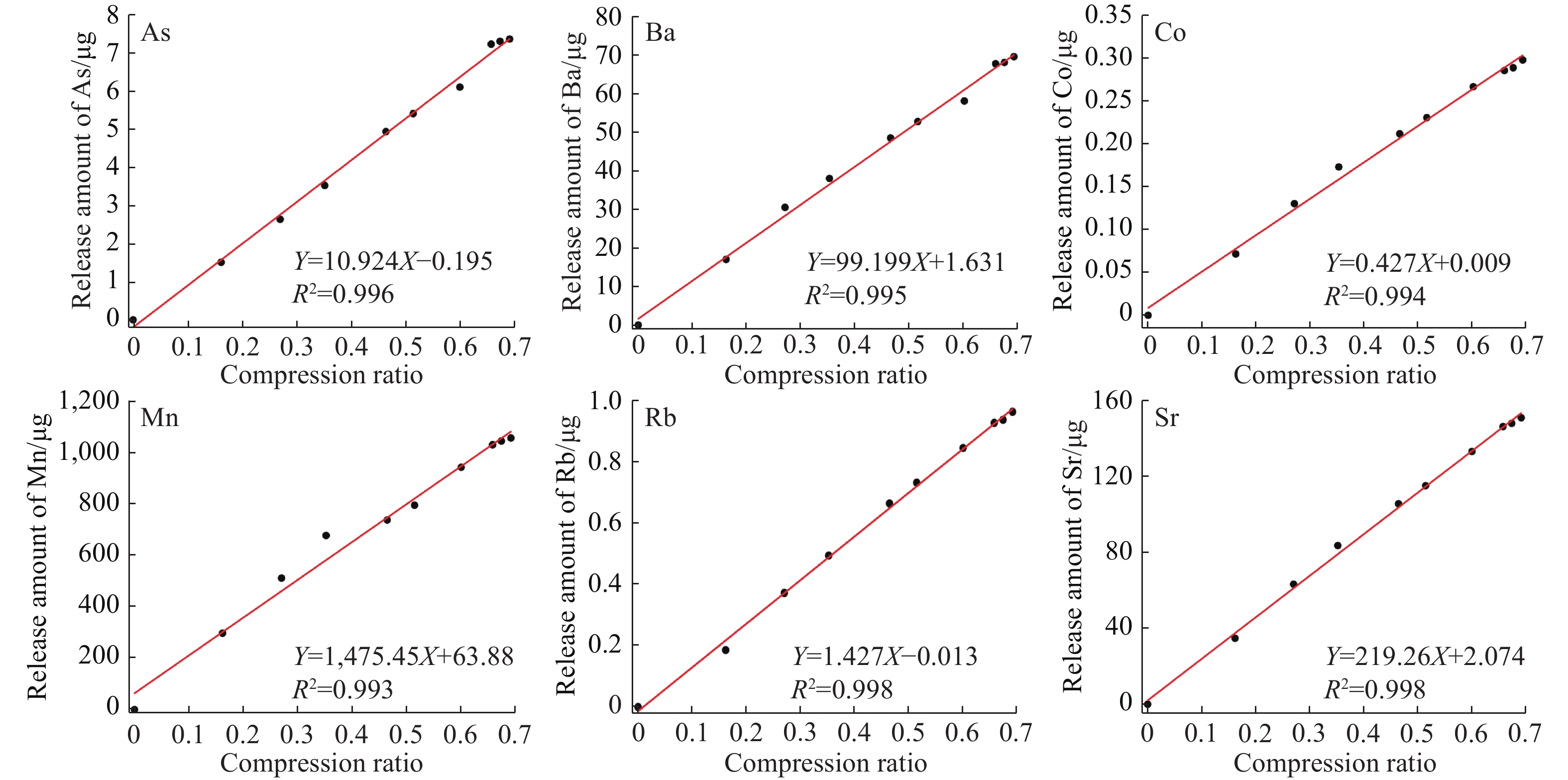
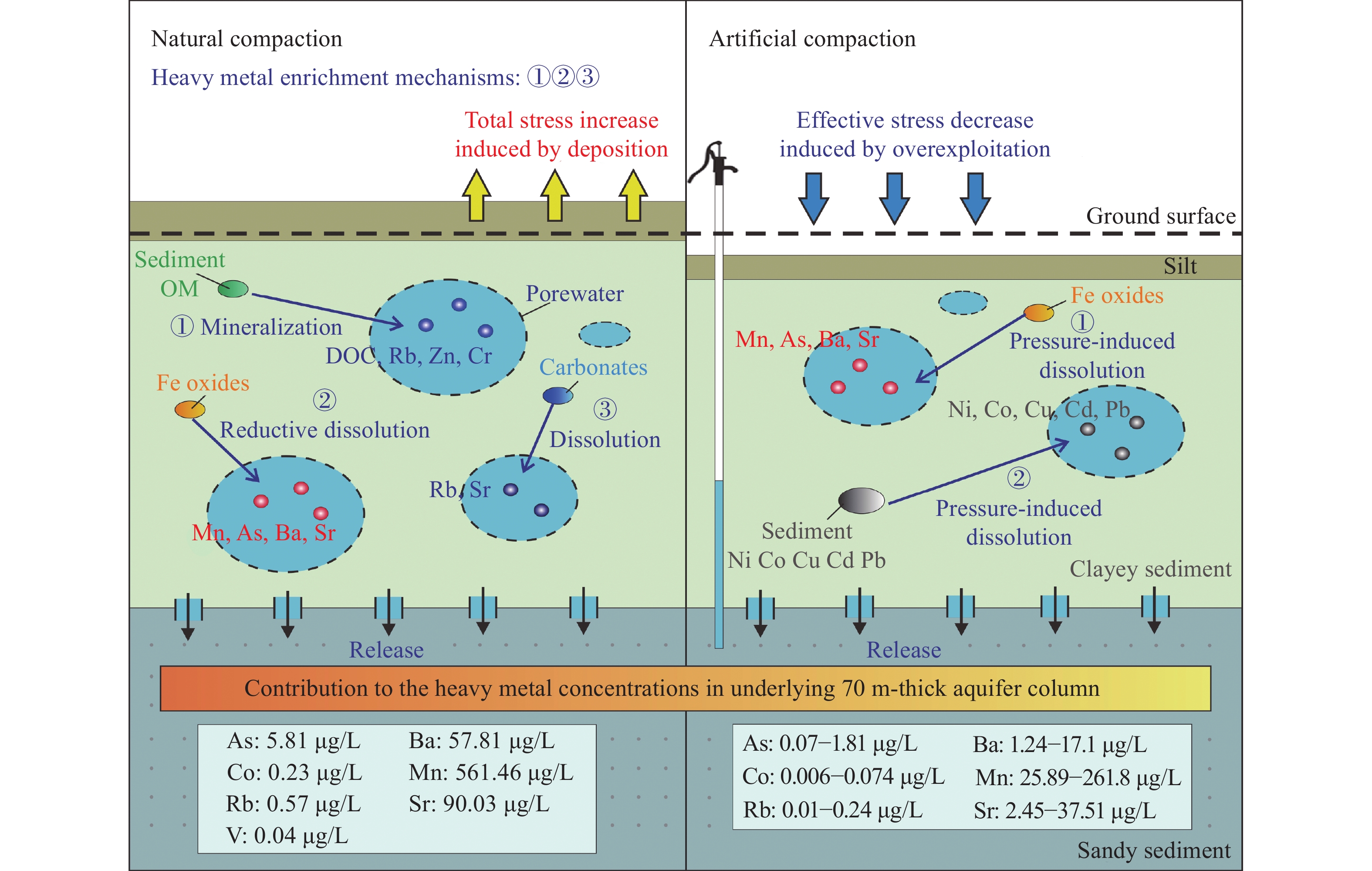
Compaction-induced release of porewater containing elevated concentrations of heavy metals from clayey aquitards poses a potential risk to groundwater quality in adjacent aquifers. However, the enrichment mechanisms of heavy metals in clay porewater and their subsequent environmental impacts on groundwater systems remain inadequately elucidated. In this study, two sets of simulation experiments were conducted on clayey sediments collected from the Chen Lake wetland using a novel integrated compaction simulator, with continuous monitoring of sediment, porewater, and gas compositions. Under the natural compaction condition (0.02 MPa/h), porewater was continuously released with pressurization, accompanied by a redox transition from oxidative to reductive environments. The release of sediment As, Ba, Mn, and Sr into porewater was associated with the reductive dissolution of Fe(III) oxides, whereas Cr, Rb, and Zn were primarily released through OM mineralization. Furthermore, portions of Rb and Sr were bound to carbonates, with their concentrations in porewater increasing due to inorganic carbon dissolution. In the later compaction stages, reduced moisture content inhibited further heavy metal release. Under the artificial compaction condition (0.1 MPa/24h), heavy metal mobilization was predominantly driven by pressure-induced dissolution under enhanced water-rock interactions. Following each pressurization, sediment As, Ba, Mn, and Sr were released alongside Fe mineral dissolution. Although the concentrations of V, Ni, Co, Cu, Cd, and Pb in porewater remained relatively low, they exhibited marked increases in response to each pressurization during the later stages of the experiment. Quantitative assessments for the Chen Lake wetland indicate that natural compaction of clayey sediments (–20 m thick) elevated groundwater As, Ba, Co, Mn, Rb, Sr, and V concentrations in the underlying aquifer (–70 m thick) by 5.81 μg/L, 57.81 μg/L, 0.23 μg/L, 561.46 μg/L, 0.57 μg/L, 90.03 μg/L, and 0.04 μg/L, respectively. Under artificial compaction, the contributions of clayey sediments to groundwater As, Ba, Co, Mn, Rb, and Sr concentrations were estimated to range from 0.07 μg/L to 1.81 μg/L, 1.24 μg/L to 17.1 μg/L, 0.006 μg/L to 0.074 μg/L, 25.89 μg/L to 261.8 μg/L, 0.01 μg/L to 0.24 μg/L, and 2.45 μg/L to 37.51 μg/L, respectively, underscoring the significant influence of clayey sediment compaction on heavy metal enrichment in groundwater systems.
Chen J, Wang SX, Tang LQ, et al. Release mechanisms of heavy metals during compaction of clayey sediments: Studies using simulation experiments. Journal of Groundwater Science and Engineering. doi: 10.26599/JGSE.2026.9280098.
 E-mail alert
 Rss
Rss


 Online Submission
 Peer Review
 Office Work
 Editor-in-chief
 News
News Download
 Links
Links


