 E-mail alert
 Rss
Rss



Karst distribution characteristics in a watershed under topographic differentiation and implication for groundwater resource: A case study in Southwest China using ERT and borehole data
-
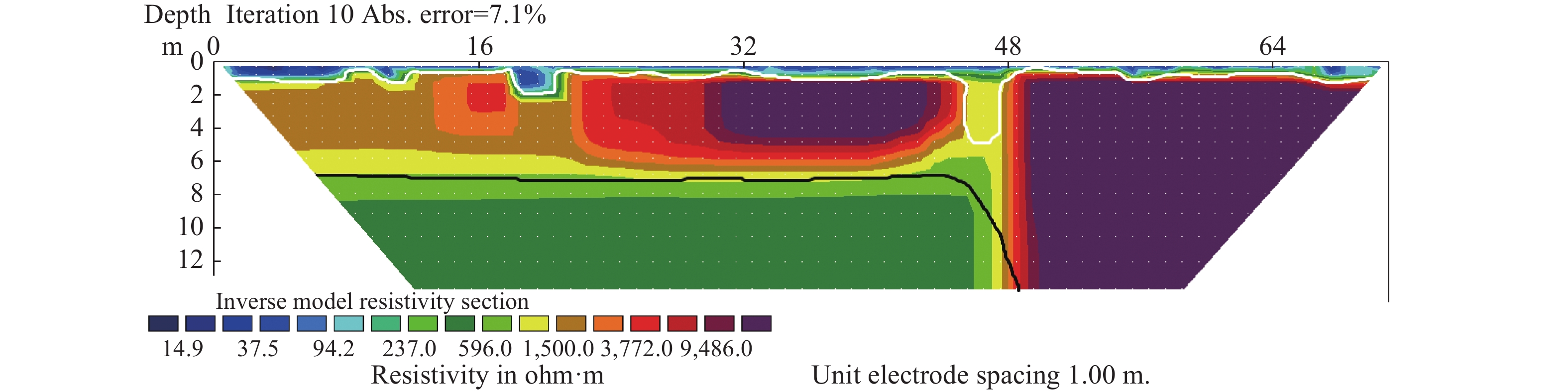
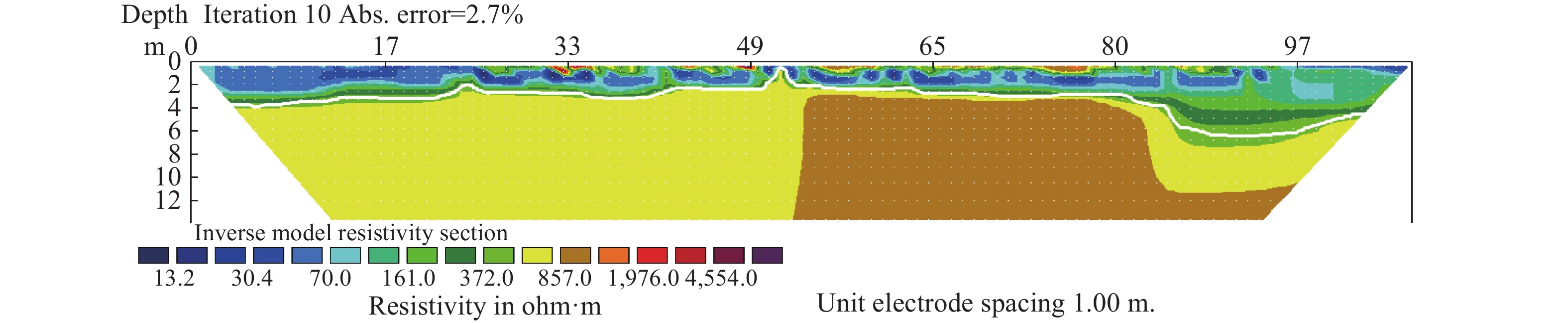
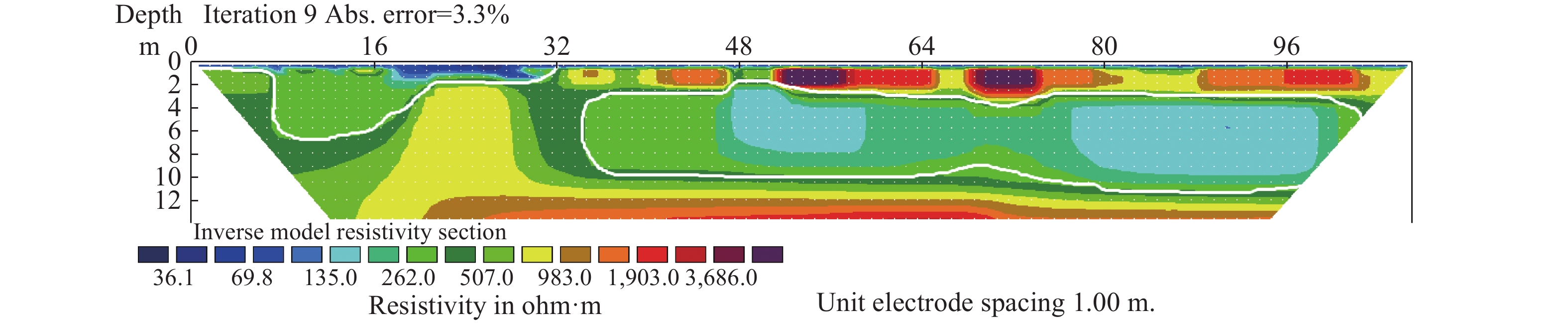
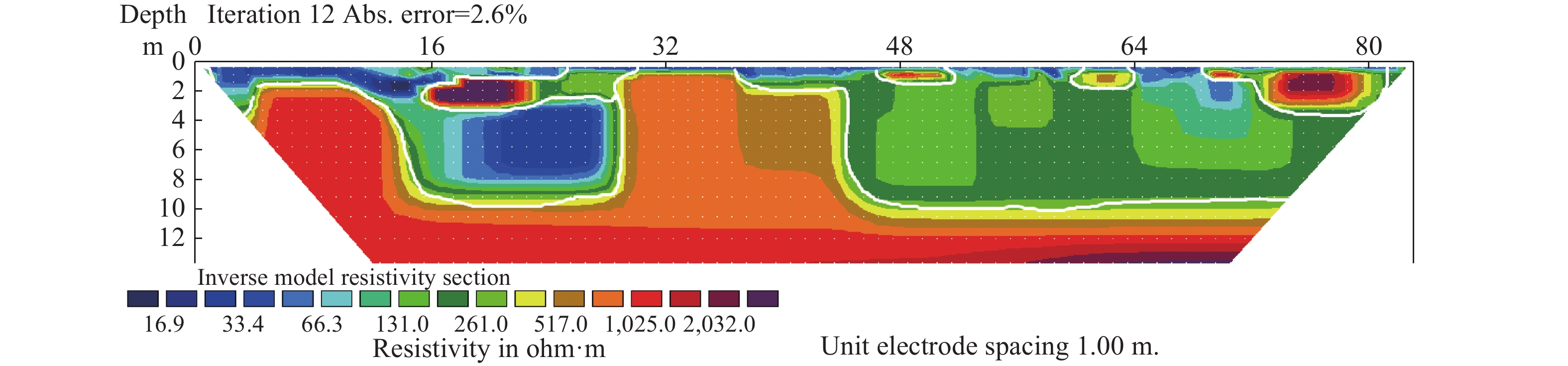
Abstract: Karst landforms are renowned for their unique characteristics, and investigating karst development characteristics is of great significance for groundwater regulation and ecological management. This study aims to interpret karst distribution under different topographic conditions in a watershed using Electrical Resistivity Tomography (ERT). Taking the Chenqi small watershed in Southwest China as the study area, 10 ERT survey lines were deployed across three topographic settings (dip slopes, anti-dip slopes, and high-lying depressions). By combining 2D/3D ERT inversion, geological drilling, and outcrop verification, the subsurface karst distribution was revealed. The results show that ERT effectively detects karst features with high heterogeneity and discontinuity. Conduit-type karst appears in the middle section of both slopes, indicating groundwater migration pathways. Karst water is dominated by runoff on dip slopes, whereas infiltration dominates on anti-dip slopes; continuous low-resistivity aquicludes in high-lying depressions control local groundwater levels. The average karst zone thickness is 2.0–4.0 m, with a maximum of 12 m. These findings demonstrate a coupled relationship between karst structure and groundwater runoff under topographic differentiation, providing a quantitative reference for watershed-scale groundwater processes and practical value for karst water exploration, resource regulation, and slope stability assessment.
-
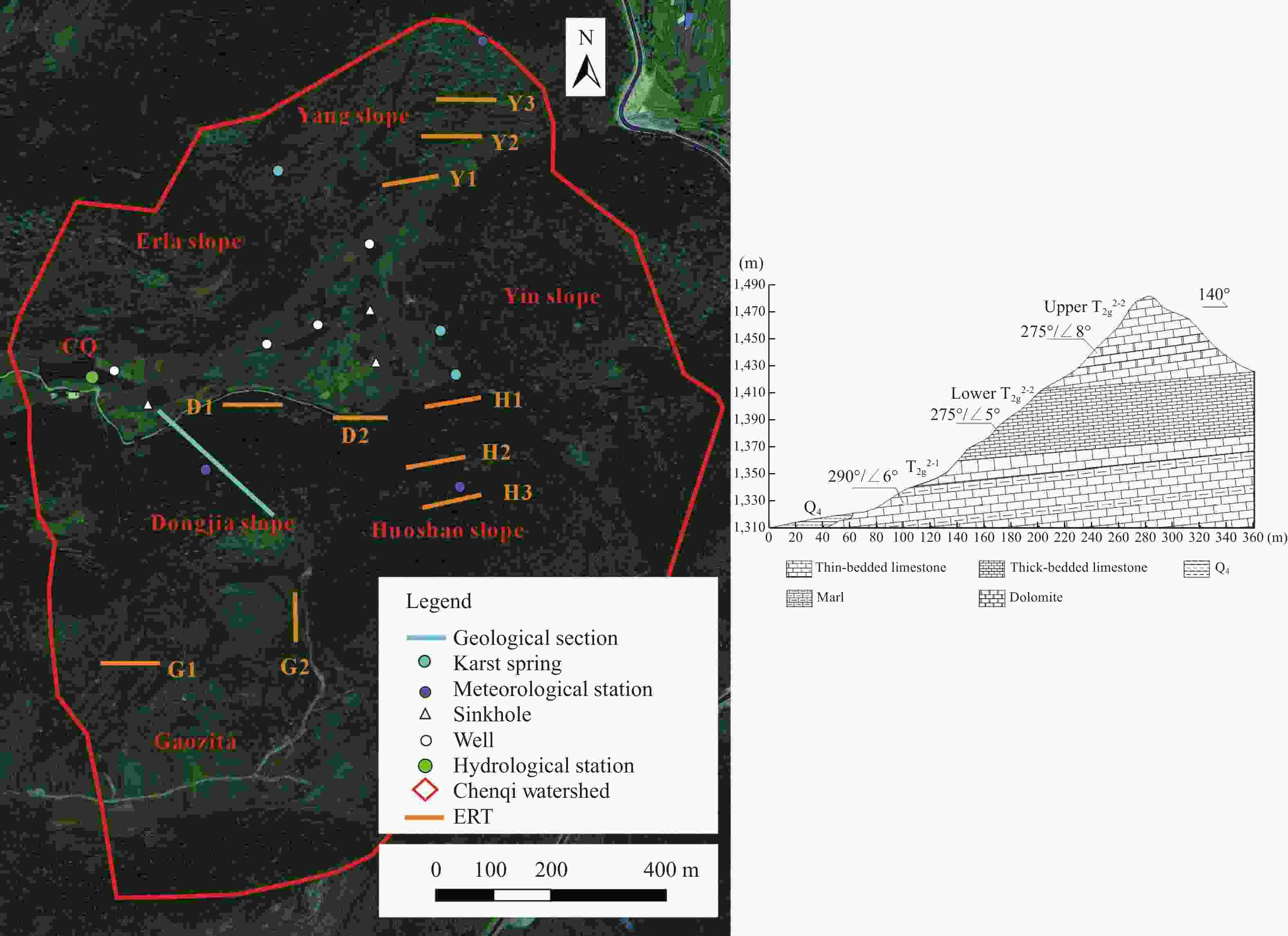
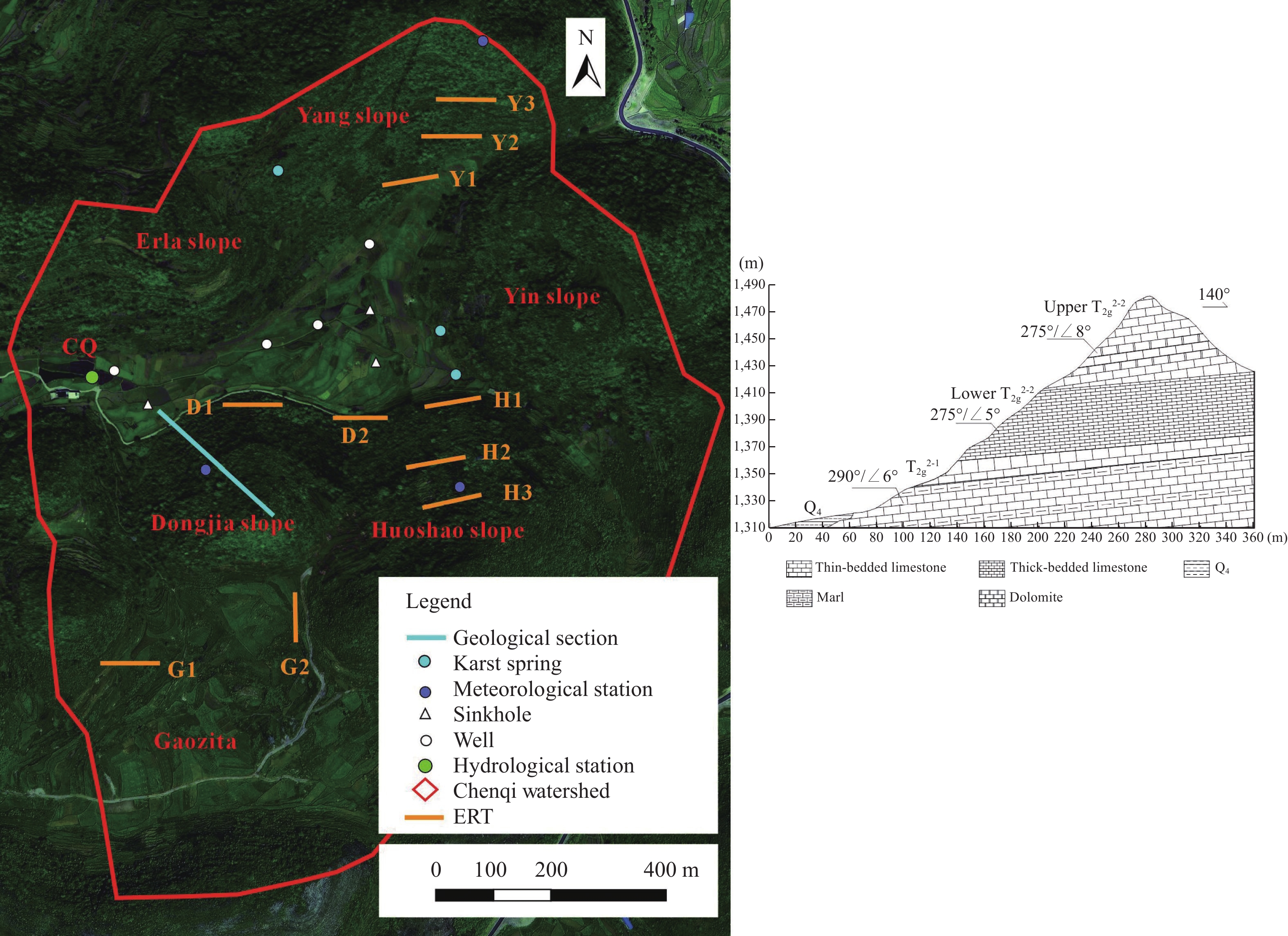
Figure 1. Geographical and geological description of the Chenqi watershed, including the location of key features: Springs, sinkholes, wells and ERT survey lines.
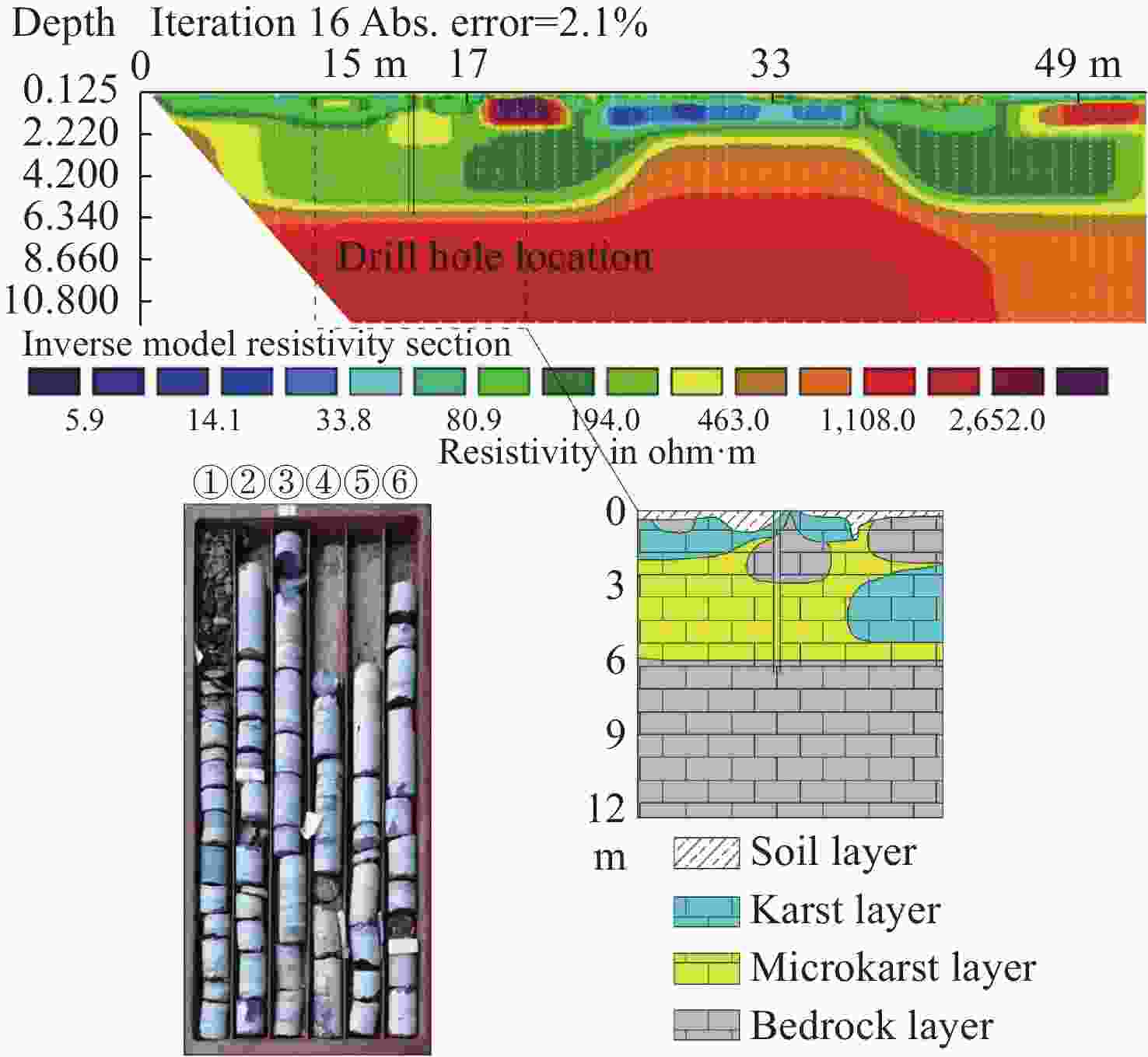
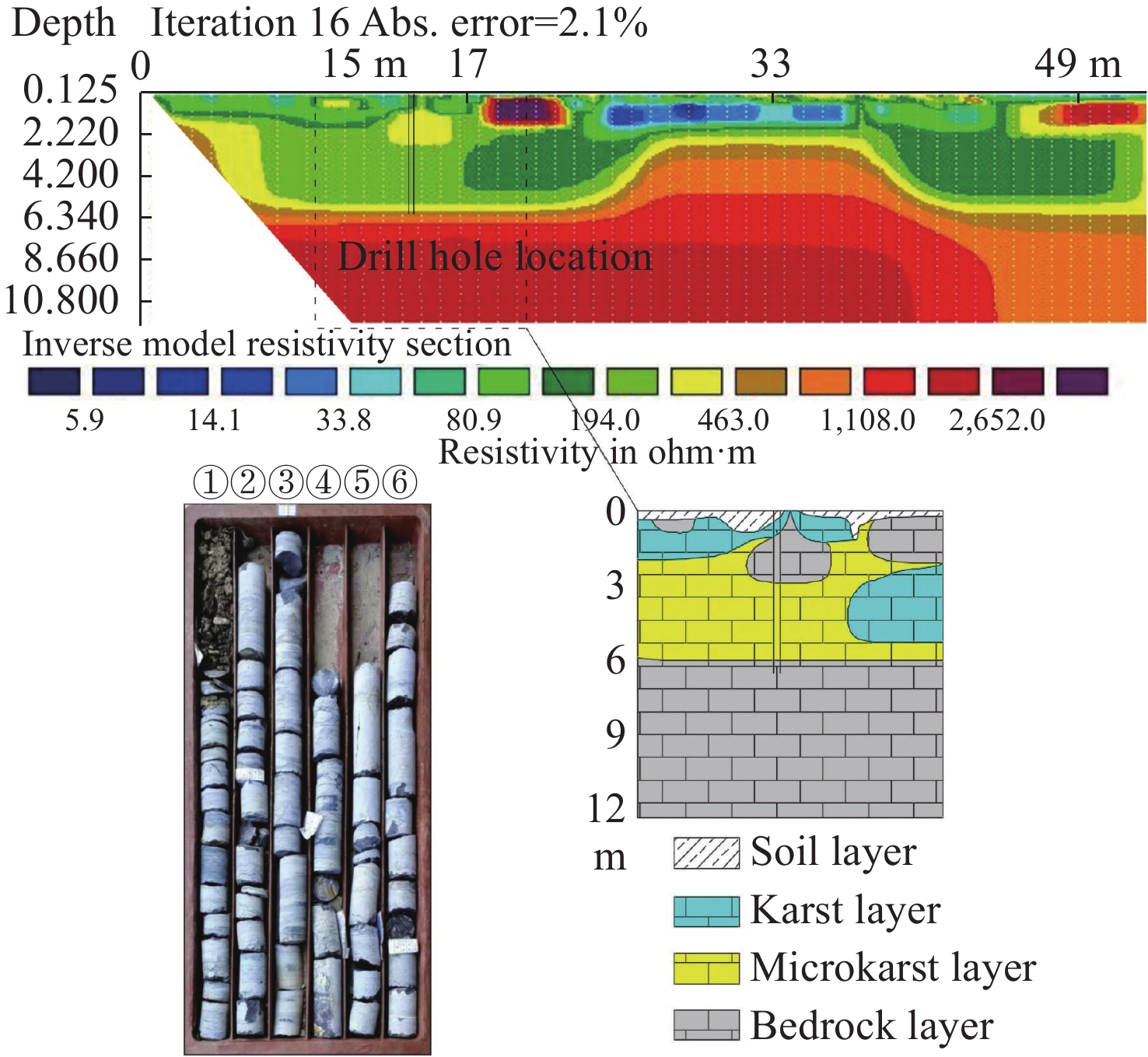
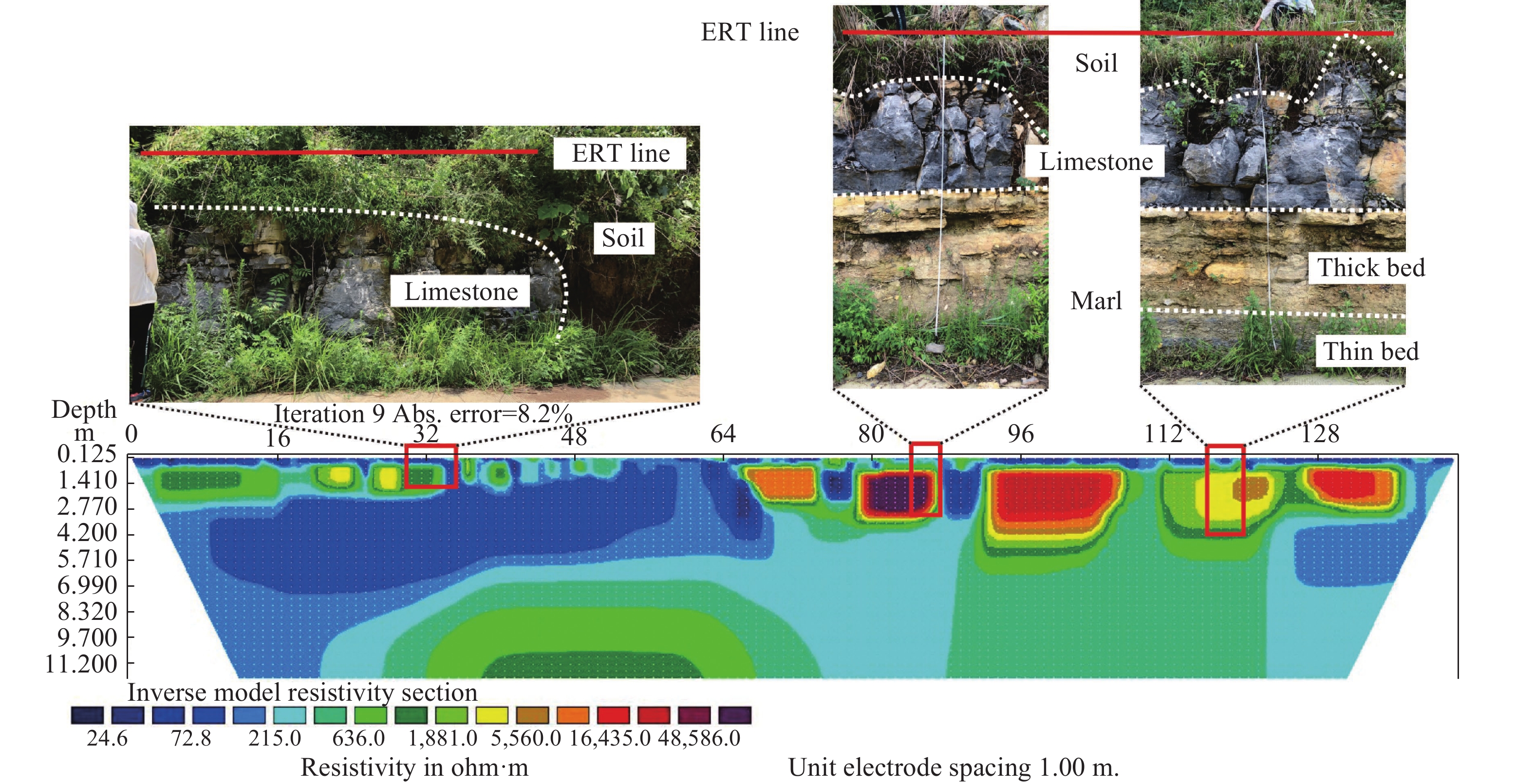
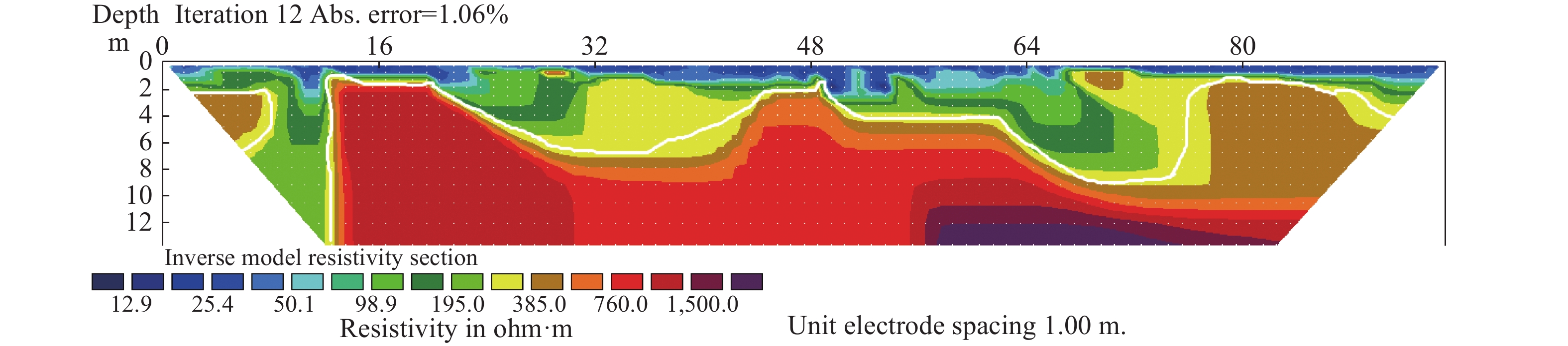
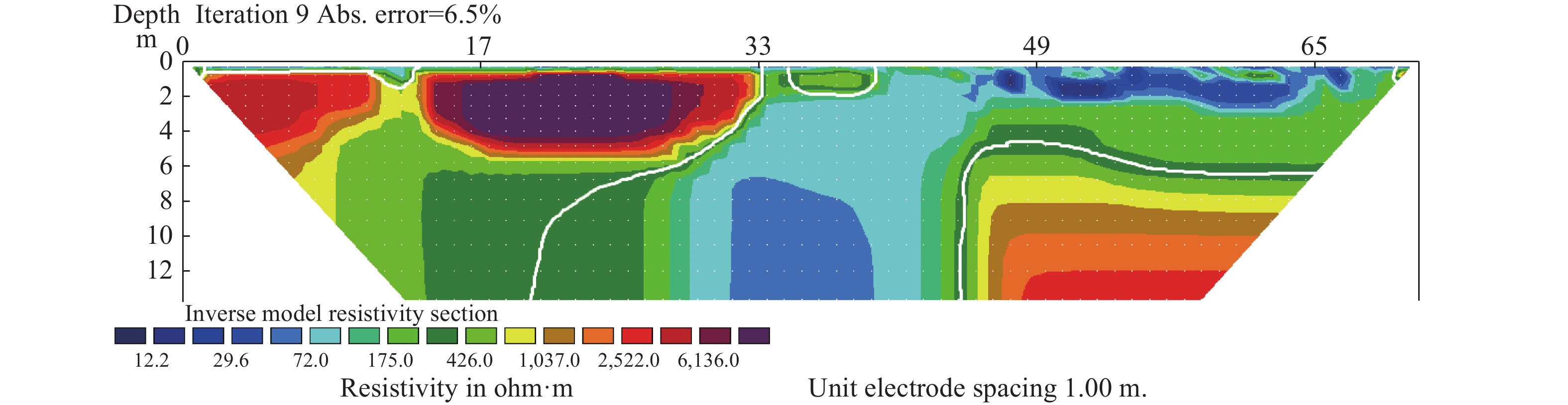
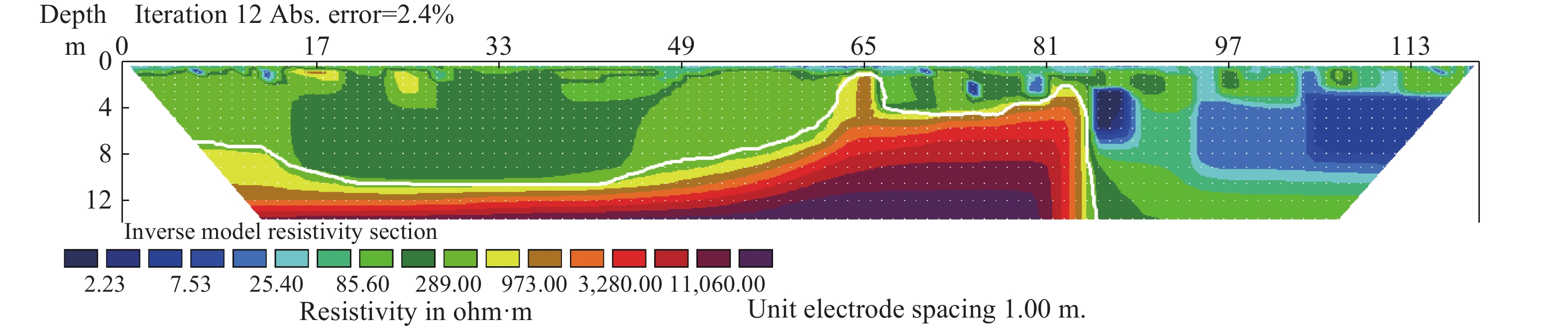
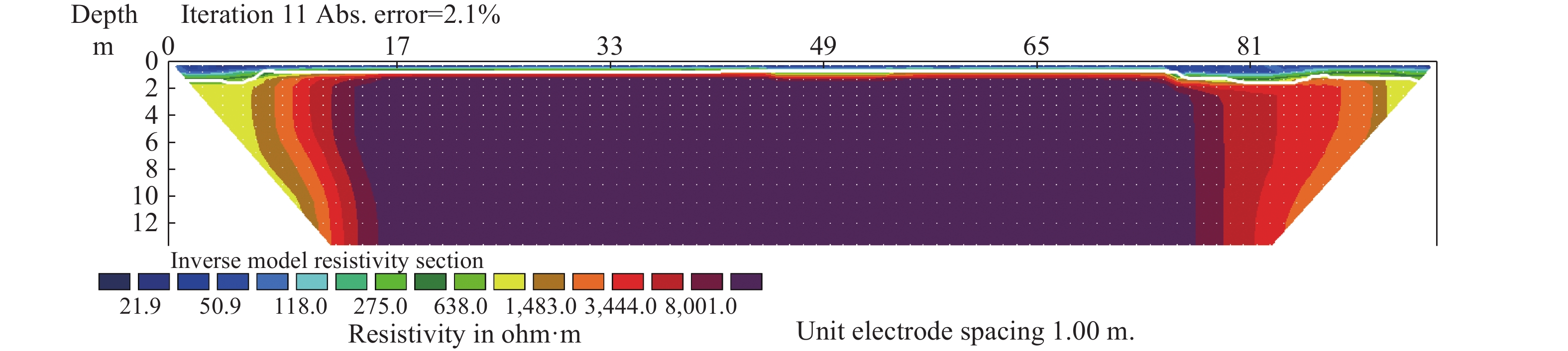
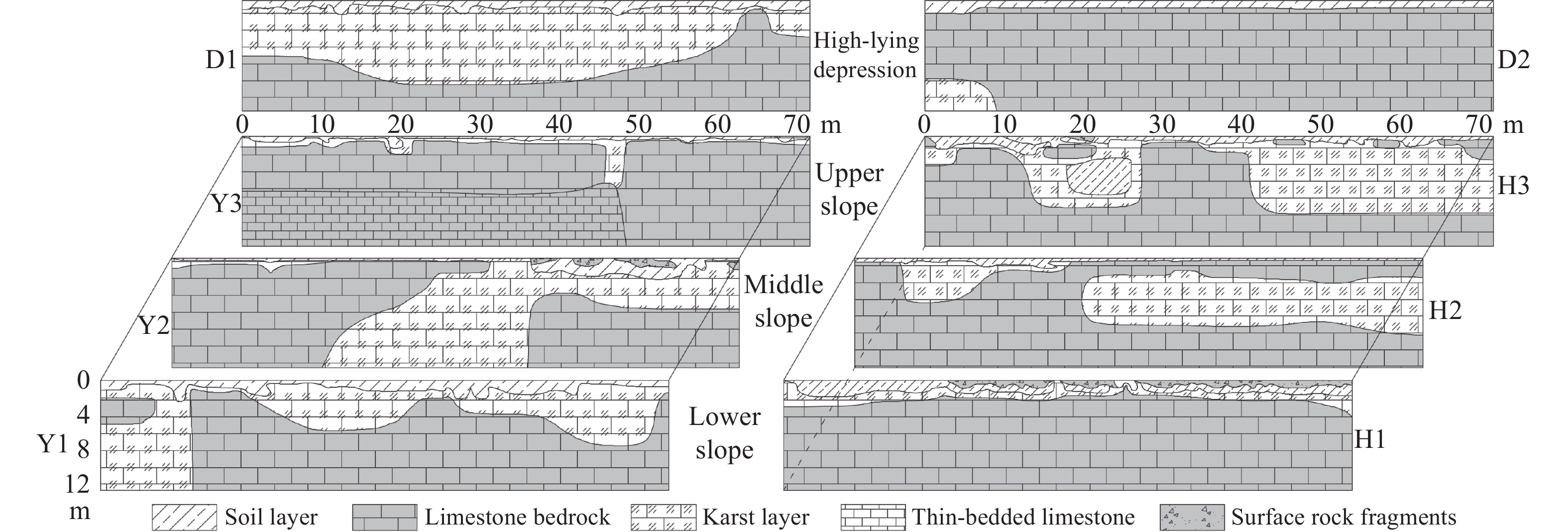
Figure 2. Validation diagram of stratigraphic structure by geological drilling and ERT inversion
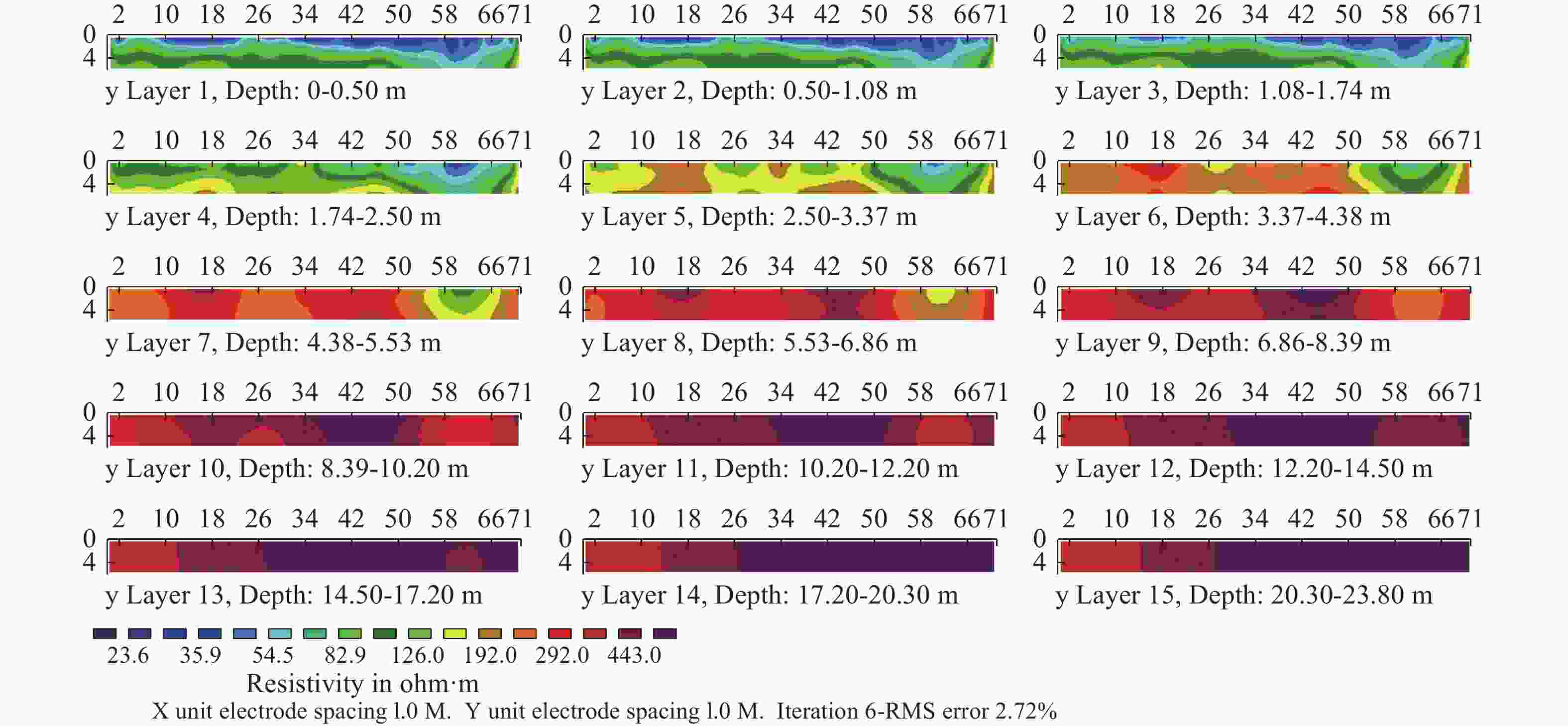
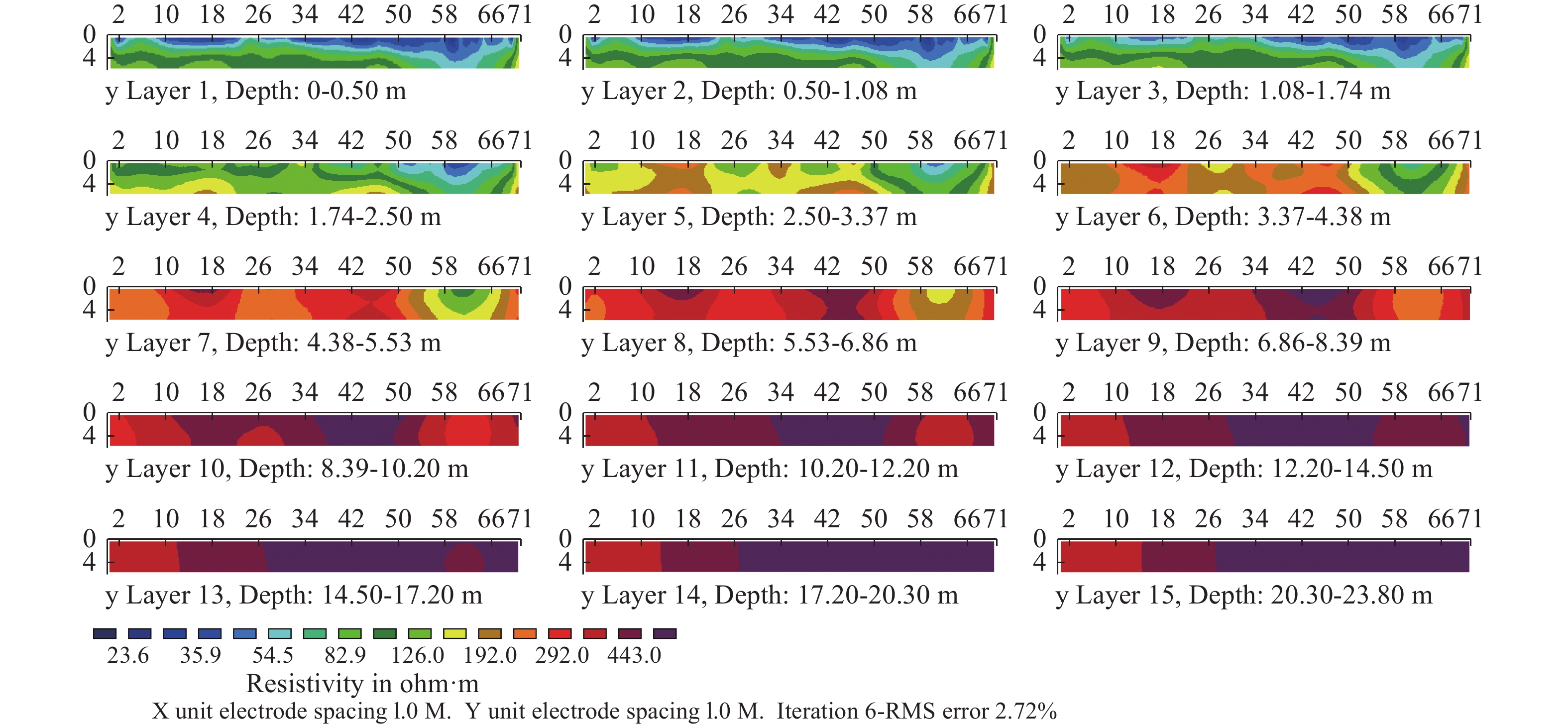
Figure 12. 3D ERT inversion results for survey line Y1 (horizontal axis: Survey line length; vertical axis: Horizontal distance; layers 1–15: Slices at different depths)
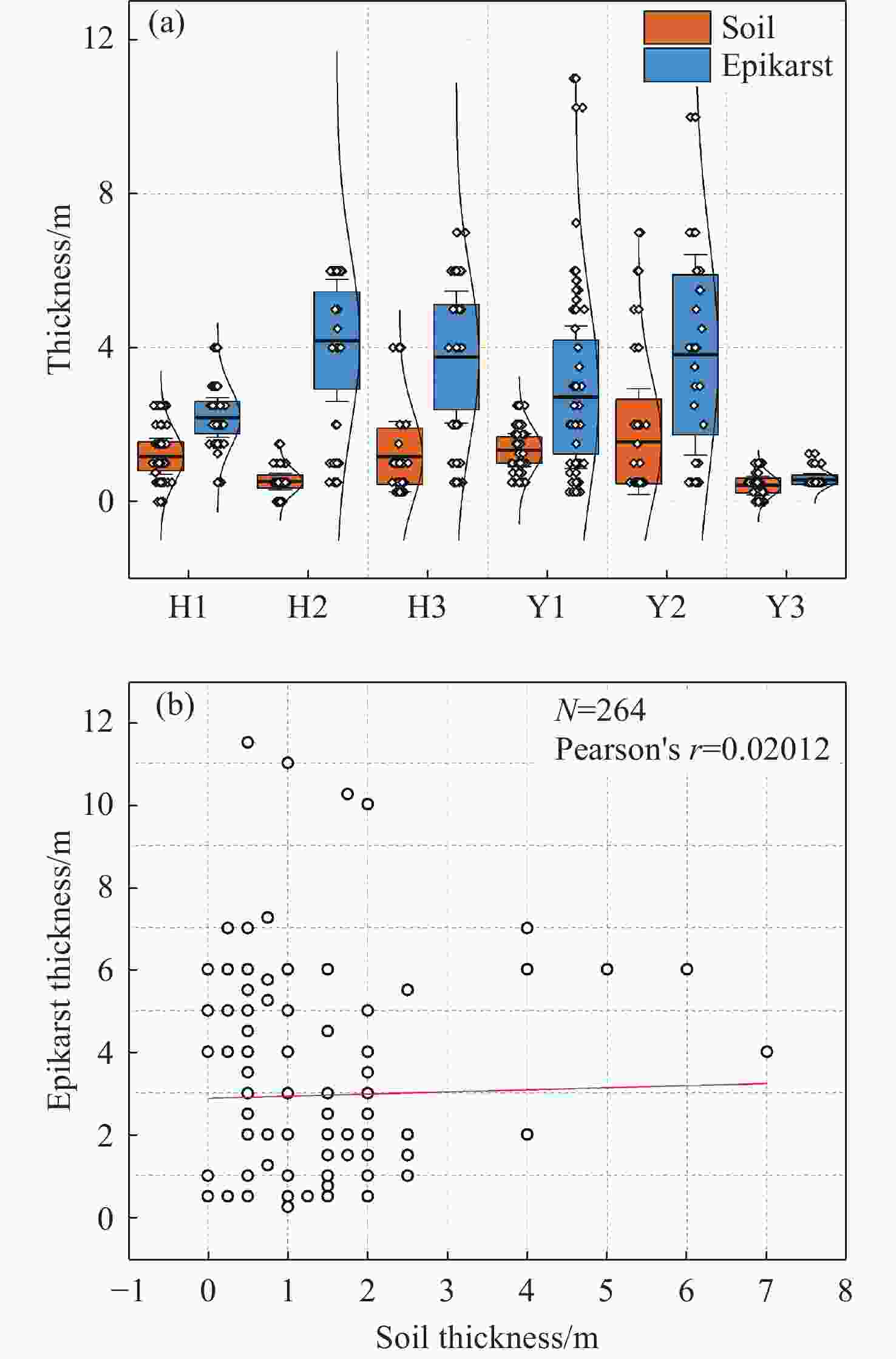
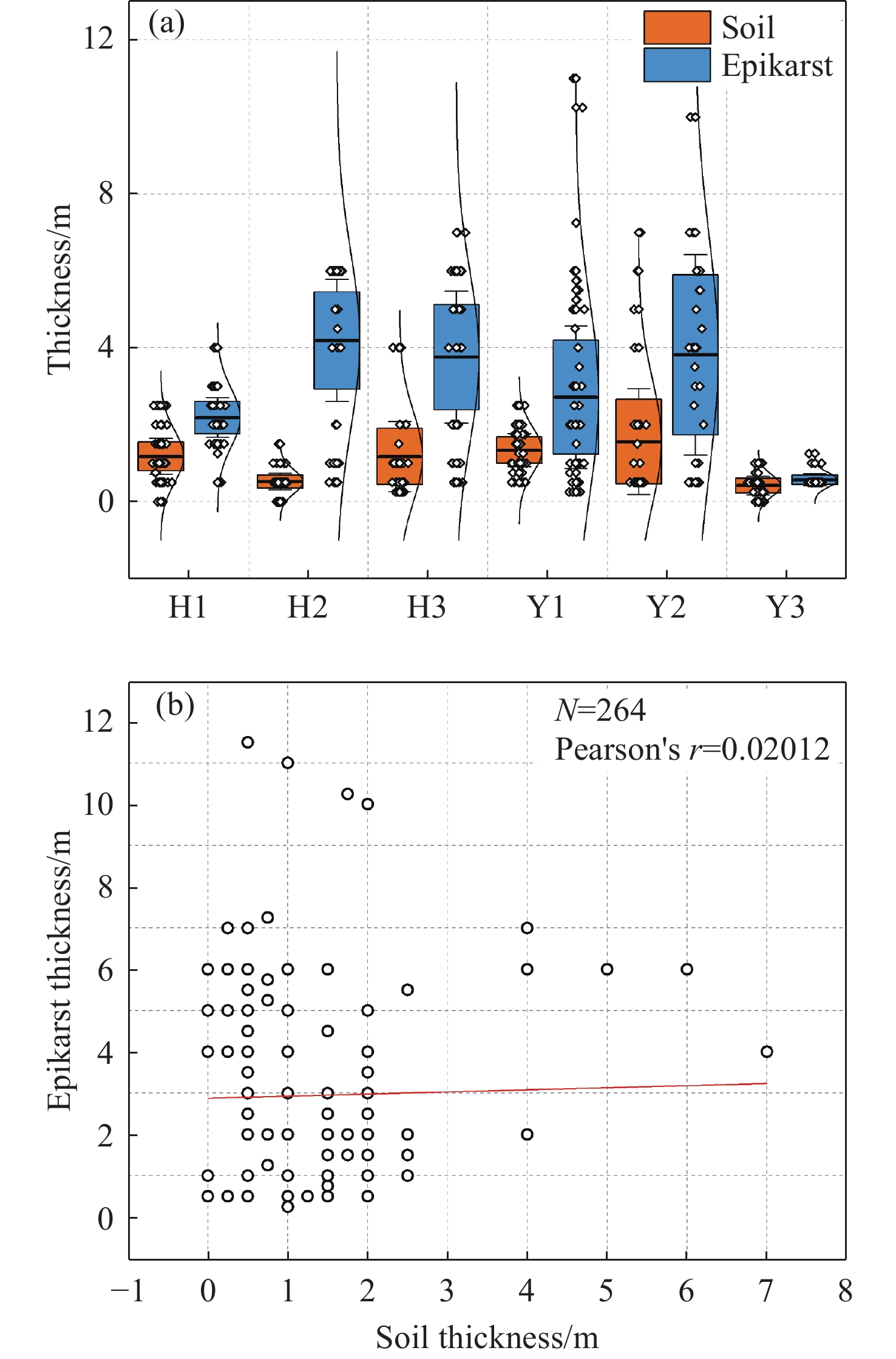
Figure 13. Statistics of slope soil and epikarst thickness (a), and the relationship between soil thickness and epikarst thickness analyzed based on sampling points (b, where N is the number of samples and r is the correlation coefficient)
Table 1. Physical properties of the major subsurface media in the study area
Medium Resistivity/Ω·m Relative permittivity Density/g·cm−3 EM wave velocity/m·ns−1 Air - 1 - 0.30 Water 50–60 80 1.0 0.03 Clay 10–600 5–40 1.6–2.0 0.06 Dolomite 50–6,000 6 2.8–3.0 0.12 Thin-bedded limestone 60–2,000 4–8 2.6–2.8 0.12 Thick-bedded limestone 500–6,000 4–8 2.6–3.1 0.12 Marl 5–5,000 - 2.3–2.5 -  下载: 导出CSV
Table 2. ERT survey lines details in the study area
Location Slope position Line No. Length of survey line/m Yang slope (anti-dip slope) Lower slope Y1 96 Middle slope Y2 72 Upper slope Y3 72 Huoshao slope (dip slope) Lower slope H1 108 Middle slope H2 108 Upper slope H3 84 Gaozita High-lying depression G1 120 High-lying depression G2 96 Slope bottom D1 72 Verification Slope bottom D2 144
下载: 导出CSV
-
An R, Li B, Li J, et al. 2026. Quantifying the vulnerability of karst groundwater to emerging organic compounds in southwest China. Environmental Pollution, 388: 127374. DOI: 10.1016/j.envpol.2025.127374. Atoui M, Agoubi B. 2026. Vulnerability assessment in fractured aquifer using improved vulnerability index: Applied to Gabes aquifer, Southeastern Tunisia. Journal of Groundwater Science and Engineering, 14(1): 69−82. DOI: 10.26599/jgse.2026.9280073. Bermejo L, Ortega AI, Parés JM, et al. 2020. Karst features interpretation using ground-penetrating radar: A case study from the Sierra de Atapuerca, Spain. Geomorphology, 367: 107311. DOI: 10.1016/j.geomorph.2020.107311. Bo L, Mei LX. 2018. Characteristics of karst groundwater system in the northern basin of Laiyuan Spring area. Journal of Groundwater Science and Engineering, 6(4): 261−269. DOI: 10.19637/j.Cnki.2305-7068.2018.04.002. Bouzerda M, Mehdi K, Fadili A, et al. 2026. Electrical resistivity tomography involvement to investigate collapse dolines in Mogress area, Doukkala plain (Western Morocco). Catena, 263: 109742. DOI: 10.1016/j.catena.2025.109742. Cao JH, Wu X, Huang F, et al. 2018. Global significance of the carbon cycle in the karst dynamic system: Evidence from geological and ecological processes. China Geology, 1(1): 17−27. DOI: 10.31035/cg2018004. Chen X, Zhang ZC, Soulsby C, et al. 2018. Characterizing the heterogeneity of karst critical zone and its hydrological function: An integrated approach. Hydrological Processes, 32(19): 2932−2946. DOI: 10.1002/hyp.13232. Cheng QB, Chen X, Tao M, et al. 2019a. Characterization of karst structures using quasi-3D electrical resistivity tomography. Environmental Earth Sciences, 78(9): 285. DOI: 10.1007/s12665-019-8284-2. Cheng QB, Tao M, Chen X, et al. 2019b. Evaluation of electrical resistivity tomography (ERT) for mapping the soil–rock interface in karstic environments. Environmental Earth Sciences, 78(15): 439. DOI: 10.1007/s12665-019-8440-8. Cheng QY, Wang SJ, Peng T, et al. 2020. Sediment sources, soil loss rates and sediment yields in a Karst plateau catchment in Southwest China. Agriculture, Ecosystems and Environment, 304: 107114. DOI: 10.1016/j.agee.2020.107114. Cheng YP, Zhang FW, Dong H, et al. 2024. Groundwater and environmental challenges in Asia. Journal of Groundwater Science and Engineering, 12(2): 223−236. DOI: 10.26599/jgse.2024.9280017. Coulouma G, Lagacherie P, Samyn K, et al. 2013. Comparisons of dry ERT, diachronic ERT and the spectral analysis of surface waves for estimating bedrock depth in various Mediterranean landscapes. Geoderma, 199: 128−134. DOI: 10.1016/j.geoderma.2012.07.026. Funk B, Flores-Orozco A, Steiner M. 2024. Possibilities and limitations of cave detection with ERT. Geomorphology, 462: 109332. DOI: 10.1016/j.geomorph.2024.109332. Gao QS, Wang SJ, Peng T, et al. 2020. Evaluating the structure characteristics of epikarst at a typical peak cluster depression in Guizhou plateau area using ground penetrating radar attributes. Geomorphology, 364: 107015. DOI: 10.1016/j.geomorph.2019.107015. Guo F, Jiang GH, Yuan DX, et al. 2013. Evolution of major environmental geological problems in karst areas of Southwestern China. Environmental Earth Sciences, 69(7): 2427−2435. DOI: 10.1007/s12665-012-2070-8. Guo GH, Ji ZY, Chen LH, et al. 2025. Experimental and numerical analyses of nonlinear conduit-matrix exchange flow mechanism in heterogeneous karst aquifers. Journal of Hydrology, 661: 133623. DOI: 10.1016/j.jhydrol.2025.133623. Guo YL, Huang F, Chi FX, et al. 2024. Hydrogeological structures of karst features using hydrographs in an underground river basin formed in a peak cluster depression, southwest China. Journal of Hydrology, 634: 131085. DOI: 10.1016/j.jhydrol.2024.131085. Hao HQ, Zhang J, Illman WA, et al. 2025. Insight into karst hydrological processes in the frequency domain: Critical frequency, phase difference, causality, and machine learning model. Journal of Hydrology, 663: 134150. DOI: 10.1016/j.jhydrol.2025.134150. Huang FY, Gao Y, Zhang ZZ, et al. 2025. Simulating precipitation-induced karst-stream interactions using a coupled Darcy–Brinkman–Stokes model. Hydrology and Earth System Sciences, 29(22): 6285−6307. DOI: 10.5194/hess-29-6285-2025. Jiang WW, Peng T, Zhang XB, et al. 2025. High-resolution electrical resistivity tomography for quantitative interpretation of sub-surface karst structures: A case study in Southwest China. Geoderma, 461: 117460. DOI: 10.1016/j.geoderma.2025.117460. Lan FN, Zhao Y, Li J, et al. 2024. Health risk assessment of heavy metal pollution in groundwater of a karst basin, SW China. Journal of Groundwater Science and Engineering, 12(1): 49−61. DOI: 10.26599/jgse.2024.9280005. Li QS, Kang XB, Xu M, et al. 2023. Effects of coal mining and tunnel excavation on groundwater flow system in karst areas by modeling: A case study in Zhongliang Mountain, Chongqing, Southwest China. Journal of Groundwater Science and Engineering, 11(4): 391−407. DOI: 10.26599/jgse.2023.9280031. Li S, Wu X, Sun FM, et al. 2022. Environmental geological problems in southwest China: A case study from the researches of regional landslide hazards. Nature Environment and Pollution Technology, 21(1): 159−165. DOI: 10.46488/nept.2022.v21i01.017. Liu Y, Liu Z, Zhang C, et al. 2024. Study on spatial structure characteristics of epikarst zone interpreted by integrated geophysical method: Taking the slope runoff field of Guohua town ecological experiment base in Pingguo City, Guangxi as an example. Carsologica Sinica, 43(01): 209−218. DOI: 10.11932/karst20240109. Luo ZD, Lian JJ, Nie YP, et al. 2024. Improving soil thickness estimations and its spatial pattern on hillslopes in karst forests along latitudinal gradients. Geoderma, 441: 116749. DOI: 10.1016/j.geoderma.2023.116749. Obiora DN, Ibuot JC. 2023. Electrical geophysical evaluation of susceptibility to flooding in University of Nigeria, Nsukka main campus and its environs, Southeastern Nigeria. Journal of Groundwater Science and Engineering, 11(4): 422−434. DOI: 10.26599/jgse.2023.9280033. Ryckebusch C, Baltassat JM, Legchenko A, et al. 2025. Characterization of a heterogeneous limestone vadose zone based on a multimethod and multiscale geophysical approach. Near Surface Geophysics, 23(6): 555−571. DOI: 10.1002/nsg.70026. Song HW, Xia F, Wang WQ, et al. 2025. ANN-based prediction model for single-hole water inflow from piedmont to inland plain areas of Hebei Province, North China Plain. Journal of Groundwater Science and Engineering, 13(4): 434−448. DOI: 10.26599/jgse.2025.9280064. Tao M, Chen X, Cheng QB, et al. 2022. Evaluating the joint use of GPR and ERT on mapping shallow subsurface features of karst critical zone in southwest China. Vadose Zone Journal, 21(1): e20172. DOI: 10.1002/vzj2.20172. Tan Y, Qi J., Xu M, et al. 2024. Application of fractal characteristics of drill hole karst geology in analyzing the degree of karst development. Geological Journal of China Universities, 30(05): 603−612. DOI: 10.16108/j.issn1006-7493.2023052. Wanaim A, Ikirri M, Boutaleb S, et al. 2025. Non-Invasive imaging of subsurface karst architecture using electrical resistivity tomography: A case study from carbonate terranes in Semi-Arid regions (Fouzart cave, Western Anti-Atlas, Morocco). Carbonates and Evaporites, 40(3): 111. DOI: 10.1007/s13146-025-01147-4. Wang F, Nie Y, Chen H, et al. 2024b. Spatial heterogeneity characteristics of soil-epikarst thickness in a typical karst dolomite small watershed. Bulletin of Geological Science and Technology, 43(01): 306−314. DOI: 10.19509/j.cnki.dzkq.tb20220399. Wang M. 2024a. Accelerating collaborative innovation in hydrological, engineering, and environmental fields. Journal of Groundwater Science and Engineering, 12(1): 1−3. DOI: 10.26599/jgse.2024.9280001. Xiao X, Zhang S, Guo W, et al. 2023. Environmental pollution characteristics of surface water and groundwater in southwest China and its research prospects. Earth and Environment, 51(05): 564−573. DOI: 10.14050/j.cnki.1672-9250.2023.51.005. Xie J, Liu Y, Lu YL, et al. 2022. Application of the high-density resistivity method in detecting a mined-out area of a quarry in Xiangtan City, Hunan Province. Frontiers in Environmental Science, 10: 1068956. DOI: 10.3389/fenvs.2022.1068956. Yu FD, Qiao G, Wang K, et al. 2023. Investigation of groundwater characteristics and its influence on Landslides in Heifangtai Plateau using comprehensive geophysical methods. Journal of Groundwater Science and Engineering, 11(2): 171−182. DOI: 10.26599/jgse.2023.9280015. Yue YM, Yuan S, Wang L, et al. 2026. Maize cultivation and forest collapse over five centuries in Southern China. Communications Earth and Environment, 7: 190. DOI: 10.1038/s43247-026-03224-5. Zhang C, Hou XW, Li XQ, et al. 2020. Numerical simulation and environmental impact prediction of karst groundwater in Sangu Spring Basin, China. Journal of Groundwater Science and Engineering, 8(3): 210−222. DOI: 10.19637/j.Cnki.2305-7068.2020.03.002. Zhang J, Sirieix C, Genty D, et al. 2024. Imaging hydrological dynamics in karst unsaturated zones by time-lapse electrical resistivity tomography. Science of the Total Environment, 907: 168037. DOI: 10.1016/j.scitotenv.2023.168037. Zhang ZC, Chen X, Chen XH, et al. 2013. Quantifying time lag of epikarst-spring hydrograph response to rainfall using correlation and spectral analyses. Hydrogeology Journal, 21(7): 1619−1631. DOI: 10.1007/s10040-013-1041-9. Zhang ZC, Chen X, Cheng QB, et al. 2019. Storage dynamics, hydrological connectivity and flux ages in a karst catchment: Conceptual modelling using stable isotopes. Hydrology and Earth System Sciences, 23(1): 51−71. DOI: 10.5194/hess-23-51-2019. Zhao LS, Hou R. 2019. Human causes of soil loss in rural karst environments: A case study of Guizhou, China. Scientific Reports, 9: 3225. DOI: 10.1038/s41598-018-35808-3. -

 点击查看大图
计量
- 文章访问数: 184
- HTML全文浏览量: 89
- PDF下载量: 12
- 被引次数: 0


