 E-mail alert
 Rss
Rss



-
Abstract: Soda water in shallow aquifers represents a unique hydrochemical type, often enriched in arsenic (As), Fluorine (F), Iodine (I), and other components, while also acting as a critical driver of soil salinization. However, existing studies have failed to effectively distinguish between salinization (characterized by soluble salt accumulation) and alkalization (characterized by soda-alkali enrichment). The "new insights" of this study do not rely on new data but derive from an in-depth excavation and interpretation of the 2006–2009 National Groundwater Pollution Survey dataset—the only authoritative background dataset covering the entire North China Plain. Focusing on shallow groundwater in the North China Plain, this study refines the identification criteria for soda water based on existing concepts, analyzes its spatial distribution characteristics, delineates typical zones, and conducts a preliminary investigation into the genetic differences across regions. Results show that when using the criterion—"HCO3− + CO32− as dominant anions with [(HCO3− + CO32−) - (Ca2+ + Mg2+)] > 0 meq%"—combined with hydrochemical cluster analysis, soda water is primarily concentrated in two zones: The mountain-front discharge zone (Area A) and the runoff-ancient Yellow River channel zone (Area B). These two zones account for 88.48% of all soda water samples and exhibit distinct hydrochemical features. In Area A, groundwater has a simple anion composition dominated by HCO3−, a median Total Dissolved Solids (TDS) content of 501.15 mg/L, and elevated concentrations of F− and NO3−. In contrast, Area B is characterized by diverse anions (HCO3−, SO42−, and Cl−), a higher median TDS (863.56 mg/L), and enrichment of reductive components including As, F−, I−, Fe, and Mn. Genetic analysis reveals that soda water in Area A forms through the combined effects of mineral weathering, dissolution, and calcite-dolomite precipitation. In contrast, groundwater in Area B evolves under calcite-dolomite precipitation controlled by evaporative concentration, with further modifications by microbial geochemical processes and agricultural activities. This study clarifies the spatial distribution patterns and genetic mechanisms of soda water in the North China Plain, laying a foundation for further research on its formation processes.
-
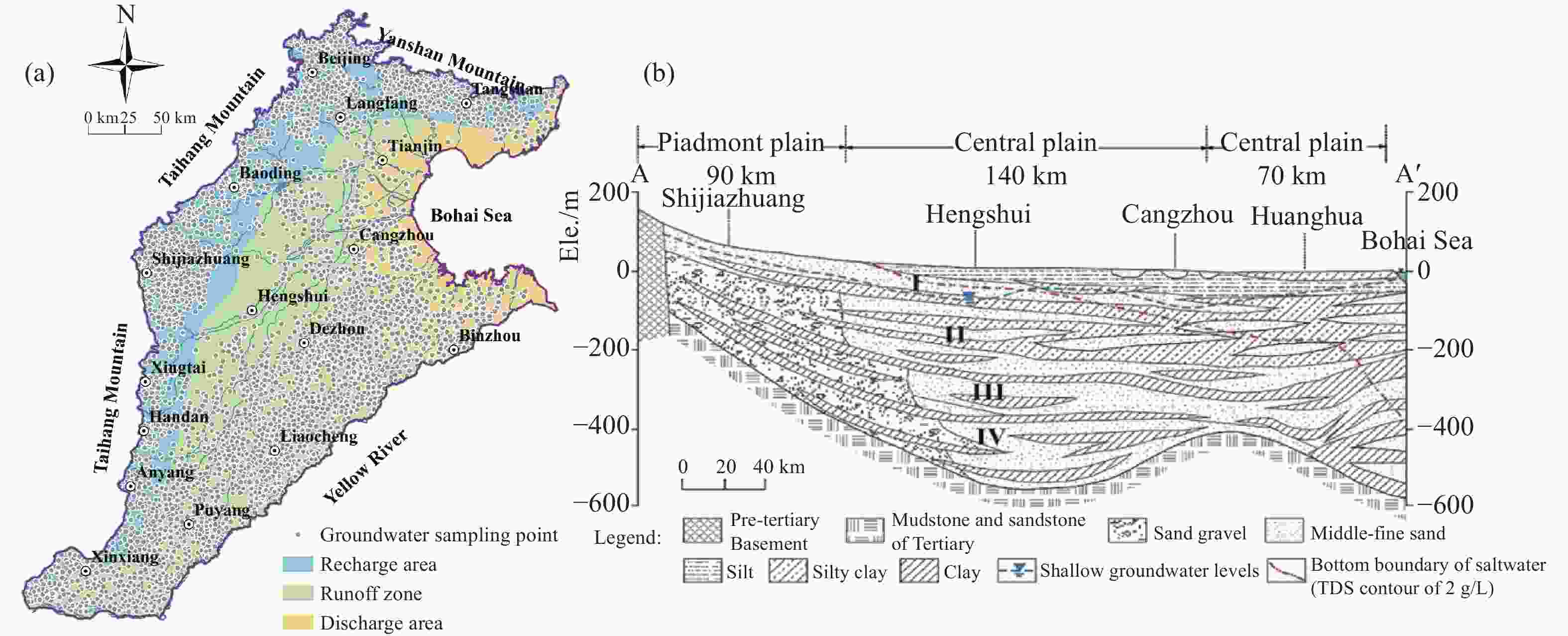
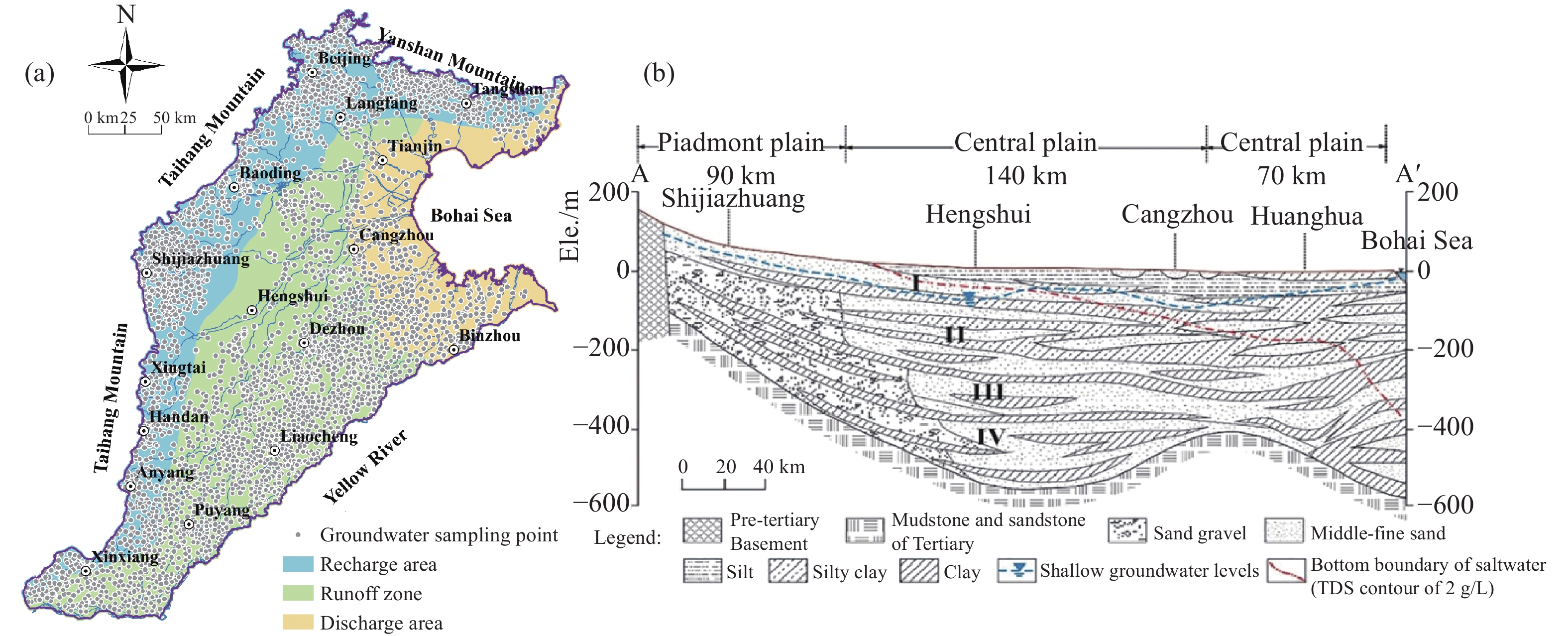
Figure 1. Zoning of recharge, runoff and discharge areas (a) and hydrogeological section (b) of the North China Plain (Han et al., 2021)
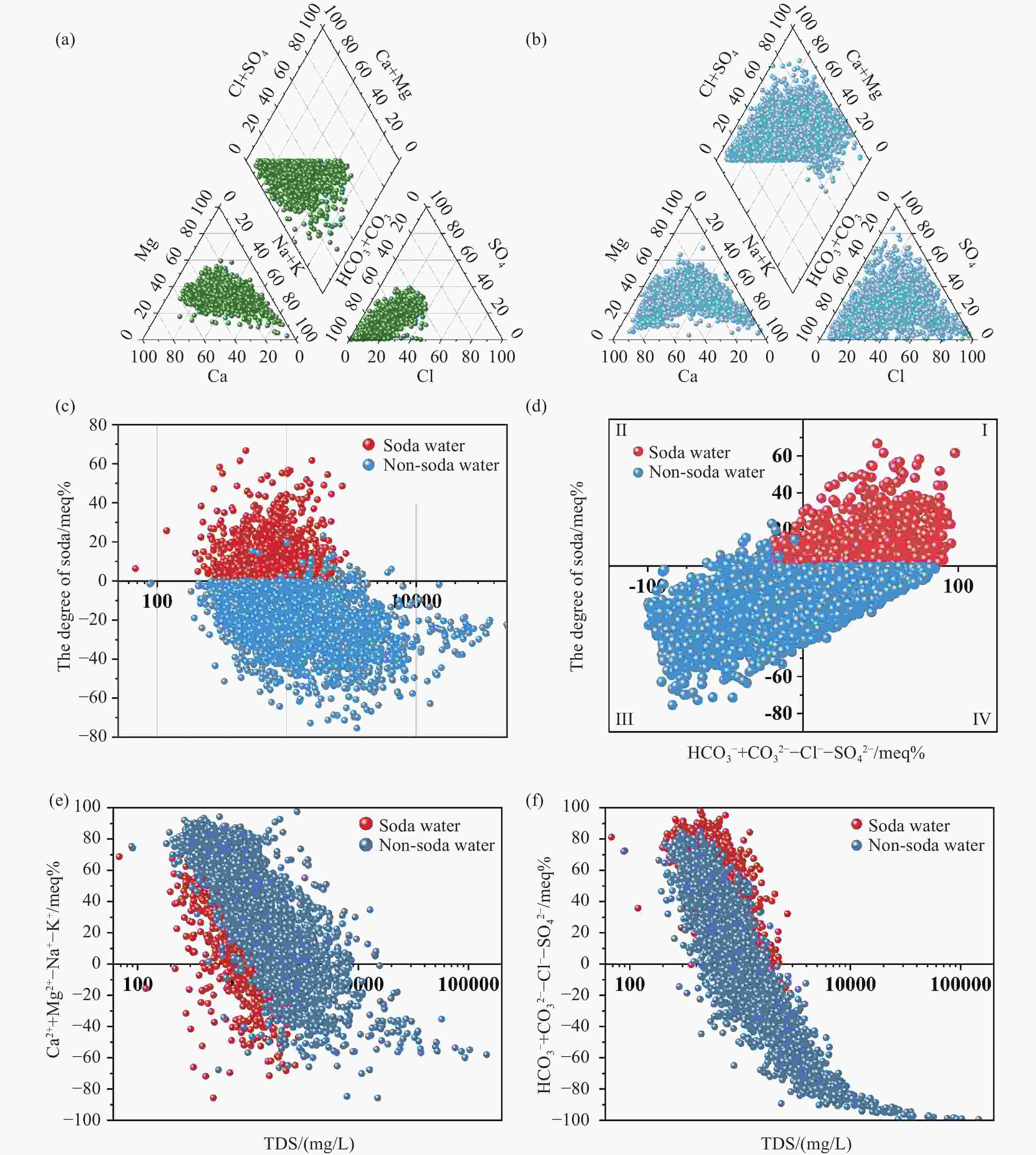
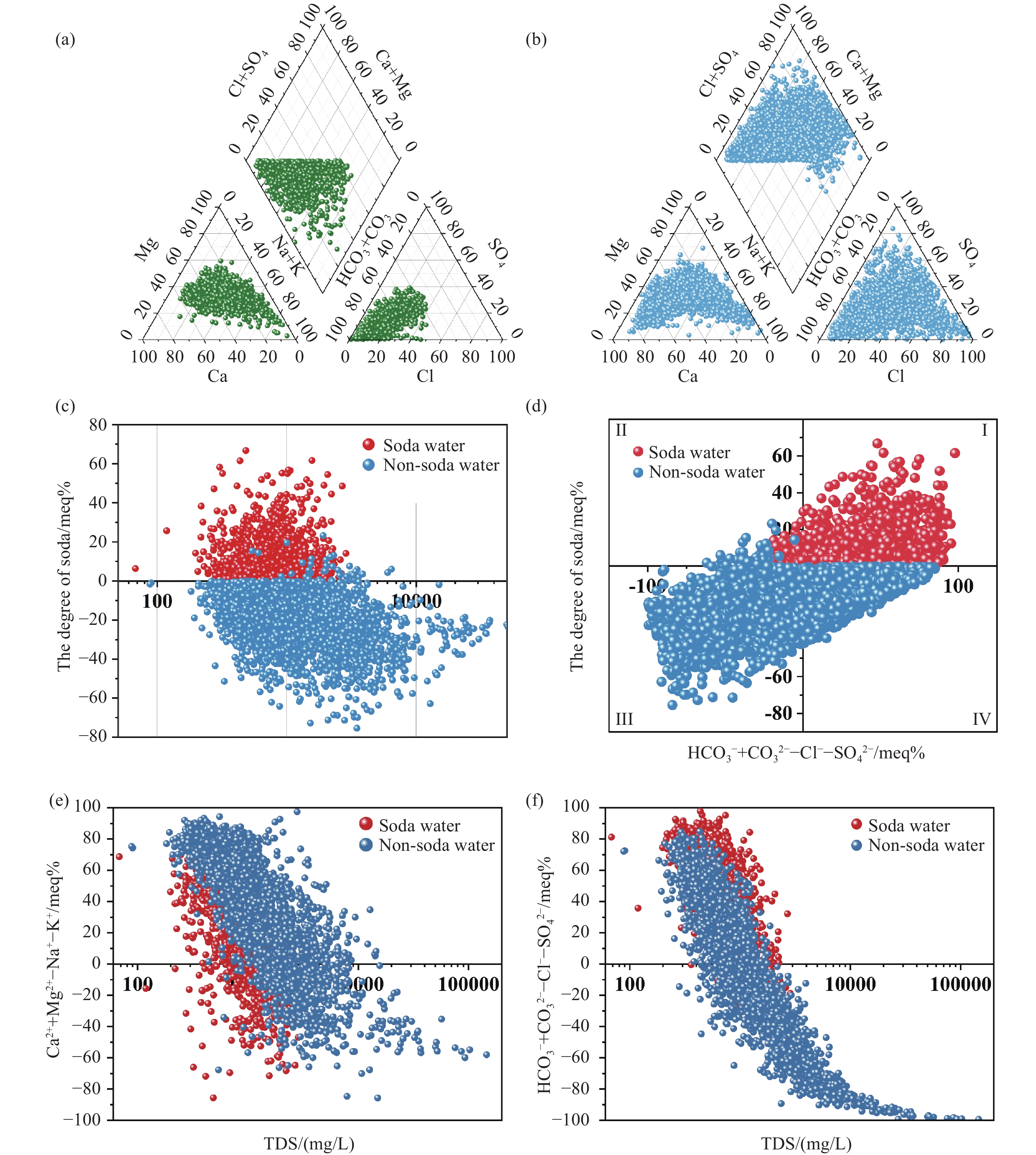
Figure 2. Hydrogeochemical signatures of soda water vs. Non-soda water
Notes: a- Piper trilinear diagram for soda water; b- Piper trilinear diagram for non-soda water; c- Relationship between groundwater and TDS under different classification criteria; d- Relationship between soda degree and anion difference under different TDS contents; e- Relationship between major anion differences and TDS; f- Relationship between major cation differences and TDS.
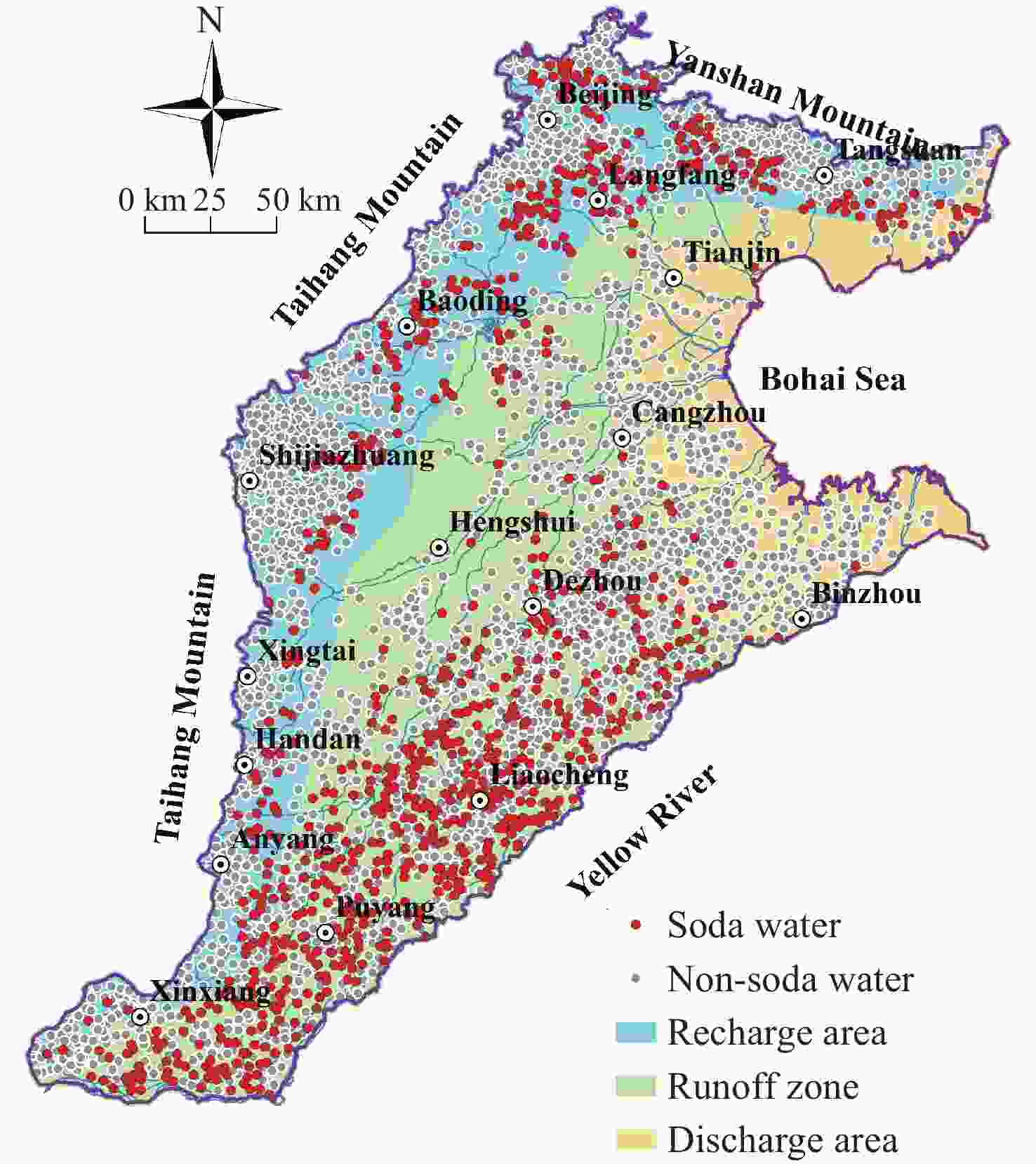
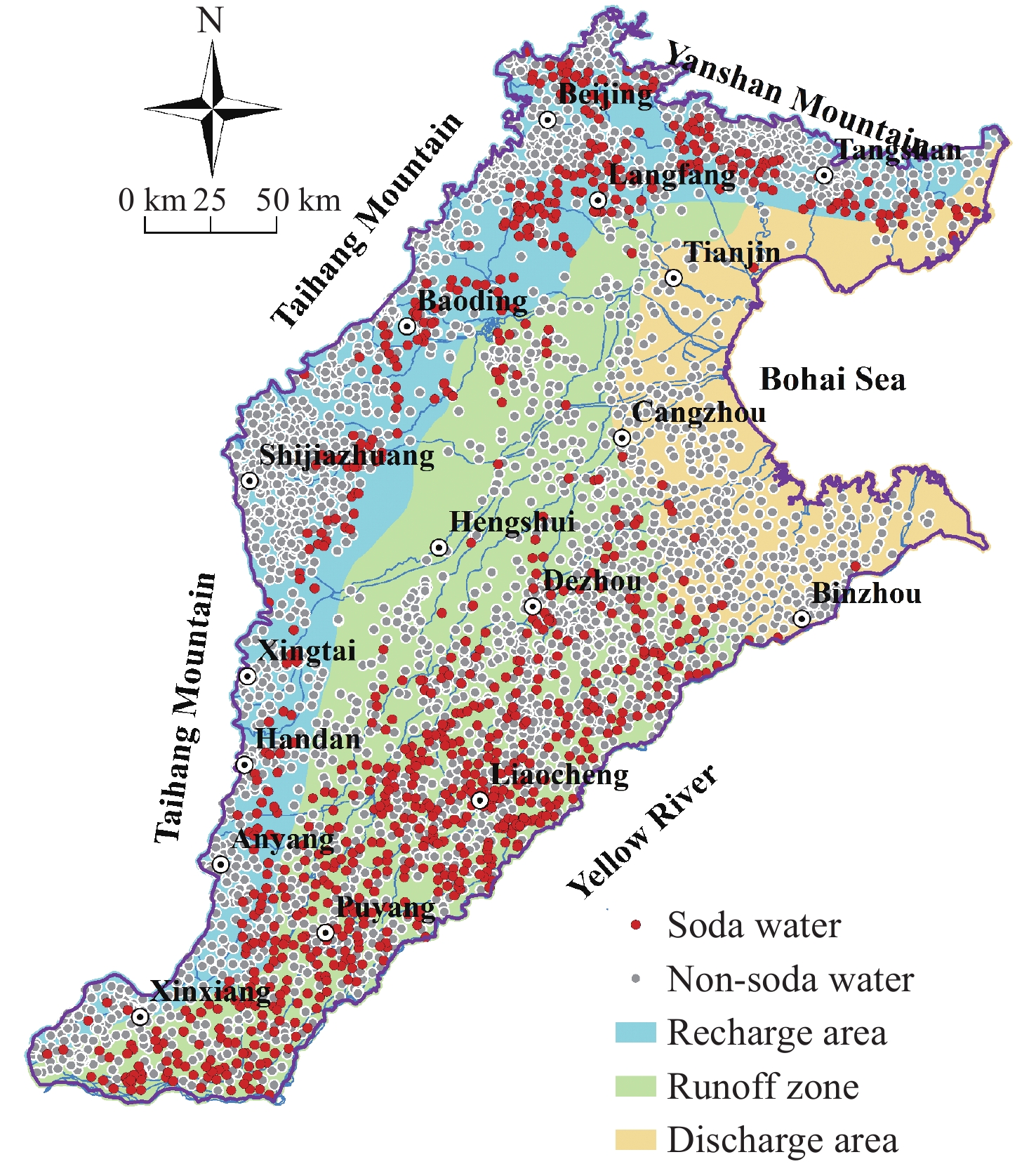
Figure 4. Spatial distribution of soda water vs. non-soda water in unconfined aquifers across the north China Plain
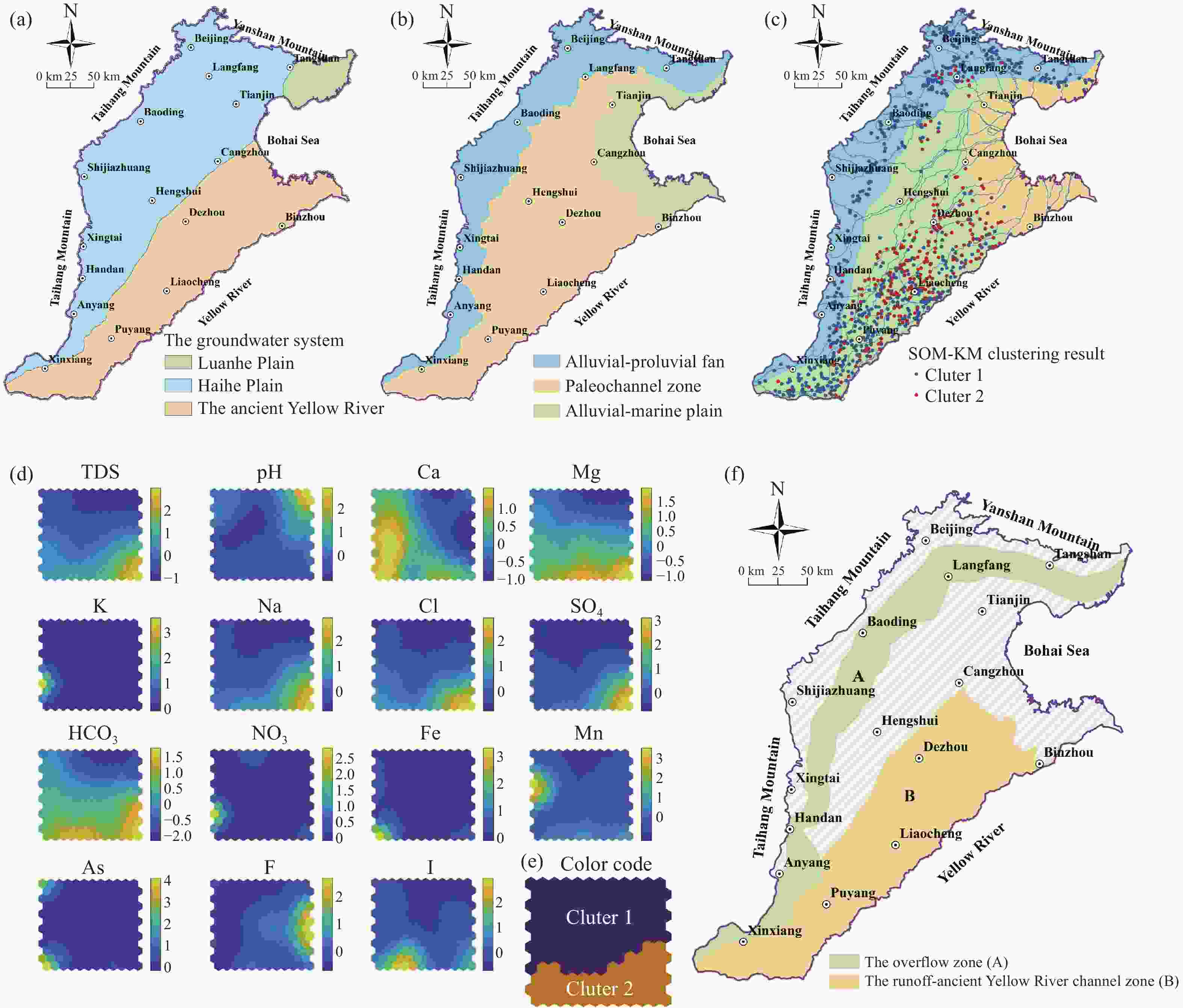
Figure 5. Typification of soda water distribution in the North China Plain
Notes: a- Groundwater system zoning map of the North China Plain (Zhang and Fei, 2009); b- Landform classification map of the North China Plain (Hou and Liu, 2010); c- Spatial distribution map of SOM-KM clustering results; d- Plan view visualization result map; e- Clustering results of KM neurons; f- Typical regional division map.
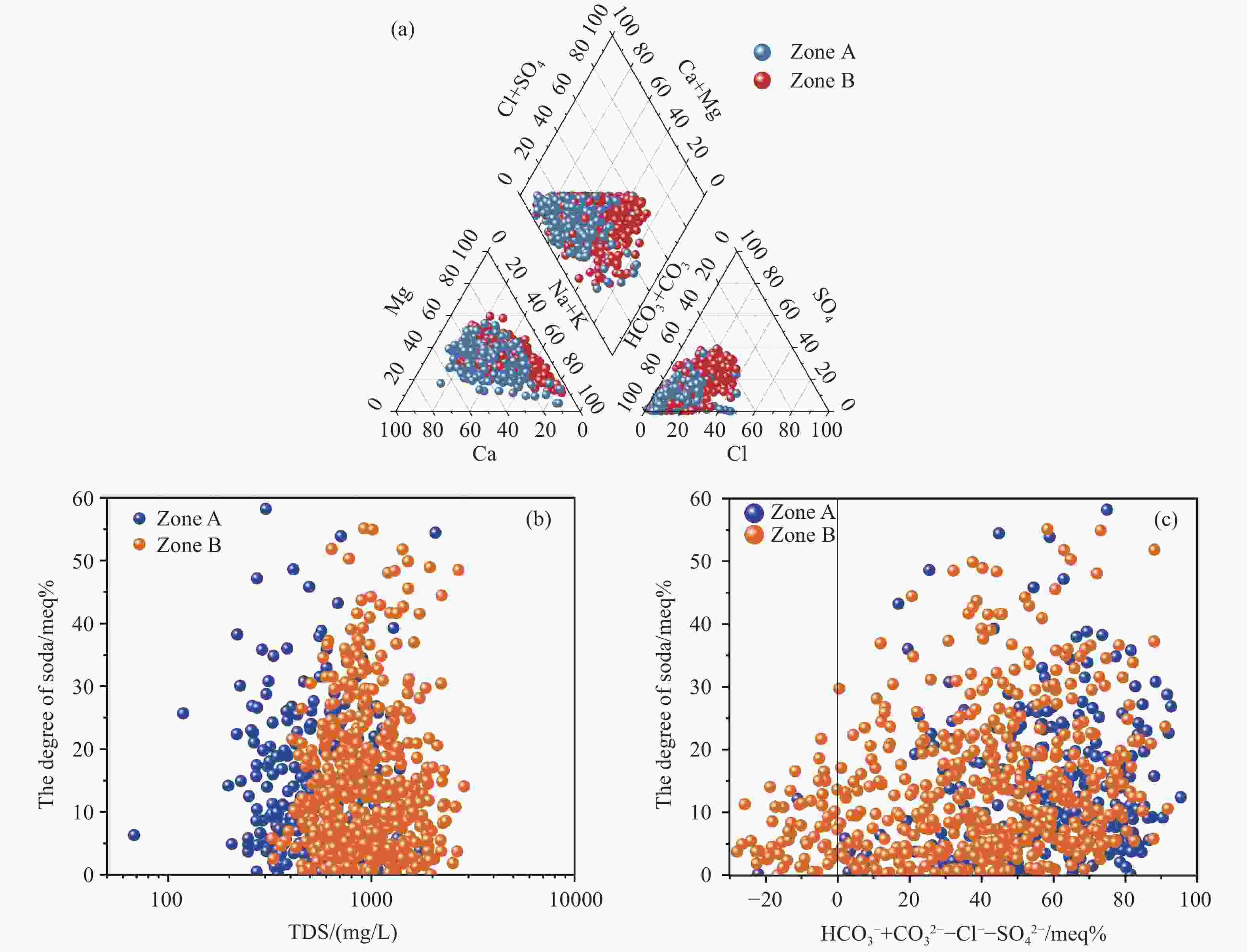
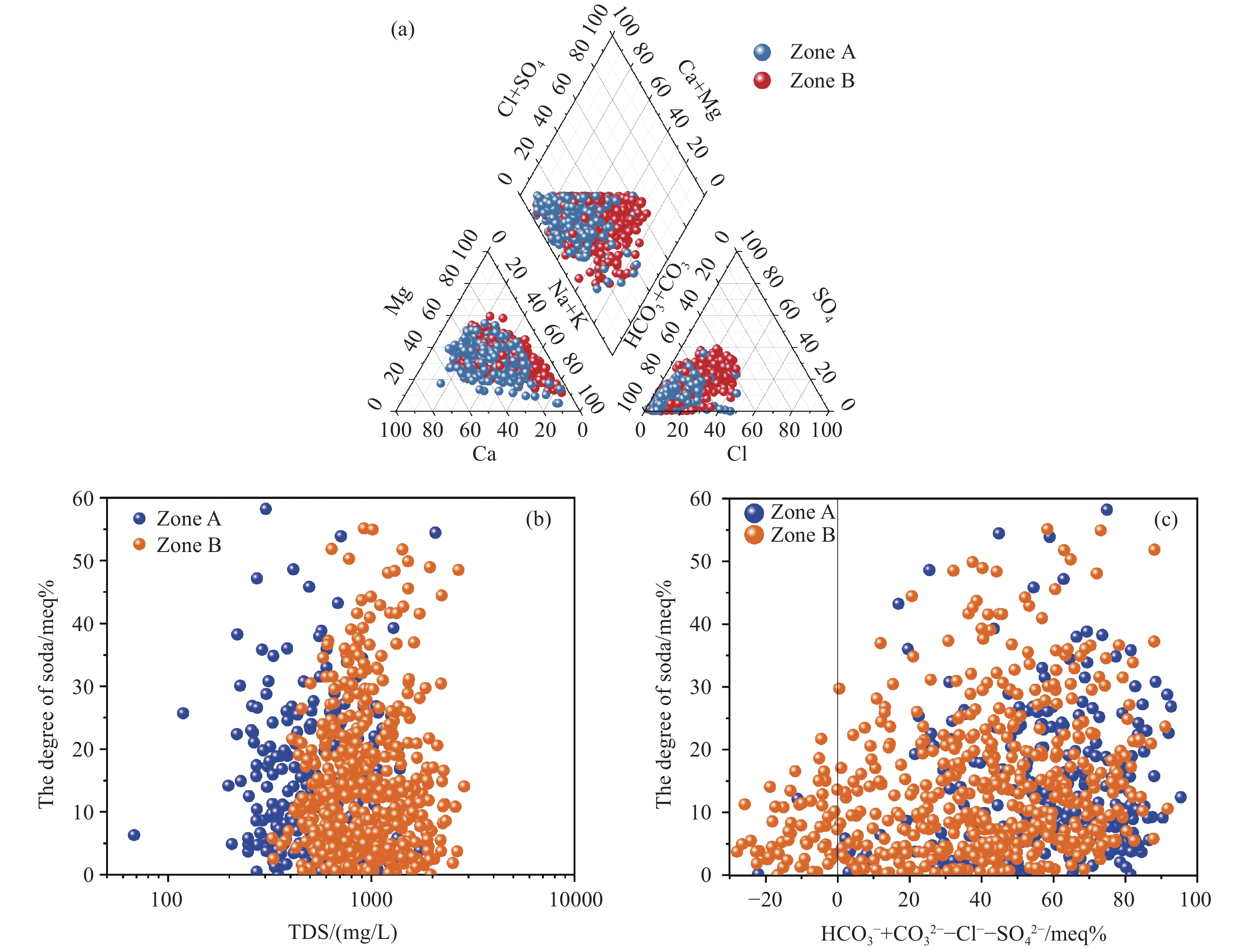
Figure 6. Intercomparison of soda water hydrochemistry in Zone A vs. Zone B
Notes: a - Distribution map of shallow groundwater hydrochemical types in each zone; b - Relationship map between sodification degree and TDS; c - Relationship map between sodification degree and proportion of major anions.
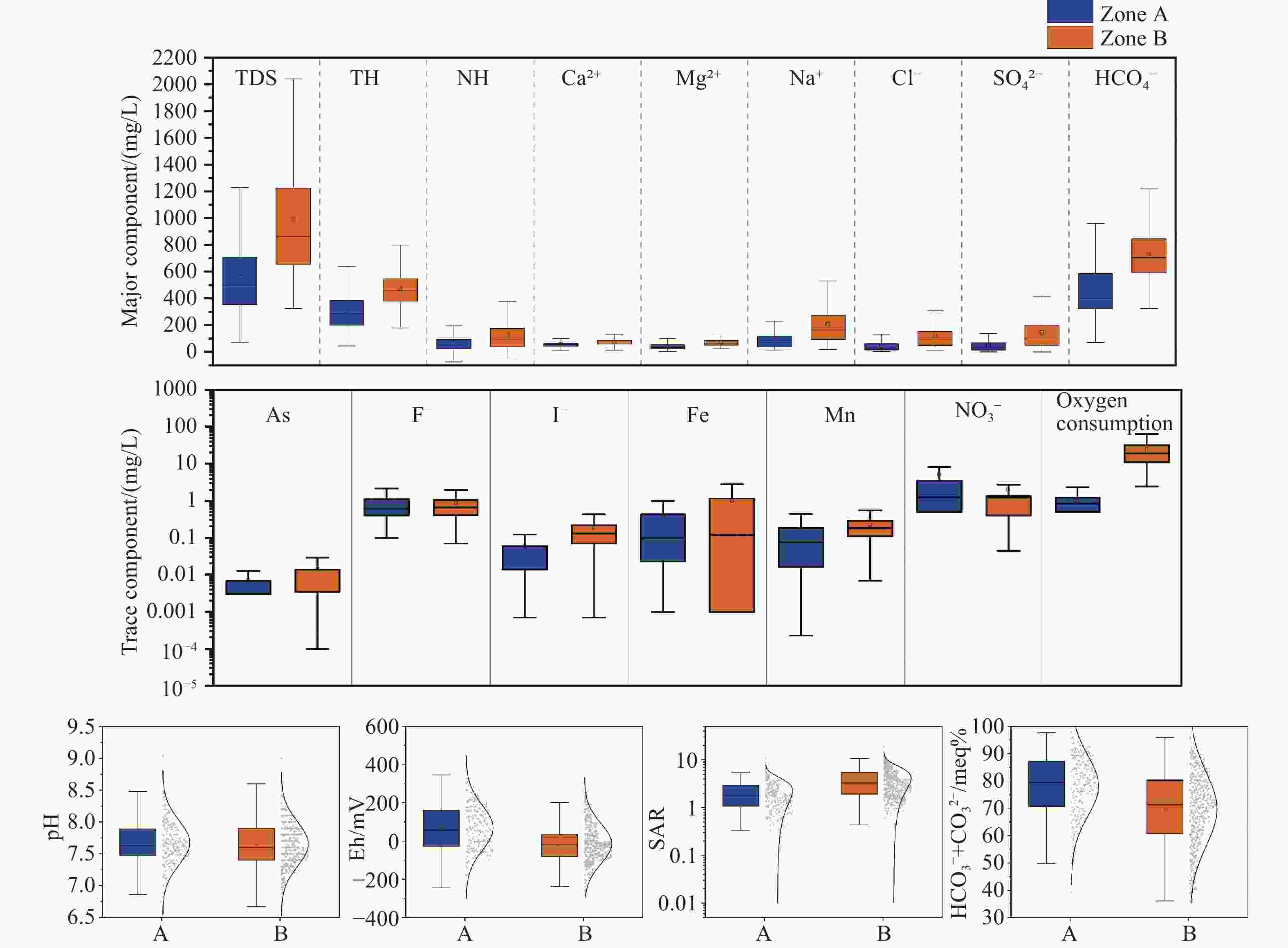
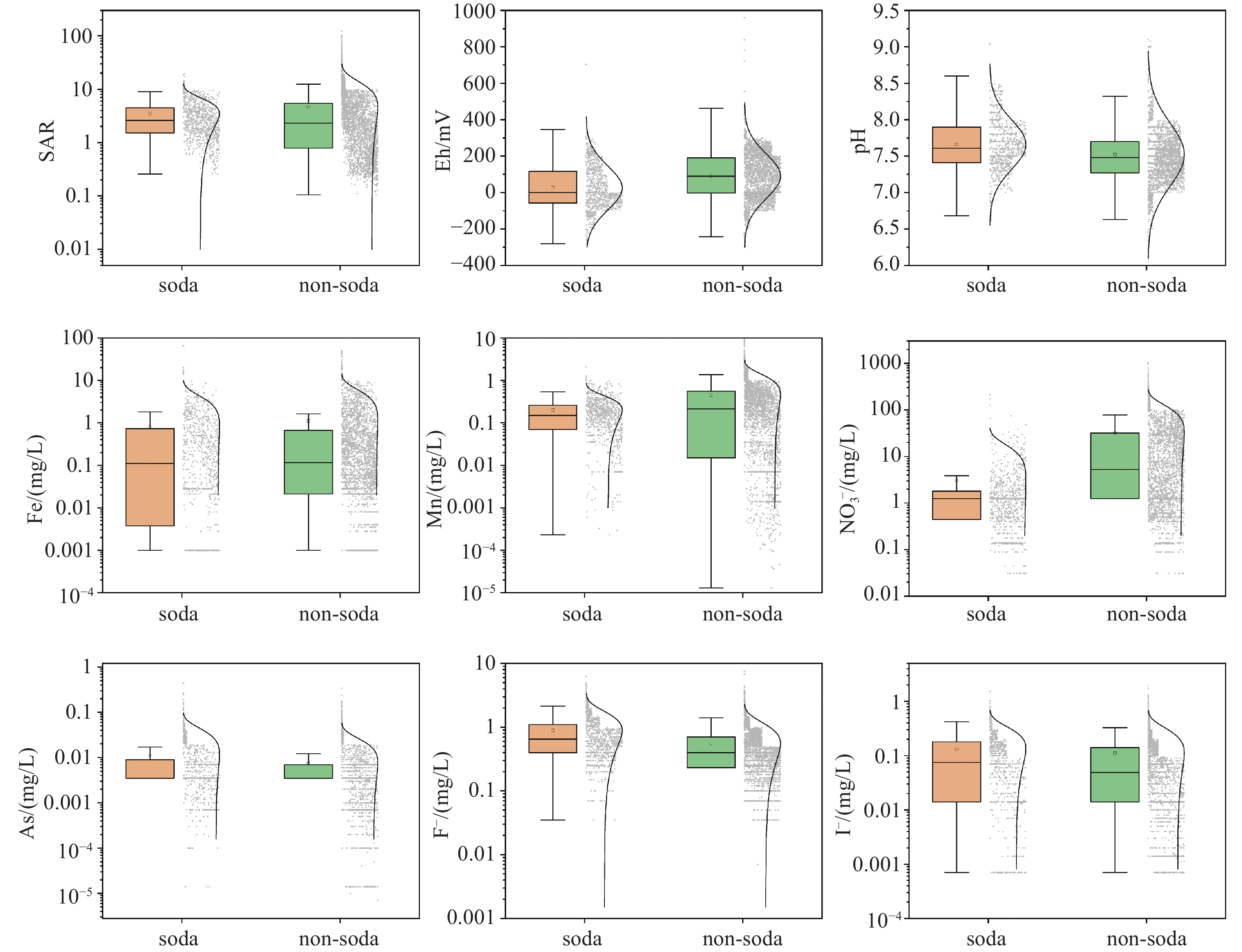
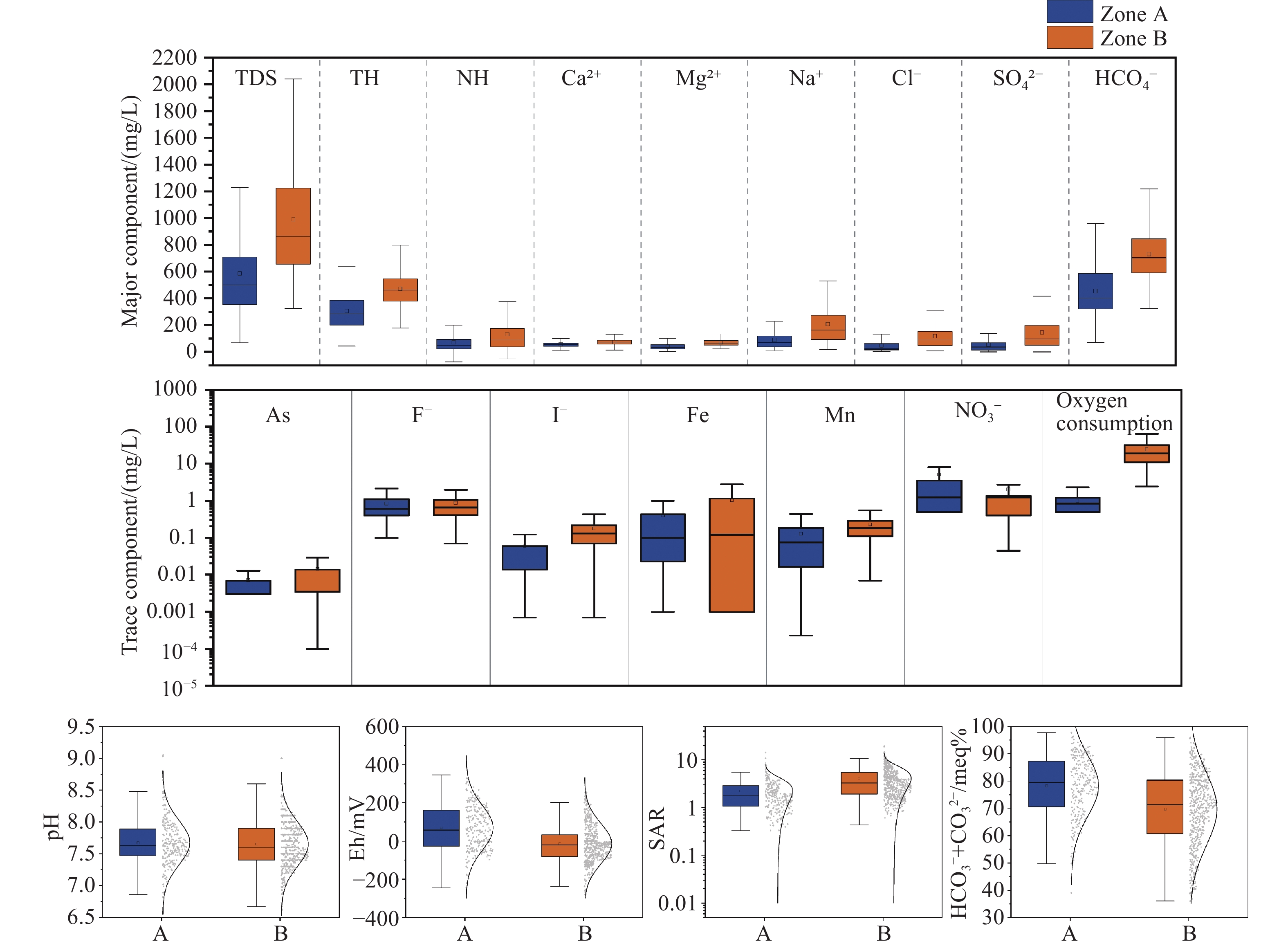
Figure 7. Box plots of major ions and associated components in soda water: Zone A vs. Zone B
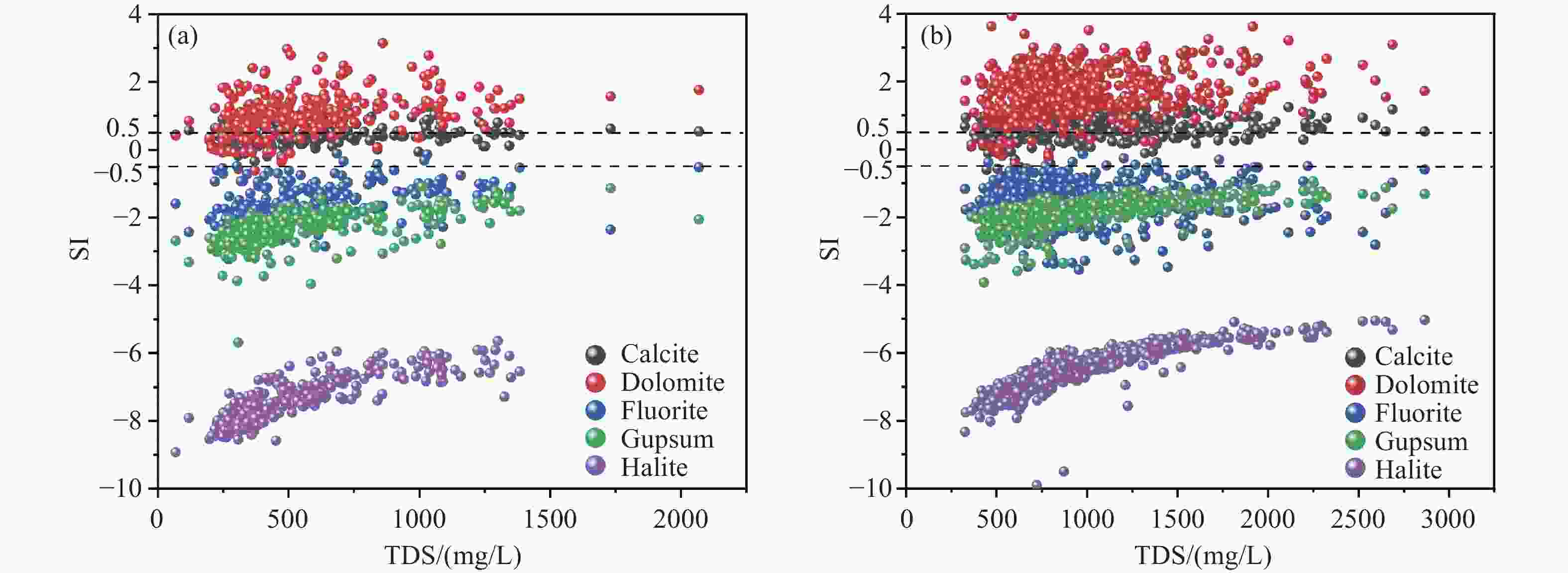
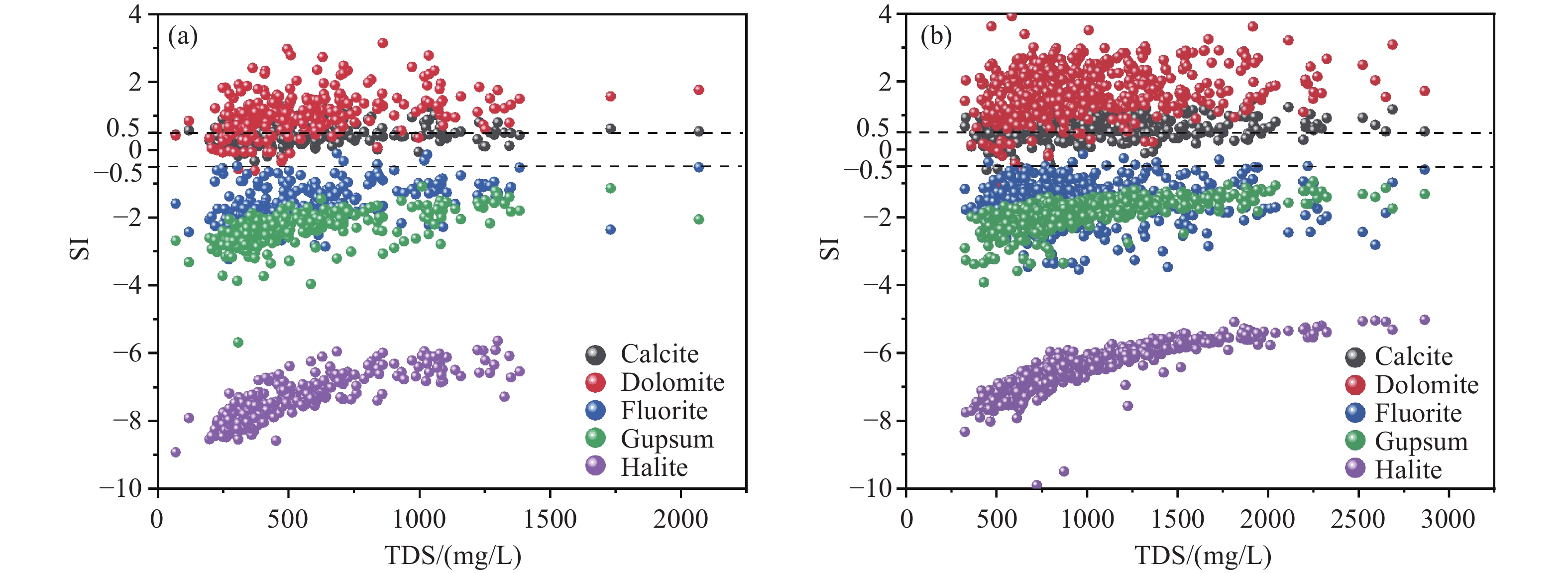
Figure 8. Relationship between mineral Saturation Indices (SI) and TDS in soda water: Zone A (a) and Zone B (b)
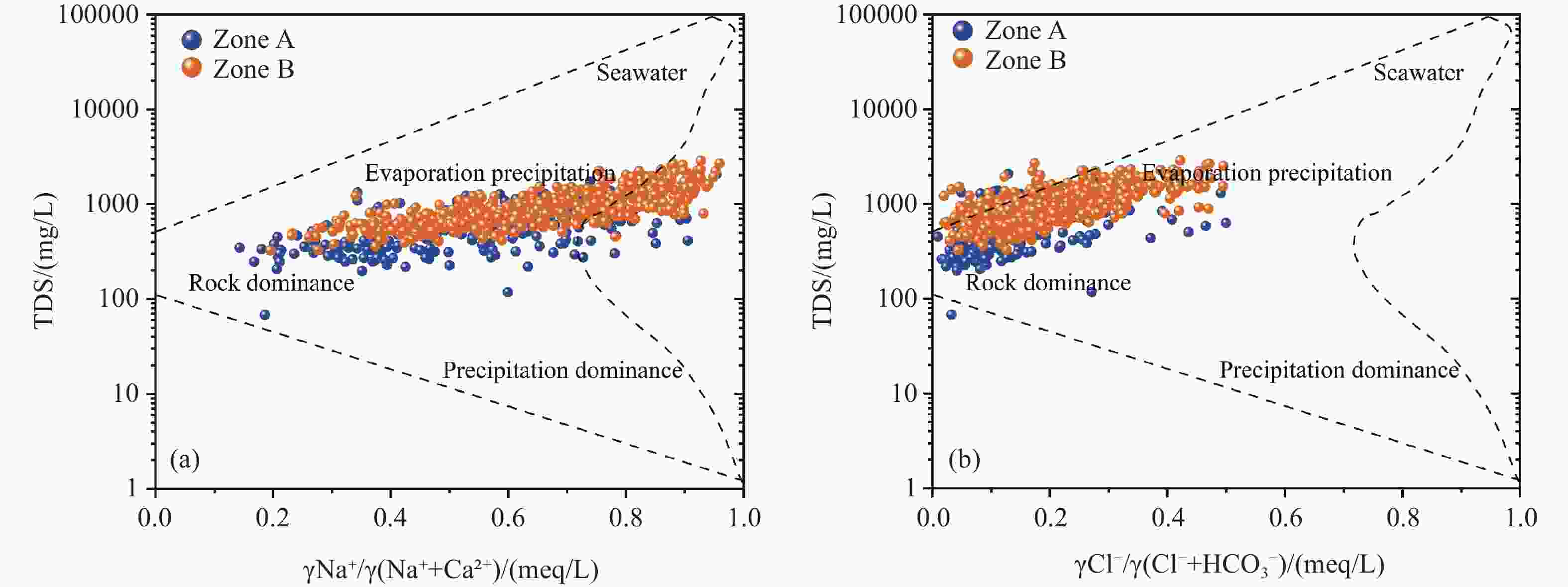
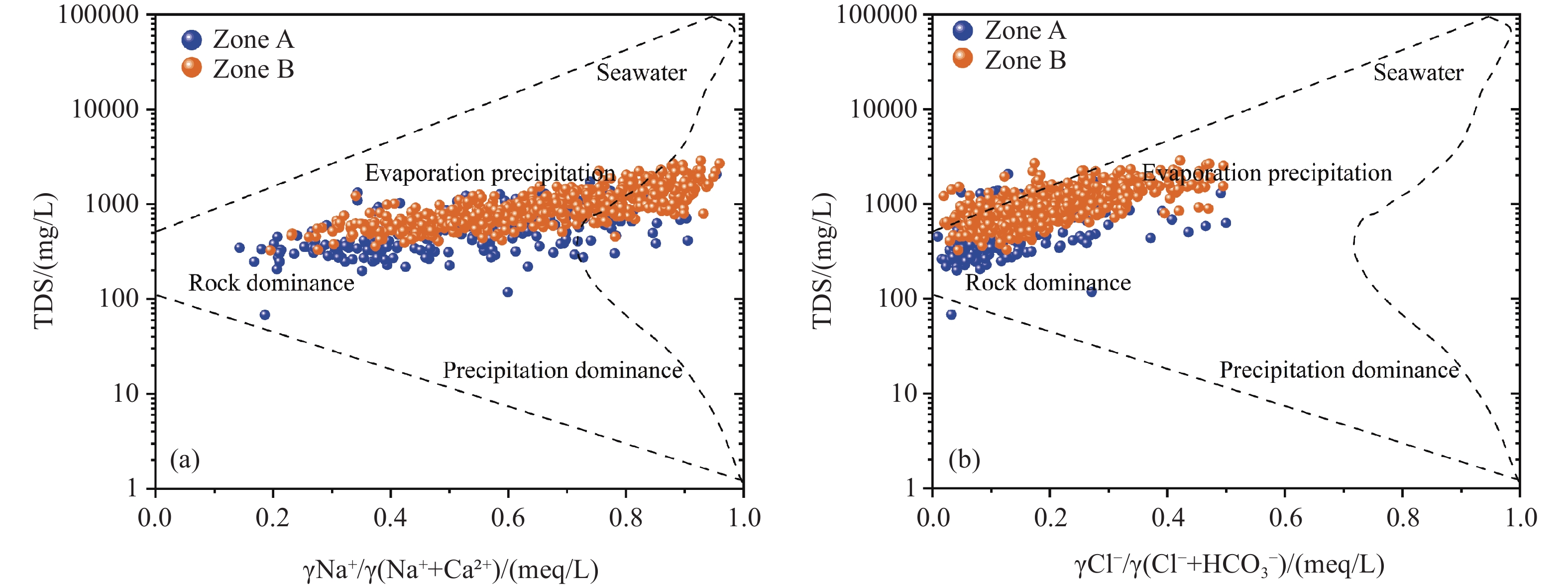
Figure 9. Gibbs diagram analysis of dominant hydrogeochemical processes: Zone A(a) groundwater vs. Zone B(b)
Table 1. Synthesis of genetic mechanistic frameworks for soda water formation
Genetic model Key controls Hydrogeological settings References Deep groundwater circulation coupled with sulfate reduction Calcium carbonate precipitation Fault zones, tectonic activity, sluggish hydrodynamic conditionsSulfate reduction (SO42− → HCO3− conversion) (Cooper et al., 2006)
(Chae et al., 2006)
(Lepokurova, 2020)Evaporation-induced salt accumulation Calcium carbonate precipitation Sand-clay interbedded layers, depression-dominated topographyHigh temperature, low humidity, slow groundwater flowEvaporative enrichment of salts (Lei et al., 2022)
(Shvartsev and Wang, 2006)
(Deocampo, 2010)Marine sediment leaching coupled with ion exchange Ion exchange Connate paleo-seawater in marine sedimentary formationsNa+-Ca2+ cation exchange (Irén et al., 1997) Crystalline rock weathering under water-rock equilibrium conditions Weathering of aluminosilicate minerals Aluminosilicate mineral dissolution, organic matter decompositionSeasonal water table fluctuationsSlow hydrodynamic circulation (Azaria et al., 2023)
(Dutova, 2020)
(Lepokurova and Shvartsev, 2019)
(Hanor et al., 2023) 下载: 导出CSV
Table 2. Breakdown analysis of spatial distribution patterns for soda water hydrochemical clusters
Category Proportion Spatial distribution Component concentrations Hydrochemical types Summary Cluster 1 70.74% Mainly distributed in piedmont alluvial-proluvial fans and near the Yellow River paleochannel TDS and main ion components have low concentrations; among them, pH, Ca2+, and Mn2+ concentrations are at medium levels HCO3-Na
HCO3-Ca·Mg
HCO3-Na·Ca
HCO3-Na·MgLow TDS
Low Fe
High MnCluster 2 29.26% Mainly distributed near the groundwater system in the lower reaches of the ancient Yellow River TDS and main ion components have relatively high concentrations; among them, Mg2+, HCO3−, Fe, and I− concentrations are at relatively high levels HCO3·Cl-Na
HCO3-Na·Mg
HCO3·Cl-Na·Mg
HCO3·SO4-Na·MgHigh TDS
High Fe
High I−
下载: 导出CSV
Table 3. Comparative evaluation of key hydrochemical parameters in Soda water from unconfined aquifers: Zone A vs. zone B across the North China Plain
Hydrochemical index The mountain-front discharge zone (A) The runoff-ancient Yellow River channel zone (B) Max Min Average Median Max Min Average Median The degree of soda (meq%) 58.23 0.06 14.28 11.22 55.14 0.02 13.96 11.15 TDS (mg/L) 2,069 68 584.78 501.15 2,863.71 326 989.87 863.56 pH 9.05 6.82 7.68 7.63 9 6.62 7.65 7.60 Eh 346.10 −245 69.31 57.70 704 −281 −13.44 −20.05 Proportion of soda water 28.34% 60.14%
下载: 导出CSV
Table 4. Principal component analysis results and factor loading matrix
F1 F2 F3 F4 F5 pH −0.01 -0.81 −0.02 −0.03 −0.10 TDS 0.85 0.37 0.17 0.12 −0.05 TH 0.49 0.75 0.34 0.09 −0.05 Ca2+ 0.13 0.68 0.47 0.28 0.01 Mg2+ 0.61 0.63 0.22 −0.05 0.10 K+ 0.02 0.09 −0.06 0.72 0.15 Na+ 0.95 0.04 0.05 0.00 0.01 Cl− 0.78 0.12 0.23 0.13 0.06 SO42− 0.75 0.18 0.02 0.10 −0.04 HCO3− 0.74 0.54 0.21 −0.04 −0.04 Fe 0.03 0.21 0.69 −0.07 0.06 Mn2+ 0.26 0.09 0.82 −0.09 −0.08 As 0.03 0.05 0.00 −0.02 0.96 F− 0.69 −0.36 −0.02 −0.15 0.13 I− 0.49 0.32 −0.33 −0.36 −0.17 NO3− 0.09 0.04 −0.06 0.70 −0.19 Eigenvalue 6.23 2.08 1.13 1.12 1.02 Variance contribution rate (%) 38.92 13.03 7.92 7.01 6.40 Cumulative variance contribution rate (%) 38.92 51.94 59.86 66.87 73.27
下载: 导出CSV
Table 5. Principal component analysis results and factor loading matrix
F1 F2 F3 F4 F5 pH −0.06 -0.61 0.34 0.15 0.15 TDS 0.98 −0.02 0.07 0.04 0.04 TH 0.62 0.66 0.28 0.07 0.07 Ca2+ −0.04 0.87 0.11 0.18 0.18 Mg2+ 0.77 0.32 0.27 −0.02 −0.02 K+ −0.08 −0.04 0.18 −0.11 −0.11 Na+ 0.94 −0.25 −0.00 0.01 0.01 Cl− 0.86 0.08 −0.05 0.08 0.08 SO42− 0.88 −0.11 −0.06 −0.05 −0.05 HCO3− 0.79 0.03 0.28 0.04 0.04 Fe 0.11 0.03 0.19 0.71 0.71 Mn2+ 0.08 0.16 0.72 −0.04 −0.04 As −0.05 0.14 −0.15 0.79 0.79 F− 0.31 -0.61 −0.19 −0.26 −0.26 I− 0.42 −0.12 0.57 0.15 0.15 NO3− 0.25 0.05 −0.09 0.21 0.21 Eigenvalue 5.49 2.40 1.22 1.17 1.17 Variance contribution rate (%) 34.30 14.98 7.61 7.31 7.31 Cumulative variance contribution rate (%) 34.30 49.28 56.89 64.20 64.20
下载: 导出CSV
-
Azaria SL, Julianna S, Emil B. 2023. Review of chemical properties of inland soda and saline waters in East Africa (rift valley region). Journal of Hydrology: Regional Studies, 46: 101323. DOI: 10.1016/j.ejrh.2023.101323. Boros E, Kolpakova M. 2018. A review of the defining chemical properties of soda lakes and pans: An assessment on a large geographic scale of Eurasian inland saline surface waters. PLoS ONE, 13(8): 1−20. DOI: 10.1371/journal.pone.0202205. Chae GT, Yun ST. 2006. Hydrogeochemistry of sodium-bicarbonate type bedrock groundwater in the Pocheon spa area, South Korea: Water-rock interaction and hydrologic mixing. Journal of Hydrology, 321(1): 326−343. DOI: 10.1016/j.jhydrol.2005.08.006. China Geological Survey. 2008. Specification for geological investigation and assessment of groundwater pollution: DD 2008-01. Beijing: China Geological Survey. (in Chinese). Chen P, Wang W, Wang GM, et al. 2022. Distribution characteristics of soil salinization in the east coastal plain of Cangzhou. North China Geology, 45(3): 36−43. (in Chinese). DOI: 10.19948/j.12-1471/P.2022.03.06. Chen ZY, Qi JX, Xu JM, et al. 2003. Paleoclimatic interpretation of the past 30 ka from isotopic studies of the deep confined aquifer of the North China plain. Applied Geochemistry, 18(7): 997−1009. DOI: 10.1016/S0883-2927(02)00206-8. Cooper M, Tweed SO, Ahearne D, et al. 2006. Controls on chemistry during fracture-hosted flow of cold CO2-bearing mineral waters, Daylesford, Victoria, Australia: Implications for resource protection. Applied Geochemistry, 21(2): 289−304. DOI: 10.1016/j.apgeochem.2005.09.011. Deocampo DM. 2010. The geochemistry of continental carbonates. Developments In Sedimentology, 62(1): 1−60. DOI: 10.1016/s0070-4571(09)06201-3. Dutova E. 2020. Geochemistry of fresh groundwater in the Altai-Sayan folded area and adjacent areas of the West Siberian plate. Applied Geochemistry, 120: 104673. DOI: 10.1016/j.apgeochem.2020.104673. Grobe M, Machel HJ. 2002. Saline groundwater in the Münsterland Cretaceous Basin, Germany: Clues to its origin and evolution. Marine and Petroleum Geology, 19(3): 307−322. DOI: 10.1016/S0264-8172(02)00019-3. Haaf E, Barthel R. 2018. An inter-comparison of similarity-based methods for organisation and classification of groundwater hydrographs. Journal of Hydrology, 559: 222−237. DOI: 10.1016/j.jhydrol.2018.02.035. Han DM, Currell MJ, Guo HM. 2021. Controls on distributions of sulphate, fluoride, and salinity in aquitard porewater from the North China Plain: Long-term implications for groundwater quality. Journal of Hydrology, 603: 126828. DOI: 10.1016/j.jhydrol.2021.126828. Hanor JS, Wendeborn FC, et al. 2023. Origin of sodium bicarbonate groundwaters, Southern Hills Aquifer System, USA by silicate hydrolysis. Applied Geochemistry, 148: 105512. DOI: 10.1016/j.apgeochem.2022.105512. Han SB, Zhou YZ, Zheng Y, et al. 2024. Formation mechanism and source apportionment of hydrochemical components in groundwater in the Yinchuan Plain. Environmental Science, 45(8): 4577−4588. (in Chinese). DOI: 10.13227/j.hjkx.202308211. Hou CT, Liu XD. 2010. Atlas of hydro-geo-environmental conditions in the North China Plain. Beijing: Geological Publishing House. (in Chinese). Huang YH, Yang J, Yu X, et al. 2025. Hydrogeochemical analysis and paleo-hydrogeological modeling of shallow groundwater salinization processes in North China Plain. Journal of Hydrology, 651: 132616. DOI: 10.2139/ssrn.4720574. Irén Varsányi, Matray JM, Lajos Ó Kovács. 1997. Geochemistry of formation waters in the Pannonian Basin (southeast Hungary). Chemical Geology, 140(1): 89−106. DOI: 10.1016/S0009-2541(97)00045-4. Lei M, Zhou JL, Liang X, et al. 2022. Hydrochemical characteristics of pore water and genesis of soda water in the middle of the northern piedmont of Tianshan Mountain, Xinjiang. Earth Science, 47(2): 674−688. (in Chinese). DOI: 10.3799/dqkx.2021.027. Lepokurova OE, Shvartsev SL. 2019. Geochemistry of soda waters of the Chulym-Yenisei Artesian Basin (West Siberia). Russian Geology and Geophysics, 60(5): 558−569. DOI: 10.15372/RGG2019044. Lepokurova OE. 2020. Sodium-bicarbonate groundwaters in southeastern West Siberia, Russia: Compositions, types, and formation conditions. Applied Geochemistry, 116: 104579. DOI: 10.1016/j.apgeochem.2020.104579. Li J, Zou SZ, Zhao Y, et al. 2021. Major ionic characteristics and factors of karst groundwater at Huixian Karst Wetland, China. Environmental Science, 42(04): 1750−1760. (in Chinese). DOI: 10.13227/j.hjkx.202009027. Liu F, Song XF, Yang LH, et al. 2015. The role of anthropogenic and natural factors in shaping the geochemical evolution of groundwater in the Subei Lake Basin, Ordos energy base, Northwestern China. Science of the Total Environment, 538: 327−340. DOI: 10.1016/j.scitotenv.2015.08.057. Liu HY, Liu MH, Zhang WM, et al. 2022. Distribution and fractionation of rare earth elements in high fluoride groundwater from the North China Plain. Earth Science Frontiers, 29(03): 129−144. (in Chinese). DOI: 10.13745/j.esf.sf.2021.7.24. Ma M, Zuo Z, Han YD, et al. 2025. Origin of surface substrate for soil salinization and alkalization in the Songnen Plain. Natural Resources and Remote Sensing, 37(2): 128−139. (in Chinese). DOI: 10.6046/zrzyyg.2023330. Mansouri, Katharina, Greupner, et al. 2024. Acid-base balance in healthy adults: Beneficial effects of bicarbonate and sodium-rich mineral water in a randomized controlled trial: The bicarbo water study. Journal of Nutrition and Metabolism, 2024(1): 1−14. DOI: 10.1155/2024/3905500. Mao HR, Wang GC, Rao Z, et al. 2021. Deciphering spatial pattern of groundwater chemistry and nitrogen pollution in Poyang Lake Basin (Eastern China) using self-organizing map and multivariate statistics. Journal of Cleaner Production, 329: 129697. DOI: 10.1016/j.jclepro.2021.129697. Matiatos I. 2016. Nitrate source identification in groundwater of multiple land-use areas by combining isotopes and multivariate statistical analysis: A case study of Asopos basin (Central Greece). Science of the Total Environment, 541: 802−814. DOI: 10.1016/j.scitotenv.2015.09.134. Meng SH. 2011. Research of groundwater vulnerability assessment and pollution prevention and treatment regionalization in North China Plain. M. S. thesis. Beijing: Chinese Academy of Geological Sciences. (in Chinese). Qian TW, Cao YQ, Liu SX. 1995. Discussion on the thermodynamic model of shallow soda water formation in Qian'an Area, Jilin Province. Hydrogeology and Engineering Geology, 22(6): 22−26. (in Chinese). DOI: 10.16030/j.cnki.issn.1000-3665.1995.06.010. Ravish S, Setia B, Deswal S. 2020. Groundwater quality analysis of northeastern haryana using multivariate statistical techniques. Journal of the Geological Society of India, 95(4): 407−416. DOI: 10.1007/s12594-020-1450-z. Safia K, Abderrahmane B. 2018. Multivariate statistical characterization of groundwater quality in Fesdis, East of Algeria. Journal of Water and Land Development, 37(1): 65−74. DOI: 10.2478/jwld-2018-0026. Shvartsev SL, Wang YX. 2006. Geochemistry of sodic waters in the Datong intermountain basin, Shanxi Province, Northwestern China. Geochemistry International, 44(10): 1015−1026. DOI: 10.1134/S0016702906100065. Si CS, Zhang RH, Yao GS, et al. 2016. Tectonism and hydrocarbon preservation conditions of Qianbei depression and its margin. Journal of China University of Mining and Technology, 45(5): 1010−1021. (in Chinese). DOI: 10.13247/j.cnki.jcumt.000493. Tang H, Chen J, Qian H. 2012. Application of saturation index to research of water-rock interaction and its sensitivity analysis. Journal of Water Resources and Hydraulic Engineering, 23(06): 180−183. (in Chinese). Talib MA, Tang Z, Shahab A, et al. 2019. Hydrogeochemical characterization and suitability assessment of groundwater: A case study in Central Sindh, Pakistan. International Journal of Environmental Research and Public Health, 16(5): 886. DOI: 10.3390/ijerph16050886. Wang JC, Zhang Y, Wen JL, et al. 2015. Temporal and spatial changing features of climate in North China Plain. Geoscience, 29(2): 299−306. (in Chinese). DOI: 10.3969/j.issn.1000-8527.2015.02.012. Wang YX, Shvartsev SL, So CL. 2009. Genesis of arsenic/fluoride-enriched soda water: A case study at Datong, Northern China. Applied Geochemistry, 24(4): 641−649. DOI: 10.1016/j.apgeochem.2008.12.015. Wang YX, Li JX, Ma T, et al. 2021. Genesis of geogenic contaminated groundwater: As, F and I. Critical Reviews in Environmental Science and Technology, 51(24): 1−39. DOI: 10.1080/10643389.2020.1807452. Wang ZR, Tian X, Wu X. 2018. Hydrochemical characteristics and quality assessment of shallow groundwater and CBM co-produced water in the Shizhuangnan block, Qinshui Basin, China. Environmental Earth Sciences, 77(3): 57. DOI: 10.1007/s12665-017-7212-6. Wang ZH, Zhang SJ. 1998. Discovery and characteristics of high-mineralization sodium bicarbonate-type water in the karamay oilfield. Petroleum Geology and Experiment, 20(1): 39−43. (in Chinese). DOI: 10.11781/sysydz199801039. Wu C. 1999. The impact of river channel changes in the North China Plain on soils and soil salinization. Geography and Territorial Research, 15(4): 70−75. (in Chinese). Xing LN, Guo HM, Wei L, et al. 2012. Evolution feature and gensis of fluoride groundwater in shallow aquifer from North China Plain. Journal of Earth Science and Environment, 34(04): 57−67. (in Chinese). DOI: 10.3969/j.issn.1672-6561.2012.04.008. Xiong Y. 1979. The ecosystem of the Huang-Huai-Hai Plain. Soils, 02: 41−44. (in Chinese). DOI: CNKI:SUN:TURA.0.1979-02-000. Xu PP, Feng WW, Qian H, et al. 2019. Hydrogeochemical characterization and irrigation quality assessment of shallow groundwater in the Central-Western Guanzhong Basin, China. International Journal of Environmental Research and Public Health, 16(9): 1492. DOI: 10.3390/ijerph16091492. Zhang LP, Xie XJ, Li JX, et al. 2013. Hydrochemical and geochemical investigations on high arsenic groundwater from Datong Basin, Northern China. Asian Journal of Ecotoxicology, 8(2): 215−221. DOI: 10.7524/AJE.1673-5897.20121223002. Zhang ZJ, Fei YH, Chen ZY. 2009. Investigation and evaluation of sustainable utilization of groundwater in the North China Plain. Beijing: Geological Publishing House. (in Chinese). Zhi CS, Bill XH, Chang WB, et al. 2023. Enrichment mechanism of fluoride and iodine in saline groundwater in the lower flood plain of the Yellow River, Northern China. Journal of Hydrology, 621: 129529. DOI: 10.1016/j.jhydrol.2023.129529. -


 点击查看大图
计量
- 文章访问数: 2552
- HTML全文浏览量: 878
- PDF下载量: 18
- 被引次数: 0


