 E-mail alert
 Rss
Rss



Groundwater level response to different withdrawal scenarios (Case study: Talesh Aquifer, Iran)
-
Abstract: Groundwater resources are vital for sustaining agricultural productivity and ecological balance, particularly in regions facing increasing water demand and climatic variability. This study investigates the response of groundwater levels to different withdrawal scenarios in the Talesh aquifer, northern Iran, using MODFLOW (Modular Finite-Difference Groundwater Flow Model) integrated with the Groundwater Modeling System (GMS) software (Version 10.4). The model was calibrated and validated using observed data from 2005 to 2018 under both steady and transient conditions. Seven scenarios of groundwater extraction were simulated, including 5%, 10% and 15% increases and decreases relative to the baseline withdrawal rates, to evaluate potential impacts on groundwater storage and sustainability from 2019 to 2024. Statistical indices such as Root Mean Square Error (RMSE), Mean Absolute Error (MAE) and Mean Error (ME) confirmed the model's reliability in reproducing observed groundwater levels. Results indicated that maintaining current groundwater withdrawal rates leads to continued groundwater level declines of up to approximately 3.12 m in localized areas of the aquifer, whereas a 15% reduction in groundwater withdrawals can result in substantial groundwater recovery, with water level rises exceeding 2.40 m at specific locations during the simulation period. The results of this study highlight the critical necessity of groundwater withdrawal management policies to balance groundwater withdrawal with natural recharge, ensure water security and support sustainable agriculture.
-
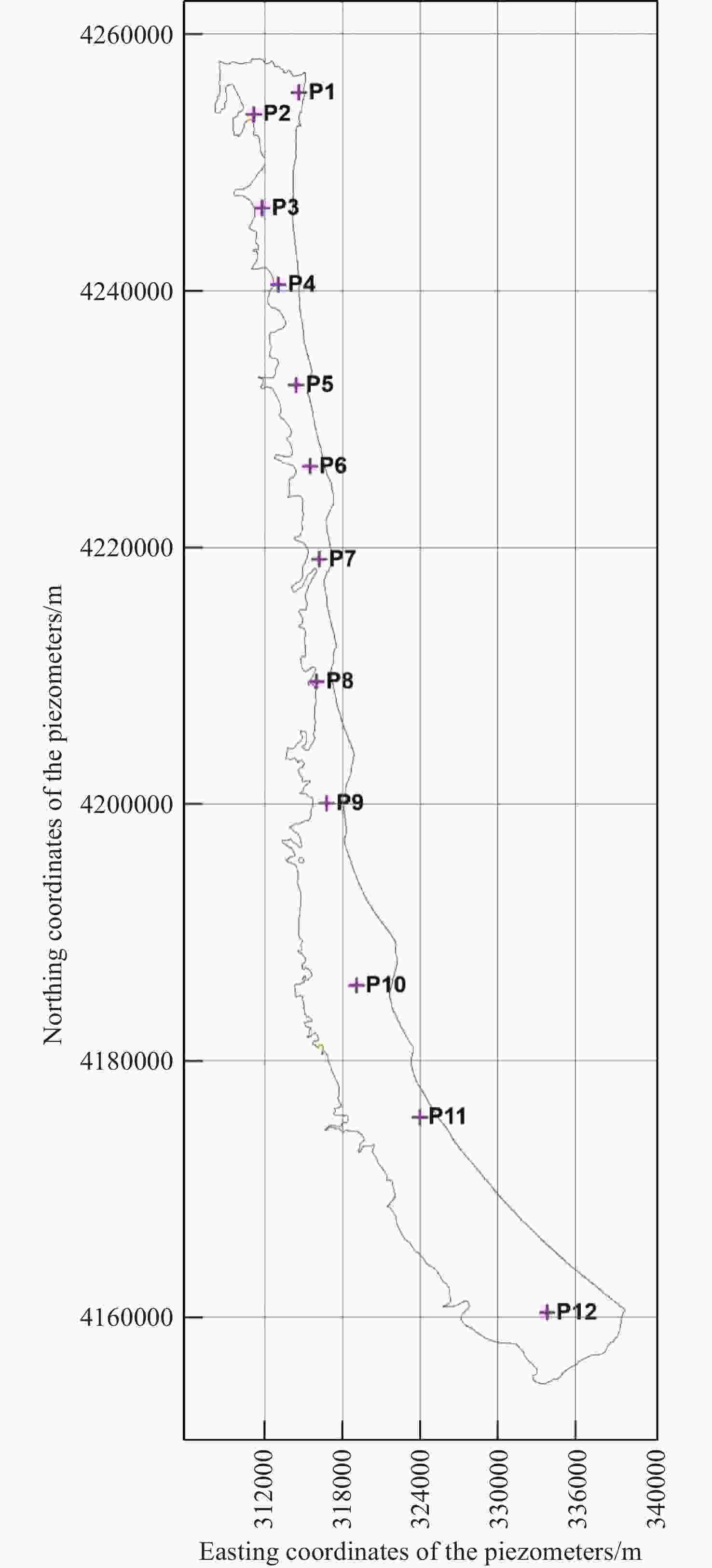
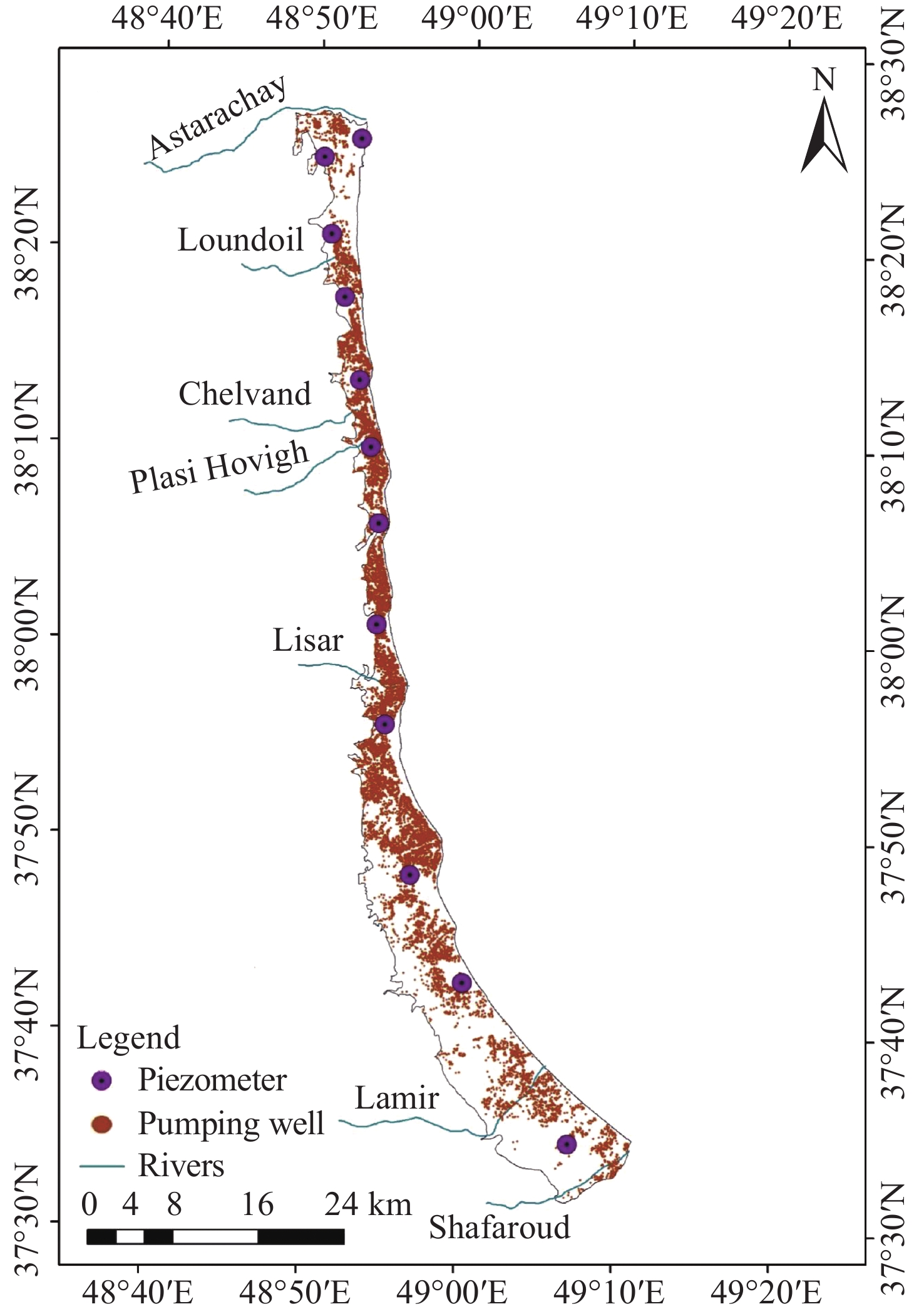
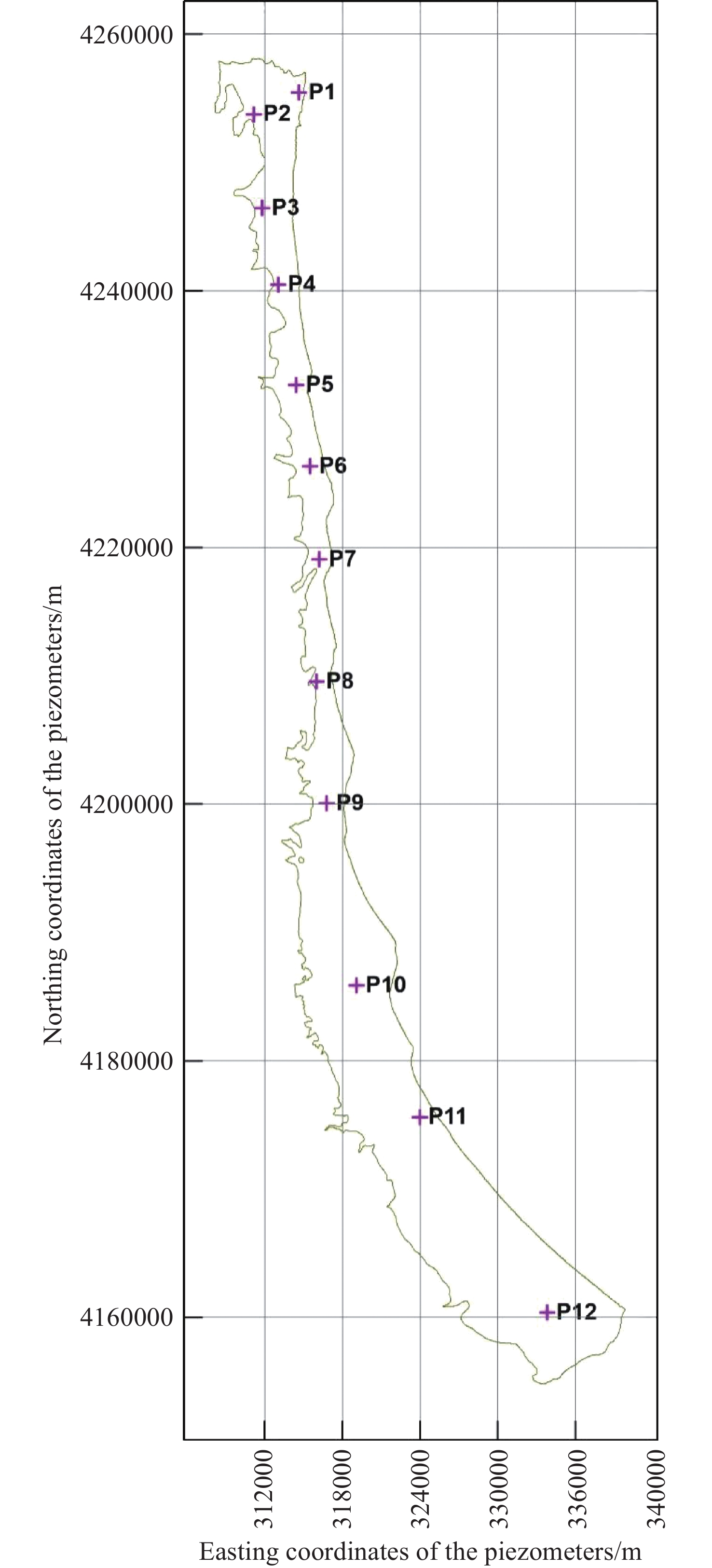
Figure 6. Locations of piezometers in the GMS grid system for the steady-state condition
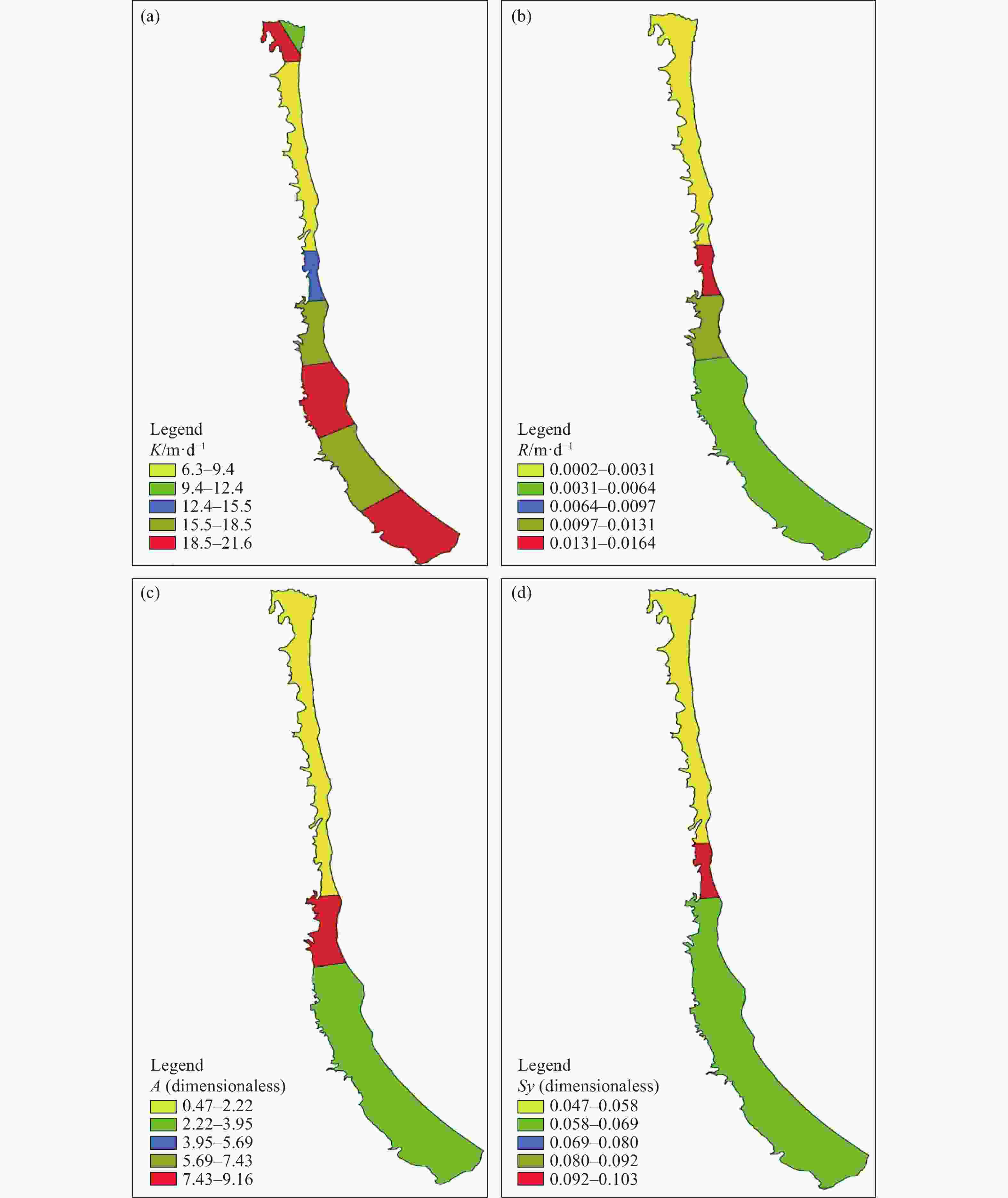
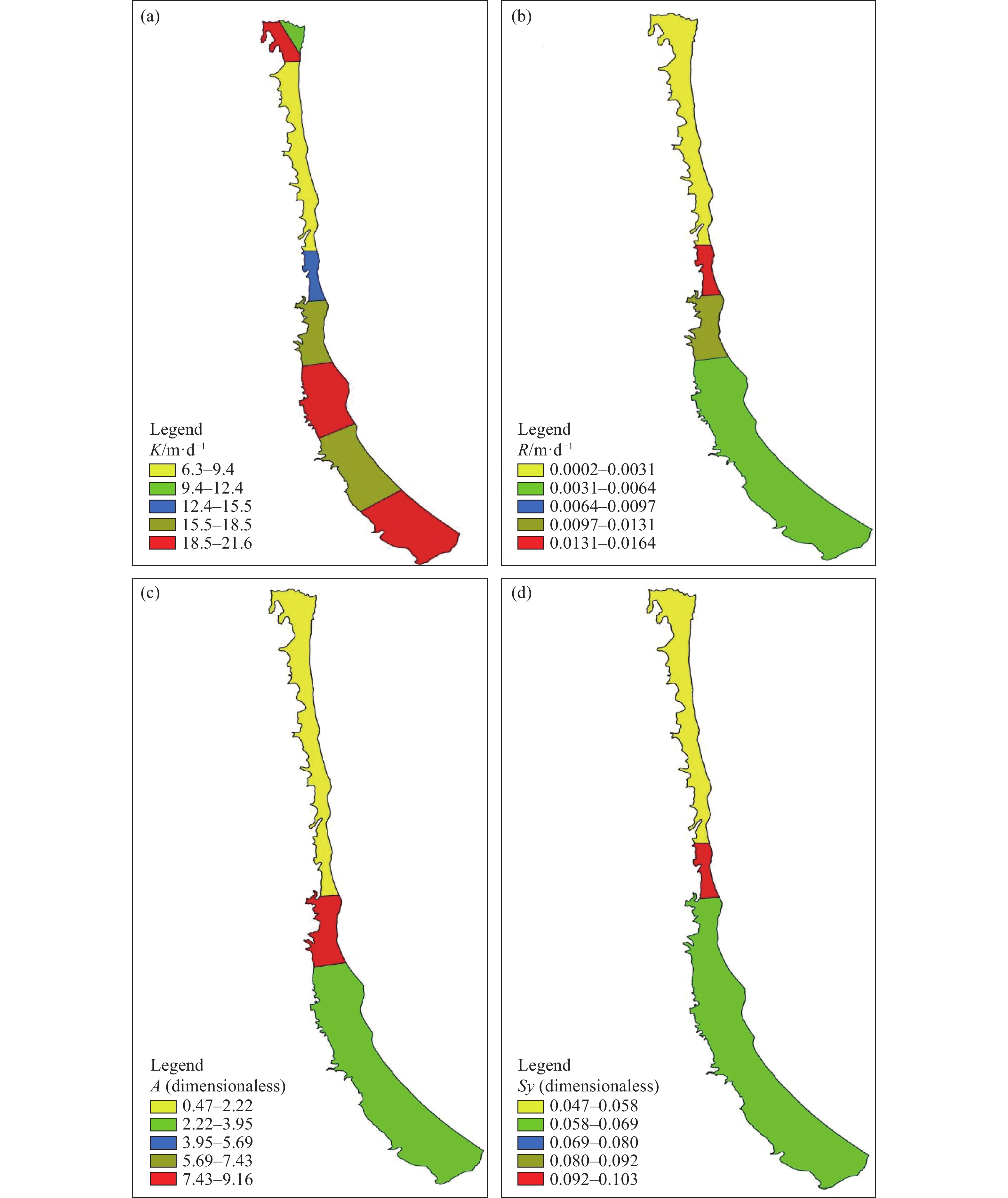
Figure 8. Spatial distribution of hydrogeological parameters in the Talesh aquifer: (a) Hydraulic conductivity (K); (b) Recharge (R); (c) Anisotropy (A) and (d) Specific yield (Sy)
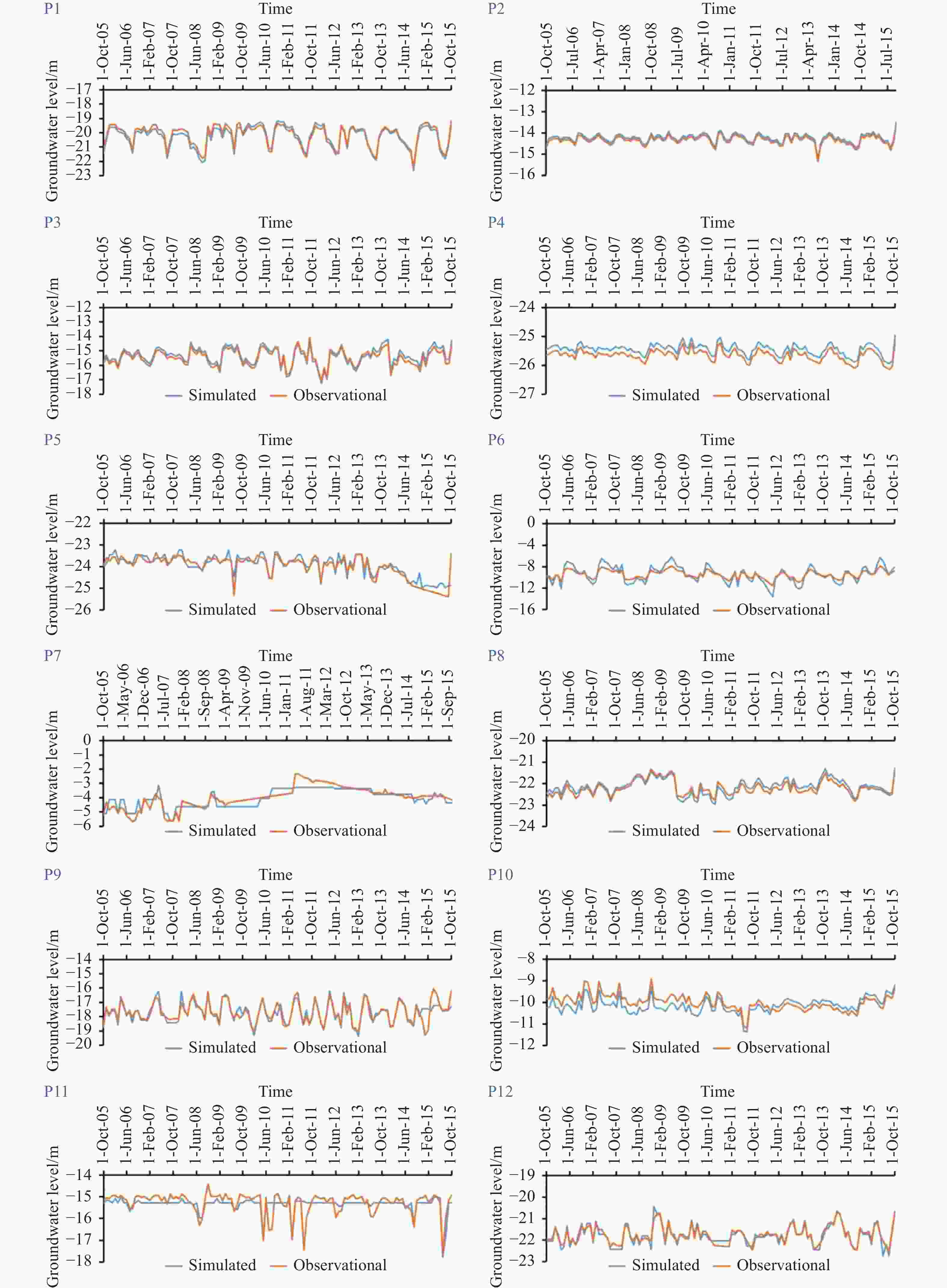
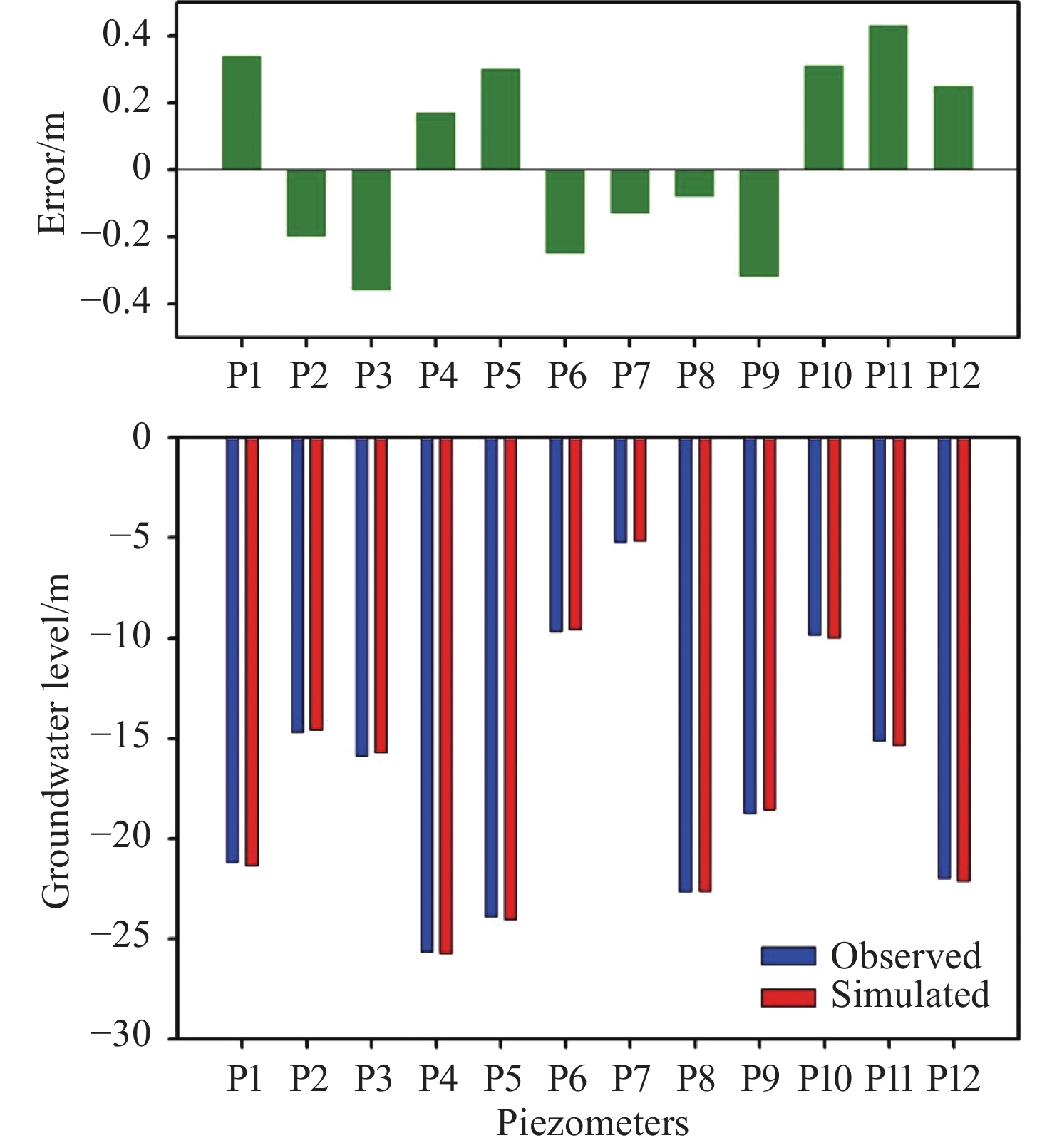
Figure 9. Comparison between observed and calculated groundwater level during unsteady calibration state
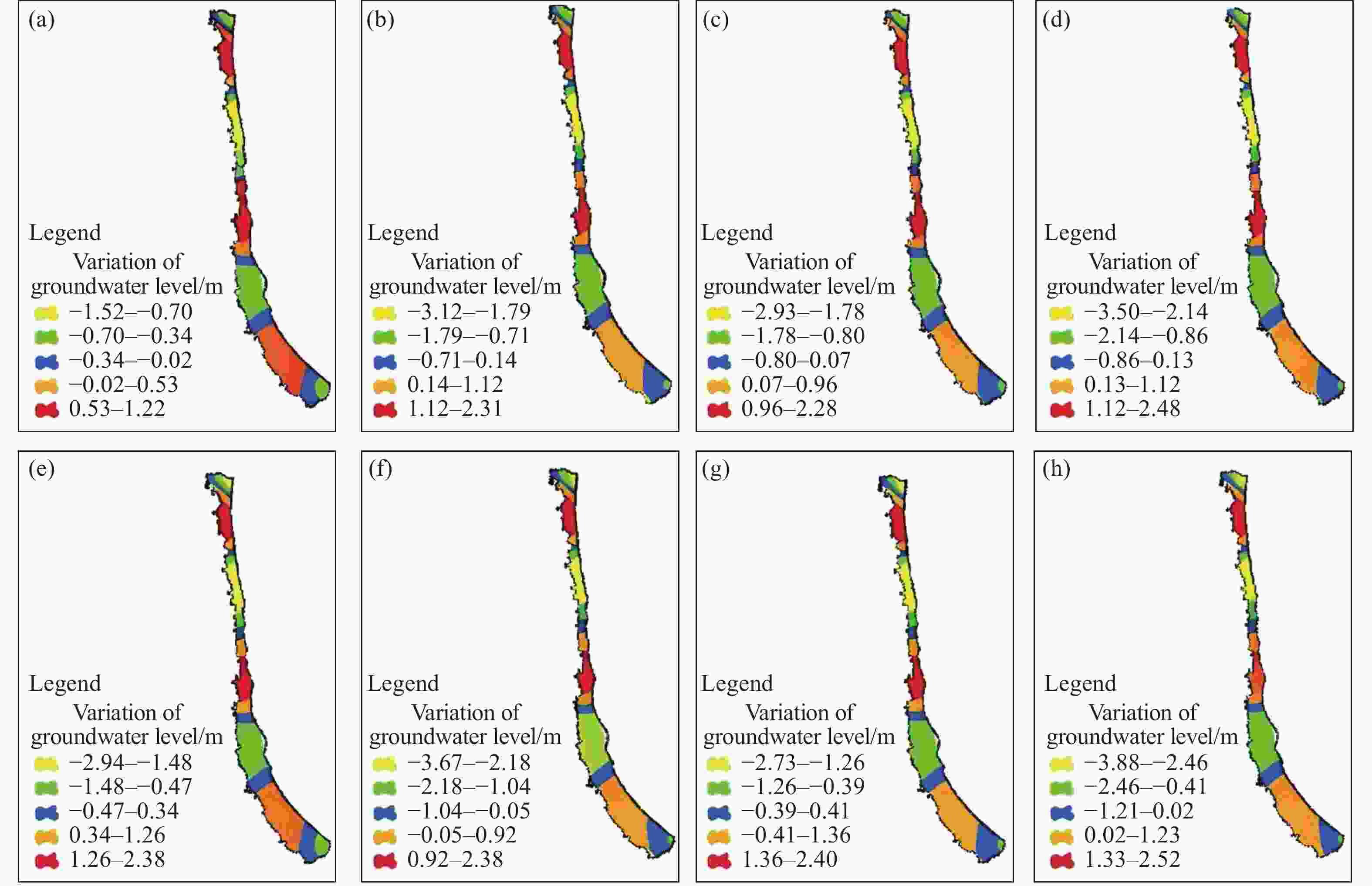
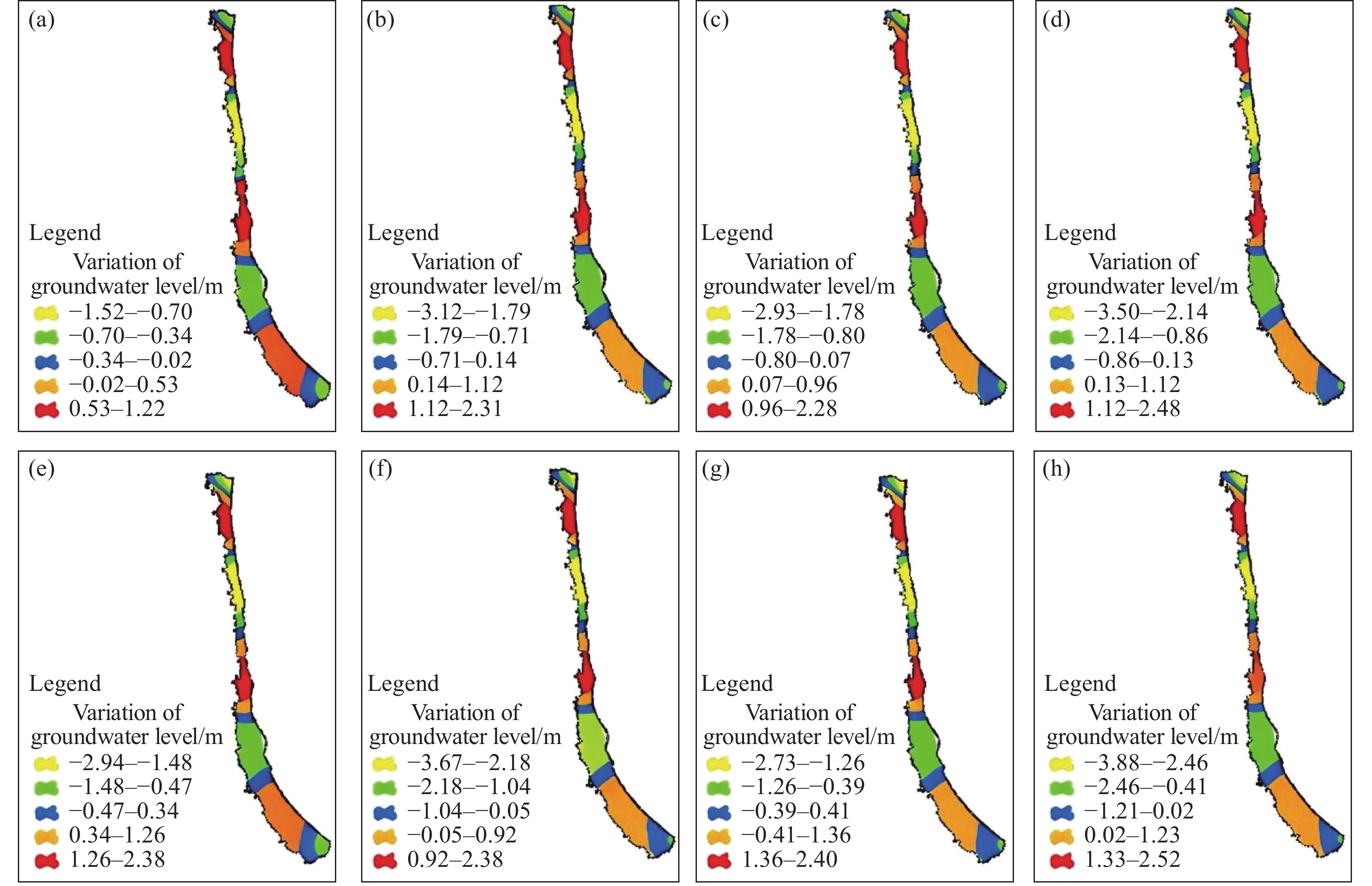
Figure 10. Variations of groundwater level in different scenarios
Notes: (a) baseline-2019; (b) constant withdrawal for 2024; (c) 5% reduction in withdrawal for 2024; (d) 5% increase in withdrawal for 2024; (e) 10% reduction in withdrawal for 2024; (f) 10% increase in withdrawal for 2024; (g) 15% reduction in withdrawal for 2024; (h) 15% increase in withdrawal for 2024
Table 1. Groundwater balance in steady state
Input (MCM) Output (MCM) Difference (MCM) 1.923 1.916 0.007  下载: 导出CSV
Table 2. Error values in different levels of calibration and verification of GMS
Year ME (m) MAE (m) RMSE 2005—2006 (Steady-state calibration phase) −0.51 0.36 0.32 2005—2015 (Unsteady calibration phase) 0.28 0.18 0.28 2015—2018 (Verification phase) −0.41 0.29 0.36
下载: 导出CSV
Table 3. Groundwater balance of the Talesh aquifer in the unsteady state
Year Input (MCM) Output (MCM) Difference (MCM) 2005 124.96 130.28 −5.32 2006 139.90 144.44 −4.54 2007 140.49 146.31 −5.82 2008 128.09 132.96 −4.87 2009 144.96 150.88 −5.92 2010 146.79 153.78 −6.99 2011 136.59 144.51 −7.92 2012 144.27 148.24 −3.97 2013 138.01 142.54 −4.54 2014 138.40 146.99 −8.59 2015 137.62 143.69 −6.07 2016 137.09 146.49 −9.40 2017 150.24 156.43 −6.18 2018 142.10 151.06 −8.96 Average 139.25 145.62 −6.37
下载: 导出CSV
Table 4. Groundwater balance (MCM) under different groundwater management scenarios
Year Constant withdrawal Withdrawal increase/% Withdrawal decrease/% 5 10 15 5 10 15 2019 −6.58 −6.91 −7.19 −7.52 −6.30 −5.92 −5.45 2020 −7.35 −7.44 −8.08 −8.45 −6.88 −6.71 −6.22 2021 −5.21 −5.42 −5.79 −6.03 −4.90 −4.61 −4.32 2022 −4.25 −4.54 −4.71 −4.96 −3.91 −3.73 −3.41 2023 −7.66 −8.14 −8.39 −8.86 −7.17 −6.84 −6.48 2024 −6.44 −6.79 −7.12 −7.46 −6.14 −5.74 −5.43 Average −6.25 −6.54 −6.88 −7.21 −5.88 −5.59 −5.22
下载: 导出CSV
-
Basso B, Kendall AD, Hyndman DW. 2013. The future of agriculture over the Ogallala Aquifer: Solutions to grow crops more efficiently with limited water. Earth's Future, 1(1): 39−41. DOI: 10.1002/2013EF000107. Du J, Laghari Y, Wei YC, et al. 2024. Groundwater depletion and degradation in the North China Plain: Challenges and mitigation options. Water, 16(2): 354. DOI: 10.3390/w16020354. Eslamifar G, Balali H, Fernald A. 2024. Fallowing strategy and its impact on surface water and groundwater withdrawal and agricultural economics: A system dynamics approach in Southern New Mexico. Water, 16(1): 181. DOI: 10.3390/w16010181. Gazal O, Esliamian S. 2021. Comprehensive groundwater risk assessment case study: Arid Northern Jordan Agricultural Areas. International Journal of Hydrology Science and Technology, 12(4): 382−447. DOI: 10.1504/IJHST.2021.118319. Guo M, Yue W, Wang T, et al. 2021. Assessing the use of standardized groundwater index for quantifying groundwater drought over the conterminous US. Journal of Hydrology, 589: 126227. DOI: 10.1016/j.jhydrol.2021.126227. Harbaugh AW. 2005. MODFLOW-2005, the US Geological Survey modular groundwater model: the groundwater flow process. Reston, VA: US Department of the Interior, US Geological Survey. Harbaugh AW, Banta ER, Hill MC, et al. 2000. Modflow-2000, the US Geological Survey modular groundwater model-user guide to modularization concepts and the groundwater flow process Open-file Report. U. S. Geological Survey. Kashani A, Safavi HR. 2025. Assessing groundwater drought in Iran using GRACE data and machine learning. Scientific Reports, 15(1): 14671. DOI: 10.1038/s41598-025-99342-9. Mahab Ghods Consulting Engineers Company. 2012. Updated studies of the national comprehensive water plan in the basins of Aras, Urmia, Talesh- Anzali Wetland, Sefidrud Bozorg, Sefidrud- Haraz, Haraz- Qareh Su, Gorgan Roud and Atrak. Ministry of Energy, Iran (In Pesian). Meyer R, Engesgaard P, Sonnenborg TO. 2019. Origin and dynamics of saltwater intrusion in a regional aquifer: Combining 3‐D saltwater modeling with geophysical and geochemical data. Water Resources Research, 55(3): 1792−1813. DOI: 10.1029/2018WR023624. Morsy SM. 2023. Planning for groundwater management using visual MODFLOW model and multi-criteria decision analysis, West–West Minya, Egypt. Applied Water Science, 13(3): 72. DOI: 10.1007/s13201-023-01881-x. Ou J, Ding B, Feng P, et al. 2025. How to stop groundwater drawdown in North China Plain? Combining agricultural management strategies and climate change. Journal of Hydrology, 647: 132352. DOI: 10.1016/j.jhydrol.2024.132352. Pointet T. 2022. The United Nations world water development report 2022 on groundwater, a synthesis. Lhb, 108(1): 2090867. DOI: 10.1080/27678490.2022.2090867. Rekha P, Kamalakkannan MK, Selvakumar P, et al. 2025. Ground Water Management. In Emerging Trends and Technologies in Water Management and Conservation. IGI Global Scientific Publishing. DOI: 10.4018/979-8-3693-6920-3.ch005. Samani S, Kardan Moghaddam H, Zareian MJ. 2021. Evaluating time series integrated groundwater sustainability: A case study in Salt Lake catchment, Iran. Environmental Earth Sciences, 80(17): 603. DOI: 10.1007/s12665-021-09888-w. Sarkheil H, Rad MH. 2015. 4D electrical resistivity tomography monitoring of Talesh Mahaleh-Rasht Coastal aquifer polluted by Caspian seawater. Near Surface Geoscience 2015-21st European Meeting of Environmental and Engineering Geophysics, 15(1): 1−5. DOI: 10.3997/2214-4609.201413795. Shaikh M, Birajdar F. 2024. Groundwater and ecosystems: Understanding the critical interplay for sustainability and conservation. EPRA International Journal of Multidisciplinary Research, 10(3): 181−186. DOI: 10.36713/epra2013. Tula Rud Gil Consulting Engineers Company. 2014. Continuation of the study of plains with quantitative and qualitative measurement network. (In Persian Varalakshmi V, Venkateswara Rao B, SuriNaidu L, et al. 2014. Groundwater flow modeling of a hard rock aquifer: Case study. Journal of Hydrologic Engineering, 19(5): 877−886. DOI: 10.1061/(ASCE)HE.1943-5584.0000627. Wöhling T, Kraft M, Davidson P. 2025. Groundwater management under instationarity: Scenario simulations for the Wairau Aquifer, New Zealand. No. EGU25-10996, Copernicus Meetings. Zandbergen P. 2008. Applications of shuttle radar topography mission elevation data. Geography Compass, 2(5): 1404−1431. DOI: 10.1111/j.1749-8198.2008.00154.x. Zareian MJ, Eslamian SS, Safavi HR. 2016. Investigating the effects of sustainability of climate change on the agriculture water consumption in the Zayandeh-Rud River Basin. JWSS-Isfahan University of Technology, 20(75): 113−128. DOI: 10.18869/acadpub.jstnar.20.75.113. Zerouali A, El Hamidi MJ, Larabi A, et al. 2024. Managing groundwater withdrawal using a DSS based on GIS-MODFLOW coupling tool: A case study of the Berrechid aquifer, Morocco. International Conference GIRE3D Participatory and Integrated Management of Water Resources in Arid Zones. Cham: 147-163. Springer International Publishing. DOI: 10.1007/978-3-031-63038-5_8. Zhou Y, Shao JL, Cui YL, et al. 2026. Inversion of groundwater withdrawal based on hyperparameter-optimized random forest algorithm and sustainable management—A case study in Beijing Plain, China. China Geology. (in press) DOI: 10.31035/cg2026002. -


 点击查看大图
计量
- 文章访问数: 3765
- HTML全文浏览量: 1516
- PDF下载量: 23
- 被引次数: 0


